
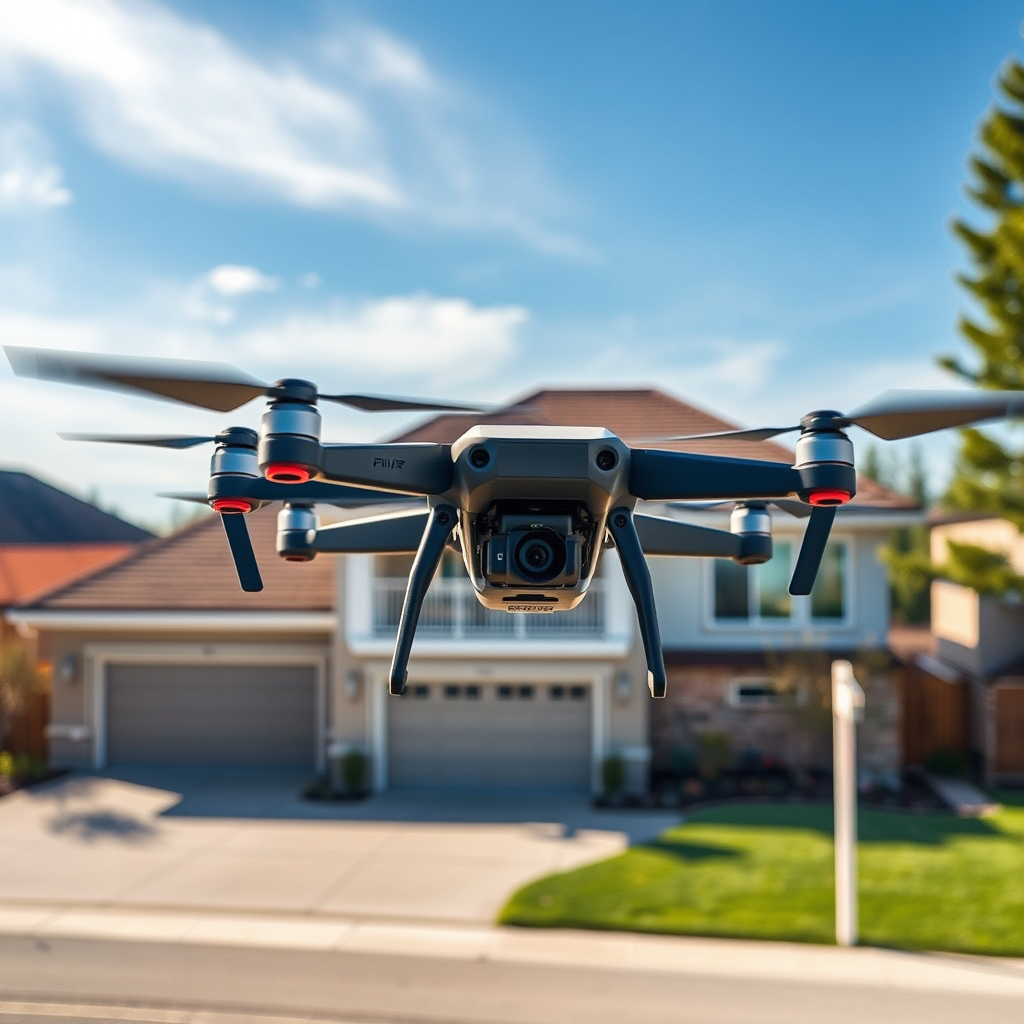
Yes, you can still fly DJI drones, but it’s essential to be aware of the latest regulations and restrictions that may apply in your area. As drone technology evolves, so do the rules governing their use, ensuring safety and compliance with local laws. Understanding these regulations is vital not only for legal compliance but also for ensuring a safe flying experience for yourself and others.
Current Regulations for Flying Drones
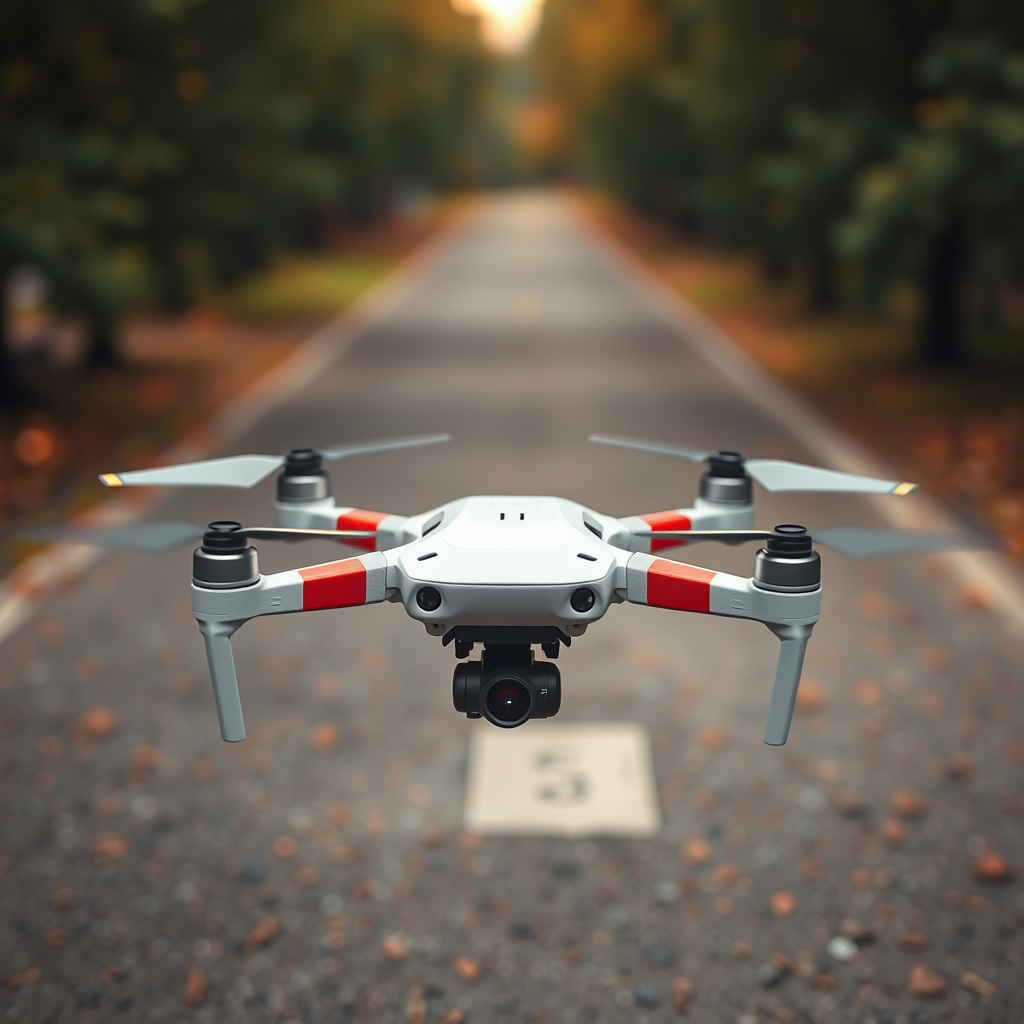
In the United States, the Federal Aviation Administration (FAA) governs the operation of drones, classifying them as Unmanned Aircraft Systems (UAS). As of October 2023, the FAA requires all drone pilots to register their drones if they weigh more than 0.55 pounds. Pilots must also adhere to specific operational guidelines, including flying below 400 feet, maintaining visual line of sight with the drone, and not flying over people or moving vehicles unless a waiver is obtained.
These regulations may differ significantly in other countries. For instance, in Canada, the Canadian Aviation Regulations (CARs) stipulate that drone pilots must complete a safety course and pass an exam to obtain a pilot certificate for advanced operations. Meanwhile, in the United Kingdom, the Civil Aviation Authority (CAA) mandates that drone operators register and obtain a flyer ID. It is crucial for pilots to familiarize themselves with the specific regulations applicable in their respective regions to avoid fines and penalties.
DJI Drone Models and Their Capabilities
DJI has established itself as a leading manufacturer of consumer and professional drones, offering a range of models tailored to different needs. Popular models currently on the market include the DJI Mini 3 Pro, known for its compact size and impressive camera capabilities, and the DJI Mavic 3, which boasts advanced features like dual cameras, extended flight time, and obstacle sensing technology.
These models come equipped with specifications that significantly influence flight options. For example, the Mini 3 Pro features a 1/1.3-inch sensor capable of capturing high-resolution images and videos, while the Mavic 3 offers a maximum flight time of approximately 46 minutes. Understanding these specifications helps pilots choose the right drone for their intended use, whether for recreational flying or professional aerial photography.
Safety Considerations When Flying
Safety should always be a top priority when flying drones. Before each flight, conducting thorough pre-flight checks is essential. This includes inspecting the drone for any signs of damage, ensuring that the firmware is up to date, and checking battery levels. Regular maintenance can prevent mechanical failures during flight, which could lead to accidents.
Additionally, adhering to common safety guidelines is crucial. Pilots should avoid flying in adverse weather conditions, such as high winds or rain, which can affect the drone’s stability. It’s also important to maintain a safe distance from populated areas and sensitive sites, such as hospitals and schools, to minimize risks to people and property.
No-Fly Zones and Restrictions
No-fly zones are designated areas where drone operations are restricted or prohibited, primarily for safety and security reasons. Common no-fly zones include areas near airports, military bases, and certain urban environments. The FAA provides a tool called B4UFLY, which allows drone operators in the U.S. to check for airspace restrictions before flying. Similar resources are available in other countries, including apps and websites that provide real-time information on airspace regulations.
Understanding these restrictions is vital for compliant drone operation. Entering a no-fly zone can result in fines, legal action, and even damage to your drone. Therefore, it is essential to conduct thorough research on airspace regulations in your intended flight area.
Best Practices for Responsible Flying
Responsible flying is not just about following regulations; it also encompasses ethical considerations. Pilots should maintain a safe distance from people and property to prevent accidents and respect the privacy of individuals. This is particularly important in residential areas where flying too close to homes can infringe on people’s privacy rights.
Moreover, being aware of local laws regarding drone usage is fundamental. Some areas may have specific ordinances that restrict drone flights in public parks or during certain events. By respecting these laws, drone pilots can contribute to a positive perception of drone operations within their communities.
Future of DJI Drones and Regulations
As drone technology continues to advance, we can anticipate changes in regulations to accommodate new capabilities. For example, the integration of artificial intelligence and autonomous flight features may prompt regulatory bodies to reassess existing guidelines. Additionally, the increasing popularity of drone delivery services will likely lead to the development of new air traffic management systems to safely incorporate drones into national airspace.
Furthermore, as drones become more prevalent in various industries, including agriculture and construction, regulatory frameworks may evolve to support these applications. Staying informed about potential changes will be crucial for drone operators who want to adapt to new opportunities while ensuring compliance with updated regulations.
In conclusion, while you can still fly DJI drones, staying informed about regulations and best practices is crucial for a safe and enjoyable experience. Always check local laws and guidelines before taking to the skies. By understanding current regulations, adhering to safety protocols, and practicing responsible flying, drone enthusiasts can navigate the skies confidently and legally.
Frequently Asked Questions
Can you still fly DJI drones in restricted airspace?
Flying DJI drones in restricted airspace is generally not allowed due to safety and regulatory concerns. Areas such as near airports, military bases, or national parks often have strict regulations. To ensure compliance, always check local regulations and use the DJI Fly Safe map to identify no-fly zones before your flight to avoid potential fines or legal issues.
How do I check if my DJI drone is safe to fly?
To check if your DJI drone is safe to fly, start by inspecting the drone for any physical damage, ensuring the propellers are in good condition. Next, update the firmware through the DJI app to ensure you have the latest safety features. Additionally, check the weather conditions and use the DJI Fly Safe map to avoid restricted areas or temporary flight restrictions (TFRs) before taking off.
Why is my DJI drone not connecting to the remote controller?
If your DJI drone is not connecting to the remote controller, several factors could be at play. First, ensure both the drone and remote controller are fully charged and powered on. Additionally, check for any interference from nearby electronic devices and make sure you are within the recommended range. If problems persist, try resetting the controller and reconnecting it through the DJI app, as this can often resolve connectivity issues.
What are the best practices for flying DJI drones safely?
To fly your DJI drone safely, always follow the local laws and regulations regarding drone usage. Maintain a visual line of sight with your drone at all times, avoid flying over crowds, and refrain from flying in adverse weather conditions. Moreover, familiarize yourself with your drone’s features and limitations, and conduct a pre-flight checklist to ensure everything is functioning properly before takeoff.
Which DJI drones are best for beginners?
For beginners, the DJI Mini 2 and DJI Mavic Mini are excellent choices due to their user-friendly features, lightweight design, and impressive camera quality. These models come equipped with intuitive controls and various automated flight modes that make flying easier for novices. Additionally, their compact size makes them ideal for travel while still offering robust performance, making them great options for those just starting in drone flying.
References
- https://en.wikipedia.org/wiki/Drone_flight
- https://www.faa.gov/uas/getting_started/
- https://www.nytimes.com/2020/12/21/business/drones-faa.html
- https://www.reuters.com/technology/us-faa-says-drone-operators-must-keep-their-drones-visual-line-sight-2021-04-22/
- https://www.knowbeforeyoufly.org/
- https://www.nasa.gov/aeroresearch/programs/safer/drones
- https://www.smithsonianmag.com/innovation/drones-are-the-future-of-flight-180961083/
