
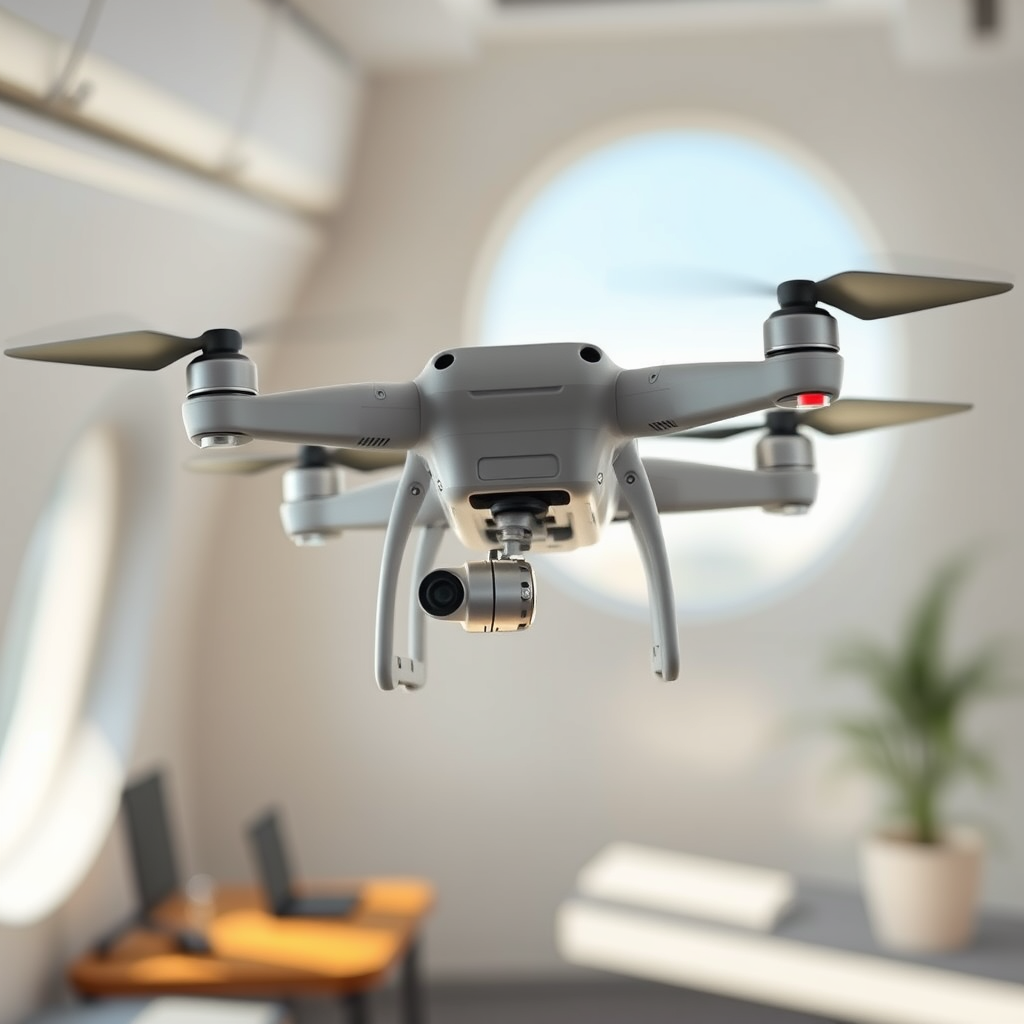
Yes, you can take your drone on a plane, but there are important regulations and guidelines to follow. Understanding the rules set by airlines and aviation authorities is essential to ensure a smooth travel experience with your drone. As drone technology continues to evolve, more travelers are eager to capture breathtaking aerial footage during their adventures. However, it’s crucial to be well-informed about the specific policies of airlines and regulatory bodies to avoid any inconveniences while traveling.
Understanding Airline Policies
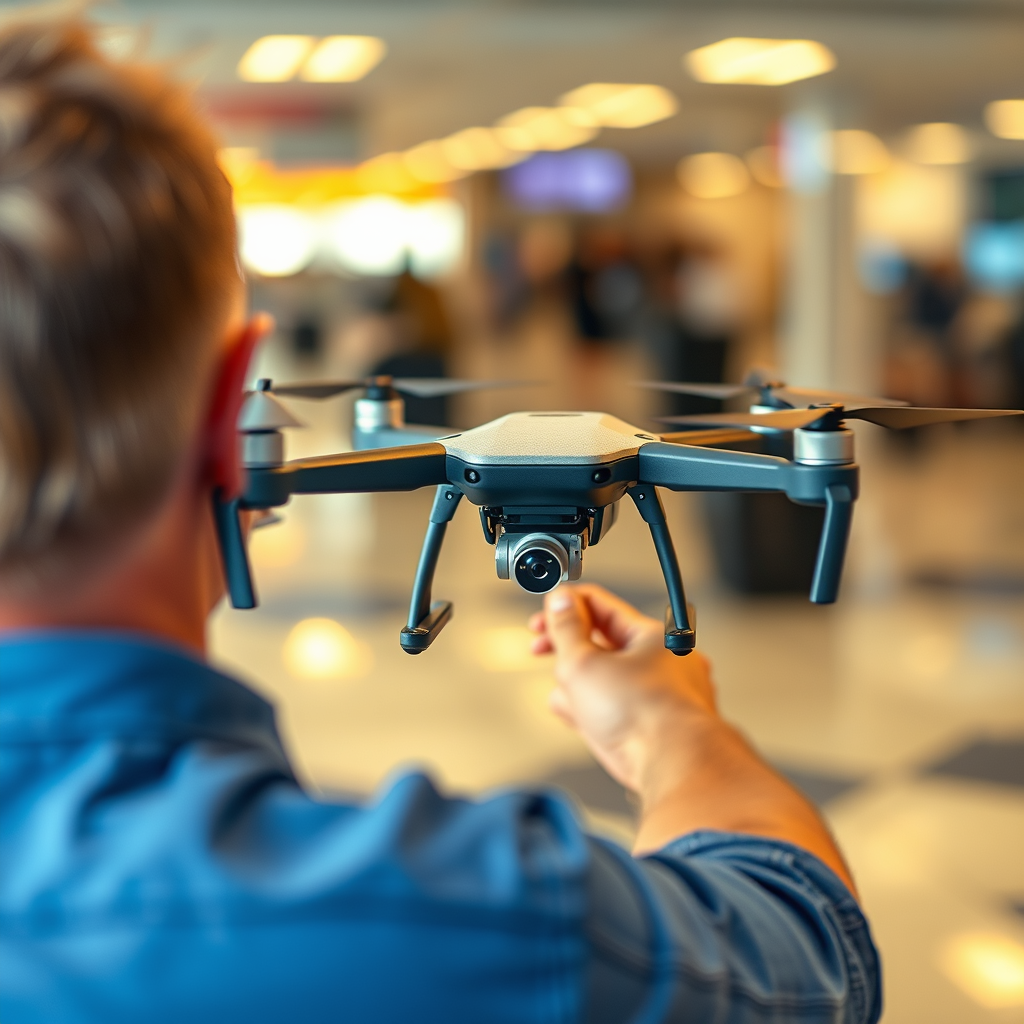
When planning to travel with your drone, the first step is to familiarize yourself with the specific airline policies. Different airlines have varying rules regarding the transport of drones. Some may permit drones only as carry-on items, while others might have restrictions on the size and weight of the drone. For instance, major airlines such as American Airlines and Delta have guidelines that allow drones in carry-on bags, but require that they fit comfortably within standard carry-on dimensions.
Additionally, some airlines might have restrictions on the types of batteries that can be carried. It’s advisable to check the airline’s website or contact customer service prior to your journey to clarify any questions regarding drone transport. Being proactive in understanding these policies can prevent delays at the airport and ensure that you comply with all regulations.
TSA Regulations for Drones
The Transportation Security Administration (TSA) has established clear guidelines for travelers wishing to bring drones aboard flights. According to TSA regulations, drones are permitted in both carry-on and checked luggage. However, it is essential to note that certain precautions must be taken regarding the batteries, which are often a significant concern due to their lithium content.
Batteries must be properly stored, and there are specific watt-hour limits that travelers should adhere to. For instance, batteries rated at over 100 watt-hours are generally prohibited in carry-on luggage and may require special handling if permitted in checked baggage. Familiarizing yourself with these guidelines can help avoid any complications during the security screening process.
International Travel Considerations
Traveling internationally with a drone introduces a layer of complexity due to varying regulations across countries. Many nations have specific laws governing the importation and usage of drones, which may include registration requirements or restrictions on where drones can be flown. For example, countries like Canada and Australia have stringent rules regarding drone operation, including mandatory registration and pilot certification for certain drone weights.
Before embarking on your journey, it’s crucial to research the customs regulations of your destination country and any local drone laws. Websites such as the International Civil Aviation Organization (ICAO) and local aviation authorities can provide valuable insights into the regulations that apply to drone use in specific regions. This diligence will help ensure compliance and may even enhance your travel experience by allowing you to capture stunning imagery legally.
Packing Your Drone for Travel
Properly packing your drone is essential for ensuring its safety during transit. Disassemble parts where possible to save space and protect them from damage; for example, removing propellers and folding arms can significantly reduce the risk of breakage.
Investing in a sturdy case or padded bag designed specifically for drones is highly recommended. These cases not only provide physical protection but often come with compartments for batteries, controllers, and other accessories. Additionally, consider using bubble wrap or packing peanuts around fragile components for extra cushioning. By taking the time to pack your drone thoughtfully, you can minimize the risk of damage and ensure that it arrives at your destination in good condition.
Insurance and Liability
While traveling with your drone, it’s wise to consider obtaining insurance to cover potential losses or damages. Many standard homeowners or renters insurance policies may not cover drones, so seeking specialized drone insurance can provide peace of mind. These policies often cover theft, loss, and damage incurred during travel, which can be invaluable if your drone sustains damage during transit or while in use.
Moreover, understanding liability issues is crucial. If your drone inadvertently causes damage to property or injures someone while you are traveling, you could be held liable. Therefore, reviewing your insurance policy for liability coverage, in addition to property coverage, is essential. This consideration will not only protect your investment but also safeguard you against potential legal claims.
Using Your Drone at Your Destination
Once you’ve arrived at your destination, it’s essential to research local laws and regulations governing drone usage. Many popular tourist destinations have designated no-fly zones, particularly near airports, government buildings, and crowded public areas. For example, in places like national parks in the United States, flying drones is entirely prohibited.
Additionally, some locations may require permits for drone operation, especially in urban areas or during special events. Before taking your drone out for a flight, familiarize yourself with the local rules, which can often be found on the website of the local aviation authority or tourism office. Respecting these regulations is not only a legal obligation but also a way to promote responsible drone usage within the community.
In conclusion, while you can take your drone on a plane, it’s crucial to be informed about airline policies, TSA regulations, and international laws. By understanding the specific guidelines set forth by airlines and regulatory bodies, properly packing your equipment, securing insurance, and adhering to local laws at your destination, you can ensure a hassle-free experience. Drones offer incredible opportunities for capturing unique perspectives during your travels, so take the necessary steps to enjoy your flying experience safely and responsibly. Happy flying!
Frequently Asked Questions
Can you take your drone on a plane as a carry-on item?
Yes, you can typically take your drone on a plane as a carry-on item, but you must check with the airline’s specific regulations first. Most airlines allow personal drones in the cabin, provided that the batteries are packed properly and comply with the airline’s lithium battery policies. Be sure to place your drone in a protective case to prevent damage and make it easier to transport through security checks.
What are the regulations for flying a drone in different countries when traveling?
Regulations for flying a drone vary significantly from country to country, so it’s essential to research the specific rules for your destination before traveling. Many countries require drone registration, while others may have restrictions on flying in certain areas, such as near airports or populated regions. Always check the local aviation authority’s website for guidelines to ensure compliance and avoid fines or confiscation of your drone.
How should I pack my drone for air travel?
To pack your drone for air travel, start by removing the battery and packing it separately in your carry-on luggage, as most airlines have strict regulations regarding lithium batteries. Use a cushioned case or backpack designed for drones to protect it from impacts during transit. Additionally, ensure that all components, such as propellers and remote controllers, are secured to prevent movement during your journey.
Why do airlines have restrictions on carrying drones?
Airlines impose restrictions on carrying drones primarily due to safety concerns related to lithium batteries, which can pose a fire risk if not handled correctly. Additionally, drones can interfere with aircraft navigation systems if flown improperly, prompting airlines to enforce strict regulations regarding their transport. Understanding these restrictions helps travelers comply with airline policies and ensure a safe travel experience.
Which drones are prohibited from being taken on a plane?
Generally, drones that weigh over a certain limit (often around 250 grams or 0.55 pounds) may be subject to additional scrutiny and regulations. Additionally, drones that have built-in lithium batteries exceeding the airline’s watt-hour limit (typically 100 watt-hours) are often prohibited as carry-on items. Always check the airline’s guidelines and your drone’s specifications to ensure compliance before traveling.
References
- https://www.faa.gov/uas/training_educators/integration/drone_travel
- https://www.tsa.gov/travel/security-screening/whatcanibring/items/drone
- https://www.washingtonpost.com/technology/2020/07/01/travel-drone-airplane/
- https://en.wikipedia.org/wiki/Drone
- https://www.nytimes.com/2020/07/01/business/drone-air-travel.html
- https://www.theguardian.com/travel/2021/jun/01/taking-a-drone-on-a-plane-what-you-need-to-know
- https://www.nationalparks.org/connect/blog/flying-drones-national-parks-what-you-need-know
- https://www.aopa.org/news-and-media/all-news/2021/june/02/what-to-know-about-flying-drones-on-airplanes
