
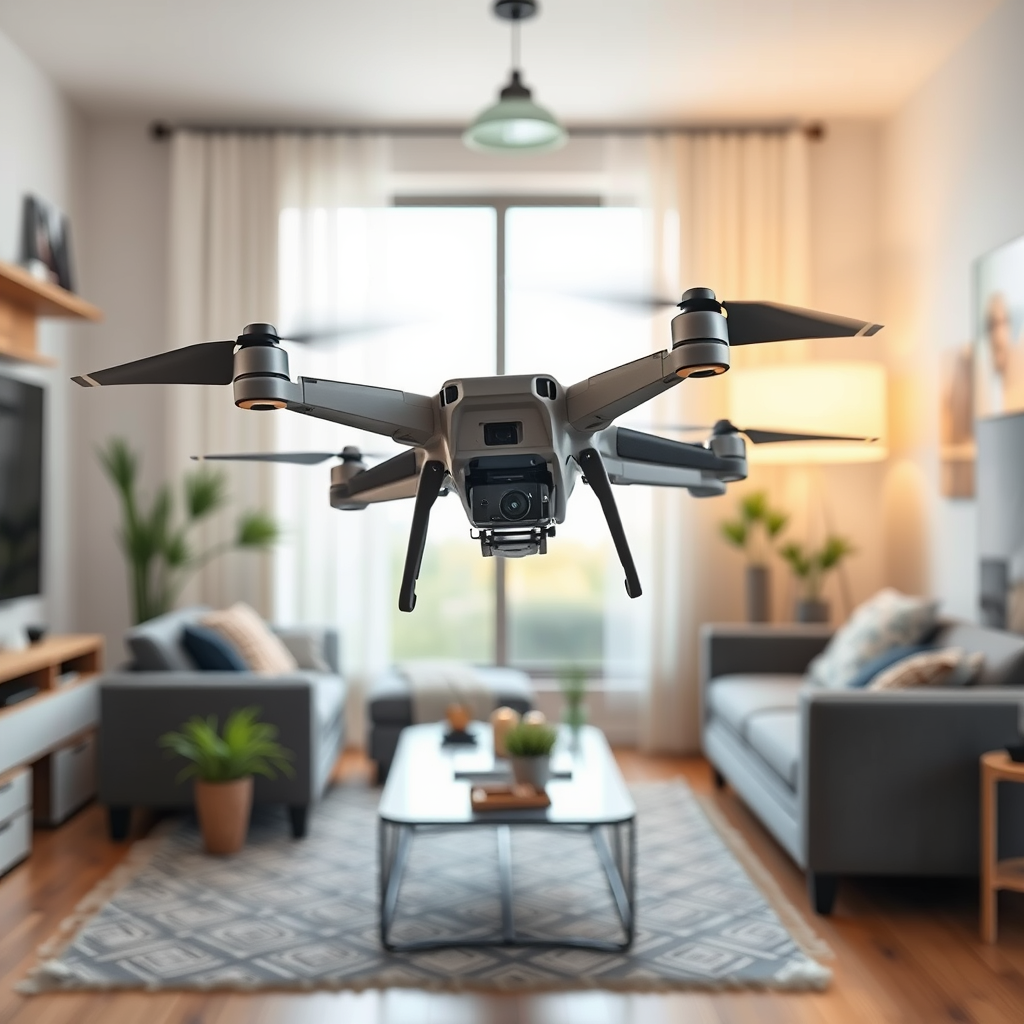
Yes, you can use a drone indoors, but there are important factors to consider. Indoor drone flying presents unique challenges and advantages compared to outdoor environments. With the right knowledge and preparation, enthusiasts can successfully navigate these challenges, ensuring a safe and enjoyable flying experience. This article will delve into the critical considerations, safety precautions, drone selection, regulatory guidelines, and practical tips for operating a drone indoors.
Understanding Indoor Drone Limitations
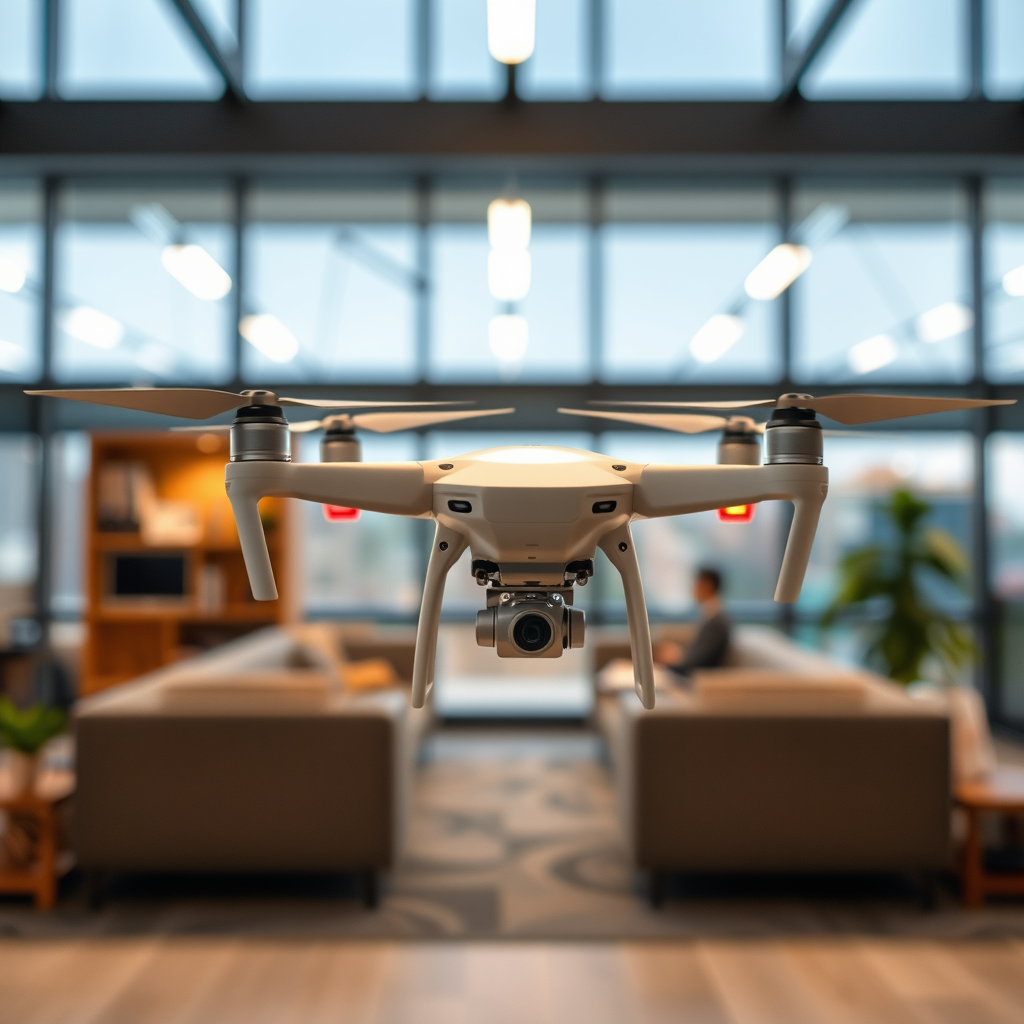
When considering indoor drone flying, understanding your environment is paramount.
– Space Requirements: The available space significantly influences your flying experience. Indoor areas often have limited room, which can restrict the drone’s movement and height. Before you begin flying, assess the space for obstacles such as furniture, ceilings, and walls. Ideally, a large, open area like a gymnasium, warehouse, or empty room is best suited for indoor flying. This allows for greater maneuverability and reduces the risk of collisions.
– Weight Restrictions: Lighter drones are typically better suited for indoor use because they pose a lower risk of causing damage to property or injuring people. For instance, mini drones, which often weigh less than 250 grams, can be flown safely indoors and are less likely to cause significant harm in case of an accidental crash. Moreover, lighter drones tend to be more agile, making them easier to control in tighter spaces.
Safety Precautions for Indoor Flying
Safety should always be the top priority when operating a drone, especially in indoor environments where risks may be amplified.
– Clear the Area: Prior to flying, take the time to clear the area of fragile items, furniture, and any other potential hazards. This includes removing breakable decorations, ensuring that windows are closed, and even asking people to leave the space temporarily. A clear area not only protects your drone but also ensures the safety of bystanders.
– Use Propeller Guards: Equipping your drone with propeller guards is a crucial safety measure. These guards help reduce the risk of injury to people and pets and protect the drone’s propellers from damage during crashes. Many manufacturers offer compatible propeller guards, and investing in them is a wise decision for indoor flying.
Choosing the Right Drone for Indoor Use
Selecting an appropriate drone is critical for a successful indoor flying experience.
– Size and Weight: Opt for smaller, lighter drones that can easily navigate indoor spaces. Drones designed specifically for indoor use, such as the DJI Tello or the Potensic A20, are excellent choices. Their compact size allows them to maneuver around tight corners and small areas while also ensuring that they can be operated safely.
– Features: Look for drones equipped with advanced sensors and features that aid in collision avoidance and navigation. Many modern drones come with built-in obstacle detection technology, which uses ultrasonic sensors or cameras to determine distances and avoid obstacles. This is particularly beneficial in indoor settings where a sudden turn could lead to a crash.
Regulations and Legal Considerations
While indoor flying may seem less regulated than outdoor drone use, there are still important legal considerations to keep in mind.
– Local Laws: Familiarize yourself with local regulations regarding indoor drone use, as they can differ by region. Some municipalities may have specific rules governing drone operation in public buildings or shared environments. For instance, flying a drone in a community center or school without permission could lead to legal repercussions.
– Permission: Always seek permission if you intend to fly in someone else’s property or shared spaces. This not only shows respect for the property owner but also helps avoid potential conflicts. If you’re considering flying in a public space, consult the property management or relevant authorities to ensure compliance with local rules.
Tips for Successful Indoor Flying
Enhancing your indoor flying experience involves preparation and practice.
– Practice in Open Spaces: Before attempting to fly in tighter indoor areas, practice in larger, open spaces. This allows you to become familiar with your drone’s controls and responsiveness. Developing your skills in a spacious environment can help build confidence and improve your ability to navigate complex indoor settings.
– Monitor Battery Life: Indoor flying can drain a drone’s battery faster than anticipated due to the increased maneuverability required. Always keep an eye on remaining battery life and be prepared to land when necessary. Investing in additional batteries can help extend your flying sessions, allowing you to practice longer without interruptions.
Troubleshooting Common Indoor Flying Issues
Even seasoned pilots may encounter challenges when flying indoors, but understanding common issues can help you troubleshoot effectively.
– Connectivity Problems: Indoor environments can interfere with GPS signals, affecting the drone’s stability and navigation. To mitigate this, use drones with strong Wi-Fi connectivity or those equipped with advanced stabilization features that rely less on GPS. Additionally, consider performing a pre-flight check to ensure all systems are functioning correctly.
– Obstacle Detection: Familiarize yourself with your drone’s obstacle detection features to avoid crashes. Many drones come equipped with sensors that can identify obstacles in their flight path. Understanding how these features work will allow you to leverage them effectively and enhance your indoor flying safety.
In conclusion, flying a drone indoors is indeed possible, but it requires thoughtful planning and attention to detail. By understanding the limitations of indoor environments, adhering to safety precautions, choosing the right drone, and being aware of legal regulations, you can create a safe and enjoyable flying experience. With practice and the right mindset, indoor drone flying can be a rewarding and exciting venture. Happy flying!
Frequently Asked Questions
Can you use a drone indoors without any issues?
Yes, you can use a drone indoors, but there are several factors to consider. Indoor flying can be limited by space, obstacles, and the drone’s size and weight. It’s essential to choose a small, lightweight drone designed for indoor use, as larger drones may cause damage to furniture or walls. Additionally, ensure you have enough space to maneuver safely and avoid any potential hazards.
What are the best drones for indoor flying?
The best drones for indoor flying are typically smaller, lightweight models with stable flight capabilities. Popular options include the DJI Tello, the Ryze Tech Tello, and the Holy Stone HS210. These drones are designed for easy control and maneuverability in confined spaces, and they often come equipped with features like altitude hold and headless mode, which make indoor flying more manageable.
How can I ensure safe indoor drone flying?
To ensure safe indoor drone flying, first, clear the area of any obstacles like furniture, decorations, or fragile items. Always fly in a well-lit environment to improve visibility and maintain control. Additionally, practice using a simulator before flying to develop your skills and get familiar with the drone’s controls. Finally, always use propeller guards to help prevent accidents and injuries.
Why should you be cautious when flying a drone indoors?
Caution is necessary when flying a drone indoors due to the potential for collisions and damage to property or the drone itself. Indoor environments often have limited space, which can make navigation challenging and increase the risk of accidents. Additionally, many drones rely on GPS for stabilization, which may not be available indoors, leading to less stable flight. Therefore, understanding the limitations and practicing safe flying techniques is crucial for indoor drone use.
Which regulations apply to indoor drone flying?
While regulations for drone flying primarily focus on outdoor use, it’s still important to be aware of indoor flying guidelines. Most importantly, ensure that you have permission to fly in the space you choose, especially in public buildings or shared areas. Additionally, always respect privacy and avoid flying near people or sensitive equipment. It’s also wise to check with local authorities or drone clubs for any specific rules that may apply to indoor flight in your area.
References
- https://en.wikipedia.org/wiki/Drone
- https://www.faa.gov/uas/getting_started/where_to_fly
- https://www.nist.gov/news-events/news/2021/06/indoor-drones-need-new-approaches-navigating-space
- https://www.sciencedirect.com/science/article/abs/pii/S0306261921000126
- https://www.reuters.com/technology/drones-are-shaping-future-urban-mobility-2021-09-14/
- https://www.theguardian.com/technology/2020/jul/29/drones-privacy-issues-indoor-flying
- https://www.ncbi.nlm.nih.gov/pmc/articles/PMC6880409/
- https://www.techrepublic.com/article/drones-are-they-the-future-of-indoor-navigation/
