
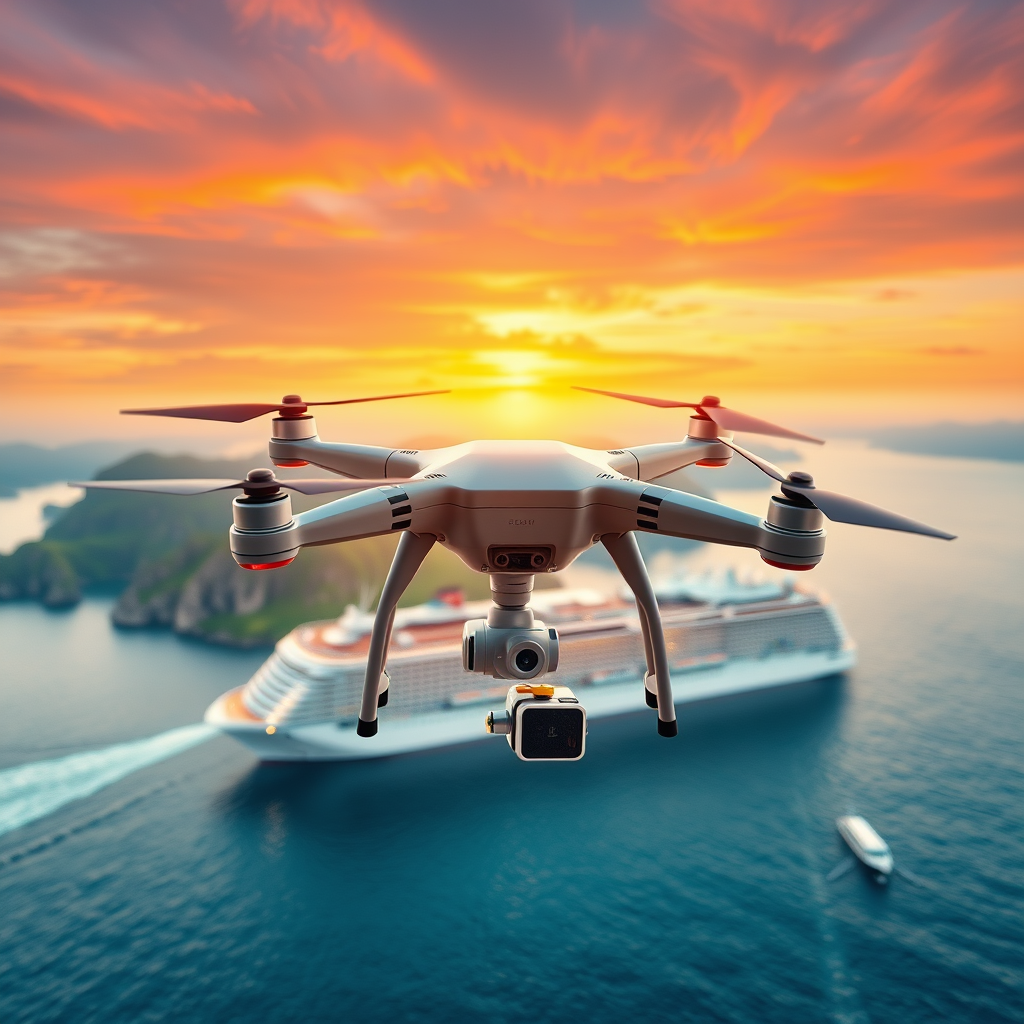
Yes, you can use a drone on a cruise ship, but there are specific regulations and guidelines you must follow. While the thrill of capturing stunning aerial footage of your cruise journey is enticing, it’s essential to navigate the complexities of cruise line policies, local laws, and safety considerations. This article explores the rules, potential challenges, and tips for successfully flying a drone while cruising, ensuring you make the most of your maritime adventure.
Understanding Cruise Line Policies
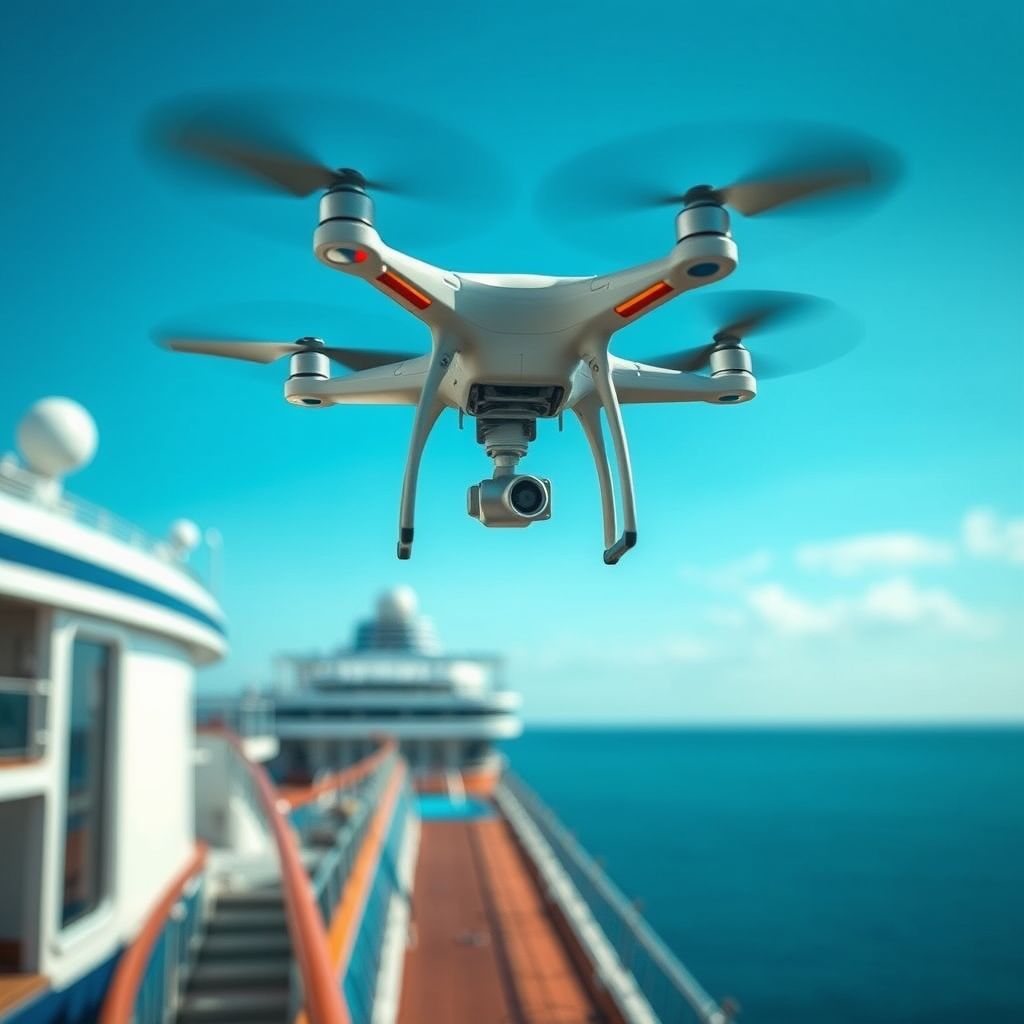
Different cruise lines have varying rules regarding drone usage, and it’s imperative to check the specific regulations of the cruise line you are traveling with. Major cruise lines such as Carnival, Royal Caribbean, and Norwegian Cruise Line typically have stringent policies that prohibit drones on board due to safety and privacy concerns. For instance, Carnival Cruise Line explicitly states in its guest conduct policies that drones are not permitted on board or during excursions. These regulations are primarily designed to protect passengers and crew members from potential accidents, as well as to respect the privacy of individuals both on the ship and in port destinations.
Before your cruise, take the time to review your cruise line’s official website or contact customer service for the most up-to-date information regarding their drone policies. Understanding these rules is essential for avoiding fines or confiscation of your equipment.
Legal Regulations to Consider
In addition to cruise line policies, drone operators must familiarize themselves with the Federal Aviation Administration (FAA) regulations governing drone flight in the United States. The FAA requires that all drone operators register their drones if they weigh over 0.55 pounds and adhere to specific flight restrictions, including altitude limits and no-fly zones. While cruising, you’ll also need to consider the legal implications of flying a drone in international waters, where regulations may differ.
For example, while you may find some leniency in international airspace, once you enter a country’s territorial waters, you must comply with that nation’s aviation regulations. Hence, it is crucial to research the laws governing drone usage in your planned destinations. Countries like Canada and Australia have distinct regulations that may require permits or specific licenses.
Best Practices for Drone Operation
To ensure a safe and compliant flight experience, it’s vital to adhere to best practices for drone operation. First and foremost, always fly your drone within visual line-of-sight, which means you should always be able to see the drone with your own eyes without the aid of binoculars or other devices. This practice not only complies with FAA regulations but also helps you maintain control of the drone, reducing the risk of accidents.
Additionally, avoid flying over people and private property to ensure safety and compliance. When cruising, this may mean steering clear of crowded deck areas, especially during peak hours when many passengers are outside. Always be aware of your surroundings and monitor the flight path of your drone. Finally, consider using a drone equipped with obstacle avoidance technology, which can help prevent collisions with other objects during flight.
Drone Usage in Port Destinations
When your cruise ship docks at port, the opportunity to capture breathtaking aerial footage increases, but so do the complexities. Research local laws for drone use at port stops, as some countries have stringent regulations that could impact your ability to fly. For instance, in places like Greece and Italy, drone usage is heavily regulated, and you may need a permit to operate. Failing to comply can result in hefty fines or confiscation of your equipment.
Furthermore, be cautious about flying in crowded areas, especially near popular tourist attractions. Many municipalities have specific restrictions that prohibit drone flights in high-traffic areas to ensure public safety and privacy. Before flying, connect with local drone enthusiasts or online communities to gather insights on the legality and best practices in your port destinations.
Tips for Capturing Great Footage
To capture stunning travel imagery, effective planning and the right equipment are essential. Begin by plotting your flight path in advance, particularly in crowded areas where navigation may be challenging. Use mapping tools to identify potential obstacles and to determine the best angles for capturing your desired shots.
Investing in a drone with a high-quality camera can significantly enhance your photography and videography. Look for drones that offer features like 4K video resolution, gimbal stabilization, and HDR capabilities to ensure you capture vibrant, clear footage. Additionally, consider the time of day when you plan to fly; golden hours—shortly after sunrise or before sunset—often provide optimal lighting conditions for breathtaking shots.
Finally, don’t forget to check your drone’s settings and ensure that they are optimized for the environment. Adjusting camera settings based on weather and lighting conditions can make a remarkable difference in the final product.
Safety Considerations
Safety should always be a top priority when operating a drone, especially in potentially unpredictable environments like a cruise ship. Be mindful of weather conditions before taking off, as strong winds, rain, and fog can affect your drone’s performance. If the weather appears unfavorable, it’s wise to postpone your flight.
Moreover, ensure your drone is in good working condition before setting off. Regularly inspect the battery, propellers, and camera to prevent malfunctions during flight. Familiarize yourself with emergency procedures, such as return-to-home functions, in case of signal loss or low battery issues. Understanding how to troubleshoot common problems can help avert potential disasters.
Alternative Options for Aerial Photography
If the restrictions on drone usage seem too daunting, consider alternative options for capturing aerial photography. One effective approach is to hire a local drone operator who is familiar with local regulations and can provide you with high-quality footage of your cruise destinations. Local experts will typically know the best spots for aerial shots and can navigate the legal landscape more effectively.
Another alternative is to use a high-quality camera with a zoom lens to capture images from a distance. While this won’t provide the same aerial perspective as a drone, it can still yield stunning travel photos without the complexities involved in drone operation. Many modern cameras come equipped with impressive zoom capabilities, allowing you to capture details from afar.
In summary, while using a drone on a cruise ship is possible, it requires careful consideration of cruise line policies and local regulations. By understanding the rules, prioritizing safety, and planning your drone usage wisely, you can enhance your cruise experience with breathtaking footage. Always do your research, respect the rules of the areas you visit, and utilize alternative photography options if needed to ensure a smooth and enjoyable experience.
Frequently Asked Questions
Can you legally fly a drone from a cruise ship?
Legally flying a drone from a cruise ship is complicated and largely depends on the cruise line’s policies and the regulations of the countries visited. Most cruise lines prohibit drone usage onboard due to safety and privacy concerns, while international maritime laws may also restrict flying drones in certain waters. Always check with your cruise line and local regulations before planning to use a drone during your voyage.
What are the risks of using a drone on a cruise ship?
Using a drone on a cruise ship poses several risks, including potential accidents with other passengers or crew, interference with ship navigation systems, and legal repercussions. Drones can also be susceptible to strong winds and maritime weather, which can lead to crashes or loss of control. Therefore, it’s crucial to assess the risks thoroughly and consider the safety of everyone onboard.
How can I take aerial photos without a drone while on a cruise?
If you’re looking to capture stunning aerial views without using a drone, consider using a smartphone or a digital camera with a good zoom lens from higher vantage points on the ship. Many cruise ships have observation decks, which can provide excellent views for photography. Additionally, you can explore purchasing professional photography services offered by the cruise line for high-quality images of your journey.
Why are drones banned on many cruise ships?
Drones are often banned on cruise ships due to safety, privacy, and security concerns. The potential for accidents, such as drones crashing into people or equipment, is significant in crowded environments. Furthermore, the use of drones can infringe on the privacy of fellow passengers and crew, and can be a security risk in sensitive maritime areas, prompting cruise lines to adopt strict drone policies.
Which cruise lines allow drone usage and what are their policies?
While most major cruise lines, such as Carnival, Royal Caribbean, and Norwegian, prohibit drone usage onboard, some may allow it in specific circumstances or designated areas. It’s essential to review each cruise line’s official policy before your trip, as rules can vary significantly. Always obtain permission from the cruise line and adhere to local laws at ports of call, as this will help avoid any potential issues during your travels.
References
- https://en.wikipedia.org/wiki/Drone_regulations
- https://www.faa.gov/uas/getting_started/part_107
- https://www.cruisecritic.com/articles/drone-use-on-cruise-ships
- https://www.tsa.gov/travel/security-screening/drone-regulations
- https://www.nytimes.com/2021/01/20/travel/cruise-ship-drones.html
- https://www.govinfo.gov/content/pkg/FR-2016-06-28/pdf/2016-15079.pdf
- https://www.theverge.com/2017/7/3/15838856/drones-cruise-ships-regulations
