
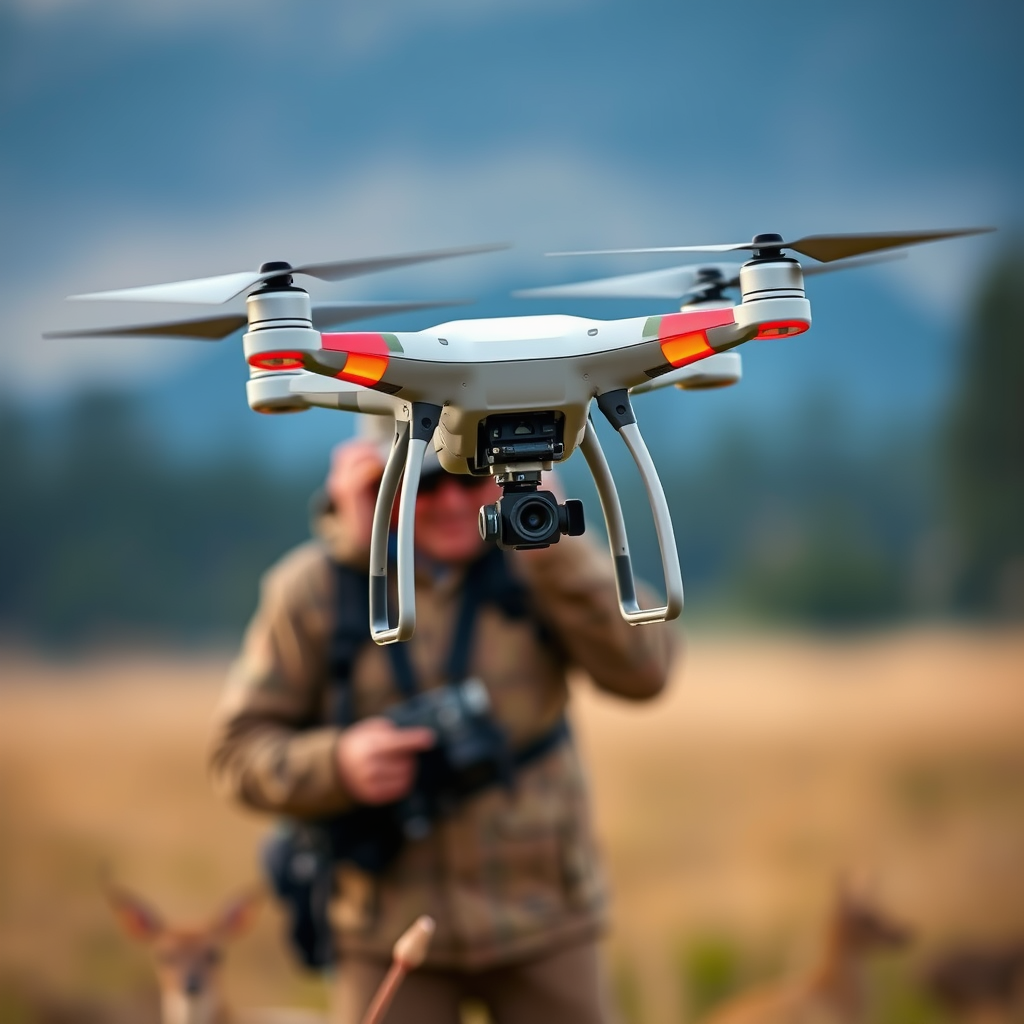
Yes, you can use a drone to hunt deer, but there are important legal and ethical considerations to take into account. The advent of drone technology has opened new avenues for hunters, allowing for enhanced scouting and tracking of deer populations. However, the integration of drones into hunting practices raises questions about legality, ethics, and the traditional principles of fair chase. This article will explore the feasibility of using drones in deer hunting, highlighting the technology, regulations, and best practices for responsible usage.
Understanding Drone Technology for Hunting
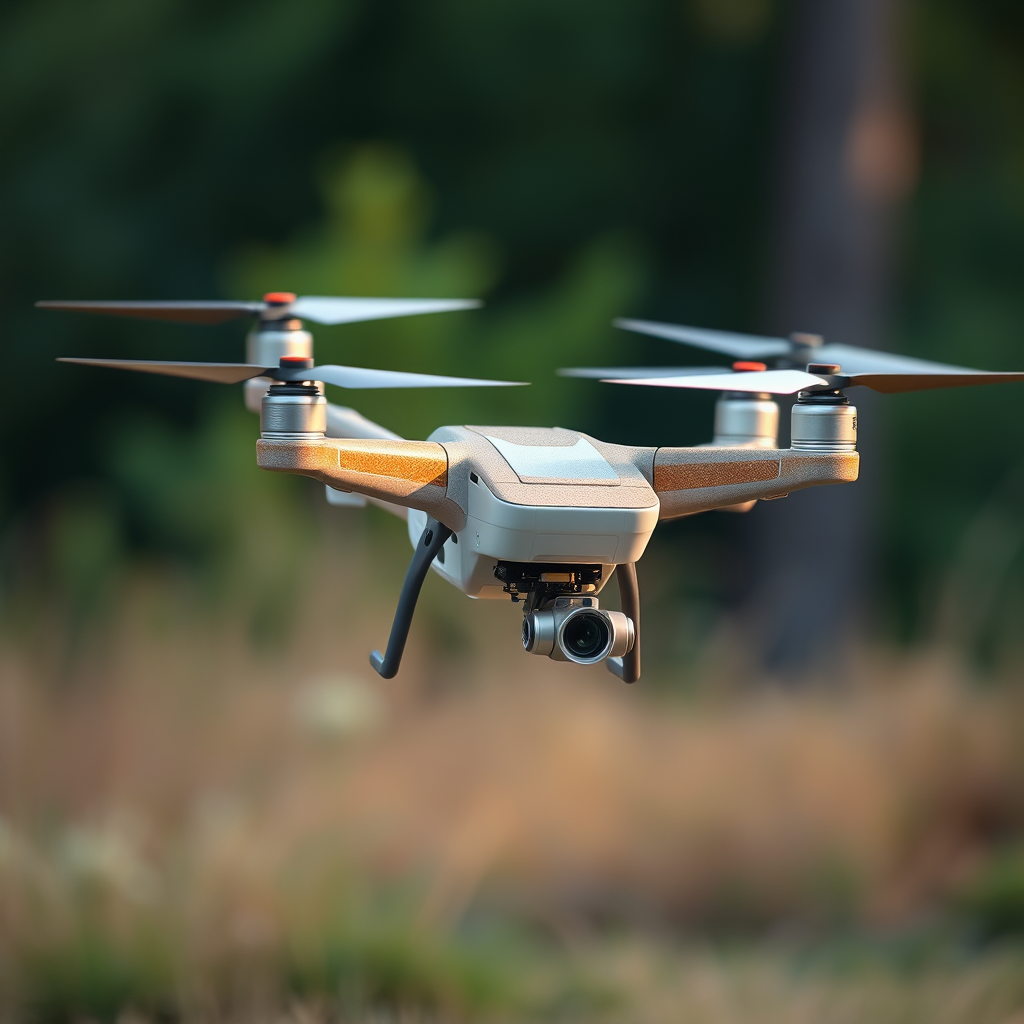
Drones have revolutionized various sectors, including hunting. When considering drones suitable for hunting deer, several types come into play, including quadcopters and fixed-wing drones. Quadcopters are particularly popular due to their maneuverability and ability to hover, making them ideal for scouting and monitoring wildlife.
Key features that enhance deer tracking include high-definition cameras, thermal imaging, and GPS capabilities. High-definition cameras allow hunters to capture clear images from above, helping to identify deer locations without disturbing their natural behavior. Thermal imaging technology is particularly useful during early morning or late evening hunts, as it can detect heat signatures, making it easier to find deer even in dense foliage. GPS capabilities enable hunters to map out their hunting areas and identify paths that deer frequently travel, thus optimizing hunting strategies and improving success rates.
Legal Considerations for Using Drones
Legal considerations regarding the use of drones in hunting vary widely by state or country. Many jurisdictions have strict regulations that govern the use of drones during hunting seasons. In some areas, using drones to locate or track game is considered illegal, as it can give hunters an unfair advantage. For instance, states like Montana and Wisconsin have prohibited the use of drones for hunting to uphold fair chase principles.
Violating these hunting laws can lead to severe consequences, including hefty fines and potential loss of hunting licenses. Moreover, ethical guidelines established by various hunting organizations emphasize the importance of maintaining a fair chase. Hunters are encouraged to familiarize themselves with local regulations and to respect the spirit of hunting, which promotes sustainable wildlife management and conservation.
Ethical Implications of Drone Hunting
The ethical implications of using drones in hunting are significant and often debated within the hunting community. One of the core principles of ethical hunting is the concept of fair chase, which emphasizes the need for a level playing field between hunter and prey. Drones can potentially disrupt this balance, allowing hunters to exploit technology in ways that may be seen as unfair or unsportsmanlike.
Wildlife conservationists often express concerns that the use of drones could lead to overhunting, as easy access to animal locations might encourage excessive harvesting. Additionally, the presence of drones may stress wildlife, affecting their natural behavior and habitats. Perspectives from hunting communities vary; some embrace the technological advancements as tools for better management, while others argue that they undermine the challenge and tradition of hunting. Engaging in open dialogues about these ethical implications is crucial for maintaining the integrity of the sport.
Practical Uses of Drones in Deer Hunting
Drones provide several practical applications that can greatly enhance deer hunting experiences. One of the primary uses is scouting, where drones can be flown over large areas to scout for deer and identify their locations. This capability is particularly beneficial in challenging terrains where visibility is limited, allowing hunters to gather vital information about deer populations and their movements without disturbing them.
Real-time aerial footage from drones can also assist in planning hunting strategies. By providing a bird’s-eye view of the landscape, hunters can identify potential ambush points, food sources, and travel routes used by deer. This strategic insight can significantly improve the chances of a successful hunt, as hunters are better equipped to make informed decisions based on the data gathered from drone surveillance.
Equipment and Setup for Drone Hunting
When considering the use of drones for hunting, selecting the right equipment is crucial. Recommended drone models for hunting include the DJI Mavic Air 2 and the Parrot Anafi USA. These drones are equipped with high-quality cameras, extended battery life, and robust GPS systems, making them well-suited for outdoor conditions.
In addition to the drone itself, accessories such as extra batteries, carrying cases, and propeller guards are essential for a successful hunting experience. Proper preparation and maintenance are also necessary to ensure the drone operates effectively in the field. Regular firmware updates and pre-flight checks can prevent technical issues that could hinder scouting efforts.
Safety Tips for Drone Use in Hunting
Operating drones safely in the field is paramount for both the safety of the hunter and the preservation of the environment. Hunters should familiarize themselves with the drone’s controls and practice flying in open spaces before using it in hunting situations. It is also essential to maintain a visual line of sight with the drone to avoid crashes and comply with FAA regulations.
Potential hazards to consider while hunting with drones include wildlife disturbances and interactions with other hunters. Drones should be flown at a safe distance from other individuals and wildlife to minimize the risk of accidents. Additionally, hunters should be mindful of local wildlife regulations that might restrict drone usage in certain areas, ensuring they operate within the law.
Future of Drone Technology in Hunting
The future of drone technology in hunting is likely to be shaped by continuous advancements in technology. Emerging trends include the integration of artificial intelligence (AI) to enhance tracking capabilities and improved battery life for longer operation times. As drones become smarter, they may be able to analyze data in real-time, providing hunters with instantaneous insights into deer behavior and movements.
Regulations surrounding drone use in hunting may also evolve as the technology advances. Policymakers might consider creating more defined guidelines that balance the benefits of drone usage with the need for ethical hunting practices. As drone technology becomes more commonplace, it will be imperative for hunters to stay informed and adaptable to these changes.
In conclusion, while using a drone to hunt deer can enhance your hunting experience, it is crucial to stay informed about the laws and ethical considerations. Drones offer significant advantages in terms of scouting and tracking, but responsible hunting practices must remain a priority. By understanding the legal landscape, engaging in ethical discussions, and utilizing technology appropriately, hunters can navigate this evolving field effectively. If you’re interested in exploring this technology further, consider joining a local hunting group or forum to share insights and experiences.
Frequently Asked Questions
Can you legally use a drone to hunt deer in the United States?
The legality of using drones for hunting deer varies by state and local regulations. In many states, using drones to spot or track game animals is prohibited as it can be considered a form of unfair advantage. It’s crucial to check your local wildlife agency’s regulations before using a drone for hunting to ensure compliance and avoid potential fines.
What are the advantages of using a drone for deer hunting?
Using a drone for deer hunting can offer several advantages, such as enhanced scouting capabilities and the ability to cover large areas quickly. Drones equipped with cameras can help hunters locate deer more efficiently, monitor their movements, and identify patterns in their behavior. This aerial perspective can significantly improve your chances of a successful hunt while minimizing disturbance to the animals.
How can I effectively use a drone for deer scouting?
To effectively use a drone for deer scouting, start by planning your flight path to cover areas where deer are likely to be found, such as food sources or bedding grounds. Ensure your drone is equipped with high-quality cameras for clear imagery and consider flying at dusk or dawn when deer are most active. Remember to keep your drone at a respectful distance to avoid alarming the deer, which could disrupt their natural behavior.
What features should I look for in a drone for deer hunting?
When choosing a drone for deer hunting, look for features like high-resolution cameras, long battery life, and GPS capabilities for precise tracking. A drone with a live video feed can provide real-time insights, while obstacle avoidance technology can help prevent crashes in dense forested areas. Additionally, consider the drone’s range and ease of use, as these factors can enhance your overall hunting experience.
Why is it important to understand drone regulations in deer hunting?
Understanding drone regulations in deer hunting is essential to ensure ethical hunting practices and compliance with the law. Violating drone laws can lead to legal consequences, including fines or loss of hunting privileges. Moreover, adhering to these regulations promotes fair hunting practices and helps conserve wildlife populations, ensuring that future generations can enjoy the sport responsibly.
References
- https://www.nytimes.com/2021/11/22/us/drone-hunting-deer.html
- https://www.fieldandstream.com/drones-for-hunting/
- https://www.wildlife.ca.gov/News/Press-Releases/2020-2021/Drone-Hunting
- https://www.nbcnews.com/news/us-news/drone-hunting-raises-ethical-issues-debate-rcna49104
- https://www.michigan.gov/documents/dnr/DNR_Drone_Use_Policy_Annual_Report_2021_733158_7.pdf
- https://www.outdoorlife.com/story/hunting/drone-hunting-laws/
