
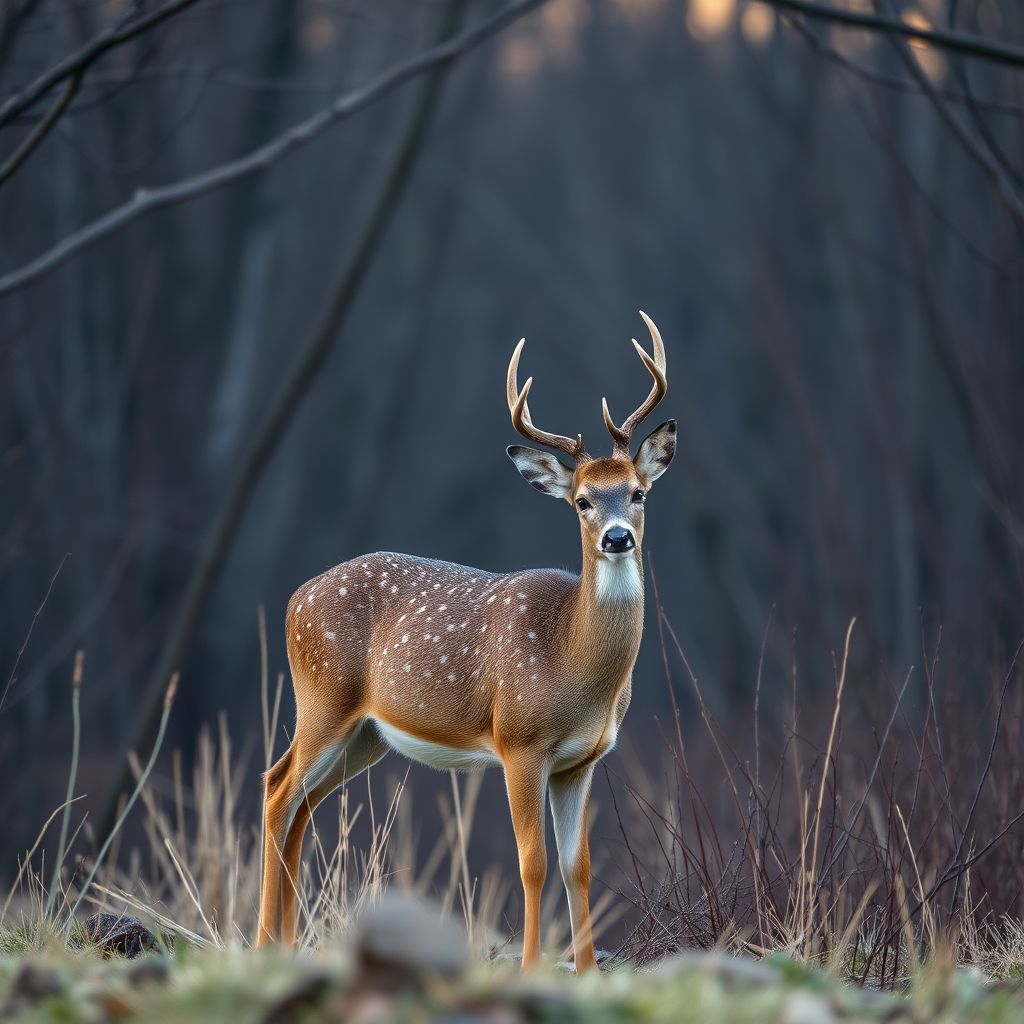
Yes, you can use a drone to recover deer in Indiana, provided you adhere to local regulations and guidelines. Drones can significantly enhance the efficiency of locating downed deer, particularly in dense woods or challenging terrains where visibility is limited. The advent of drone technology in hunting has opened new avenues for wildlife recovery, making it imperative for hunters to understand the legal framework, benefits, and best practices associated with drone usage in deer recovery.
Understanding Indiana’s Regulations
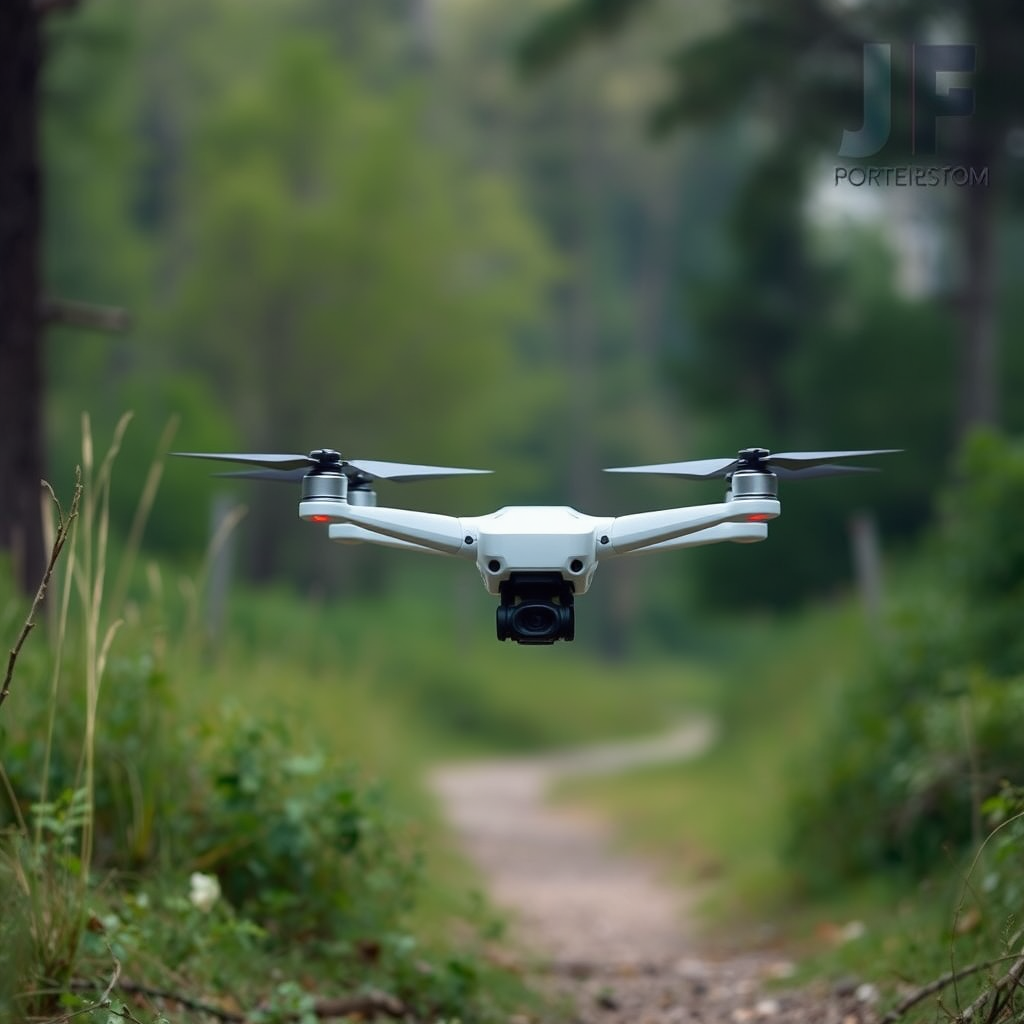
In Indiana, the use of drones for hunting and wildlife recovery is governed by both state laws and federal regulations set forth by the Federal Aviation Administration (FAA). Hunters must familiarize themselves with these regulations to ensure compliance. For instance, Indiana law prohibits the use of drones for the purpose of hunting animals directly, but they can be utilized for tracking downed deer, provided that their use does not interfere with active hunting. Hunters should also be aware of the legal altitude limits, which typically require drones to be flown below 400 feet in most areas.
Furthermore, ethical considerations play a vital role in drone usage. Hunters must ensure that their drone operations do not disrupt other wildlife or the hunting experience of fellow hunters. For example, if a drone is deployed in a crowded hunting area, it may cause unnecessary disturbances. Therefore, it is essential to use drones responsibly and in a manner that aligns with both legal standards and ethical hunting practices.
Benefits of Using Drones for Deer Recovery
The advantages of employing drones for deer recovery are manifold. One of the most notable benefits is the ability to cover large areas in a fraction of the time it would take a human search party. Traditional search methods may require hours of painstaking effort, while drones can scan extensive territories quickly and effectively. This efficiency is particularly beneficial in Indiana’s diverse landscapes, including thick forests and hilly terrains where deer may hide.
Additionally, many modern drones are equipped with thermal imaging cameras, which can detect heat signatures from downed deer, even in low visibility conditions or dense cover. This technology is invaluable, especially during the early morning or late evening when deer are most active. For instance, a hunter utilizing a thermal drone after a shot can pinpoint the location of a deer that may not have moved far from the site of the impact, reducing the time spent searching and increasing the likelihood of recovery.
Choosing the Right Drone for Deer Recovery
Selecting the appropriate drone for deer recovery is crucial for maximizing effectiveness. When choosing a drone, hunters should prioritize models that offer high-resolution cameras to capture clear images, as well as thermal capabilities for locating hidden deer. Drones such as the DJI Mavic 2 Enterprise Dual or the Autel EVO Lite+ are excellent options, as they combine advanced imaging technology with user-friendly controls.
Battery life and range are also vital factors to consider. A drone that can operate for at least 25-30 minutes on a single charge and has a range of several miles will allow hunters to cover more ground without the need for frequent recharges or returns to the launch point. Furthermore, hunters should ensure that they are familiar with their drone’s operational limits and capabilities to ensure a smooth recovery process.
Best Practices for Drone Use in Deer Recovery
To maximize the effectiveness and safety of drone usage in deer recovery, hunters should adhere to best practices. First and foremost, it is essential to fly the drone within legal altitude limits, typically below 400 feet, and avoid flying over populated areas to minimize risks of accidents and disturbances. Maintaining a visual line of sight with the drone is also crucial for safe operation and compliance with FAA regulations.
Additionally, hunters should plan their flights strategically. Prior to deployment, it may be beneficial to survey the area and determine potential hotspots where deer are likely to be found. Using the drone in conjunction with knowledge of deer behavior can significantly enhance the chances of a successful recovery. For example, flying the drone along trails or near food sources can yield better results than randomly scanning the landscape.
Ethical Considerations in Drone Use
While drones offer significant advantages in deer recovery, ethical considerations cannot be overlooked. The use of drones can impact wildlife and other hunters in the area, so it is imperative to approach this technology with respect and responsibility. Hunters should consider how drone flights may affect not only the deer population but also other wildlife and the hunting experience for fellow enthusiasts.
Maintaining the integrity of the hunting experience is vital. Drones should not be used in a manner that gives hunters an unfair advantage or disrupts the natural behavior of wildlife. For instance, using a drone to locate deer during the active hunting season may lead to ethical dilemmas, as it could disturb other hunters in the vicinity. Thus, it is essential to balance the technological benefits of drones with a commitment to ethical hunting practices.
Tips for Successful Deer Recovery with Drones
To ensure successful deer recovery with drones, hunters should take several preparatory steps. First, familiarize yourself with the drone controls and features well before the hunting season. Practicing flying in various conditions—such as windy weather or low-light scenarios—can help improve your skills and confidence.
Additionally, consider developing a flight plan that outlines the areas you intend to search. This plan can help streamline the recovery process and ensure comprehensive coverage of the hunting area. For example, using the drone’s mapping capabilities to mark areas where deer are likely to be found can save valuable time during an actual recovery attempt.
Finally, always have a backup plan in case the drone encounters technical issues. Carrying extra batteries and having a secondary recovery method in mind can ensure that you are prepared for any eventuality.
In conclusion, using a drone to recover deer in Indiana is a viable option that can enhance your hunting experience, provided that you follow local regulations and best practices. By understanding the legal landscape, considering ethical implications, and employing effective strategies, hunters can responsibly utilize drone technology for successful deer recovery. Embracing this innovative approach not only aids in responsible hunting but also enriches the overall outdoor experience.
Frequently Asked Questions
Can you legally use a drone to recover deer in Indiana?
Yes, you can legally use a drone to recover deer in Indiana, but there are specific regulations that hunters must follow. According to Indiana law, drones can be used for tracking wounded deer as long as they are not used to aid in the hunt or to disturb wildlife. It’s essential for hunters to familiarize themselves with both state laws and local regulations to ensure they are compliant when utilizing drones for deer recovery.
What are the benefits of using a drone for deer recovery?
Using a drone for deer recovery offers several advantages, such as increased visibility and the ability to cover large areas quickly. Drones equipped with thermal imaging can help locate deer that might be hidden in dense cover, making recovery efforts more efficient. Additionally, using a drone can reduce the stress on the animal and minimize the disturbance to the surrounding environment.
How do I choose the best drone for recovering deer?
When selecting the best drone for deer recovery, consider features such as camera quality, flight time, and range. A drone with a high-resolution camera and thermal imaging capabilities is ideal for spotting deer in challenging terrains. Additionally, look for drones with a long battery life and a robust range to ensure you can cover the necessary distances during your recovery efforts.
Why should I consider using a drone instead of traditional tracking methods for deer recovery?
Drones provide several advantages over traditional tracking methods for deer recovery, including speed and efficiency. While ground tracking can be labor-intensive and time-consuming, a drone allows hunters to quickly survey large areas from above, potentially locating the deer in a fraction of the time. Furthermore, drones can minimize human disturbance in the area, which can help in keeping the deer from moving further away.
Which regulations should I be aware of when using a drone for deer recovery in Indiana?
When using a drone for deer recovery in Indiana, hunters should be aware of regulations set by the Indiana Department of Natural Resources. These include restrictions on flying drones over designated hunting areas, maintaining a line of sight with the drone at all times, and ensuring that the drone is not used to hunt or harass wildlife. It’s crucial to stay updated on any changes to these regulations to avoid penalties and ensure ethical hunting practices.
References
- https://www.in.gov/dnr/fishwild/learn/drones-in-hunting/
- https://www.indystar.com/story/news/2021/10/18/using-drones-hunt-deer-indiana/8480314002/
- https://www.wisconsin.gov/Pages/Newsroom/News.aspx?Item=2265
- https://www.nraila.org/articles/20220404/drones-in-hunting-a-new-tool-in-the-woods
- https://www.indianaoutdoornews.com/2021/10/25/drones-in-hunting-a-new-tool-or-a-cheat/
