
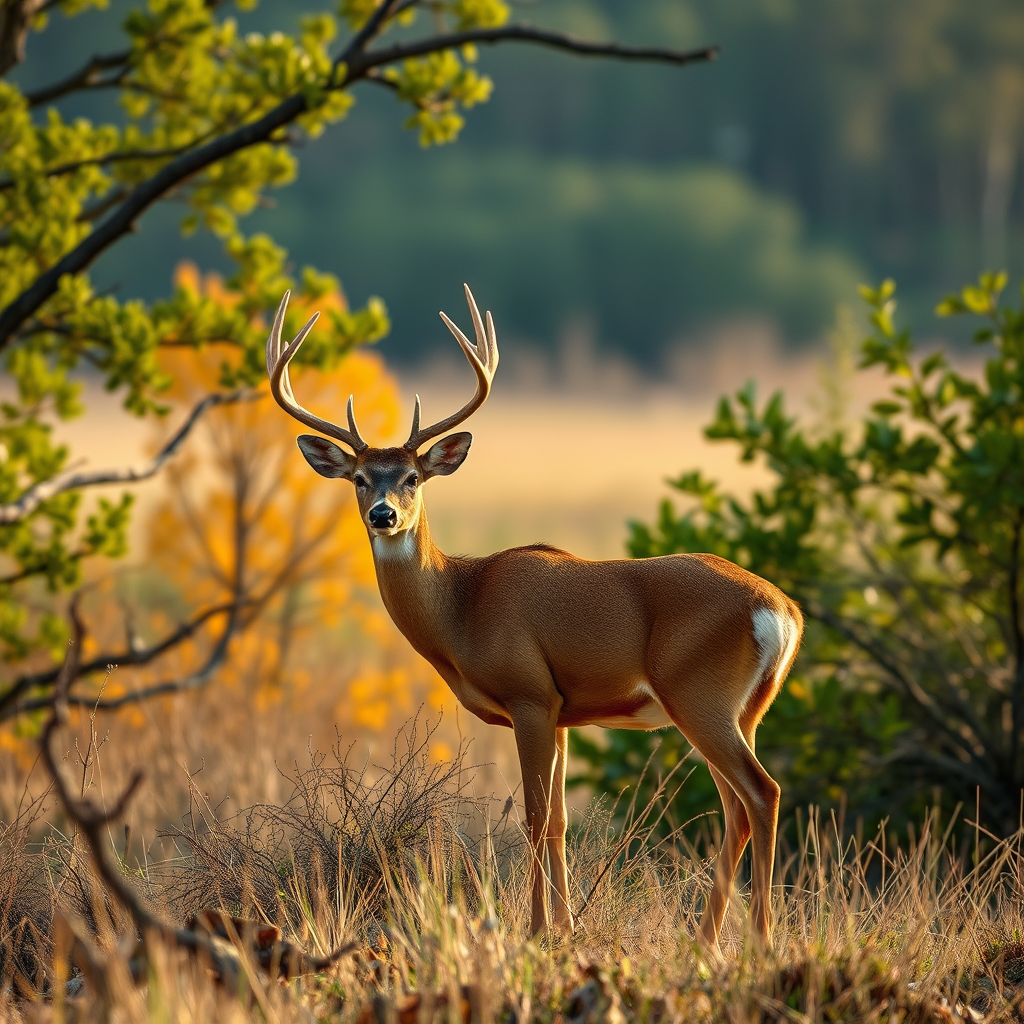
Yes, you can use a drone to recover deer in Missouri, as long as you follow state regulations and guidelines. Drones can serve as an invaluable tool for tracking and locating deer, especially in areas with dense vegetation or challenging terrain that may hinder traditional recovery methods. In this article, we will delve into the legal considerations governing drone use, the practical benefits they offer for deer recovery, how to select the appropriate drone, best practices for field operation, effective recovery tips, and important safety and ethical considerations.
Legal Considerations for Drone Use in Missouri
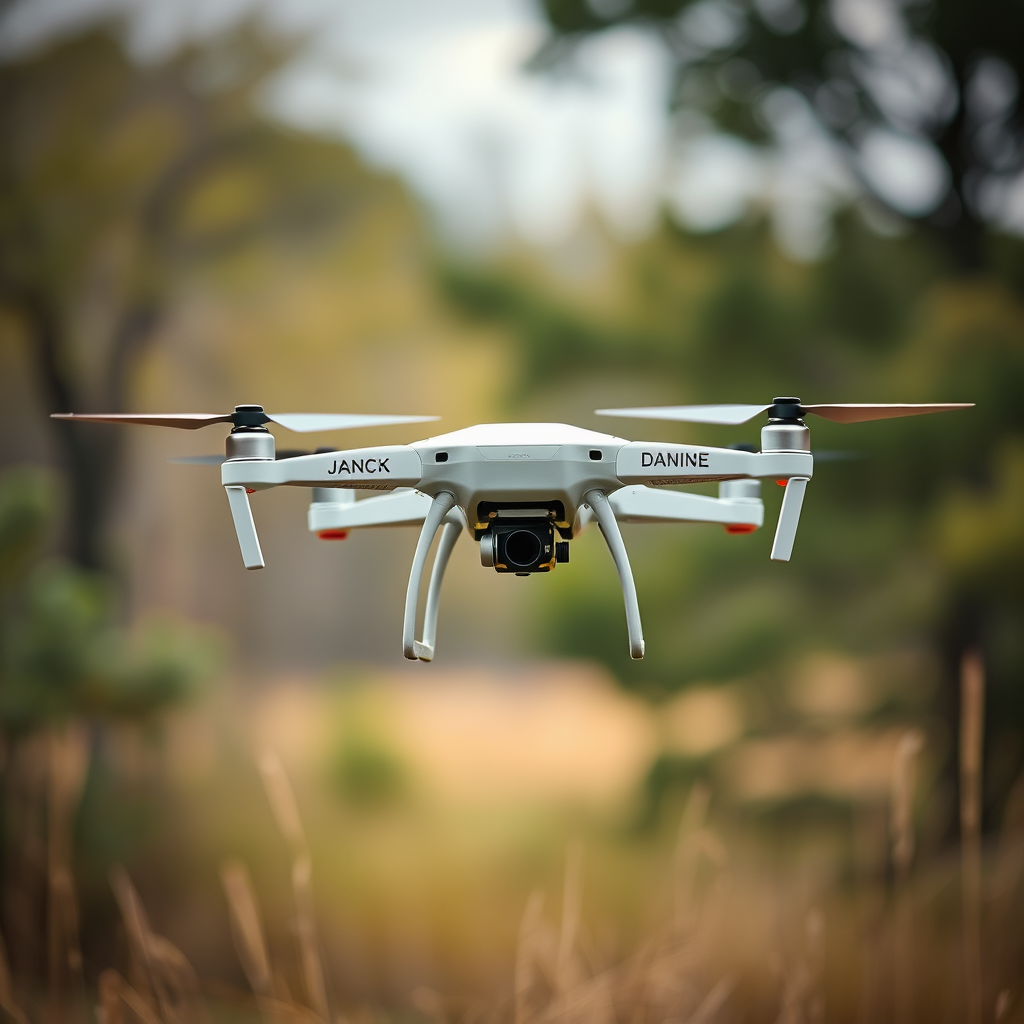
When employing drones in Missouri for deer recovery, it is imperative to familiarize yourself with relevant wildlife regulations. The Missouri Department of Conservation (MDC) has established guidelines that govern the use of drones, particularly concerning hunting activities. For instance, using drones to harass wildlife is strictly prohibited. Therefore, hunters must ensure their drone operations do not interfere with the natural behavior of deer or other wildlife.
In addition to state regulations, it’s wise to check local ordinances that may affect drone operation. Some municipalities have specific rules regarding drone flights, including restrictions on where drones can be flown and when. Understanding these nuances can prevent legal complications and ensure that your drone use is compliant with local laws.
Furthermore, familiarize yourself with the Federal Aviation Administration (FAA) regulations that govern drone flights nationwide. This includes ensuring that your drone is registered if it weighs more than 0.55 pounds and adhering to rules regarding maximum altitude, no-fly zones, and the necessity of maintaining visual line of sight. Compliance with these regulations is essential for safe and legal drone operation.
Benefits of Using Drones for Deer Recovery
Drones offer several advantages when it comes to deer recovery. One of the most significant benefits is the aerial perspective they provide, allowing hunters to cover vast areas quickly and efficiently. This capability is particularly beneficial in dense woods or mountainous regions where deer may be difficult to locate from the ground.
Additionally, utilizing drones minimizes human disturbance in sensitive habitats. Traditional recovery efforts can lead to increased stress for wildlife, potentially causing deer to flee from their natural habitat. Drones, operating from above, can track deer movements with minimal intrusion, allowing hunters to gather necessary information without disturbing the environment.
Moreover, drones equipped with high-resolution cameras and thermal imaging technology can significantly enhance recovery efforts. Thermal imaging can detect body heat, making it easier to locate a deer that may be hiding or lying down out of sight. This advanced technology not only improves recovery rates but can also save hunters valuable time and effort.
Choosing the Right Drone for Deer Recovery
When selecting a drone for deer recovery, several factors should be considered to ensure optimal performance in the field. First, look for drones with long battery life and sufficient range to cover your hunting areas effectively. A drone that can operate for at least 20-30 minutes per flight is recommended, as this provides ample time to scout a significant area before needing to land for a recharge.
Additionally, consider drones that come equipped with high-resolution cameras or thermal imaging capabilities. These features are essential for enhancing visibility and improving the chances of recovering deer in challenging conditions. For example, the DJI Mavic 2 Enterprise Dual is a popular choice among hunters due to its thermal imaging and 4K video capabilities.
Also, ensure the drone is lightweight and easy to maneuver, especially if you plan to operate it in rugged terrains. Compact models with foldable designs are particularly beneficial for hunters who need to transport their equipment over long distances.
Best Practices for Operating Drones in the Field
To maximize the effectiveness of your drone during deer recovery, it’s essential to adhere to best practices for operation. Always maintain a visual line of sight with the drone to ensure control and compliance with FAA regulations. This practice not only enhances safety but also facilitates better decision-making while flying the drone.
Avoid flying in adverse weather conditions, such as strong winds or rain, which can hinder the drone’s performance and decrease the quality of imagery captured. Conduct thorough pre-flight checks to ensure the drone is in optimal working condition before every use.
Respect the privacy of landowners by obtaining necessary permissions before flying your drone over private property. This not only demonstrates ethical hunting practices but also fosters good relationships with the local community.
Tips for Effective Deer Recovery Using Drones
To improve your chances of successfully recovering deer with a drone, consider planning your flight path in advance. Identify areas that deer frequent or where they may be likely to rest based on knowledge of their habits. Using the drone to scout these areas strategically can enhance the efficiency of your search.
Additionally, utilize the drone to scout frequently and adapt your search strategies based on your findings. For instance, if you notice deer congregating in a specific area during one flight, focus your recovery efforts there in subsequent attempts. Documenting your recovery process is also beneficial, as it allows you to refine your techniques for future hunts and improve your overall success rate.
Implementing a systematic approach to drone use during deer recovery can significantly enhance your effectiveness. Engaging in continuous learning and adapting to new technologies will ensure you stay ahead in your hunting endeavors.
Safety and Ethical Considerations
Safety should always be a priority when operating drones in the field. Adhere to operational guidelines set forth by the FAA and local authorities to ensure safe flight operations. This includes being mindful of your surroundings, avoiding populated areas, and being aware of other wildlife.
It is also crucial to consider how drone use impacts wildlife behavior and habitat. While drones can aid in recovery efforts, overuse or improper operation can disturb wildlife and disrupt their natural behaviors. Ethical hunting practices should always be promoted, emphasizing respect for the animals and their environment.
By understanding and implementing responsible drone use in the field, hunters can leverage technology to enhance their recovery efforts without compromising their ethical standards or the well-being of wildlife.
In conclusion, utilizing drones for deer recovery in Missouri is not only feasible but can significantly enhance the efficiency and effectiveness of the process. By adhering to regulations, choosing the right equipment, and employing best practices, hunters can responsibly integrate drone technology into their recovery efforts. As drone technology continues to evolve, staying informed and prepared will ensure that these tools are used effectively and ethically. If you are considering using a drone for deer recovery, invest time in research and preparation to set yourself up for a successful hunting experience.
Frequently Asked Questions
Can you legally use a drone to recover deer in Missouri?
Yes, you can legally use a drone to recover deer in Missouri, as long as you adhere to the regulations set by the Missouri Department of Conservation. It’s important to note that using drones for hunting or to aid in the hunting process is prohibited, but utilizing them for tracking down a wounded deer is allowed. Always check the latest regulations to ensure compliance.
What are the benefits of using a drone for deer recovery in Missouri?
Using a drone for deer recovery in Missouri offers several benefits, including enhanced visibility over large areas, the ability to cover difficult terrain quickly, and the potential to locate deer that may have traveled far after being shot. Drones equipped with thermal imaging can also help identify heat signatures, making it easier to find injured or downed deer, especially during low-light conditions.
How can I effectively use a drone to find a wounded deer in Missouri?
To effectively use a drone for deer recovery, start by scouting the area where you shot the deer, noting any signs such as blood trails or disturbed vegetation. Fly the drone at a low altitude to get a closer view of the ground, and consider using thermal imaging if available, as it can help detect the body heat of a wounded deer. Maintain a respectful distance from other hunters and wildlife, and ensure you have permission to fly in the area.
What type of drone is best for recovering deer in Missouri?
The best type of drone for recovering deer in Missouri is one equipped with a high-resolution camera and, ideally, thermal imaging capabilities. Drones like the DJI Mavic 2 Enterprise or the Parrot Anafi Thermal offer excellent flight times, stability, and camera quality, making them suitable for tracking down deer in various conditions. When selecting a drone, consider factors such as battery life, range, and ease of use.
Why should I consider using a drone for deer recovery instead of traditional methods?
Utilizing a drone for deer recovery can save time and reduce stress during the tracking process. Traditional methods often involve extensive ground searches, which can be exhausting and time-consuming, especially in difficult terrain. Drones provide a bird’s-eye view, enabling hunters to locate deer more efficiently and potentially recover their game sooner, minimizing suffering for the animal.
References
- https://www.mdpi.com/2504-446X/4/1/1
- https://www.wildlife.state.mo.us/media/pdf/2021-2022%20hunting%20guide.pdf
- https://www.nrahlf.org/articles/using-drones-for-hunting/
- https://www.mdc.mo.gov/discover-nature/hands-on/using-drones-hunting
- https://www.whitetailhabitatsolutions.com/drones-for-deer-recovery/
- https://www.usda.gov/media/blog/2017/04/05/drone-technology-hunting-deer
- https://www.ncbi.nlm.nih.gov/pmc/articles/PMC7563174/
- https://www.dronesurveyor.com/using-drones-for-deer-recovery/
