
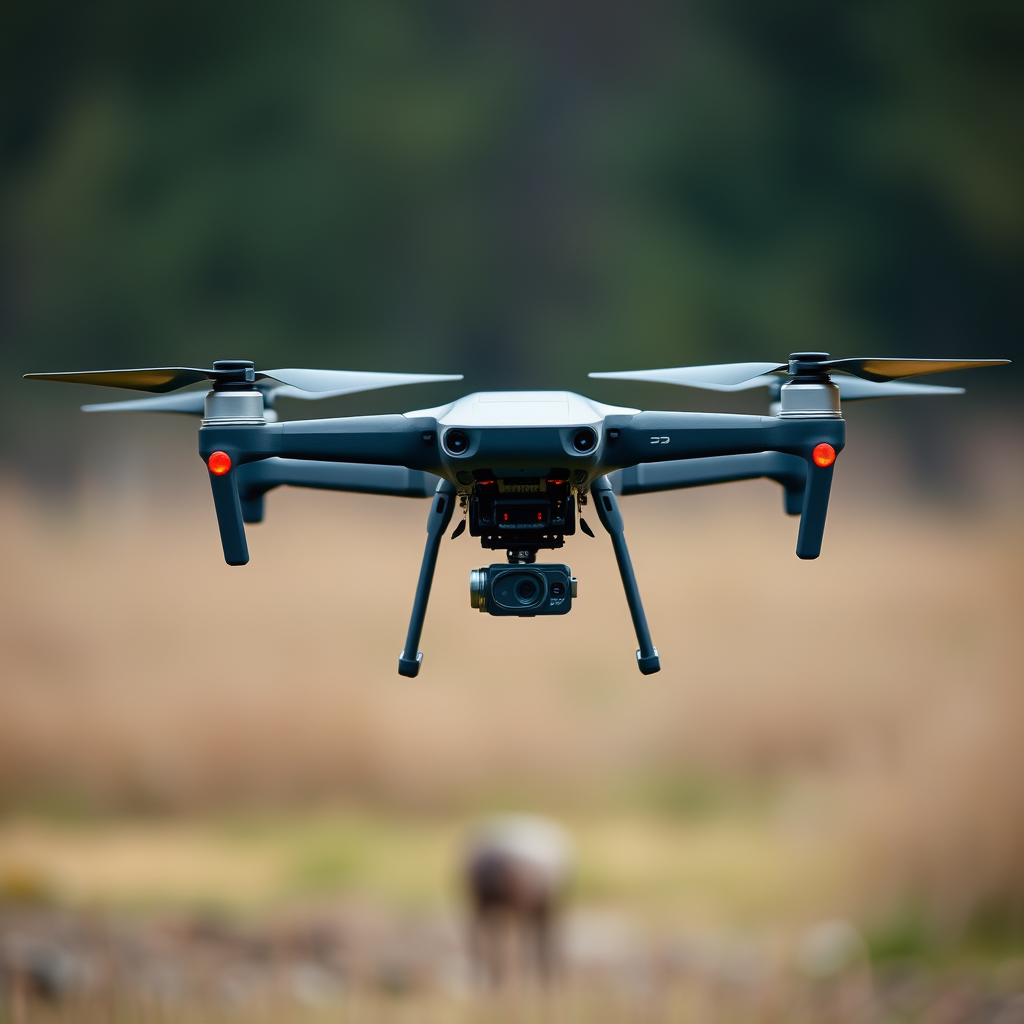
Yes, you can use a drone to track deer, and it has become an increasingly popular method among hunters and wildlife enthusiasts. Drones provide a unique aerial perspective that enhances tracking efforts, enabling users to locate deer in challenging terrains and monitor their movements with unprecedented accuracy. However, utilizing drones for this purpose comes with important considerations, including legal regulations, ethical concerns, and best practices that all users should be aware of to ensure a responsible and effective tracking experience.
Understanding Drone Technology for Tracking
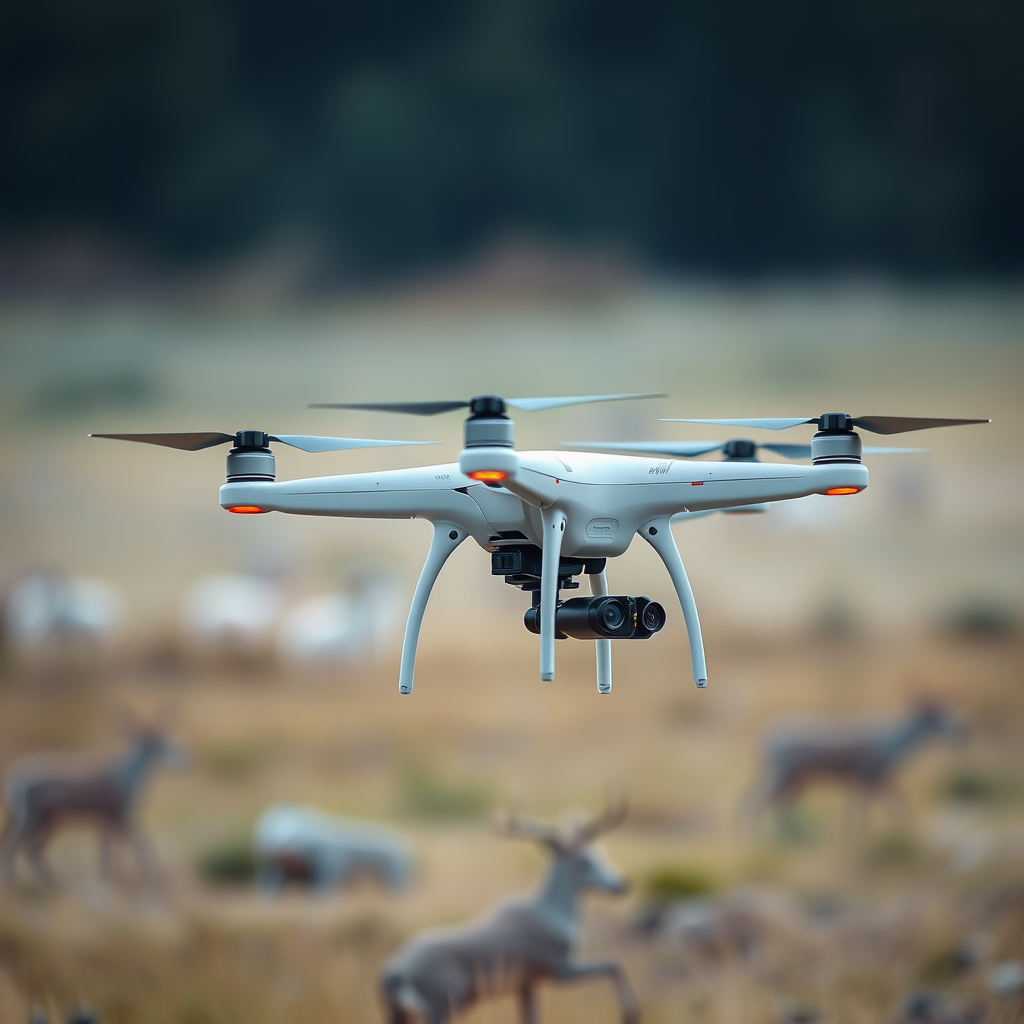
Drones equipped with advanced technology can vastly improve the efficiency of deer tracking. One of the most significant advancements is the incorporation of thermal imaging cameras. These cameras allow users to detect deer even in dense forest cover or during low-light conditions, significantly improving the odds of locating them. For instance, thermal drones can pick up the body heat of deer, making them visible against cooler backgrounds, which is especially useful during dawn or dusk when deer are most active.
Additionally, drones with GPS capabilities facilitate the mapping of deer movements and behavior patterns. By collecting data on where deer are located, hunters can analyze this information to identify travel routes, feeding grounds, and bedding areas. This data can be crucial for planning future hunting trips, as it allows hunters to strategize based on the observed patterns rather than relying solely on instinct or traditional tracking methods.
Legal Considerations for Drone Use
Before deploying a drone for tracking deer, it is imperative to understand the legal landscape surrounding drone usage in your area. Regulations regarding the use of drones for hunting purposes vary significantly by state and even by local jurisdiction. Many states have specific laws that prohibit the use of drones to locate or track wildlife during hunting seasons, as this could provide an unfair advantage to hunters and disrupt wildlife behavior.
For example, states like California and New York have strict regulations that limit drone use in hunting activities, while others may permit it with certain restrictions. To avoid fines or penalties, hunters should conduct thorough research into local laws and regulations. Resources such as state wildlife agency websites or local hunting organizations can provide valuable guidance on what is permissible in your area.
Best Practices for Using Drones
When using drones to track deer, adhering to best practices is essential for both legal compliance and wildlife welfare. Firstly, maintaining a visual line of sight with the drone is crucial. Not only is this often a legal requirement, but it also ensures that the operator can effectively control the drone and avoid potential collisions with obstacles such as trees or power lines.
Moreover, it is vital to use drones responsibly to minimize disturbance to wildlife. This means avoiding excessive noise or aggressive flying that could stress the deer. Ideally, drone flights should be conducted at higher altitudes and away from known deer habitats during sensitive times, such as during the rut or fawning season, to reduce the impact on their natural behaviors.
Types of Drones Suitable for Tracking Deer
Selecting the right type of drone is critical for effective deer tracking. Multirotor drones, such as quadcopters, are popular for their stability and ease of maneuverability. These drones can hover in place and allow for detailed observation of specific areas, making them suitable for scouting.
Conversely, fixed-wing drones provide advantages in covering larger areas efficiently and typically have longer flight times compared to multirotor models. They are ideal for mapping extensive hunting grounds or monitoring large deer populations over time. When selecting a drone, consider the specific terrain and conditions of your hunting area, as well as the features that best suit your tracking needs.
Tips for Effective Deer Tracking with Drones
To maximize the effectiveness of drone tracking, hunters should adhere to several practical tips. First, it is crucial to fly at optimal heights. Operating the drone at a height of 100 to 400 feet is generally recommended to avoid disturbing deer while still capturing valuable data. This altitude allows for a broader view of the landscape while minimizing noise levels that could scare the animals.
Additionally, planning flights around deer feeding and movement patterns can yield better results. Understanding the time of day when deer are most active—typically early in the morning and late in the evening—can help in scheduling drone flights to coincide with these key periods. Not only will this increase the likelihood of spotting deer, but it will also provide more data on their behavior.
Potential Challenges and Limitations
While drones offer significant advantages for tracking deer, there are challenges and limitations to consider. Weather conditions can profoundly affect drone performance; rain, snow, and high winds can limit visibility and flying capabilities. For instance, flying a drone in windy conditions can make it difficult to maintain stability, leading to potential crashes or loss of control.
Moreover, the noise generated by drones can easily spook deer, making tracking efforts counterproductive. Even if the drone is operated at a distance, the sound can carry through the woods, causing deer to flee or alter their natural movements. Hunters should take these factors into account and choose optimal weather conditions for drone flights.
Ethical Considerations in Tracking Deer with Drones
Ethics play a vital role in the responsible use of drones for tracking wildlife. Respecting the animals and their habitats is paramount. Excessive harassment can lead to increased stress for deer, which can have long-term effects on their health and behaviors, including altered feeding patterns and displacement from their natural habitats.
Hunters should also consider the potential impact of their drone use on deer behavior. It is essential to operate drones in a manner that does not disrupt natural activities, particularly during sensitive times such as the breeding season. Ethical tracking involves balancing the advantages gained from drone technology with a commitment to wildlife conservation and respect for the animals being tracked.
Using drones to track deer can be an effective tool when done ethically and legally. By understanding drone technology, adhering to legal regulations, implementing best practices, and considering the ethical implications, hunters can enhance their tracking efforts while promoting responsible wildlife management. As technology evolves, staying informed about regulations and best practices will ensure a responsible and successful tracking experience, benefiting both hunters and wildlife enthusiasts alike.
Frequently Asked Questions
Can you use a drone to track deer effectively?
Yes, you can use a drone to track deer, and it can be an effective tool for monitoring their movements and behavior. Drones equipped with high-resolution cameras can provide aerial views of large hunting areas, allowing hunters to spot deer from a distance without disturbing them. However, it’s important to consider local regulations regarding drone usage, as some areas may have restrictions on flying drones for hunting purposes.
What are the benefits of using a drone for deer hunting?
The benefits of using a drone for deer hunting include enhanced visibility of the terrain, the ability to scout for deer without leaving scent trails, and real-time data collection on deer movements. Drones can cover vast areas quickly, helping hunters identify feeding areas, bedding sites, and potential hunting spots. Additionally, drones can help in tracking wounded deer, improving recovery rates.
How do I choose the best drone for tracking deer?
When choosing the best drone for tracking deer, consider factors such as camera quality, flight time, and range. Look for drones with at least 4K resolution cameras for clear imagery and those with a flight time of 20-30 minutes to ensure sufficient coverage. Additionally, drones with GPS capabilities and obstacle avoidance features can enhance your tracking experience and ensure safe flights in varied terrains.
Are there any legal restrictions on using drones to track deer?
Yes, there are legal restrictions on using drones to track deer, which vary by state and country. Many jurisdictions prohibit the use of drones for hunting or scouting during hunting seasons, as it may give hunters an unfair advantage. It’s crucial to check local wildlife regulations and drone laws to ensure compliance and avoid potential fines or penalties.
Why should hunters consider using drones for deer scouting?
Hunters should consider using drones for deer scouting because they offer a modern, efficient way to gather information about deer populations and their habitats. Drones can help hunters identify patterns in deer movement, locate food sources, and assess the overall health of the herd without the intrusion that ground scouting might cause. This technology can ultimately lead to more successful hunts and a better understanding of the deer ecosystem.
References
- https://www.nass.usda.gov/Newsroom/2021/05_20_2021.php
- https://www.abc.net.au/news/2021-10-29/drone-use-in-hunting-ethics-and-legislation/100581404
- https://www.nytimes.com/2021/10/11/science/drones-hunting.html
- https://www.michigan.gov/dnr/0,4570,7-350-79119_79153_82673—,00.html
- https://www.researchgate.net/publication/327196735_Using_drones_for_hunting_and_management_of_wildlife
- https://www.wisconsinwatch.org/2021/10/02/drone-use-in-hunting-raises-ethical-questions/
- https://www.sciencedirect.com/science/article/pii/S2351978921001840
- https://www.fws.gov/news/ShowNews.cfm?ID=5FD9C7D4-FA7F-5C6D-5D3B0955E1D311C0
