
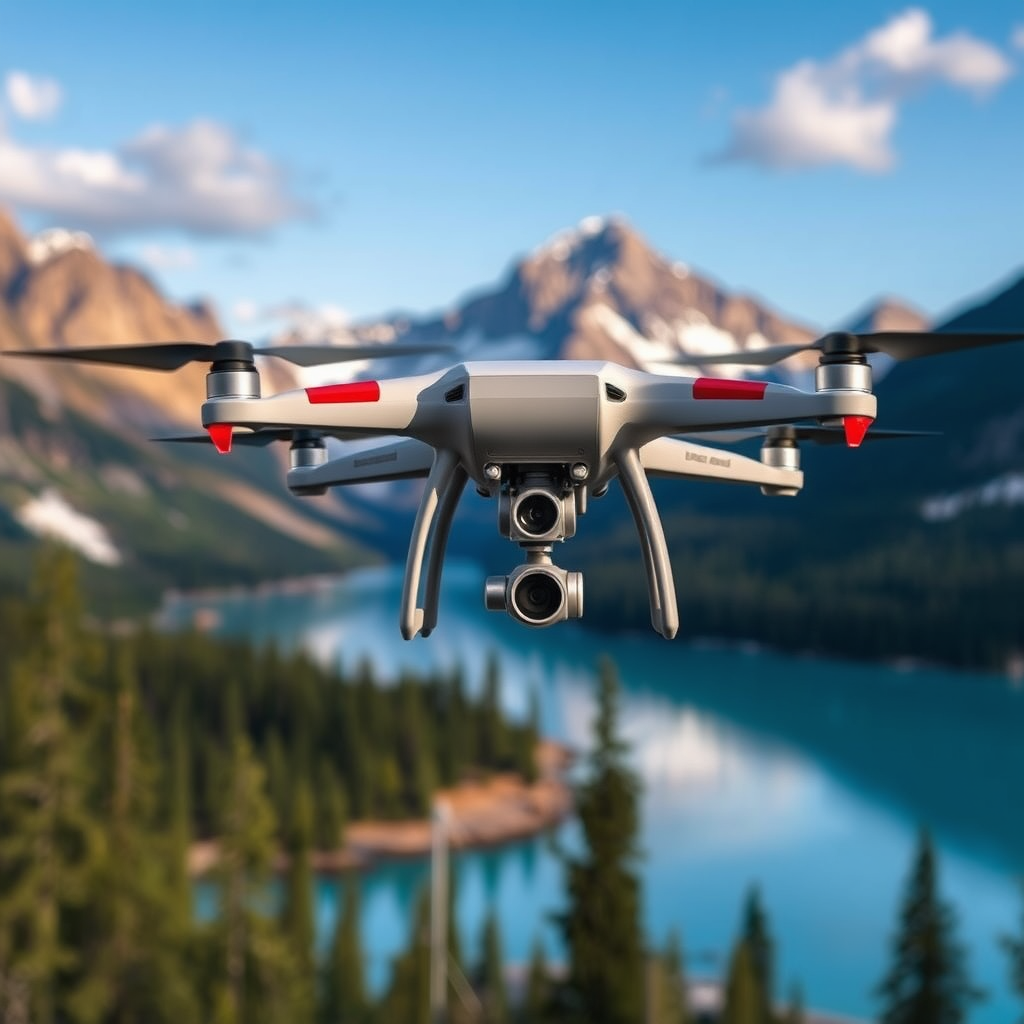
Yes, you can use drones in Banff National Park, but there are strict regulations that you must follow. Understanding these guidelines is essential to ensure you are compliant with park rules and to protect the natural environment. As one of Canada’s most stunning natural landscapes, Banff National Park attracts millions of visitors each year, and while the use of drones can enhance the experience by capturing breathtaking aerial views, it’s imperative to navigate the regulations carefully to avoid penalties and harm to wildlife.
Overview of Drone Regulations in Banff
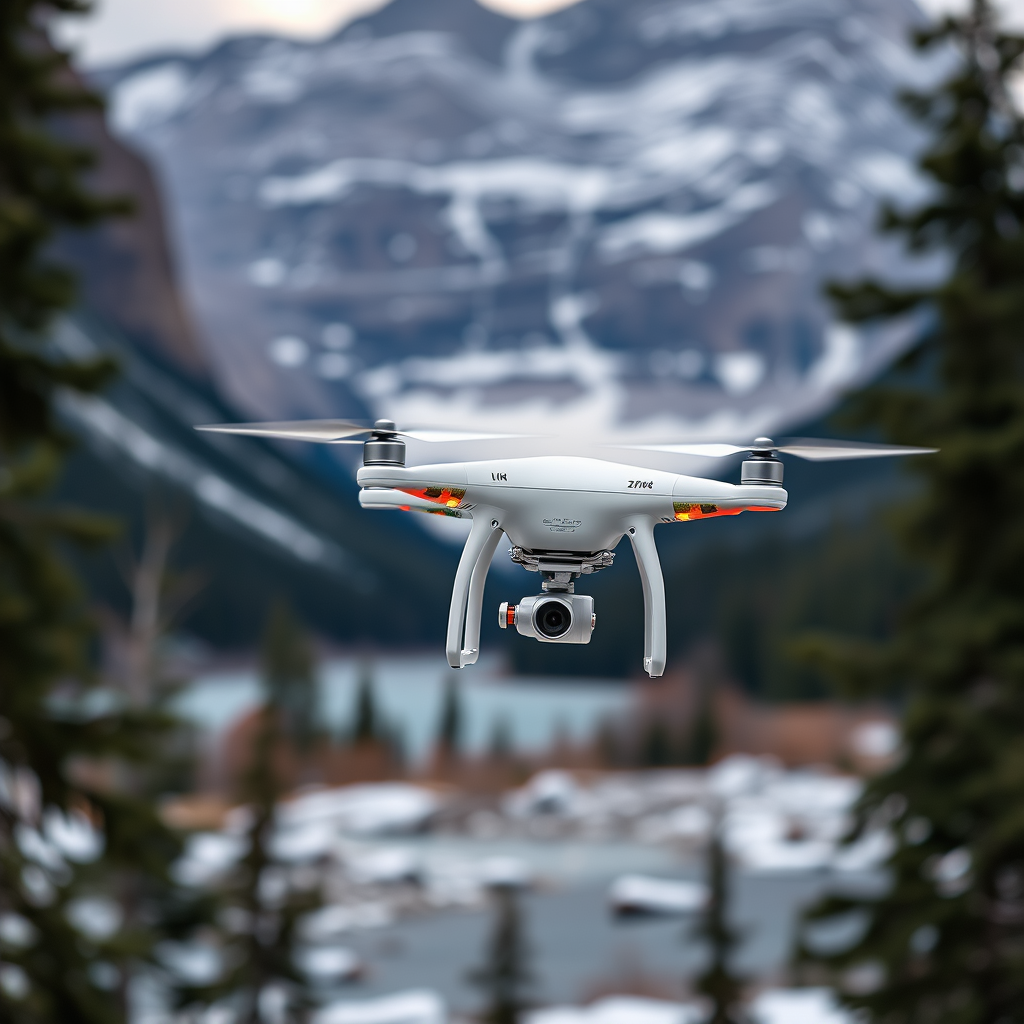
Drones are prohibited in most areas of Banff National Park due to the delicate nature of the ecosystem and the park’s commitment to preserving wildlife habitats. The Canadian government, along with Parks Canada, has established these regulations to mitigate disturbances that drones can cause to animals and their environments. For instance, areas that are home to nesting birds or other sensitive species are strictly off-limits to drone operators.
If you are considering using a drone for commercial purposes, you will need to apply for specific permits. The application process can be extensive, requiring detailed plans on how you intend to use the drone, where you plan to operate it, and how you will ensure compliance with regulations. Even for recreational use, being aware of the guidelines is crucial, as violations can result in fines or confiscation of equipment.
Areas Where Drones Are Allowed
While the majority of Banff National Park restricts drone use, there are limited designated areas that may allow for drone operation. However, these areas are often located away from popular tourist attractions and scenic viewpoints. For example, certain zones in the less-visited backcountry may be more lenient concerning drone usage, but, again, this is contingent upon current regulations.
To ensure compliance, it is essential to check the latest park maps and regulations before planning your visit. Parks Canada regularly updates drone policies, and these can change based on environmental assessments, wildlife activity, or public safety concerns. By staying informed, you can avoid unintentional violations and make the most out of your drone experience in the park.
Wildlife Considerations
One of the primary reasons for the strict drone regulations in Banff National Park is the impact that drones can have on wildlife. The noise from drones can disturb animals, leading to stress and changes in their natural behavior. For example, nesting birds may abandon their eggs if they feel threatened, while large mammals like elk and bears may flee from areas they typically inhabit.
The park is home to a diverse array of species, many of which are vulnerable or endangered. Regulations are put in place to protect crucial animal nesting and feeding areas, emphasizing the importance of remaining informed and respectful of wildlife. If you’re planning to use a drone, consider the time of year and the specific areas you will be operating in. Avoid areas that are known breeding grounds or habitats for sensitive species, particularly during their peak activity periods.
Safety and Privacy Concerns
Using drones in crowded areas poses significant safety risks, both to visitors and wildlife. A malfunctioning drone can result in injuries, while erratic flying can disturb not only animals but also fellow park-goers. When operating a drone, it is essential to maintain a safe distance from people and avoid flying over crowded areas.
Additionally, privacy concerns must be taken into account. It is important to respect the privacy of other visitors and avoid capturing images or videos of individuals without their consent. By being mindful of these considerations, drone operators can foster a safer and more enjoyable environment for everyone in the park.
Obtaining Permissions and Permits
Before flying your drone in Banff National Park, it is vital to research the necessary permits required for your intended use. For recreational users, this may often mean simply adhering to the established regulations, but for commercial users, obtaining a Special Use Permit is mandatory. This process involves submitting an application to Parks Canada, which will outline your intended activities, safety measures, and how you will adhere to environmental guidelines.
Contacting the park administration directly can provide you with specific guidelines and resources for navigating the application process. They can offer insights into the current regulations and help clarify what documentation you may need to submit. Ensuring that you have the appropriate permissions not only protects you legally but also contributes to the park’s stewardship efforts.
Responsible Drone Usage
When operating a drone in Banff National Park, it is crucial to follow best practices to ensure responsible usage. Always fly your drone within visual line-of-sight and maintain an altitude of under 400 feet. These guidelines help minimize disturbances to wildlife and other visitors while enhancing safety.
Additionally, familiarize yourself with local laws and regulations governing drone operation. This includes understanding airspace restrictions and any temporary flight restrictions that may be in place due to wildlife activity or other safety concerns. By adhering to these practices and remaining aware of your surroundings, you contribute to a safer and more respectful drone flying experience.
In conclusion, while using drones in Banff National Park is possible, it requires careful adherence to regulations and respect for wildlife and fellow visitors. Understanding the guidelines surrounding drone usage, being aware of wildlife considerations, and obtaining the necessary permits are crucial steps for a responsible experience. By staying informed and planning ahead, you can ensure that your drone operations enhance your experience in this remarkable natural landscape while preserving its integrity for future generations.
Frequently Asked Questions
Can you fly drones in Banff National Park?
No, flying drones in Banff National Park is generally prohibited without a special permit. The park’s regulations aim to protect wildlife and the natural environment, minimizing human impact on these sensitive ecosystems. If you’re considering using a drone for recreational or commercial purposes, it’s essential to check the specific guidelines on the Parks Canada website or contact their office for potential permits.
What are the penalties for flying a drone in Banff National Park without permission?
Operating a drone without permission in Banff National Park can result in significant penalties, including hefty fines that can reach up to $25,000. Additionally, you may face confiscation of your drone and potential criminal charges under the National Parks Act. It’s crucial to adhere to the regulations to avoid these consequences and respect the park’s natural beauty.
Why are drones not allowed in Banff National Park?
Drones are not allowed in Banff National Park primarily to protect wildlife and ensure visitor safety. The noise and disturbance from drones can disrupt animals, particularly during sensitive breeding seasons. Furthermore, the presence of drones can detract from the natural experience that visitors seek in such pristine environments.
How can I get a permit to use a drone in Banff National Park?
To obtain a permit for flying a drone in Banff National Park, you must submit an application to Parks Canada. This application should detail the purpose of your drone use, including safety measures and how you plan to minimize environmental impact. It’s advisable to start this process well in advance, as permits can take time to process and are not guaranteed to be approved.
What are some alternatives to using a drone for photography in Banff National Park?
If you can’t use a drone for photography in Banff National Park, consider alternatives such as using a high-quality camera with a zoom lens or a panoramic tripod setup. You can also explore viewpoints and hiking trails that provide stunning natural vistas without the need for aerial shots. Engaging with local photography workshops can also enhance your skills and help you capture the park’s beauty from ground level.
References
- https://www.pc.gc.ca/en/pn-np/ab/banff/activ/activites-activities/drone
- https://www.canada.ca/en/parks-canada/news/2020/drone-use-in-national-parks.html
- https://www.environmentandclimatechange.ca/en/news/drone-use-in-national-parks
- https://www.theglobeandmail.com/canada/article-drone-use-in-national-parks/
- https://www.nationalparkstraveler.org/2021/06/drone-use-national-parks-prohibited-park-service-reminds-visitors
