
Yes, you can use FPV goggles with many drones, but compatibility varies based on the drone’s capabilities and video transmission system. Understanding these aspects will help ensure you have a seamless FPV experience. The integration of FPV (First Person View) goggles elevates the drone flying experience by providing an immersive perspective that allows pilots to navigate from the viewpoint of their drone. However, not all drones are created equal, and neither are the FPV systems they support. This article will delve into the nuances of FPV goggles and their compatibility with various drone types, ensuring you have the information you need for a successful flight.
Understanding FPV Goggles
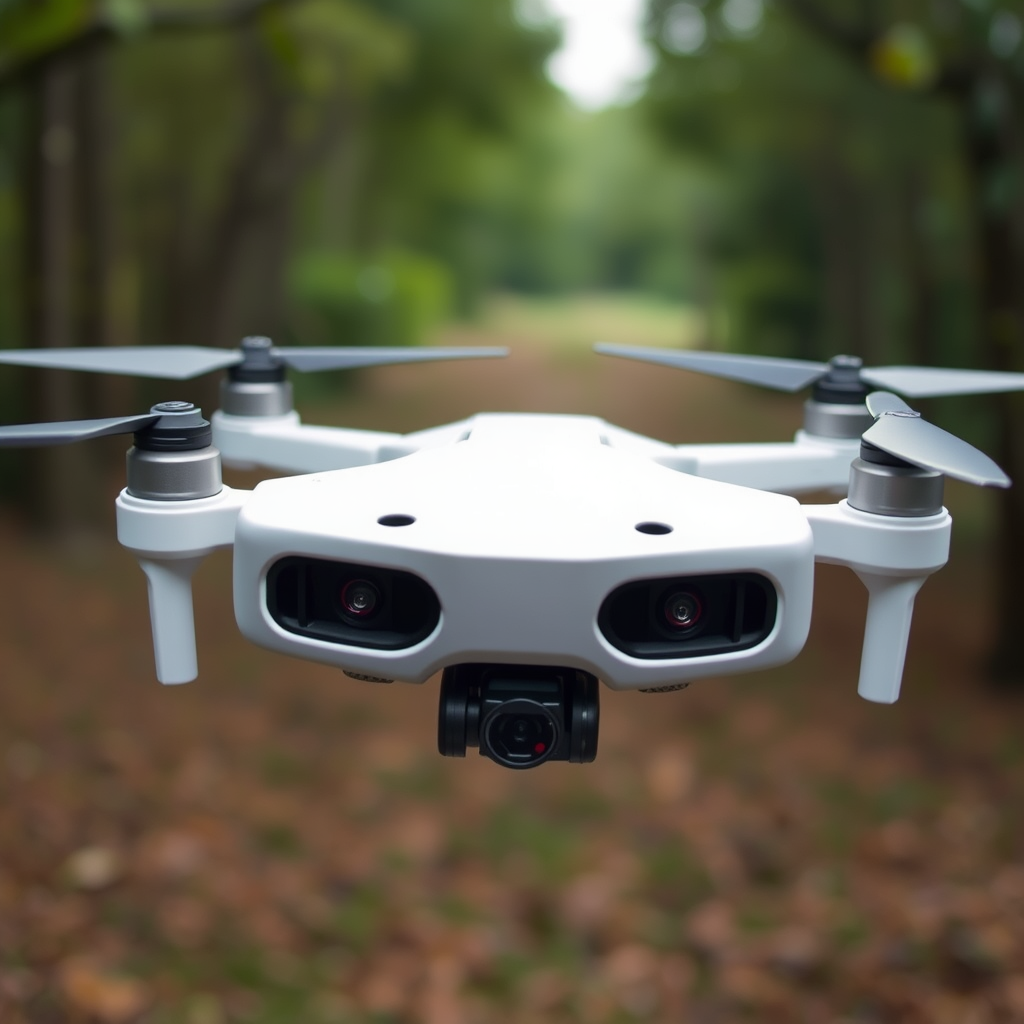
FPV goggles are specialized headsets designed to receive live video feeds from drones, allowing pilots to experience flight as if they were sitting in the cockpit. This technology has become increasingly popular among hobbyists and professional drone pilots alike, as it not only enhances the thrill of flying but also improves the precision of piloting maneuvers, particularly in racing or aerial photography.
The immersive experience provided by FPV goggles can transform how you assess distance, speed, and orientation while flying. Many models come equipped with built-in screens, high-resolution displays, and advanced optics, making them an essential tool for any serious drone enthusiast. Understanding the different types of FPV goggles and their functionalities is crucial for selecting the right pair that aligns with your drone’s specifications.
Drone Compatibility Factors
When considering the use of FPV goggles with a drone, one of the first steps is to check whether your drone is equipped with an FPV camera or a compatible video transmission system. Most consumer-grade drones, such as those made by DJI, feature integrated cameras that provide a live video feed. However, compatibility is not guaranteed across all models, especially with older or more basic drones.
Furthermore, some drones may require specific types of FPV goggles to ensure seamless synchronization and functionality. For example, a drone equipped with a digital video transmission system may not work well with analog goggles, as they operate on different frequencies and protocols. To avoid any connectivity issues, always refer to the manufacturer’s specifications and guidelines regarding compatible FPV hardware.
Types of FPV Goggles
FPV goggles can be broadly categorized into two main types: analog and digital. Analog goggles are often favored in traditional FPV setups, particularly for racing drones. They typically offer lower latency, which is crucial for fast-paced flying and racing. However, the video quality can be lower compared to digital systems, leading to grainy visuals.
On the other hand, digital FPV goggles provide superior resolution and image quality, enhancing the overall flying experience. They often utilize specific transmission protocols, such as HDZero or DJI’s OcuSync, which may require compatible drones to function effectively. While digital goggles offer a clearer picture and improved features, they also tend to be more expensive. Understanding the differences between these types can help you choose the best option for your flying style and drone setup.
Setting Up Your Goggles
Setting up your FPV goggles correctly is crucial for a successful flying experience. Begin by ensuring that your goggles are set to the correct frequency that matches your drone’s video transmission system. Many FPV goggles allow users to manually select frequencies, so ensure that this is properly configured before taking off.
Following the manufacturer’s instructions for pairing and setup is essential to avoid connectivity issues. This process typically involves turning on the drone and the goggles, selecting the appropriate channel on the goggles, and pairing the two devices. Some modern FPV goggles come with software that can assist in this process, making it easier for beginners to connect their devices. A good practice is to conduct a pre-flight check to confirm that the video feed is clear and functional before launching your drone.
Popular Drone Brands and Their Compatibility
When it comes to drone brands, compatibility can vary significantly. DJI drones, for example, often come with proprietary systems that work best with their own line of FPV goggles, such as the DJI FPV Goggles V2. These goggles are designed to optimize the performance of DJI drones, providing features like low latency and high-definition video feeds.
Conversely, racing drones typically support a broader range of FPV goggles due to their analog systems. Brands such as Fat Shark and Eachine are popular among FPV racing enthusiasts, as they offer various models that cater to different needs and budgets. It’s essential to research the specific drone model you own or plan to purchase to ensure that you select compatible FPV goggles that enhance your flying experience.
Troubleshooting Common Issues
Even with the best equipment, you may encounter issues when using FPV goggles with your drone. One common problem is lag or a complete lack of video feed. If you face such issues, the first step is to check the frequency settings on both the goggles and the drone. Mismatched frequencies can lead to poor communication and video transmission.
Additionally, ensure that the drone’s camera is functioning properly and is transmitting a signal. A malfunctioning camera can disrupt the live feed, rendering your goggles ineffective. If problems persist, consider consulting the manufacturer’s troubleshooting guide or seeking advice from online forums or user groups dedicated to FPV flying.
Tips for an Enhanced FPV Experience
To maximize your FPV experience, consider investing in high-quality goggles that offer better clarity and comfort during long flights. Look for features like adjustable lenses, head tracking capabilities, and ergonomic designs that can significantly improve your flying experience.
Practicing in open areas is also recommended before attempting complex maneuvers. This allows you to become familiar with the FPV perspective and helps you develop your piloting skills without the added stress of obstacles. Additionally, consider joining an FPV community or local flying group where you can share experiences, learn from others, and enhance your skills through group flying sessions.
In conclusion, while many drones can be paired with FPV goggles, ensuring compatibility based on the technology used is essential for achieving the best flying experience. By understanding the types of goggles available, checking compatibility factors, and following proper setup procedures, you can fully enjoy the immersive and exciting world of FPV flying. Always refer to your drone’s specifications and the features of your goggles to make informed decisions. Happy flying!
Frequently Asked Questions
Can you use FPV goggles with any drone?
While you can use FPV (First-Person View) goggles with many drones, compatibility depends on the drone’s video transmission system. For optimal use, the drone must be equipped with a compatible video transmitter that sends a live feed to the goggles. If your drone does not support FPV or lacks the necessary equipment, you may need to purchase additional components or consider a different drone designed for FPV flying.
What types of drones are compatible with FPV goggles?
FPV goggles are typically compatible with racing drones, some hobbyist drones, and certain camera drones that support FPV setups. Drones designed specifically for FPV flying usually come with built-in video transmitters and camera systems that work seamlessly with FPV goggles. Always check the specifications of your drone and goggles to ensure they can connect properly.
How do I set up FPV goggles with my drone?
To set up FPV goggles with your drone, first ensure that both devices are powered on and properly configured. Connect the drone’s video transmitter to the camera, and make sure the transmitter is set to the same frequency as your FPV goggles. After binding the two devices, test the live feed by adjusting the channels on your goggles until you receive a clear video signal from the drone.
Why might I experience poor video quality when using FPV goggles with my drone?
Poor video quality can stem from several issues, including low signal strength, interference from other electronic devices, or an inadequate video transmitter. To improve video quality, ensure your drone is within range, minimize obstacles that may block the signal, and consider upgrading the video transmitter or antennas for enhanced performance. Furthermore, using high-quality FPV goggles can also significantly impact your viewing experience.
What are the best FPV goggles for beginners using drones?
For beginners, some of the best FPV goggles include the Eachine VR-006, Fat Shark Scout, and DJI FPV Goggles V2. These options provide a balance of affordability, ease of use, and decent video quality, making them suitable for new drone pilots. Additionally, look for goggles with adjustable settings and good battery life to enhance your flying experience as you learn the basics of FPV flying.
References
- https://en.wikipedia.org/wiki/First-person_view
- https://www.droneexplained.com/drone-fpv-goggles-explained/
- https://www.faa.gov/uas/
- https://www.techradar.com/news/what-is-fpv-drone-flying
- https://www.npr.org/2020/01/21/797860207/drones-in-the-future-what-to-expect
- https://www.wired.com/story/fpv-drones-what-to-know/
- https://www.researchgate.net/publication/331487193_FPV_Drone_Research_and_Development
- https://www.dronepilotgroundschool.com/fpv-drone/
