

Yes, you do need a drone license in Canada if you plan to fly a drone for commercial purposes or if your drone weighs over 250 grams. For recreational flying, a license isn’t mandatory, but adhering to safety regulations is crucial. This article will break down the specifics of drone licensing in Canada, helping you understand when and how to get licensed, ensuring you comply with the law and operate your drone safely.
Understanding Drone Regulations in Canada
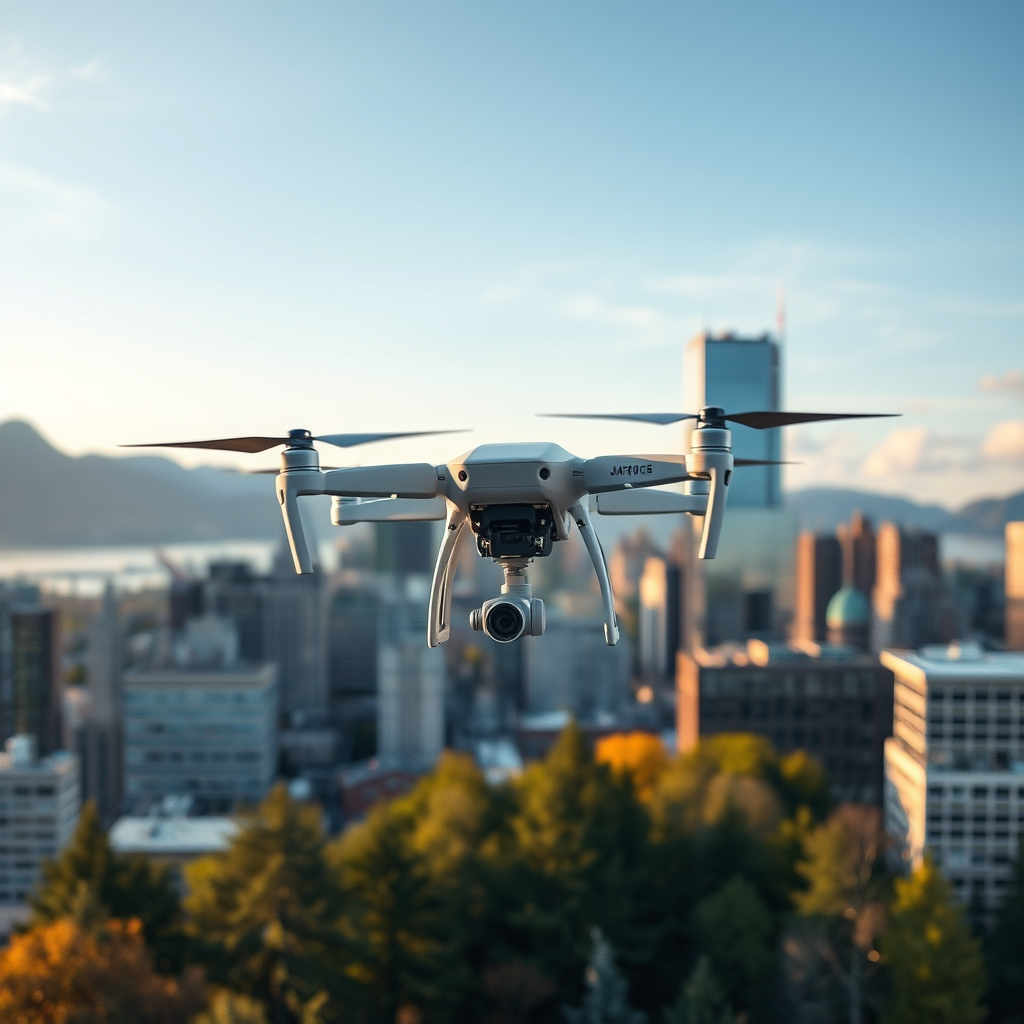
Transport Canada regulates drone operations through the Canadian Aviation Regulations (CARs). The regulations are designed to ensure the safety of airspace and the protection of people on the ground. There are two primary categories of drone use: recreational and commercial.
For recreational users, the rules are somewhat relaxed, provided that they respect the guidelines set forth by Transport Canada, which include flying below 122 meters (400 feet), keeping the drone within visual line-of-sight, and avoiding restricted airspaces. However, commercial drone pilots face stricter regulations that require a formal license, reflecting the increased responsibility and risks associated with commercial operations. This delineation between recreational and commercial use is critical for anyone looking to operate drones in Canadian airspace.
Types of Drone Licenses
In Canada, there are two main types of drone licenses that prospective pilots can obtain: the Basic Pilot Certificate and the Advanced Pilot Certificate.
The Basic Pilot Certificate is intended for operators flying drones weighing between 250 grams and 25 kilograms in uncontrolled airspace. To obtain this certificate, applicants must complete an online exam that tests their knowledge of airspace regulations, drone operation, and safety practices.
Conversely, the Advanced Pilot Certificate is necessary for those who wish to operate in controlled airspace or fly drones that weigh more than 25 kilograms. This certification requires a more extensive examination process, including a written exam and a flight review with a qualified examiner. Additionally, advanced pilots must demonstrate a thorough understanding of navigation and communication procedures, as well as emergency protocols.
Steps to Obtain a Drone License
Obtaining a drone license in Canada involves several steps, starting with determining which certificate you need based on your intended use.
1. Study for the Exam: Resources are available online, including Transport Canada’s materials and various training courses, which can help you prepare for the knowledge assessments.
2. Pass the Exam: For the Basic certificate, you can take the online exam on Transport Canada’s website. For the Advanced certificate, you will need to pass both the written exam and a practical flight test.
3. Pay Fees: While the Basic Pilot Certificate does not have a fee except for the cost of study materials, the Advanced certificate involves additional costs for the flight review, which can vary depending on the examiner’s rates.
4. Receive Your Certificate: Upon successful completion of the exams, you will receive your certificate, allowing you to operate your drone legally according to the privileges granted by the specified license.
Age and Registration Requirements
To obtain a drone license in Canada, you must be at least 14 years old for the Basic Pilot Certificate and 16 years old for the Advanced Pilot Certificate. This age requirement ensures that applicants are mature enough to understand and respect the regulatory framework governing drone operations.
Additionally, all drones that weigh more than 250 grams must be registered with Transport Canada. This step is essential for accountability and traceability, thereby enhancing safety in the national airspace. Registration involves providing specific information about the drone, such as its make, model, and purpose, and it must be done before the drone can be legally flown.
Consequences of Flying Without a License
Operating a drone without the necessary licensing can result in significant penalties. Transport Canada enforces strict regulations, and violating these can lead to fines ranging from $1,000 to $5,000 for individuals, and even larger penalties for commercial operators. Beyond financial repercussions, unauthorized drone use can lead to serious legal implications, including criminal charges if the operation endangers public safety or breaches privacy laws. Therefore, it is crucial to understand and comply with the licensing requirements to avoid these consequences.
Safety Guidelines for Recreational Drone Users
Even if you are flying a drone recreationally and do not require a license, adhering to safety guidelines is paramount. Here are some key practices for hobbyist drone pilots:
– Maintain Line of Sight: Always keep your drone within visual line-of-sight to ensure you can monitor its operation and avoid obstacles.
– Respect Airspace: Familiarize yourself with the airspace classifications in your flying area. Stay clear of restricted zones, such as near airports or military bases.
– Fly Responsibly: Avoid flying over crowds and ensure that you respect the privacy of others. Being considerate can help foster a positive image for the drone community.
– Educate Yourself: Continuous learning about drone technology and safety regulations is vital, as the landscape is constantly evolving.
By following these guidelines, recreational users can enjoy their hobby while contributing to the overall safety and integrity of airspace in Canada.
Resources for Aspiring Drone Pilots
For those seeking more information about drone operations and licensing, various resources are available:
– Transport Canada’s Official Website: This is the primary source for up-to-date regulations, licensing information, and safety guidelines.
– Canadian Drone Pilot Association (CDPA): This organization offers resources, training programs, and networking opportunities for drone pilots.
– Online Training Platforms: Websites like UAV Coach and Drone Pilot Ground School provide comprehensive courses that cover the necessary knowledge to pass the licensing exams.
Investing time in these resources can significantly enhance your understanding of drone operations and ensure that you are well-prepared for any challenges you may face as a drone pilot.
In conclusion, while a drone license is essential for many operators in Canada, recreational users should still adhere to safety guidelines. Whether you’re looking to fly for fun or pursue a career in drone piloting, understanding the licensing requirements is crucial. By staying informed about the regulations and committing to safe practices, you can enjoy the benefits of drone technology responsibly.
Frequently Asked Questions
Do I need a drone license to fly a drone in Canada?
Yes, in Canada, you need a drone license if you plan to operate a drone that weighs over 250 grams for commercial purposes. This requires obtaining a Pilot Certificate – Small Remotely Piloted Aircraft Systems (RPAS) from Transport Canada. For recreational flying, you do not need a formal license, but you must still follow basic safety guidelines and register your drone if it weighs between 250 grams and 25 kilograms.
How do I get a drone license in Canada?
To obtain a drone license in Canada, you must pass a written exam administered by Transport Canada, which covers regulations, safety guidelines, and navigation. After passing the exam, you will receive a Pilot Certificate for Small RPAS. Additionally, if you intend to fly in controlled airspace, you must complete a flight review with a qualified instructor to demonstrate your flying skills and understanding of safety protocols.
Why do I need to register my drone in Canada?
Registering your drone in Canada is essential for accountability and safety. It allows Transport Canada to track drone usage and ensures that operators adhere to safe flying practices. Registration is mandatory for drones weighing between 250 grams and 25 kilograms and helps in identifying the owner in case of incidents or safety violations, thereby promoting responsible drone operation.
What are the penalties for flying a drone without a license in Canada?
Flying a drone without the required license in Canada can lead to significant penalties, including fines up to $3,000 for individuals and $15,000 for corporations. Additionally, unauthorized drone operations can result in enforcement actions, including the potential confiscation of the drone. To avoid these penalties, it is crucial to stay informed about the regulations and obtain the necessary certifications before flying.
Which types of drones require a license in Canada?
In Canada, any drone that weighs more than 250 grams and is used for commercial purposes requires a drone license. This includes drones used for aerial photography, surveying, inspections, and any other business-related activities. Recreational drones under 250 grams do not require a license, but it is still important to follow safety guidelines and local regulations to ensure safe flying practices.
References
- https://www.tc.gc.ca/en/services-aviation/drone-safety.html
- https://www.canada.ca/en/transport-canada/services/drones.html
- https://www.cbc.ca/news/canada/drone-regulations-1.4487499
- https://www.wired.com/story/drone-regulations-canada/
- https://www.ontario.ca/page/drone-safety-and-regulations
- https://en.wikipedia.org/wiki/Drone_regulation_in_Canada
