
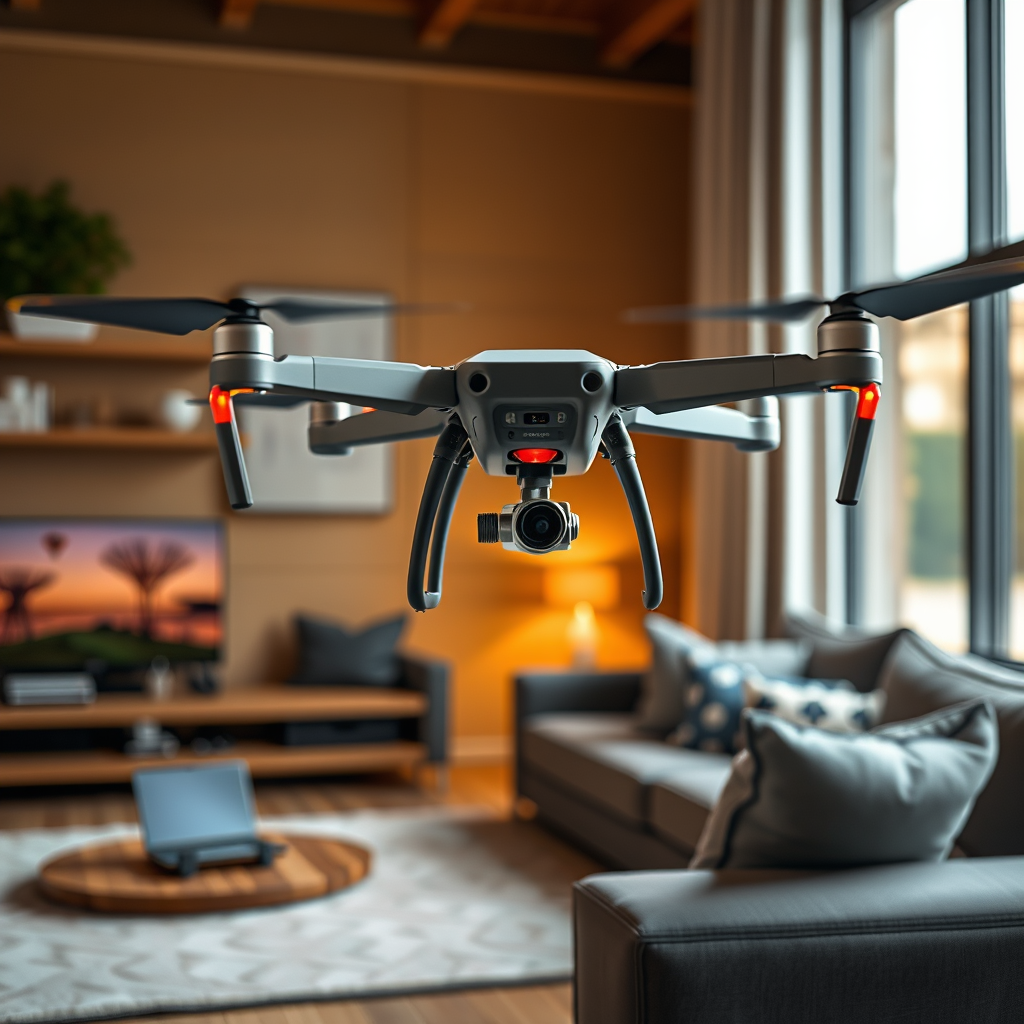
If you’re wondering how big of a drone you can buy, the answer varies widely based on your needs, budget, and regulations. Drones can range from tiny models suitable for beginners to large industrial units designed for specific applications. Understanding the size categories, purposes, and regulatory frameworks will help you make an informed decision when purchasing a drone. This article will explore the different sizes of drones available in the market, their uses, and essential factors to consider.
Understanding Drone Size Categories
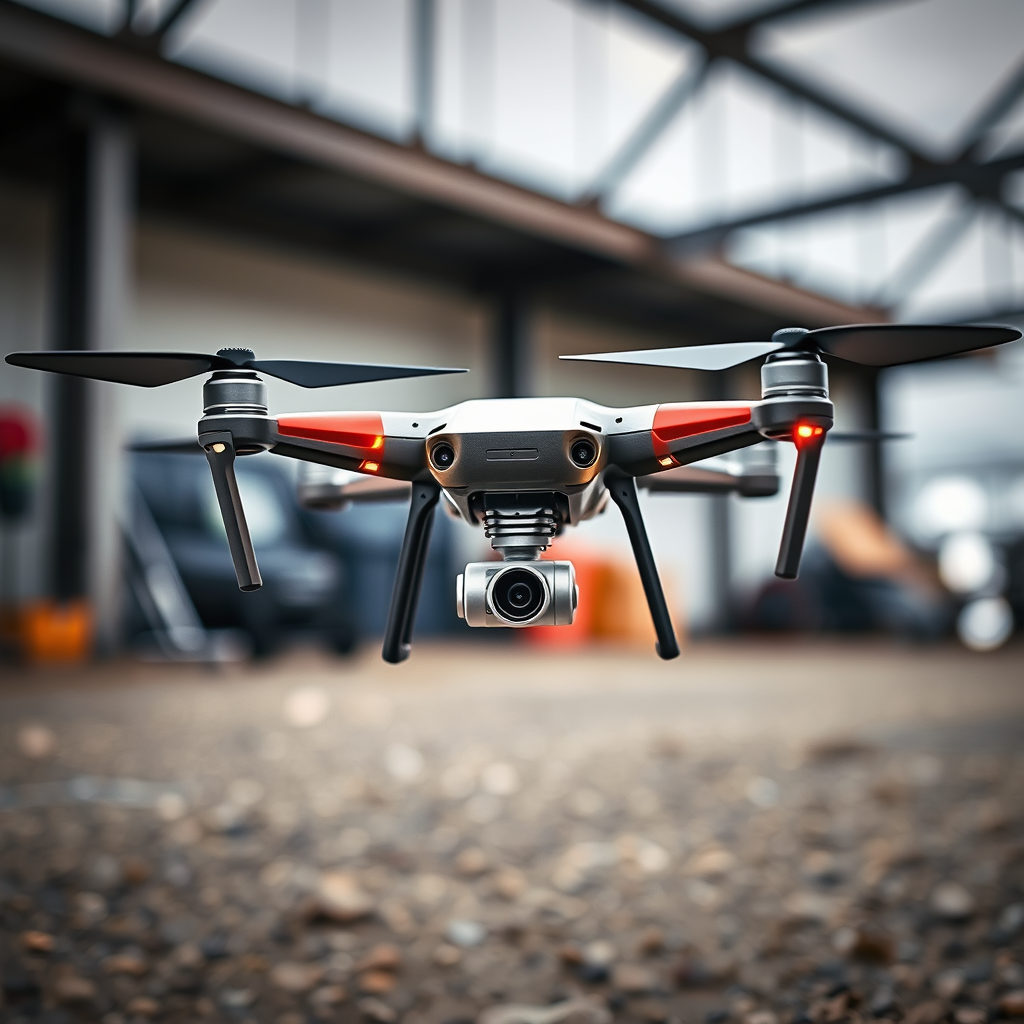
Drones are typically categorized into four main sizes: micro, mini, small, and large. This classification helps potential buyers understand the capabilities and limitations of each category, guiding them in their selection process.
– Micro Drones: These drones weigh under 250 grams and are ideal for indoor flying or casual outdoor use. Their lightweight design makes them easy to handle, and they are often equipped with basic functionalities. Due to their small size, they are less intimidating for beginners and can be flown in smaller spaces without the risk of causing damage. Popular examples include the DJI Tello and the Hubsan X4.
– Mini Drones: Ranging from 250 grams to 2 kilograms, mini drones strike a balance between portability and functionality. They are popular among casual users, beginners, and even some hobbyists. These drones can be used for light photography, racing, and educational purposes. Models like the DJI Mini SE and the Parrot Anafi are well-known in this category.
– Small Drones: Weighing between 2 kilograms and 25 kilograms, small drones are often utilized in professional settings. They are commonly used for aerial photography, surveying, and mapping due to their enhanced stability and payload capacity. The DJI Matrice series and the Yuneec Typhoon H fall into this category, offering advanced features such as high-resolution cameras and automated flight paths.
– Large Drones: These drones can weigh over 25 kilograms and are primarily designed for commercial purposes, such as agricultural monitoring, search and rescue operations, or heavy payload transport. They often come with specialized equipment and advanced technologies, including thermal imaging and multispectral sensors. The senseFly eBee X and the DJI Agras series are excellent examples of large drones catering to various industrial applications.
Factors Influencing Drone Size Choices
When deciding on the size of the drone to purchase, several factors come into play that can significantly influence your choice.
– Purpose: Your primary use for the drone is perhaps the most critical factor. If you’re aiming for recreational flying, a micro or mini drone may suffice. However, if your goal involves professional photography or surveying, you may need a small or large drone that can handle sophisticated equipment and provide stable flight characteristics.
– Portability: Larger drones may require more space for transportation and storage. If you plan to travel frequently with your drone or have limited storage space, opting for a smaller model may be more practical. Many mini and small drones are designed for easy transport, often folding into compact shapes or coming with carrying cases for convenience.
– Skill Level: Your experience with flying drones will also influence your choice of size. Beginners generally benefit from smaller, more manageable drones that are easier to control. As your skills improve, you can transition to larger models that offer more features and capabilities.
Popular Drone Sizes in the Market
The demand for drones has led to the emergence of various models catering to different user needs and preferences. Here’s a closer look at some popular drone sizes currently available in the market.
– Mini Drones (250g to 2kg): These drones have gained popularity among casual users and beginners due to their affordability and ease of use. With prices typically ranging from $50 to $500, models like the DJI Mini 2 offer impressive flight times and camera capabilities without breaking the bank. Their lightweight design allows for easy handling and transport, making them ideal for newcomers to the hobby.
– Professional Drones (2kg to 25kg): This category is widely used in fields such as aerial photography, mapping, and inspections. Drones like the DJI Mavic 3 and the Autel Robotics EVO Lite+ not only provide high-quality imaging but also feature advanced flight modes and obstacle avoidance systems. These drones generally range from $1,000 to $5,000, depending on the specific features and capabilities.
– Industrial Drones (25kg and above): Larger drones designed for industrial applications can command prices from $10,000 to upwards of $100,000, depending on the technology integrated into them. These drones often come equipped with specialized sensors and payload capabilities to meet the demands of agricultural, construction, and emergency response sectors.
Regulatory Considerations for Drone Size
Before purchasing a drone, it is crucial to understand the regulatory landscape that governs drone operations in your country. Different countries have specific regulations based on drone weight, including registration requirements, operational limits, and safety protocols.
– Weight Regulations: In many jurisdictions, drones weighing over 250 grams must be registered with aviation authorities. This registration process may involve providing details about the drone, the owner, and intended use. Additionally, larger drones typically come with stricter regulations regarding where and how they can be flown, often requiring licenses or certifications for commercial use.
– Operational Restrictions: Regulations may also dictate where drones can be flown, often prohibiting operations near airports, crowded areas, or sensitive locations such as military installations. Understanding these rules is vital to avoid fines and ensure safe flying practices.
– Compliance with Local Laws: It’s essential to stay informed about local laws and regulations governing drone use. Compliance not only ensures the safety of both the operator and the public but also fosters a positive reputation for the drone community as a whole.
Budgeting for Your Drone Purchase
When planning to buy a drone, budget considerations will play a significant role in your decision-making process. The price of drones can vary greatly depending on size, features, and brand.
– Affordable Options: Smaller drones, particularly micro and mini models, can range from $50 to $500. These options are perfect for beginners and casual users who want to explore the hobby without a substantial financial commitment. Brands like Holy Stone and Potensic offer reliable models at budget-friendly prices.
– Mid-range to High-end Drones: Professional drones designed for serious hobbyists and commercial operators typically range from $1,000 to $5,000. These drones often boast advanced features such as superior camera systems, longer flight times, and enhanced safety features. The investment in a more capable drone can yield significant returns, especially for those using drones for business purposes.
– Premium Models: Larger drones, specifically those exceeding 25 kilograms, can cost from $10,000 to over $100,000. These drones are generally equipped with advanced technology and capabilities that justify their price, making them suitable for businesses and organizations that require specialized applications.
Tips for Choosing the Right Drone Size
Selecting the right drone size requires careful consideration and research. Here are some actionable tips to help streamline your decision-making process:
– Assess Your Experience Level: If you’re new to flying drones, it’s best to start with a smaller, more manageable option. Many beginners find success with mini drones that provide a good combination of features and ease of use.
– Identify Your Needs: Determine what you plan to use the drone for—recreational flying, photography, or commercial applications. Knowing your needs will help you focus on the right size and features that will best serve your purpose.
– Research Reviews and Specifications: Before making a purchase, read reviews and compare specifications. This will help you understand the performance and capabilities of different models, ensuring you select a drone that meets your needs without exceeding your budget.
– Consider Future Needs: While a smaller drone may meet your current requirements, consider your future needs as well. Investing in a drone with advanced features may provide more long-term value as your skills and interests evolve.
In summary, the size of the drone you can buy depends on your intended use, budget, and any regulatory constraints. Whether you’re a hobbyist or a professional, understanding the size options available will help you make an informed decision. Carefully consider your needs, research available models, and take into account the various factors outlined in this article to find the perfect fit for your flying adventures.
Frequently Asked Questions
What size drone should I buy for recreational use?
The ideal size of a drone for recreational use typically falls within the range of 250 grams to 2 kilograms. Drones in this category are easy to handle, offer decent flight times, and are often equipped with cameras for capturing stunning aerial photos and videos. If you’re just starting out, consider a smaller, lightweight drone, as they are generally more forgiving for beginners and often come at a lower price point.
How big of a drone can I fly without a license?
In most countries, including the United States, you can fly a drone under 250 grams (0.55 pounds) without needing a license. These lightweight drones are perfect for hobbyists and often do not require registration with aviation authorities. However, always check your local regulations, as rules can vary by region and may change over time.
Why does the size of a drone matter for performance?
The size of a drone significantly impacts its performance characteristics, such as flight stability, battery life, and payload capacity. Smaller drones are generally more agile and portable, making them suitable for indoor flying or tight spaces, while larger drones can carry heavier equipment, such as advanced cameras and sensors, and typically offer longer flight times. Understanding your intended use will help you choose the right size for your needs.
What is the best size drone for aerial photography?
For aerial photography, drones that weigh between 1 to 2 kilograms (2.2 to 4.4 pounds) are usually the best option. This size range allows for stable flight while accommodating high-quality cameras and gimbals, essential for capturing smooth, professional-grade images and videos. Additionally, these drones often include advanced features like GPS stabilization and extended battery life, crucial for outdoor photo shoots.
Which size drone is suitable for commercial use?
For commercial applications, such as surveying, mapping, or real estate photography, drones in the 2 to 5-kilogram (4.4 to 11 pounds) range are generally recommended. These larger drones can carry specialized equipment, such as thermal cameras or LiDAR sensors, and are built to withstand more demanding flight conditions. Always ensure that any commercial drone you choose complies with local regulations and has the necessary certifications for safe operation.
References
- https://en.wikipedia.org/wiki/Drone
- https://www.faa.gov/uas/
- https://www.nytimes.com/2021/09/23/technology/drones-regulation.html
- https://www.bbc.com/future/article/20200429-what-are-the-rules-for-drones-in-the-uk
- https://www.nasa.gov/mission_pages/utm/what-is-utm.html
- https://www.techrepublic.com/article/how-to-choose-the-right-drone-for-your-needs/
- https://www.cnet.com/tech/mobile/how-big-can-a-drone-get/
- https://www.aopa.org/news-and-media/all-news/2021/march/12/the-faa-and-the-drone-industry-what-you-need-to-know
- https://www.wired.com/story/how-to-buy-a-drone/
