
To bring down a drone, you can use various methods including jamming signals, employing nets, or utilizing specific devices designed for this purpose. However, it is crucial to understand the legal implications and practical considerations associated with each approach, as unauthorized actions can lead to severe consequences. This article will delve into the intricacies of drone technology, legal considerations, and effective methods to safely and responsibly bring down a drone.
Understanding Drone Technology
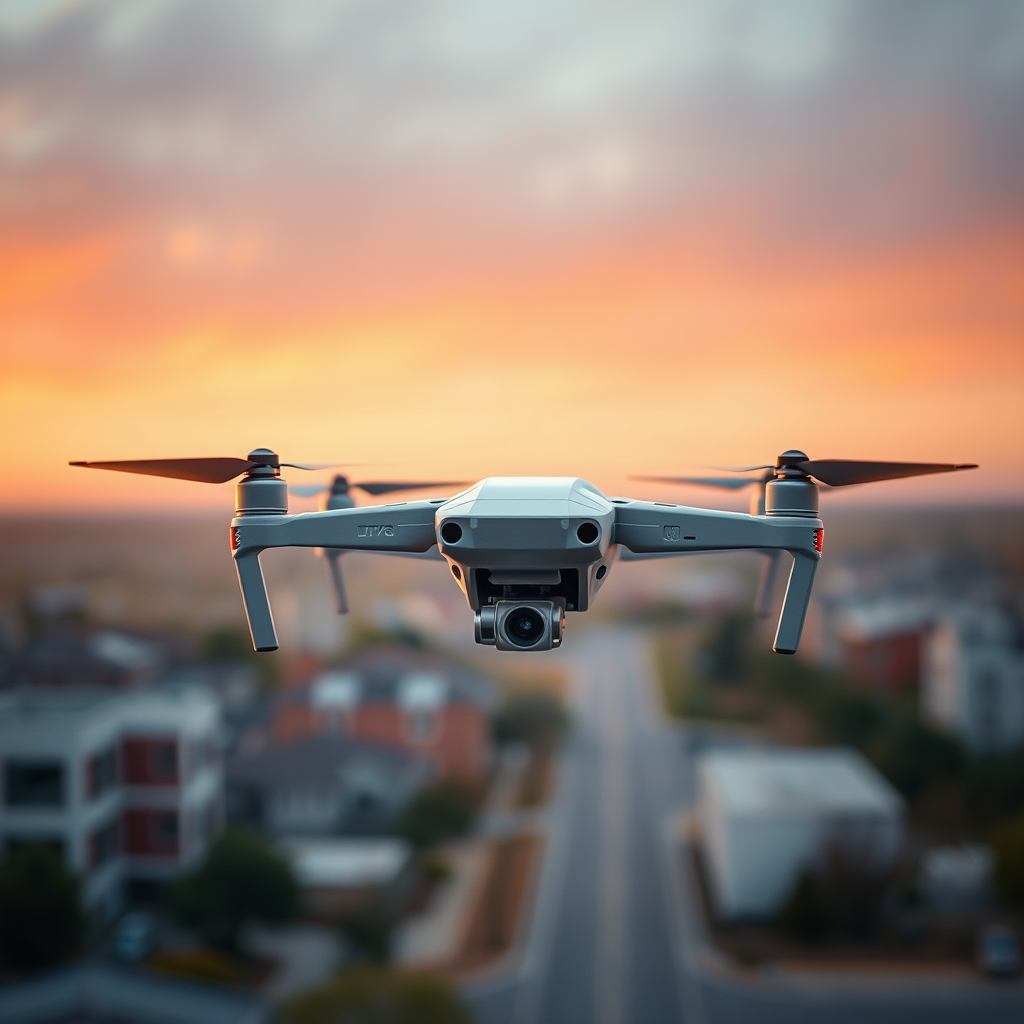
Drones, also known as unmanned aerial vehicles (UAVs), come in various types and functionalities ranging from recreational quadcopters to sophisticated commercial drones used for surveillance, delivery, and agriculture. Most drones rely on GPS and radio signals for navigation and communication. Generally, a drone’s control system communicates with a ground station or pilot via radio signals, while GPS provides real-time location data essential for autonomous flight and navigation. Understanding these fundamental aspects of drone technology is vital when considering effective methods for bringing them down.
Legal Considerations
Before attempting any action to bring down a drone, it is imperative to review the laws governing drone interference in your area. Regulations vary significantly by country and even by state, with many jurisdictions prohibiting unauthorized interference with drone operations. In the United States, the Federal Aviation Administration (FAA) has strict regulations that protect the airspace and impose heavy fines for unauthorized drone takedown actions. Being aware of these laws can prevent legal repercussions and ensure that any actions taken are within the bounds of the law. Violating drone regulations can lead to criminal charges, fines, or civil lawsuits, making it essential to approach any drone-related issue with caution.
Signal Jamming Techniques
Signal jamming is one of the most common methods employed to disable a drone. This technique involves disrupting the radio signals used for communication between the drone and its operator. Jamming works by overwhelming the frequencies with noise, effectively preventing the drone from receiving commands or returning to its original position. Equipment required for effective signal jamming includes specialized jammers that operate within the frequency bands used by drones, typically between 2.4 GHz and 5.8 GHz. However, it is important to note that jamming is illegal in many regions and can interfere with other wireless communications, making it a controversial choice.
Physical Interventions
Using physical means to capture or disable a drone is another effective strategy. This can involve using nets or other barriers designed to entangle the drone and bring it down safely. For instance, drone-catching nets can be deployed from another drone or a stationary platform, aiming to ensnare the target drone without damaging it or causing harm to people nearby. While this method can be effective, it requires careful planning and execution to ensure safety. Operators must consider wind conditions, drone speed, and the proximity of people or property to avoid accidents or unintended damage.
Electronic Countermeasures
Electronic countermeasures involve using specialized devices designed to disable drones either by disrupting their navigation systems or temporarily disabling their motors. These devices, often referred to as drone disruptors, can effectively neutralize a drone’s functionality. They typically use a combination of GPS jamming and signal disruption to bring a drone to a safe landing or cause it to return to its point of origin. While these electronic devices can be highly effective, they also come with drawbacks such as potential interference with legitimate aircraft and other electronic devices, as well as legal restrictions on their use in many jurisdictions.
Engaging Authorities
In situations where a drone poses a significant threat or violates privacy, engaging law enforcement or the drone operators themselves is often the best course of action. Authorities are equipped to handle such situations legally and safely. When encountering a drone that is suspected of causing harm or invading privacy, document the incident thoroughly—note the time, location, and any identifiable features of the drone. Then, contact local law enforcement or the relevant authorities to report the issue. They have the proper training and resources to address the situation appropriately, reducing the risk of escalation or legal complications.
Best Practices and Safety Tips
When considering methods to bring down a drone, adhering to best practices is essential for ensuring safety and legality. Always prioritize caution and environmental awareness when attempting any intervention. Here are some recommendations:
– Avoid direct confrontation with the drone or its operator, as this can escalate tensions.
– Conduct thorough research on local laws and regulations regarding drone interference before taking any action.
– If using physical means, ensure that the area is clear of people and property to minimize risks.
– Consider using non-destructive methods to bring down a drone, such as nets, to prevent damage and legal issues.
– Document any sightings or encounters with drones, noting their behavior and potential violations to aid authorities in their response.
In conclusion, bringing down a drone involves a careful balance of effective methods, legal considerations, and safety precautions. Whether you choose to employ signal jamming, physical interventions, or electronic countermeasures, always prioritize responsible actions and consult local laws before taking any measures. In cases where a drone poses a threat or violates privacy, reaching out to authorities for assistance is often the most prudent approach. By understanding these complexities, you can navigate the challenges associated with drone interference more effectively.
Frequently Asked Questions
What are the legal implications of bringing down a drone?
Bringing down a drone can have serious legal implications, as it may be considered unlawful interference with an aircraft. In many countries, including the United States, shooting down or damaging a drone could lead to criminal charges or civil liability. It’s crucial to understand local laws regarding drone usage and interference to avoid potential legal consequences.
How can I safely disable a drone without causing damage?
Safely disabling a drone can be achieved through non-destructive methods like using a drone jammer or signal blocker. These devices interfere with the drone’s control signals, causing it to land safely or return to its takeoff point. However, be aware that using jammers is illegal in many areas, so it’s essential to check local regulations before attempting this method.
Why might I need to bring down a drone?
You might need to bring down a drone for various reasons, such as privacy concerns, safety issues, or unauthorized surveillance. Drones can intrude on personal space or pose risks in crowded areas, prompting individuals to seek ways to manage or remove the threat. Understanding the reasons behind your need to bring down a drone can help you choose the most appropriate and legal response.
What is the best method to bring down a drone in an emergency?
In an emergency, the best method to bring down a drone is to use a net gun or similar device designed for capturing drones. These tools can safely entangle the drone without causing damage while effectively neutralizing its flight capabilities. This method is often employed by law enforcement and requires training and permission to use.
Which devices can help in detecting and bringing down drones?
Several devices can assist in detecting and bringing down drones, including radar systems, acoustic sensors, and anti-drone systems like net guns or drones equipped with nets. These technologies are designed to identify drone activity in restricted areas and neutralize potential threats. Investing in reputable drone detection and mitigation systems can provide peace of mind and enhance security against unauthorized drone operations.
References
- https://en.wikipedia.org/wiki/Drone#Countermeasures
- https://www.faa.gov/uas/resources/policy_library/
- https://www.dhs.gov/publication/drones-and-public-safety
- https://www.bbc.com/news/technology-45416830
- https://www.reuters.com/technology/us-military-experiments-with-drones-new-ways-to-counter-threats-2021-06-17/
- https://www.theguardian.com/us-news/2020/feb/05/us-military-drone-countermeasures
- https://www.nist.gov/news-events/news/2020/06/nist-develops-standards-drones-safety-security
- https://www.ojp.gov/pdffiles1/nij/252400.pdf
