
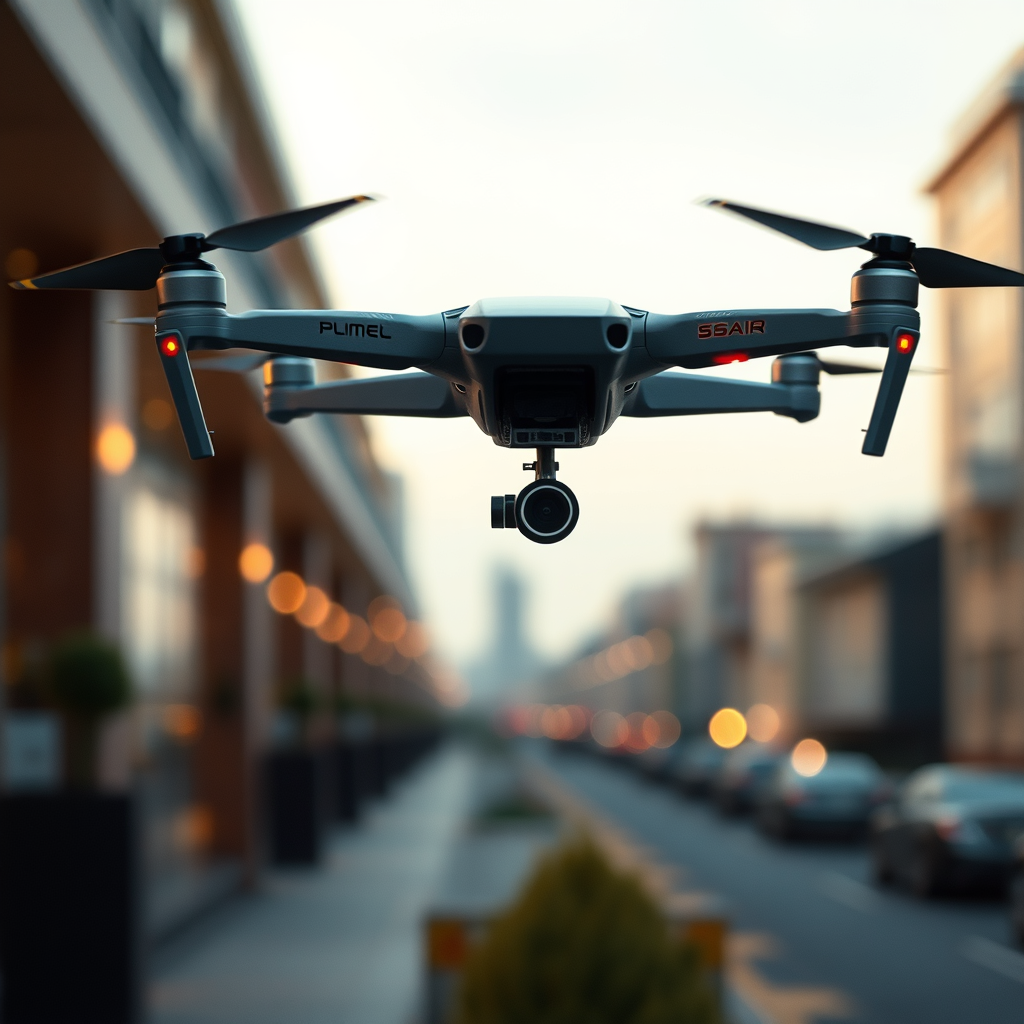
You can often tell if a drone is watching you by observing its flight patterns, sounds, and visual cues. Drones, especially those used for surveillance, exhibit specific behaviors that can alert you to their presence. By being vigilant and understanding these indicators, you can better assess whether you are being monitored. This article will delve deeper into identifying potential drone surveillance and what to look for.
Recognizing Drone Sounds
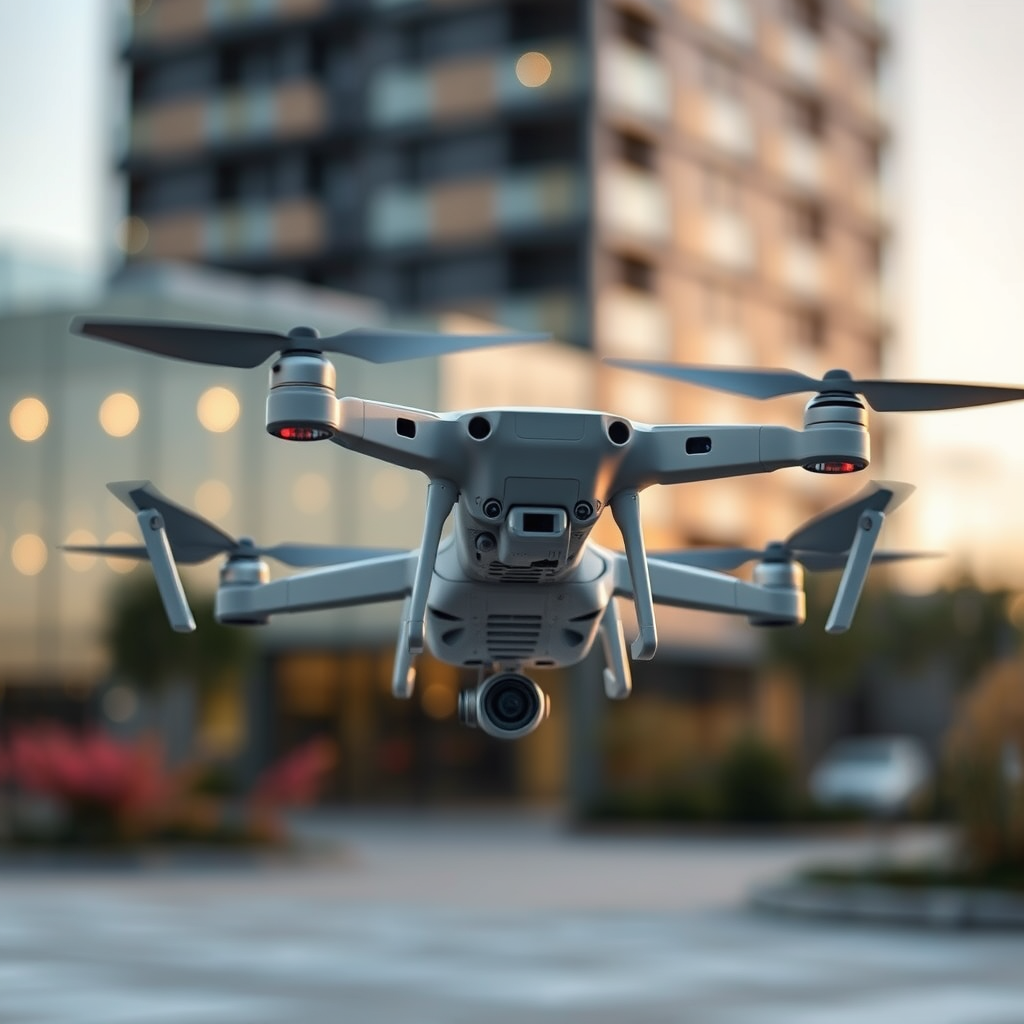
Drones often produce a distinct buzzing or humming noise that can be heard from a distance, distinguishing them from other ambient sounds in the environment. The sound varies depending on the size and model of the drone; for instance, larger drones may emit a louder, deeper sound, while smaller quadcopters typically produce a higher-pitched whir.
When trying to identify whether a drone is nearby, pay attention to the frequency and volume of these sounds. A louder, consistent noise that doesn’t fade away may indicate that a drone is operating in close proximity. Additionally, if you hear a sound that suddenly stops and starts, it may suggest that a drone is hovering, possibly focusing on you. Being aware of your surroundings and tuning into the auditory cues can significantly enhance your ability to detect drone activity.
Observing Flight Patterns
Drones exhibit particular flight patterns that can help you determine if one is surveilling you. Unlike birds or other aircraft, drones often hover in one spot or move in predictable, repetitive patterns. When you notice an object that remains stationary in the air or circles above, it may be a drone monitoring your activities.
For example, if you are jogging in a park and observe an overhead object that seems to follow your route or maintain a consistent distance from you, this could indicate that someone is operating a drone with the intention to observe. Moreover, drones typically operate at lower altitudes compared to traditional aircraft, making them more susceptible to being spotted. If you see an object that appears to be a drone hovering or maneuvering in a way that seems intentional, it is worth paying attention to.
Identifying Visual Cues
The appearance of a drone can provide critical visual clues. Specifically, look for small, quadcopter-style drones, which are frequently used for surveillance due to their compact size and agility. These drones may be equipped with cameras, making them particularly adept at monitoring individuals without drawing attention.
Another visual cue to consider is reflective surfaces. Many drones feature shiny bodies that can catch sunlight, making them easier to spot against the sky. If you see a glint or reflection in your peripheral vision, it may be a drone flying nearby. Additionally, take note of the color and shape of the object; most consumer drones have a distinctive design that sets them apart from birds or other aerial objects. Familiarizing yourself with the typical characteristics of drones can help you identify potential surveillance more effectively.
Checking Your Surroundings
Being aware of your environment is crucial in determining whether you are under drone surveillance. Look for any unusual activity around you, such as individuals with cameras or vehicles parked in unexpected locations. If you notice someone seemingly focusing intently on you or capturing images or videos, it could be an indication of drone use.
Context matters as well. For instance, if you are in a private area, such as your backyard, or attending a public event where drone usage is common, heightened surveillance might be more likely. In residential neighborhoods, a sudden increase in drone sightings, especially when coinciding with unusual activity, warrants closer observation. Keeping an eye on your surroundings can provide the necessary context to assess the likelihood of being watched.
Legal Considerations
Understanding the legal landscape surrounding drone usage is essential for anyone concerned about privacy and potential harassment. Many jurisdictions have strict regulations governing drone operation, especially regarding surveillance and privacy rights. Familiarizing yourself with local laws can empower you to take appropriate action if you suspect that someone is infringing on your privacy.
If you feel that a drone is monitoring you inappropriately, it is crucial to document its activity. Take notes about the drone’s appearance, flight patterns, and any interactions you may have had with the operator. Reporting these incidents to local authorities can help address the situation, particularly if you believe it constitutes harassment or an invasion of privacy. Being informed about your rights and the regulations surrounding drone use can help you navigate these situations more effectively.
Taking Action
If you feel uncomfortable or believe you are being monitored by a drone, it is important to consider your options for taking action. One immediate response could be to move to a different location, particularly if you have identified a specific area where the drone seems to be focusing its attention. This can help you create distance and alleviate any feelings of unease.
If you feel safe doing so, confronting the drone operator directly may also be an option. However, ensure that you assess the situation carefully and prioritize your safety. Engaging in dialogue may help clarify the operator’s intentions. Additionally, you can utilize apps or tools designed to detect drone activity, which can provide additional confirmation of any nearby drone use. These resources can enhance your awareness and provide you with further peace of mind.
In conclusion, being aware of the signs of drone surveillance can help you feel safer and more informed. By recognizing drone sounds, observing flight patterns, identifying visual cues, checking your surroundings, understanding legal considerations, and knowing how to take action, you can better assess the presence of a drone and respond appropriately. If you suspect a drone is watching you, take note of the details and consider your options for addressing the situation. Always prioritize your privacy and safety first.
Frequently Asked Questions
What are the signs that a drone might be watching you?
There are several signs that may indicate a drone is monitoring your activities. Look for a small flying object hovering above or moving in a grid pattern, often at low altitudes. Additionally, drones can emit a buzzing sound, which is another clue. If you notice a camera or lens pointing in your direction or green/red lights flashing, these could be further indicators of surveillance.
How can I detect if a drone is nearby?
To detect a nearby drone, pay attention to unusual sounds or vibrations in the air, as many drones produce a distinct buzzing noise due to their rotors. You can also use visual checks—look for drones in the sky, especially during daylight. There are apps available that can help you identify drone activity in your area by using GPS technology to detect and track drones based on their transponder signals.
Why would someone want to use a drone to watch me?
Drones can be used for various purposes, including surveillance, photography, or even recreational activities. Individuals may use drones to spy for personal reasons, such as stalking or harassing, or for commercial interests like real estate photography. Understanding these motives can help you recognize the seriousness of drone surveillance and determine appropriate responses.
What should I do if I suspect a drone is spying on me?
If you suspect a drone is spying on you, the first step is to document the drone’s appearance, including its model, color, and flight pattern. You can also try to identify the operator if it’s safe to do so. Reporting the incident to local authorities or law enforcement can be crucial, as they can investigate further. Additionally, consider enhancing your privacy measures, such as installing window coverings or using technology that disrupts drone signals.
Which laws protect against unauthorized drone surveillance?
Various laws protect individuals from unauthorized drone surveillance, including privacy laws that prohibit invasion of privacy through video recording or photography without consent. In the United States, the Federal Aviation Administration (FAA) has regulations that govern drone operations, especially regarding flight altitudes and areas where drones cannot operate. Familiarizing yourself with local laws can help you understand your rights and the legal actions you can take if you feel threatened by drone surveillance.
References
- https://en.wikipedia.org/wiki/Drone
- https://www.bbc.com/news/technology-45356507
- https://www.sciencedirect.com/science/article/pii/S2213138816300917
- https://www.nytimes.com/2020/07/29/technology/drone-surveillance.html
- https://www.wired.com/story/drone-privacy-surveillance/
- https://www.aclu.org/news/privacy-technology/what-you-need-to-know-about-drone-privacy
- https://www.faa.gov/uas/
- https://www.nist.gov/news-events/news/2016/08/how-know-if-drone-is-watching-you
