
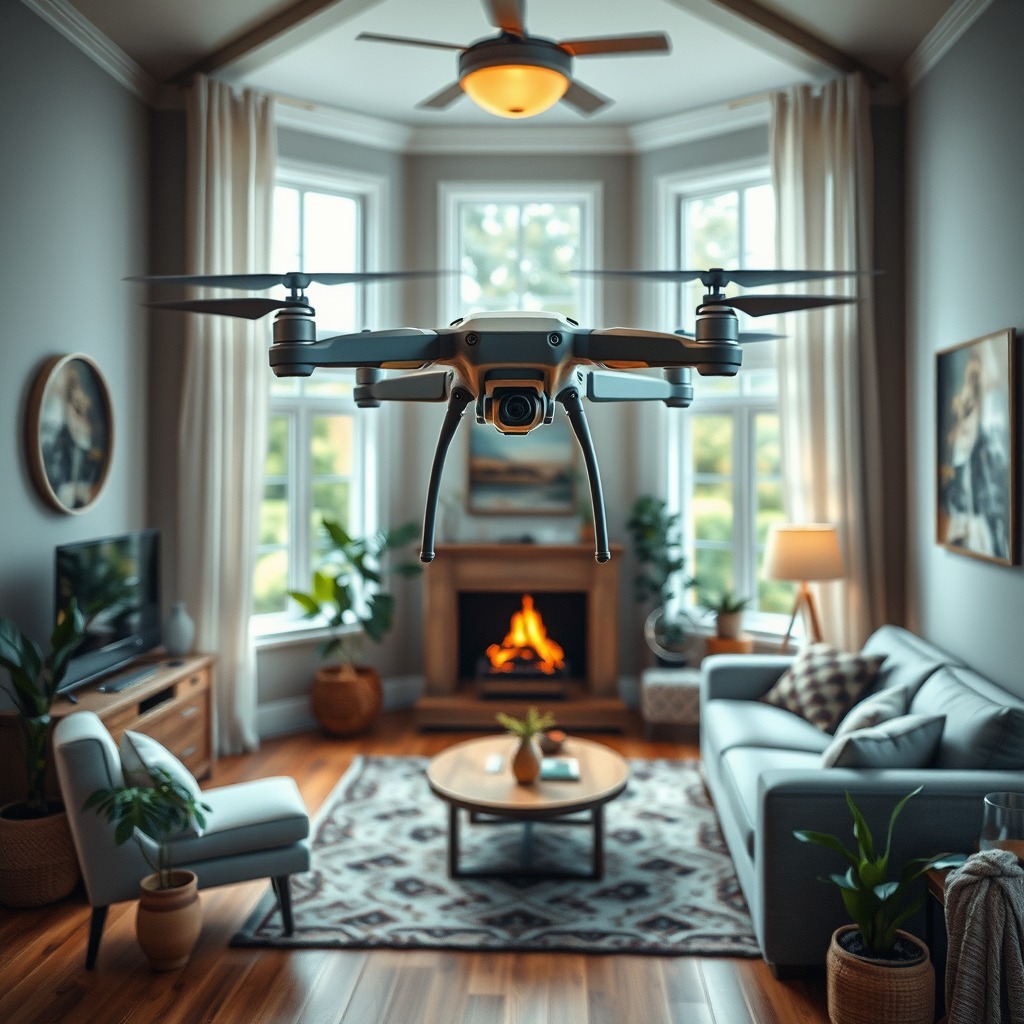
Drones can legally fly as close as 0 feet to your house, but various factors such as local regulations, privacy concerns, and airspace restrictions will influence how close they can actually approach. Understanding these elements is crucial for homeowners who want to protect their privacy and ensure the safety and legality of drone operations in their vicinity. This article delves into these considerations, providing you with a comprehensive overview of how close a drone can legally fly to your home.
Understanding Drone Regulations
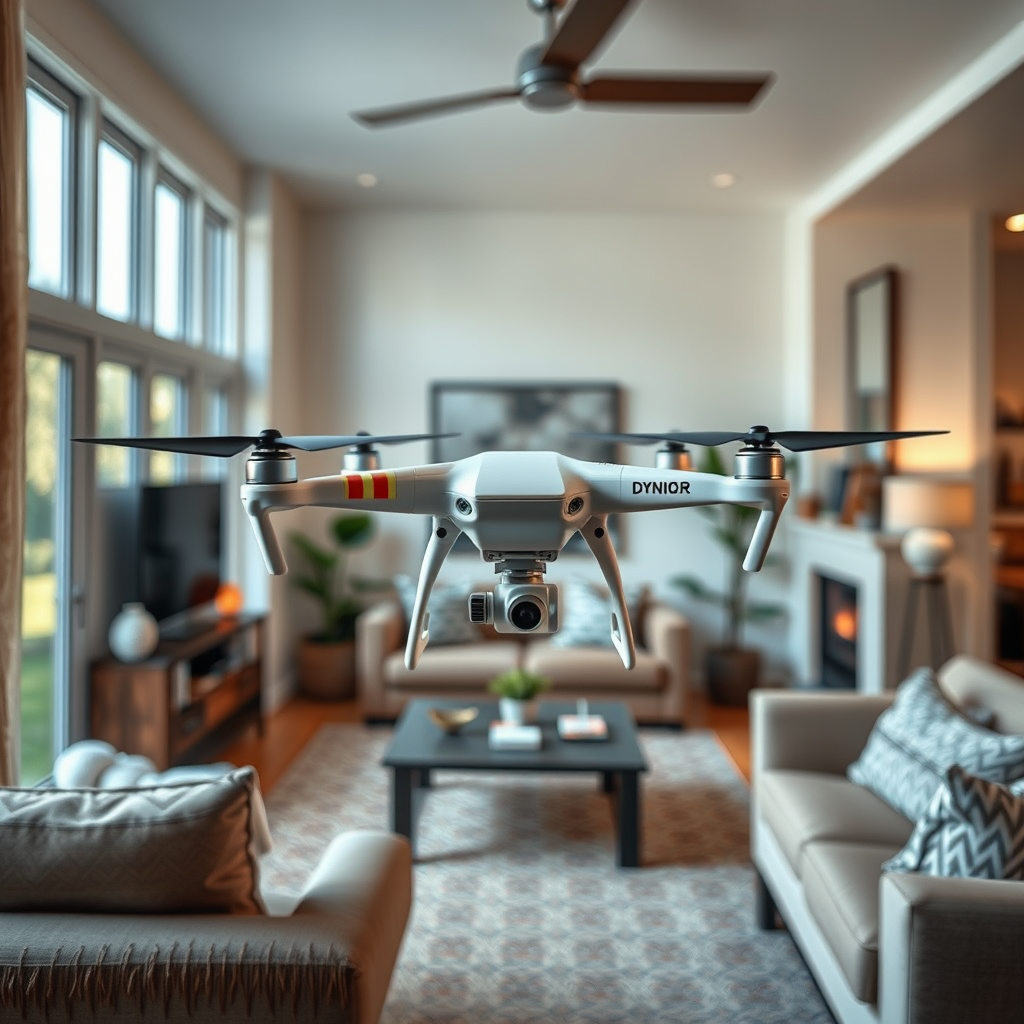
The Federal Aviation Administration (FAA) plays a pivotal role in regulating drone flights across the United States. One of the most critical regulations is the altitude limit, which restricts drones from flying higher than 400 feet above ground level. However, the distance drones can approach your property is not solely determined by this altitude limit. State and local laws may impose additional restrictions that can further dictate drone operations near private homes.
For instance, some municipalities have enacted ordinances that prohibit drone flights within specific distances from residential areas, particularly over private property. It is essential for homeowners to familiarize themselves with both federal and local regulations to understand their rights and the limitations placed on drone operators. Additionally, drone operators are required to register their drones with the FAA if they weigh over 0.55 pounds, further ensuring accountability in drone operations.
Privacy Considerations
Privacy is a significant concern for many homeowners when it comes to drone flights. Drones equipped with cameras can capture images and videos that may infringe upon an individual’s right to privacy. In certain jurisdictions, homeowners may have legal grounds to request that drones maintain a minimum distance from their property, particularly if the drone is equipped with surveillance technology.
The concept of “trespassing” by air is also pertinent. While airspace is generally considered public, flying a drone at a low altitude over private property without permission could be interpreted as an invasion of privacy. Homeowners who feel their privacy is being violated can consult legal counsel to understand their rights and explore options for addressing unauthorized drone activity.
Airspace Classifications
Understanding airspace classifications is crucial for both drone operators and homeowners. The airspace near your home may fall into different categories, including Class G (uncontrolled) and Class B (controlled airspace), which dictate the permissions and limitations for drone flights.
In Class G airspace, which is typically found in rural or less populated areas, drone operators have more freedom to fly. Conversely, in Class B airspace, often located near airports, strict regulations apply, and drone flights are heavily monitored. It is essential for drone operators to be aware of the airspace classification surrounding a home to ensure compliance with regulations and avoid potential conflicts with homeowners.
Moreover, the FAA provides resources, such as the B4UFLY app, which allows drone operators to check airspace classifications and any associated restrictions. Homeowners can also utilize this app to understand the airspace dynamics around their property.
Noise and Disturbance Issues
Drones can be noisy, causing disturbances in residential areas. The sound generated by a drone can range from a low hum to a more disruptive buzz, depending on its size and model. This noise can detract from the peaceful enjoyment of a home and may lead to complaints from neighbors.
To mitigate noise-related disturbances, many local ordinances impose restrictions on drone usage during certain hours, particularly in residential neighborhoods. For example, some municipalities may prohibit drone flights during late-night hours to minimize disturbances to residents. Homeowners should be aware of these local rules and communicate any noise issues to drone operators or local authorities when necessary. Encouraging responsible drone use in the community can help maintain harmony among neighbors.
Neighborly Relations and Community Standards
Building and maintaining good relationships with neighbors can significantly impact the perception of drone flights in your area. Open communication can help address concerns about drone activity, especially if a neighbor is operating a drone frequently. Discussing drone flights with neighbors may lead to mutual agreements on acceptable flying practices, such as designated flying times or specific areas for drone operations.
Additionally, some communities may have their own guidelines or standards regarding drone use. These community-oriented regulations can promote responsible drone operations and encourage a culture of respect among residents. Homeowners are encouraged to participate in local community meetings or forums to voice their concerns and contribute to establishing drone usage standards that benefit everyone.
Safety and Liability Concerns
Drones, while innovative and exciting, can pose safety risks, particularly if they malfunction or crash near homes. The potential for injury or property damage raises valid concerns among homeowners. In the event of a drone accident, questions of liability may arise, leading to legal disputes between drone operators and affected homeowners.
It is essential for drone operators to maintain their equipment regularly and operate within the guidelines set forth by the FAA to minimize risks. Homeowners should also be proactive in understanding their rights in case of an incident involving a drone. Consulting with legal professionals can provide clarity on liability issues and help homeowners navigate potential conflicts.
Reporting and Complaining About Drones
If you encounter unauthorized drone activity that you believe infringes upon your privacy or violates local regulations, it is crucial to know how to report it. Local authorities, such as law enforcement or municipal offices, typically handle drone-related complaints. Familiarizing yourself with the reporting process in your area can empower you to take action if needed.
Understanding your rights is essential when dealing with drone issues. Homeowners have the right to request that drones respect their privacy and property lines. Documenting instances of unauthorized drone flights can also be helpful when discussing concerns with local authorities or seeking legal recourse.
In conclusion, while drones can fly relatively close to your home, various regulations and considerations influence how close they can legally and ethically approach. A comprehensive understanding of drone regulations, privacy concerns, airspace classifications, and community standards is vital for homeowners. Engaging with your community and staying informed about local laws will help foster responsible drone use, ensuring a harmonious coexistence between drone operators and homeowners.
Frequently Asked Questions
What are the legal restrictions for drones flying near residential areas?
The legal restrictions for drones flying near residential areas vary by country and locality, but generally, regulations stipulate that drones must not fly over private property without consent. In the U.S., the Federal Aviation Administration (FAA) requires drones to maintain a minimum altitude of 400 feet and encourages operators to stay away from populated areas. Always check local laws and regulations, as some municipalities have specific ordinances regarding drone usage.
How can I find out if a drone is flying near my house?
To find out if a drone is flying near your house, you can utilize drone tracking apps like AirMap or DroneRadar, which provide real-time information on drone flights in your area. Additionally, you can monitor news reports or local forums where residents may share sightings. If you suspect a drone is invading your privacy, consider consulting local authorities for assistance.
Why do drones fly close to homes, and what are the common reasons?
Drones may fly close to homes for various reasons, including aerial photography, surveying land, agricultural monitoring, or recreational use. In some cases, they are used by delivery services or real estate companies to capture property images. However, this can raise privacy concerns for homeowners, making it essential to understand local regulations governing drone proximity to residences.
What should I do if a drone is consistently flying over my property?
If a drone is consistently flying over your property, first document the drone’s activities, noting times and frequency. You can then approach the operator, if known, to discuss your privacy concerns. If the situation persists or you feel uncomfortable, contact local law enforcement or the FAA to report the drone activity, as it may be violating privacy or safety regulations.
Which drones are most likely to be seen flying around residential areas?
Drones most likely seen flying around residential areas include consumer-grade models like the DJI Mini series, Phantom series, and Parrot Anafi, as they are popular for recreational use and photography. Additionally, commercial drones used for surveying or real estate purposes, such as the DJI Inspire, are also common. Understanding the types of drones in your area can help you assess their purpose and potential impact on your privacy.
References
- https://en.wikipedia.org/wiki/Drone_regulation
- https://www.faa.gov/uas/commercial_operators/
- https://www.faa.gov/uas/getting_started/
- https://www.nytimes.com/2021/01/01/us/drone-laws.html
- https://www.theguardian.com/us-news/2020/dec/14/drone-laws-regulations-united-states
- https://www.nap.edu/catalog/21805/drone-operations-in-the-us-national-airspace-system
- https://www.techrepublic.com/article/how-close-can-a-drone-fly-to-your-house/
- https://www.wired.com/story/drones-neighborhood-privacy-issues/
