
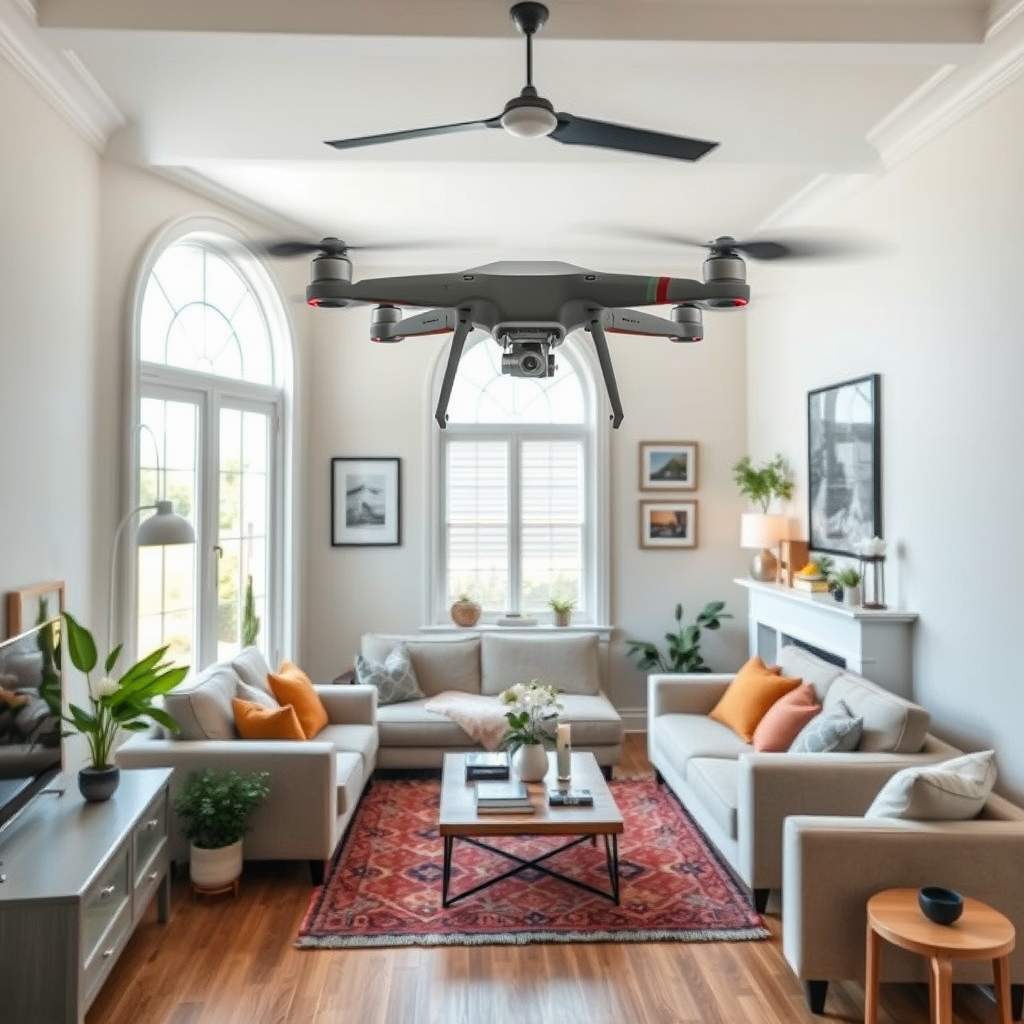
You can typically fly a drone within 25 feet of a house, but local regulations and privacy concerns may impose stricter limits. Understanding these factors is crucial for responsible drone operation. This article delves into the various aspects of flying drones near residential properties, including regulatory requirements, privacy considerations, safety guidelines, best practices, local ordinances, and the consequences of non-compliance.
Understanding Drone Regulations
Drone regulations are primarily governed by the Federal Aviation Administration (FAA) in the United States, which sets forth guidelines designed to ensure safety and compliance in the airspace. According to the FAA, drone operators must maintain visual line-of-sight with their drones and avoid flying over people, which can indirectly influence how close one can fly to a house. While the FAA does not specify a rigid distance, it is generally accepted that flying within 25 feet is acceptable under most conditions, provided that the flight is conducted safely and respectfully.
However, local laws can vary significantly from one municipality to another. Some cities and counties have enacted their own ordinances that may restrict drone use even further, especially in residential areas. For instance, certain urban environments may prohibit drone flights within a specified distance from private property without prior permission. Therefore, it is essential for drone pilots to research local regulations, which can often be found on municipal websites or by contacting local aviation authorities. Familiarizing oneself with these regulations is crucial for avoiding potential penalties or legal issues.
Privacy Considerations
Flying a drone too close to a house can raise significant privacy concerns for homeowners. The ability of drones to capture high-resolution images and videos has made it increasingly important for drone operators to be cognizant of the privacy rights of individuals. Homeowners may feel uncomfortable or violated if they notice a drone hovering near their property, especially if they are unaware of the purpose behind the flight.
To mitigate privacy issues, drone pilots should respect personal space and avoid capturing images or videos of people or private property without explicit consent. Establishing an open line of communication with homeowners before flying near their residences can help alleviate concerns and foster a sense of trust. Additionally, drone operators should be aware of the ethical implications of their actions and strive to conduct their flights in a manner that respects the privacy of others.
Safety Guidelines for Flying Near Homes
Safety is paramount when operating a drone near residential properties. Maintaining a safe distance from homes not only helps avoid accidents but also prevents potential property damage. Drones can malfunction or experience technical difficulties, leading to crashes that could result in injury or damage to property. To minimize risks, drone pilots should adhere to the following safety guidelines:
1. Maintain Distance: While the FAA may allow flights within 25 feet, consider flying higher or further away to ensure safety.
2. Be Aware of Obstacles: Before taking off, conduct a thorough assessment of the area to identify potential hazards like trees, power lines, and other structures that could impede the flight path.
3. Avoid Flight During Poor Conditions: Weather conditions play a critical role in drone safety. Wind, rain, and low visibility can all impact flight stability and control. Pilots should refrain from flying during adverse weather conditions that could compromise safety.
By following these safety guidelines, drone pilots can significantly reduce the risk of accidents and ensure a more responsible flying experience.
Best Practices for Drone Pilots
To promote responsible drone operation, there are several best practices that pilots should adopt when flying near homes. Communication is key; informing homeowners in advance of your intentions can go a long way in establishing mutual respect. Here are some actionable insights for drone pilots:
1. Notify Homeowners: If you plan to fly near someone’s property, consider reaching out to them beforehand. This not only shows respect but can also help you gain valuable insights about any specific concerns they may have.
2. Use a Spotter: Enlisting the help of a spotter can enhance safety and compliance. A spotter can monitor the drone’s flight path, watch for obstacles, and help navigate while the pilot maintains focus on the drone’s operation.
3. Educate Yourself: Stay informed about the latest drone regulations and best practices. Online courses, forums, and community groups can provide valuable resources for continuing education in drone operation.
By following these best practices, drone pilots can foster positive relationships with the community while ensuring a safe and enjoyable flying experience.
Local Ordinances and Community Rules
In addition to federal and state regulations, many communities have specific ordinances that restrict drone use. These local laws may dictate where and when drones can be flown, especially in densely populated areas. For example, some cities have designated no-fly zones over schools, parks, and certain residential areas to protect privacy and safety.
Before taking off, it is imperative to check with local authorities or homeowner associations to understand any specific rules that might apply. This due diligence can help avoid conflicts and ensure compliance with community standards. Additionally, engaging with local flying clubs or drone enthusiast groups can provide insights into community norms and regulations.
Consequences of Non-Compliance
Failing to comply with drone regulations and local ordinances can lead to serious consequences. Fines and penalties can arise from flying too close to homes or violating specific regulations, with amounts varying based on jurisdiction and the severity of the infraction. In some cases, repeated violations can result in the suspension of one’s drone operating privileges.
Moreover, homeowners may take legal action if they feel their privacy has been infringed upon. This could involve civil lawsuits, which can be costly and time-consuming. It is crucial for drone pilots to understand the potential legal ramifications of their actions and operate within the bounds of the law to avoid such negative outcomes.
In summary, while flying a drone close to a house can be permissible under certain conditions, it is vital to adhere to regulations, respect privacy, and prioritize safety. By understanding drone regulations, considering privacy concerns, following safety guidelines, and being aware of local ordinances, drone pilots can ensure responsible operation. Always do your research and operate your drone in a way that fosters goodwill in the community while mitigating risks to yourself and others.
Frequently Asked Questions
What are the legal restrictions on flying a drone near residential homes?
In many countries, including the United States, the Federal Aviation Administration (FAA) regulates drone flight operations. Generally, you must maintain a minimum distance of 25 feet from people and structures when flying a drone. Additionally, local laws may impose stricter rules, so it’s essential to check regulations specific to your area to avoid any legal issues.
How close can I fly my drone to a house without violating privacy laws?
While there is no specific distance that universally defines privacy violations, flying a drone too close to someone’s home can be perceived as intrusive. It is advisable to fly at least 100 feet away from residential properties to respect privacy boundaries. Always be mindful of local laws and regulations regarding privacy rights, as they can vary significantly by location.
Why is it important to know how close I can fly a drone to a house?
Understanding the distance limitations for flying a drone near residential areas is crucial for several reasons. It helps prevent potential legal repercussions, such as fines or penalties, due to violations of local drone laws. Additionally, respecting the privacy of homeowners fosters goodwill and trust within the community, ensuring a more positive experience for drone operators.
What are the best practices for flying a drone near houses?
To ensure a safe and respectful drone flying experience near houses, adhere to the following best practices: maintain a minimum distance of 100 feet from homes, avoid flying over private property without permission, and operate during daylight hours to enhance visibility. Additionally, consider using a drone with noise-reduction technology to minimize disturbance to residents.
Which drone regulations should I be aware of when flying near residential areas?
When flying a drone near residential areas, it’s essential to familiarize yourself with both federal and local regulations. The FAA requires drones to be flown below 400 feet and away from airports, while many municipalities have their own rules regarding flying over private property. It’s also important to avoid flying in restricted airspace, such as near schools or government buildings, to ensure compliance with all regulations.
References
- https://www.faa.gov/uas/
- https://en.wikipedia.org/wiki/Drone_regulations
- https://www.nytimes.com/2021/04/20/technology/drone-laws.html
- https://www.reuters.com/business/aerial-drones-regulation-what-you-need-know-2021-04-05/
- https://www.ncbi.nlm.nih.gov/pmc/articles/PMC6522675/
- https://www.npr.org/2021/06/21/1004926705/drone-regulations-what-you-need-to-know
- https://www.techhive.com/article/3536473/drone-laws-what-you-need-to-know.html
