
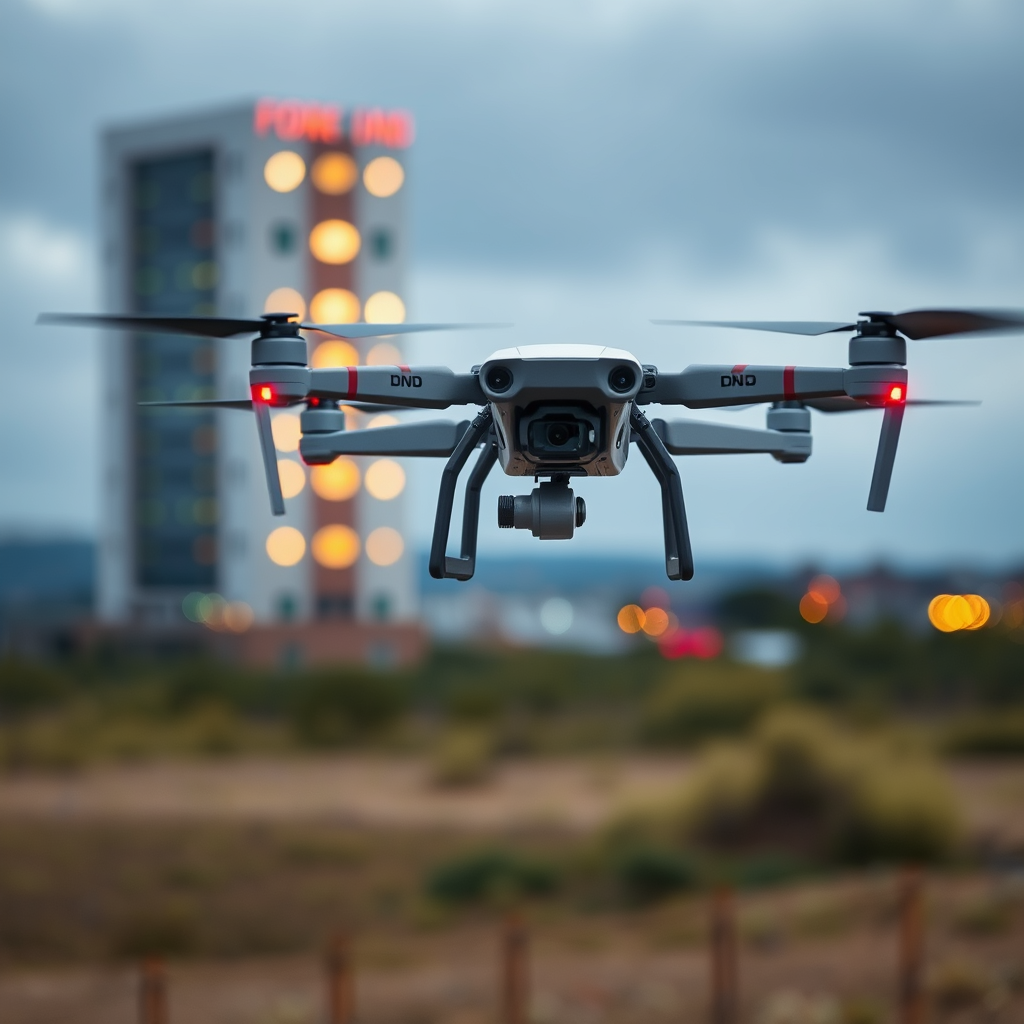
Military drones can be controlled at distances of up to several hundred miles, depending on the technology used and the specific operational requirements. This capability allows for remote piloting and surveillance operations, making them a vital asset in modern military strategies. The advancements in communication technologies and control systems have significantly expanded the operational range of military drones, providing military forces with unprecedented flexibility and reach in various combat scenarios.
Understanding Drone Control Technology
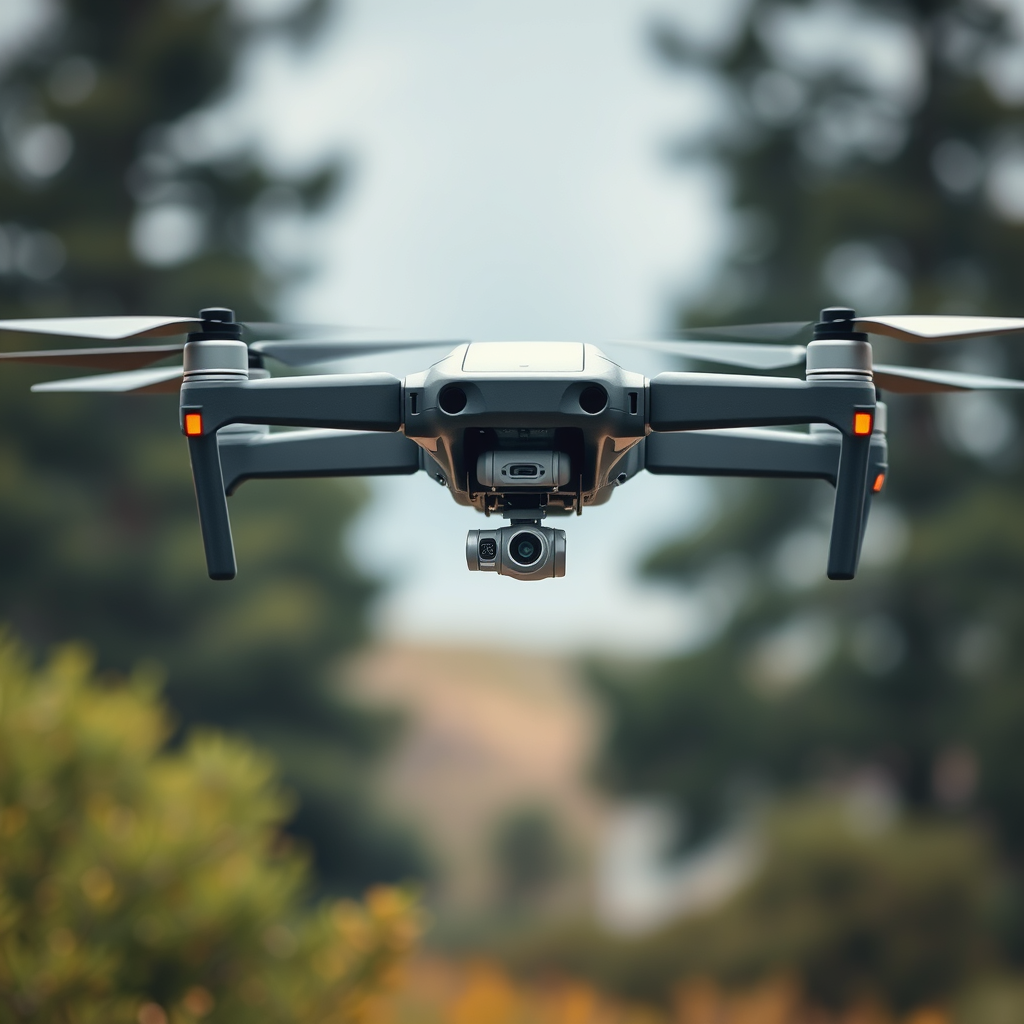
The control systems employed in military drones are sophisticated and varied, encompassing both traditional remote control methods and advanced autonomous systems. Primarily, drones are operated through a combination of ground control stations (GCS) and onboard systems that process real-time data. GCS typically utilize radio frequencies to maintain communication with the drone, allowing operators to issue commands and receive telemetry data. This interaction is crucial for maneuvering the drone in complex environments.
A key distinction in drone control technology is the difference between line-of-sight (LOS) and beyond visual line-of-sight (BVLOS) operations. LOS control requires the operator to maintain visual contact with the drone, which limits the operational range to a few miles. In contrast, BVLOS operations enable control at much greater distances, often exceeding hundreds of miles. BVLOS is particularly advantageous for surveillance and reconnaissance missions, where drones can operate far from the operator’s location without the need for direct visual contact.
Factors Affecting Control Range
Several factors influence the effective control range of military drones, with communication technology being one of the most critical. The type of communication system employed, whether it be radio frequency, satellite, or cellular networks, significantly impacts the range and reliability of drone operations. For instance, satellite communication systems can extend operational ranges to thousands of miles, enabling real-time control and data transfer regardless of geographic barriers.
Environmental factors also play a significant role in determining the control range of military drones. Elements such as terrain, atmospheric conditions, and interference from other electronic devices can affect signal strength and reliability. For example, mountainous regions may obstruct radio signals, while urban environments with high electromagnetic interference can complicate communications. Understanding these factors is essential for military planners when deploying drones in various operational theaters.
Types of Military Drones and Their Ranges
Military drones can be broadly classified based on their operational range. Short-range drones typically operate within a few miles of their control station and are often used for tactical surveillance and reconnaissance. Medium-range drones can cover distances of up to 100 miles, providing enhanced capabilities for intelligence gathering. Long-range drones, such as the MQ-9 Reaper, can be controlled at distances exceeding 1,000 miles, allowing for strategic operations across vast territories.
For specific examples, the RQ-11 Raven is a short-range drone with a control distance of approximately 10 kilometers (about 6 miles), making it suitable for close combat support. In contrast, the MQ-1 Predator drone has a range of around 400 miles, while the MQ-9 Reaper can operate effectively at distances of over 1,200 miles. These varying capabilities highlight the diversity in drone technology and its application in military operations, catering to different mission needs and strategic objectives.
The Role of Satellite Communication
Satellite communication plays a crucial role in extending the control range of military drones. By utilizing satellite links, operators can maintain a reliable connection with drones operating beyond the line of sight, significantly enhancing their operational capabilities. This technology allows for continuous data transmission, including video feeds and telemetry, enabling real-time decision-making during missions.
The benefits of satellite communication in military operations extend beyond mere range. It also enhances the resilience of drone operations against jamming and other forms of electronic warfare. Since satellite communications can operate on various frequencies and utilize advanced encryption techniques, they are less susceptible to interference compared to traditional radio communications. This capability is particularly vital in modern warfare, where electronic warfare tactics are increasingly employed to disrupt enemy capabilities.
Challenges and Limitations
Despite the advancements in drone technology, several challenges and limitations remain regarding control distance. One significant technical limitation is the bandwidth of communication systems. High-resolution video feeds and extensive telemetry data require substantial bandwidth, which can be a limiting factor when operating at long distances. As a result, operators may need to prioritize data transmission, potentially compromising the quality or quantity of information received.
Legal and ethical considerations also pose challenges for extended-range drone operations. Many countries have strict regulations governing the use of drones, particularly concerning privacy and airspace management. As military drones extend their operational ranges, navigating these legal frameworks becomes increasingly complex. Ethical considerations, such as the potential for collateral damage in civilian areas, also weigh heavily on military decision-makers as they plan drone missions.
Future Developments in Drone Control
The future of drone control technology is promising, with emerging technologies poised to enhance operational capabilities. Advancements in artificial intelligence (AI) and machine learning are expected to enable greater autonomy in drone operations, allowing them to make real-time decisions without direct human intervention. This could significantly reduce the cognitive load on operators and facilitate more efficient mission execution.
Additionally, the development of advanced communication technologies, such as 5G networks and low Earth orbit satellite constellations, could further extend the control range and reliability of military drones. These innovations may allow for seamless, high-bandwidth communication between ground control and drones operating in remote or challenging environments. Anticipated changes in military drone operations and strategies will likely focus on integrating these technologies to create a more responsive and adaptable drone fleet capable of operating in dynamic combat scenarios.
In conclusion, the control range of military drones is a complex subject influenced by technology, environmental factors, and ongoing developments in communication systems. Understanding these aspects is essential for grasping the future of military operations. As advancements in drone technology continue to evolve, they will undoubtedly shape modern warfare, offering militaries around the world enhanced capabilities and strategic advantages. Staying informed about these technological advancements is crucial for those interested in the implications of military drone operations.
Frequently Asked Questions
How far away can military drones be controlled from their operators?
The range from which military drones can be controlled varies significantly depending on the type of drone and its communication systems. Generally, many military drones can be operated from distances of up to 100 miles (160 kilometers) using satellite communications. However, some advanced models, like the MQ-9 Reaper, can be controlled from even greater distances, reaching up to 1,000 miles (1,600 kilometers) when utilizing high-bandwidth satellite links.
What factors influence the control range of military drones?
Several factors influence the control range of military drones, including the type of communication technology used (such as RF, satellite, or cellular), environmental conditions, and terrain. For instance, satellite communications can extend range significantly, but obstacles like mountains and urban structures can impede line-of-sight radio signals, reducing effective control distance. Additionally, the drone’s onboard systems, such as its antennas and signal processing capabilities, also play a crucial role in determining control range.
Why are some military drones limited in their control distance?
Military drones may be limited in their control distance primarily due to technological constraints and security considerations. Communication systems that operate at longer ranges can be more susceptible to jamming or interception, making it crucial to balance range with the integrity of the data being transmitted. Additionally, regulatory and tactical factors, such as the need to maintain real-time control and minimize latency, may impose restrictions on operational distance.
Which military drones have the longest control ranges?
Among military drones, the Global Hawk and MQ-9 Reaper are known for their extended control ranges. The Global Hawk, primarily used for surveillance, can operate at distances exceeding 1,200 nautical miles (approximately 1,380 miles or 2,220 kilometers) from its control station thanks to satellite communication. Similarly, the MQ-9 Reaper can be controlled from long distances, making it suitable for both reconnaissance and strike missions while maintaining a secure connection with its operators.
How do military operators maintain control over drones at long distances?
Military operators maintain control over drones at long distances through a combination of advanced satellite communication systems and ground control stations equipped with sophisticated software. These systems often utilize multiple communication links to ensure robust connectivity, including secure data channels for video feeds and command signals. Additionally, operators are trained to handle potential disruptions or signal loss, allowing them to execute pre-programmed flight paths or return-to-home protocols if necessary.
References
- https://en.wikipedia.org/wiki/Military_drone
- https://www.rand.org/pubs/research_reports/RR2847.html
- https://www.nytimes.com/2021/06/15/us/politics/drone-strikes-military.html
- https://www.researchgate.net/publication/332076253_The_Impact_of_Drones_on_Warfare
- https://www.defense.gov/Explore/Features/Story/Article/Article/2342652/the-future-of-drones-in-the-us-military/
- https://www.airforce.com/drones
- https://www.bbc.com/news/world-us-canada-51692542
- https://www.sciencedirect.com/science/article/pii/S0360835219300927
- https://www.jstor.org/stable/10.5325/jcivilecon.12.1.0103
