
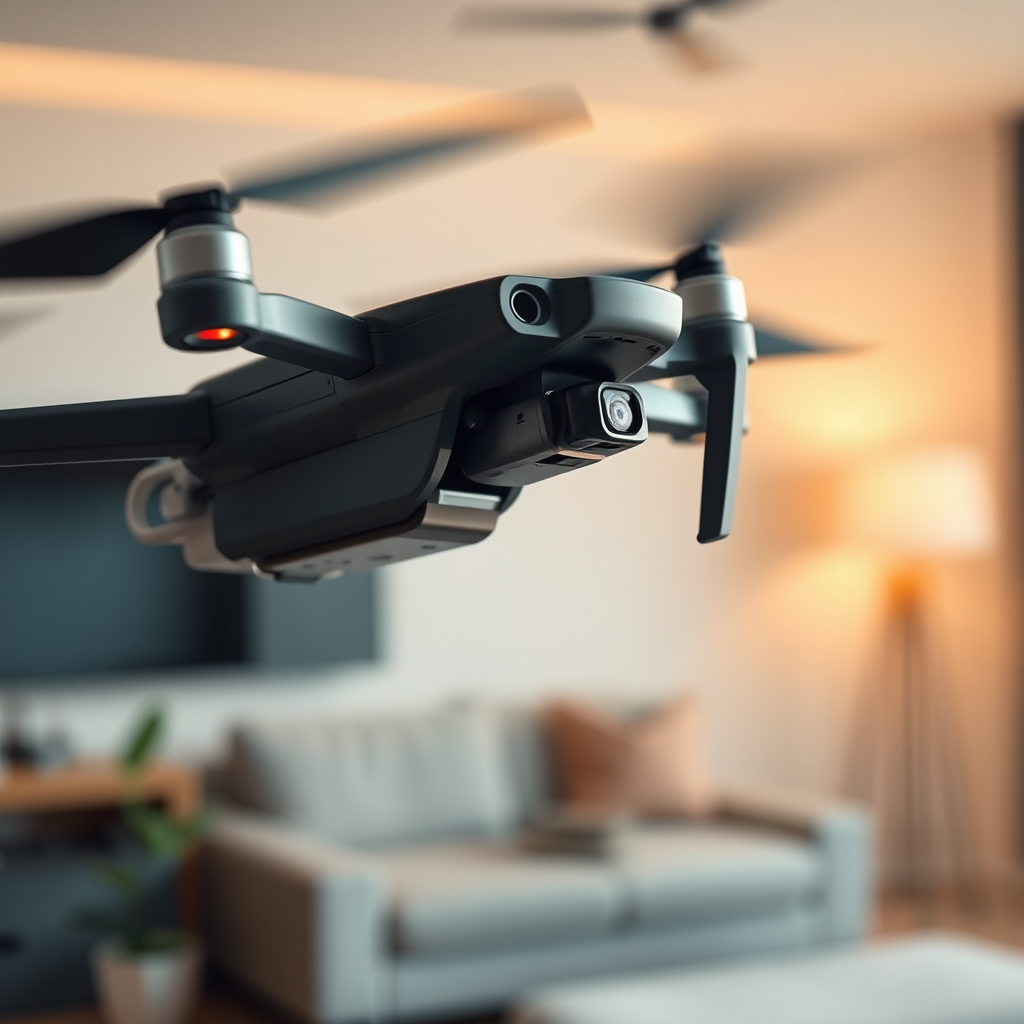
Drones can typically be seen from a distance of about 1 to 3 miles, depending on various factors such as size, color, and environmental conditions. Visibility is influenced not only by the drone’s physical characteristics but also by the surrounding environment and the observer’s location. This article delves into these factors, offering insights to enhance your ability to spot drones at a distance.
Factors Affecting Drone Visibility
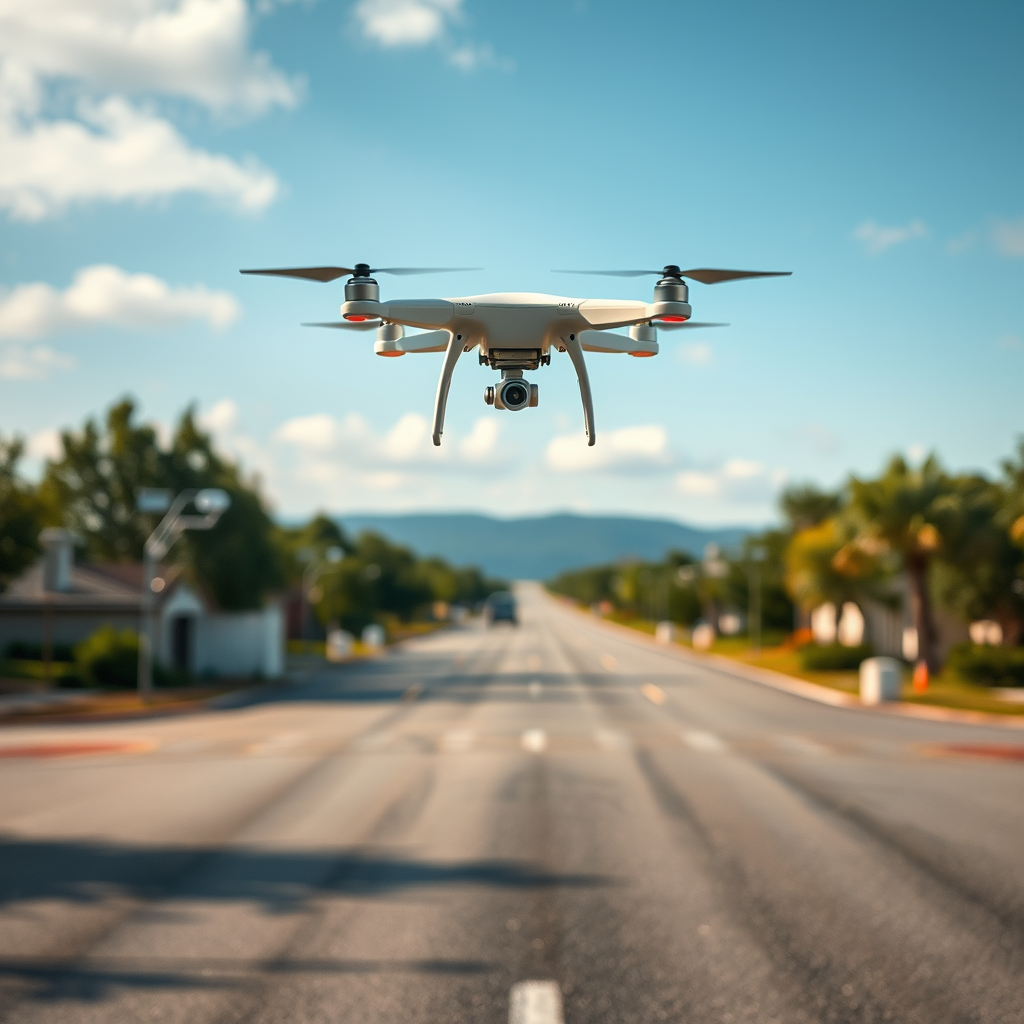
– Size of the Drone: One of the most obvious factors affecting visibility is the size of the drone. Larger drones, such as those used for commercial purposes or heavy lifting, are generally easier to see from a distance. For instance, a large quadcopter with a wingspan of around 2 feet can be spotted more easily than a smaller racing drone, which may only measure a foot in width. This size difference is critical, as it not only affects visibility but also the likelihood of the drone being registered or reported by nearby observers.
– Color and Design: The color and design of a drone play significant roles in its visibility. Brightly colored drones, such as those in neon orange or yellow, stand out against a blue sky, making them easier to spot. In contrast, darker colors or camouflaged designs can make drones blend into the background, particularly in environments with similar hues. For example, a black drone flying over a forest may be nearly invisible, while a white drone against a clear sky is much more noticeable. Manufacturers are increasingly aware of this and are designing drones with visibility in mind, incorporating vivid colors and reflective materials that enhance sighting from afar.
Environmental Conditions
– Lighting: Lighting conditions can dramatically influence how far away a drone can be seen. During the daytime, when natural light is abundant, visibility is typically optimal. However, as the sun sets or rises, shadows grow longer and can obscure smaller drones. In these twilight hours, drones may become harder to see, especially if they are not equipped with lights. For example, a drone flying at dusk may be virtually invisible unless it has bright LED lights or reflective materials.
– Weather Conditions: Environmental factors such as fog, rain, and snow can significantly reduce the distance from which a drone can be seen. High humidity, for instance, can create a haze that obscures visibility. Similarly, heavy rain or snowfall can create a challenging environment for spotting drones. Clear, dry weather conditions are ideal for maximum visibility, allowing observers to see drones from greater distances.
Observer’s Location
– Elevation: The observer’s location plays a crucial role in determining how far away they can see a drone. Individuals positioned at a higher elevation, such as on a hill or in a tall building, can gain a broader view of the surrounding area. For instance, a drone flying in a valley may be difficult to see from ground level but could be easily spotted from a lookout point on a nearby hill.
– Obstructions: Physical obstructions such as trees, buildings, and other structures can block the line of sight to a drone, making it difficult to see, even from a short distance. In urban environments, where buildings are taller and denser, the likelihood of obstructions is higher, complicating visibility. For example, a drone flying in a cityscape may be obscured by skyscrapers, whereas the same drone would be easily visible in an open field.
Drone Altitude
– Flight Height: The altitude at which a drone is flying directly impacts its visibility. Drones flying at higher altitudes can often be seen from further away, as they are less likely to be obstructed by terrain or structures. For instance, a drone flying at 400 feet might be visible from several miles away, while one flying at 100 feet might only be seen from a few hundred yards.
– Flight Path: The flight path of a drone also affects how easily it can be seen. Drones flying in open areas with minimal obstruction are generally more visible than those navigating through dense urban environments or wooded areas. For example, a drone flying over an open field or along a coastline is likely to be visible from a considerable distance, while one flying through a forested area may be nearly invisible due to the surrounding trees.
Legal Regulations and Best Practices
– Visibility Requirements: Many regions have established regulations that require drone operators to maintain a visual line of sight with their drones during flight. This is not only a legal requirement but also a safety measure to prevent accidents and ensure that drones can be monitored. For example, the Federal Aviation Administration (FAA) in the United States mandates that recreational drone pilots keep their drones within visual range to avoid potential collisions with manned aircraft.
– Safety Measures: Adhering to legal guidelines enhances safety for both drone operators and the general public. Operators are encouraged to stay informed about local regulations and best practices for drone visibility. This can include using drones equipped with lights for nighttime flying and ensuring that the drone’s operational area is free of unnecessary obstructions.
Enhancing Visibility
– Using Lights: Equipping drones with LED lights is an effective way to improve visibility, especially in low-light conditions. Many drones come with integrated lighting systems that can be activated during flight. For example, a brightly lit drone can be seen from several miles away at night, which enhances safety for both the operator and others in the vicinity.
– Reflective Materials: Adding reflective stickers or materials to a drone can also make it more noticeable from a distance. This is particularly beneficial for darker-colored drones that might otherwise blend into the background. Operators can customize their drones with reflective tape or decals in bright colors to enhance visibility.
In summary, while the general visibility range for drones is between 1 to 3 miles, various factors—including size, color, altitude, environmental conditions, and the observer’s location—significantly influence how far away they can be seen. Understanding these elements not only aids drone enthusiasts in maximizing their visibility but also contributes to safer drone operation practices. By considering these factors and implementing best practices, operators and observers alike can enhance situational awareness and safety in the skies.
Frequently Asked Questions
How far away can you typically see a drone in the sky?
The visibility of a drone largely depends on its size, color, and the surrounding environment. Generally, a small consumer drone can be seen from about 1 to 2 miles away under optimal conditions, such as clear weather and a contrasting background. However, larger drones, like those used for commercial purposes, can be visible from even greater distances, sometimes up to 3 miles or more, especially if they are flying at higher altitudes.
What factors affect how far you can see a drone?
Several factors influence the visibility range of a drone, including its size, color, altitude, and the clarity of the weather. Drones that are brightly colored or have lights are easier to spot than those that are painted in camouflage or neutral tones. Additionally, atmospheric conditions such as fog, rain, or haze can significantly reduce visibility, making it harder to see a drone even if it’s relatively close.
Why is it important to know how far away you can see a drone?
Understanding how far away you can see a drone is crucial for both drone operators and bystanders. For operators, this knowledge ensures compliance with regulations that mandate keeping drones within visual line-of-sight (VLOS) during flight. For bystanders, being aware of drone visibility can help them recognize potential privacy concerns or safety issues, especially in areas where drone use is prevalent.
Which drones are easiest to see from a distance?
Drones that are larger and brightly colored are typically the easiest to see from a distance. For instance, drones used for commercial photography or surveying often have distinctive colors and larger frames, making them more noticeable than smaller consumer drones. Additionally, drones equipped with LED lights or reflective surfaces can enhance visibility, especially during dusk or nighttime flying.
How can I improve my ability to see a drone farther away?
To improve your ability to see a drone from a distance, pay attention to your surroundings and choose a location with a clear line of sight. Wearing polarized sunglasses can reduce glare and enhance visibility, particularly on sunny days. Furthermore, staying informed about the type of drone in your area and its typical flight patterns can help you anticipate when and where to look for them, making it easier to spot them in the sky.
References
- https://en.wikipedia.org/wiki/Drone
- https://www.faa.gov/uas/
- https://www.nasa.gov/mission_pages/earth/news/drones.html
- https://www.bbc.com/news/technology-49001504
- https://www.wired.com/story/drone-safety-regulations/
- https://www.sciencedirect.com/science/article/pii/S2352864817300953
- https://www.ncbi.nlm.nih.gov/pmc/articles/PMC6510455/
- https://www.theguardian.com/technology/2019/mar/14/the-drone-future-what-to-expect-in-the-next-five-years
- https://www.agi.com/news/blog/drone-visibility-and-detection
