
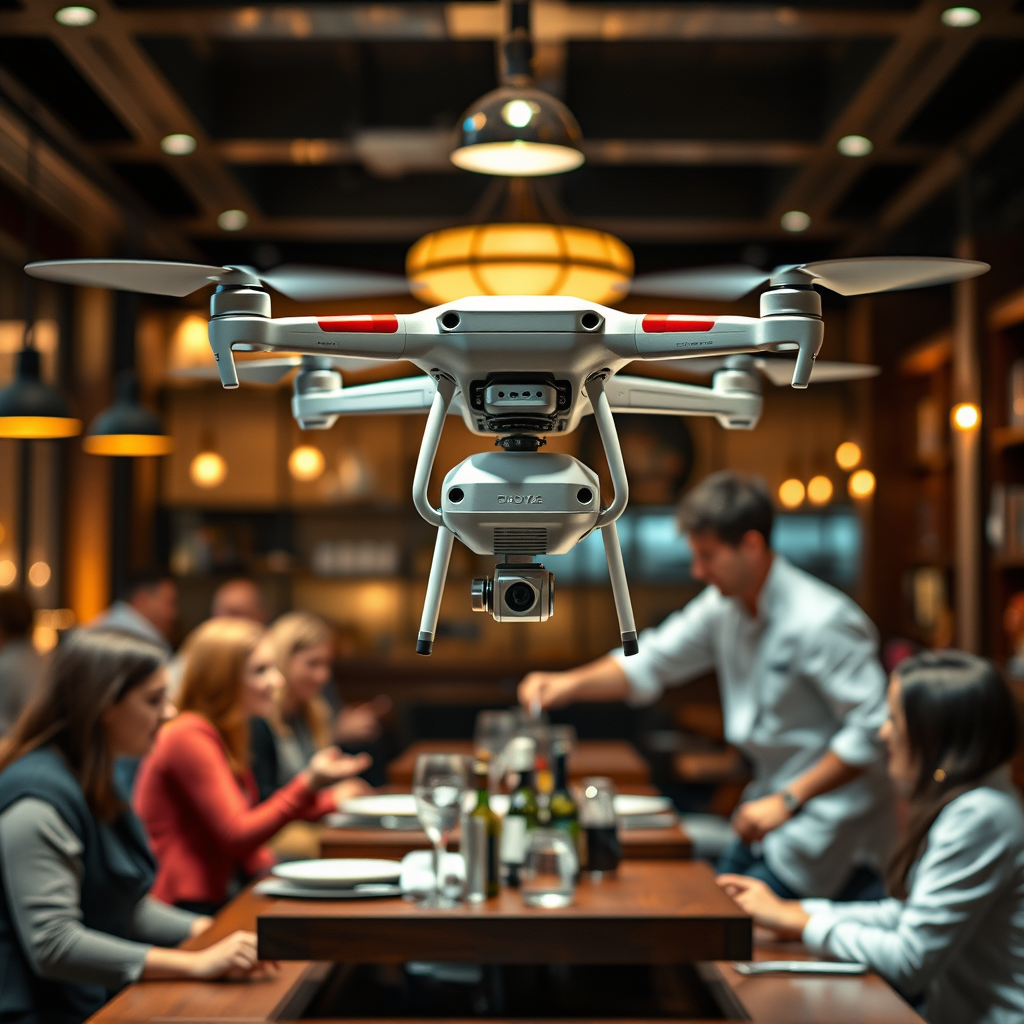
Delivery drones can typically fly between 10 to 30 miles on a single charge, depending on various factors such as design, weight capacity, and environmental conditions. Understanding the limitations and capabilities of these drones is essential for assessing their efficiency and potential for future delivery systems. As the world increasingly leans toward automation and rapid delivery solutions, knowing how far these drones can travel unveils the opportunities and challenges the logistics industry faces.
Understanding Drone Flight Range
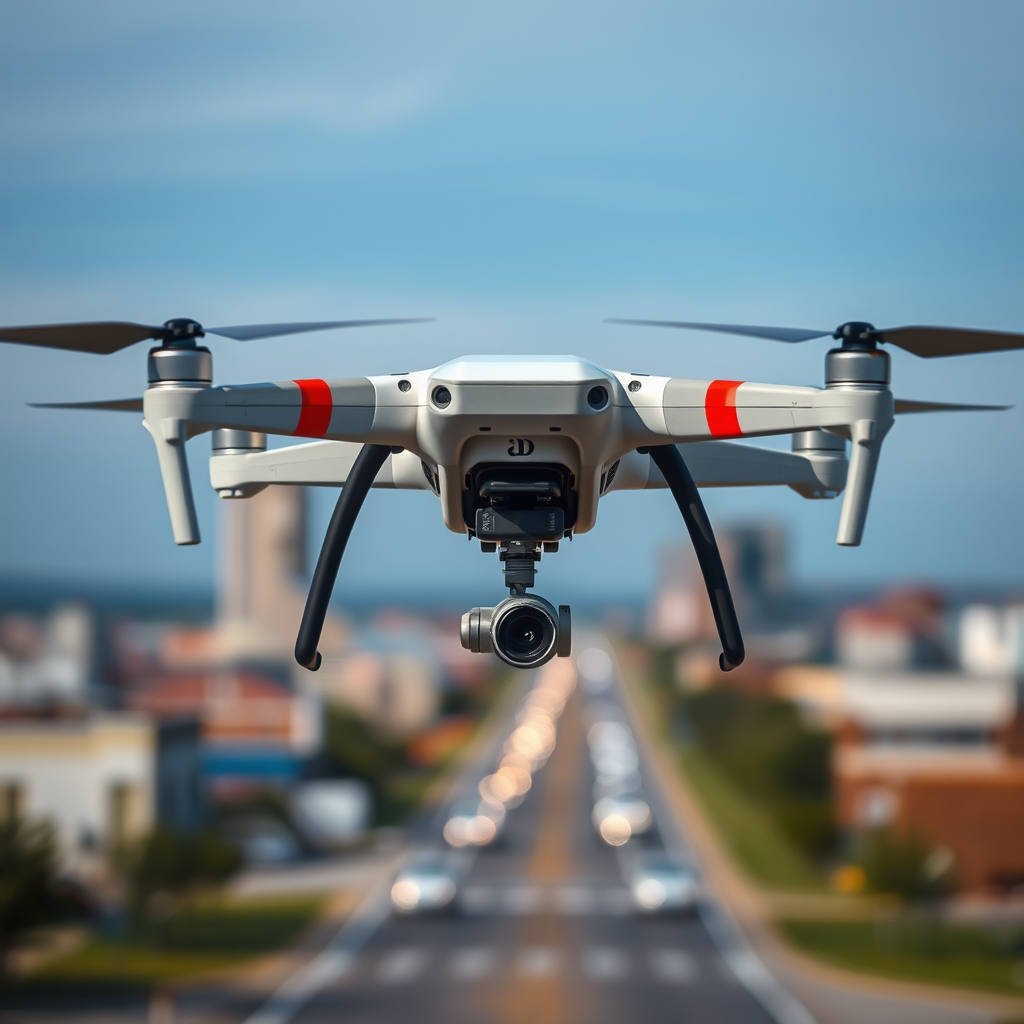
Most commercial delivery drones have a flight range that averages between 10 to 30 miles. This range varies based on the drone’s design specifications, including the type of propulsion system, aerodynamic efficiency, and battery capacity. For instance, some of the more advanced models, such as those developed by Zipline, can achieve ranges at the upper end of this spectrum, making them suitable for delivering medical supplies to remote areas. In contrast, smaller drones designed for urban deliveries may only manage ranges closer to the lower limit due to factors like weight restrictions and power consumption.
The design of the drone plays a crucial role in its operational range. For example, drones that employ cutting-edge aerodynamic designs tend to use less energy at cruising speed, thus extending their flight capabilities. Additionally, the choice of materials also impacts weight and, consequently, flight range—lighter drones can carry payloads further compared to their heavier counterparts.
Factors Affecting Flight Distance
Several key factors influence how far a delivery drone can effectively fly. One of the most significant is the weight of the payload. Delivery drones are engineered to carry specific weights, and exceeding this capacity can lead to reduced flight distances. For example, if a drone is designed to carry a maximum payload of 5 pounds, carrying a 6-pound package will not only decrease its range but can also jeopardize the safety and stability of the flight.
Weather conditions also play a critical role in determining flight distance. Adverse weather, such as strong winds, rain, or snow, can significantly impact a drone’s battery life and navigational capabilities. For instance, flying against a strong headwind increases energy consumption, thus shortening the drone’s effective range. Additionally, heavy precipitation can affect the drone’s sensors, making navigation more challenging and potentially leading to flight delays or rerouting.
Types of Delivery Drones
Delivery drones can generally be categorized into two main types: fixed-wing drones and multi-rotor drones. Fixed-wing drones, similar to traditional aircraft, are designed for longer flight ranges and are often used in applications requiring extensive coverage, such as agricultural monitoring and large-scale deliveries. These drones can glide efficiently and cover distances of over 50 miles on a single charge, making them ideal for rural or remote deliveries.
On the other hand, multi-rotor drones, which include quadcopters and hexacopters, are more maneuverable and can hover in place, making them excellent for urban deliveries where precision landing is essential. However, their battery life and flight distances tend to be shorter, generally falling within the range of 10 to 20 miles. The trade-off here is between range and versatility; while multi-rotor drones can navigate complex urban environments, their operational range is limited compared to their fixed-wing counterparts.
Battery Technology and Innovations
The battery technology utilized in delivery drones is a critical factor that directly affects their flight range. Most commercial drones use lithium-polymer (LiPo) batteries, which are favored for their high energy density and relatively lightweight characteristics. These batteries allow for longer flights while maximizing payload capacities. However, the limitations of current battery technologies are evident in the range constraints many drones experience today.
Emerging technologies, such as solid-state batteries, promise to revolutionize the drone industry by increasing both range and efficiency. Solid-state batteries can offer higher energy densities and improved safety over conventional lithium-ion batteries. Companies like QuantumScape are making strides in this area, and if successful, these innovations could lead to delivery drones capable of flying farther and carrying heavier loads without necessitating frequent recharges.
Regulatory Considerations
The operational range of delivery drones is also significantly influenced by regulatory frameworks. In the United States, the Federal Aviation Administration (FAA) has established regulations that set limits on drone flight paths and altitude, which can affect how far a drone can operate effectively. For instance, drones must often remain within the operator’s line of sight, which restricts long-distance deliveries. Moreover, the FAA enforces no-fly zones, which can include areas around airports, military bases, and other sensitive locations, further limiting operational range.
Internationally, regulations vary, and companies must navigate different legal landscapes to deploy drones effectively. In regions where regulations are more lenient, such as parts of Europe and Asia, delivery drones may be able to operate over longer distances with fewer restrictions. Nonetheless, as drone technology continues to evolve, regulatory bodies are likely to adapt, potentially allowing for extended operational ranges in the future.
Future of Delivery Drones
The future of delivery drones looks promising, with several advances in technology poised to expand their capabilities. Innovations in battery life and aerodynamics are at the forefront of this evolution. For example, improvements in artificial intelligence and machine learning are enabling drones to optimize their flight paths dynamically, conserving energy and maximizing range.
Additionally, the potential for hybrid models—combining the best features of fixed-wing and multi-rotor designs—could greatly enhance delivery capabilities. Such drones could take off and land like a multi-rotor drone while achieving the efficient, long-range flight of a fixed-wing model. Companies like Joby Aviation and Archer Aviation are already exploring hybrid designs that could reshape last-mile delivery logistics.
As these technologies develop, we may see delivery drones becoming a commonplace solution for logistics, capable of flying longer distances, carrying heavier loads, and operating under a broader range of conditions.
In conclusion, the distance a delivery drone can fly is influenced by several interrelated factors, including its design, payload, battery technology, and regulatory environments. While current ranges typically fall between 10 to 30 miles, advancements in technology and evolving regulations may soon expand these limits. As the logistics industry embraces the potential of drone delivery, understanding these dynamics will be crucial for businesses looking to leverage this innovative solution in their operations.
Frequently Asked Questions
How far can a delivery drone typically fly on a single charge?
The range of a delivery drone largely depends on its design and battery capacity. Most commercial delivery drones can fly between 5 to 15 miles on a single charge, with some advanced models capable of covering distances up to 30 miles. Factors such as payload weight, weather conditions, and flight speed can also influence the effective range.
What factors affect the flight distance of delivery drones?
Several factors can impact how far a delivery drone can fly, including battery life, payload weight, altitude, and environmental conditions. For instance, a heavier payload can reduce flight distance due to increased energy consumption. Additionally, adverse weather conditions like strong winds or rain can negatively affect a drone’s performance and range.
Why do some delivery drones have limited flight distances?
Limited flight distances in delivery drones can be attributed to their battery technology, which has not yet reached the efficiency needed for longer flights. Most consumer-grade drones are designed for short-range deliveries to ensure safety and compliance with regulations. As technology advances, we may see improvements in battery life and efficiency, allowing for greater distances.
What is the best delivery drone for long-range flights?
The best delivery drone for long-range flights currently includes models like the Wingcopter 198 or the Zipline drone, which can cover distances of up to 50 miles. These drones are equipped with advanced navigation systems and high-capacity batteries, making them suitable for extensive delivery networks. When choosing a drone, consider factors like payload capacity, battery life, and regulatory compliance.
How are delivery drones regulated in terms of flight distance?
Delivery drones are regulated by aviation authorities such as the Federal Aviation Administration (FAA) in the U.S., which sets guidelines for drone operations, including maximum flight distances and altitudes. While regulations may vary by region, most require drones to remain within visual line-of-sight of the operator, which can limit their effective range. Understanding these regulations is crucial for businesses looking to implement drone delivery services.
References
- https://en.wikipedia.org/wiki/Drone_delivery
- https://www.faa.gov/uas/getting_started/part_107/
- https://www.bbc.com/news/technology-47430101
- https://www.theguardian.com/technology/2021/mar/18/delivery-drones-are-they-safe
- https://www.nytimes.com/2021/05/17/technology/delivery-drones.html
- https://www.sciencedirect.com/science/article/pii/S2352146519301228
- https://www.nasdaq.com/articles/delivery-drones-are-they-the-future-of-logistics-2021-03-14
- https://www.mit.edu/
- https://www.nasa.gov/aeroresearch/programs/uvdrones/
- https://www.itu.int/en/ITU-T/Workshops-and-Seminars/2021/Pages/Drone-Delivery.aspx
