
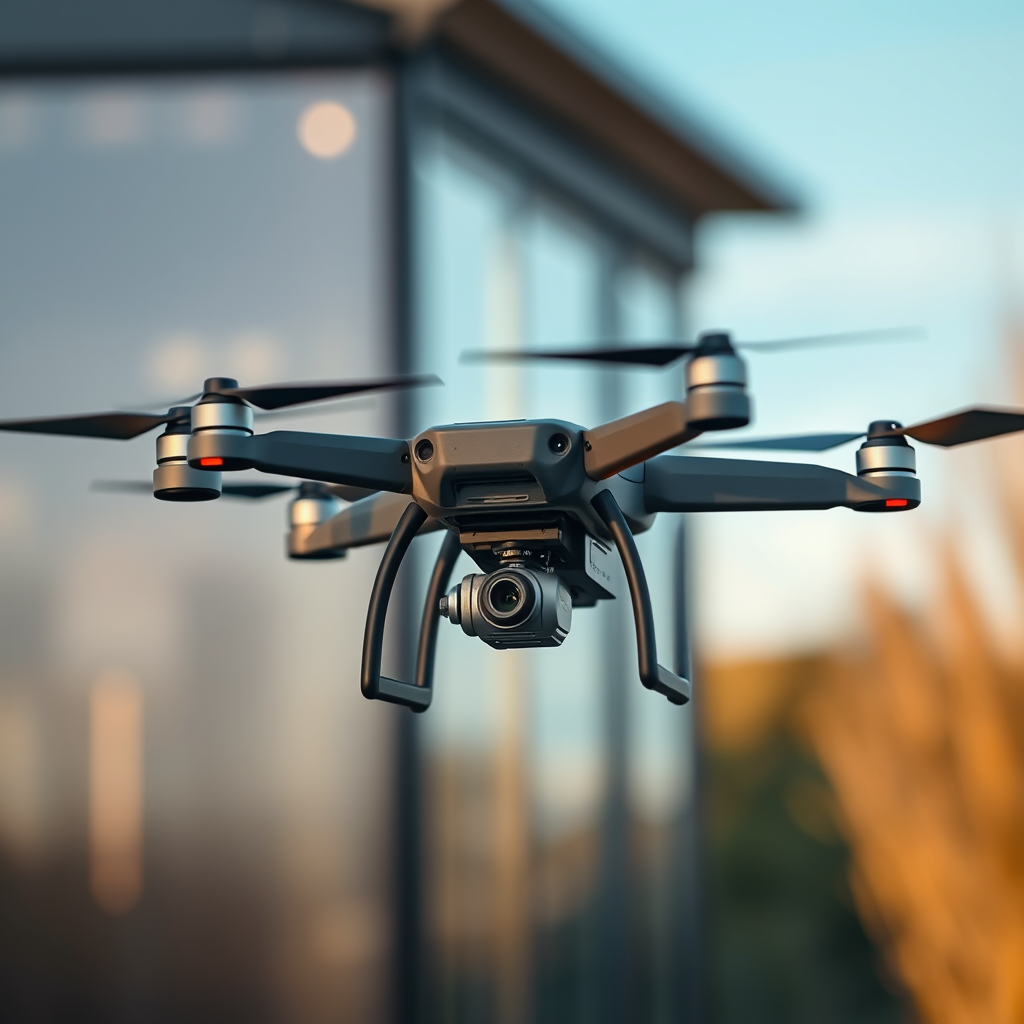
Drones can zoom in to various extents depending on their camera technology, typically ranging from 4x to 30x optical zoom. This capability not only enhances aerial photography but also improves surveillance and mapping tasks. Understanding the nuances of drone zoom capabilities can help users make informed decisions based on their specific needs, whether for recreational photography, security surveillance, or agricultural monitoring.
Understanding Drone Camera Types
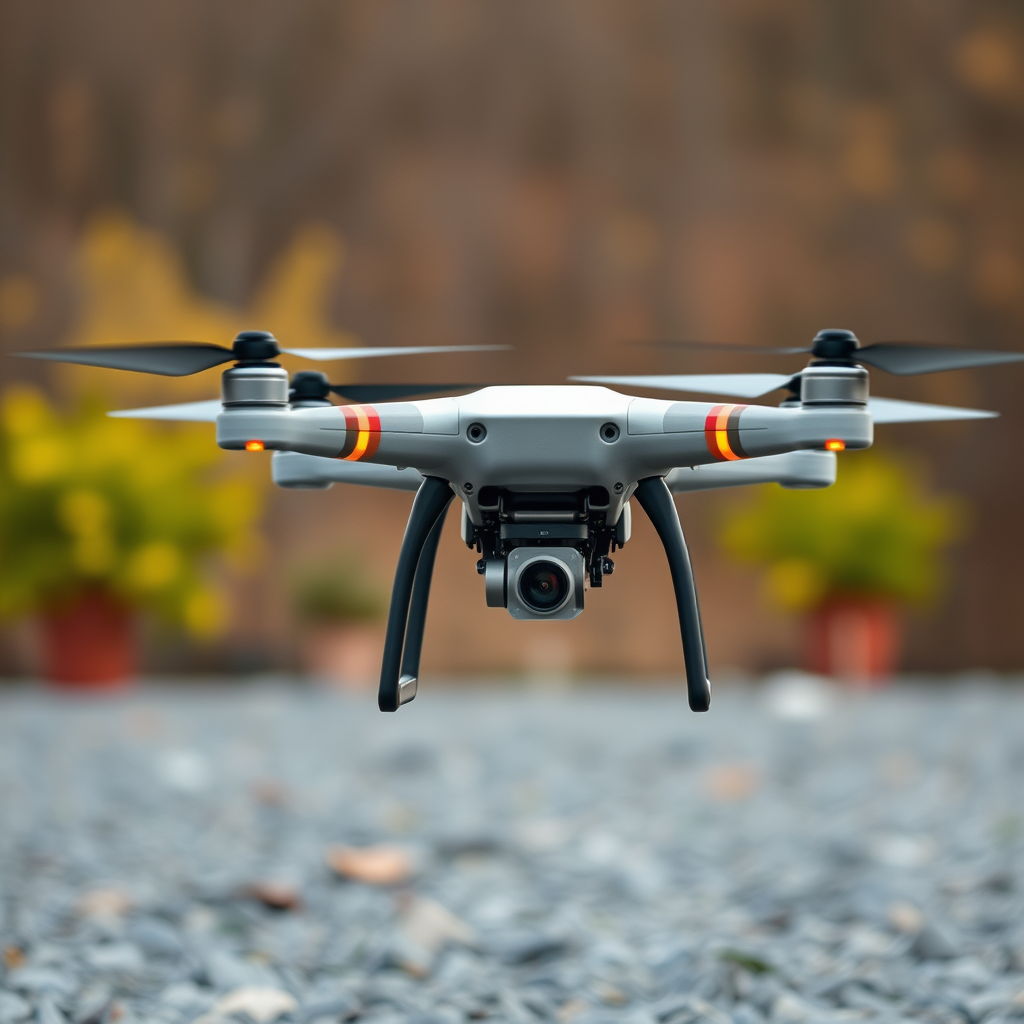
When discussing drone zoom capabilities, it is essential to differentiate between optical zoom and digital zoom. Optical zoom involves the physical movement of lens elements within the camera to magnify the image, maintaining image quality at various focal lengths. On the other hand, digital zoom enlarges an image by cropping and interpolating pixels, often resulting in a decrease in image quality. The advantages of optical zoom are particularly significant; it allows for high-resolution images even at maximum zoom levels, making it ideal for professional photography and detailed surveillance.
For example, a drone equipped with a 20x optical zoom lens can capture clear images of distant subjects without the pixelation that often accompanies digital zoom. This distinction is crucial for users who demand high-quality visuals, particularly in fields such as real estate photography or wildlife observation, where detail is paramount.
Factors Affecting Zoom Distance
Several factors influence a drone’s zoom capabilities, with camera sensor size and resolution playing crucial roles. Larger sensors typically capture more light, resulting in better image quality, especially in low-light conditions. Coupled with higher resolution sensors, these setups can produce stunning images even when zoomed in significantly.
The quality of the lens and its focal length are equally important. Higher-quality lenses with advanced coatings minimize distortion and aberrations, ensuring sharp images. Focal length determines how far the camera can zoom in; for instance, a lens with a longer focal length can produce more significant magnification, allowing users to capture minute details from great distances.
For instance, drones such as the DJI Matrice 300 RTK, which features a Zenmuse H20T camera, provide a powerful combination of a large sensor and high-quality lens, enabling users to achieve 30x optical zoom with remarkable clarity.
Popular Drones with Zoom Features
Several drone models stand out in the market for their impressive zoom capabilities. The DJI Mavic 3 is a notable contender, boasting a 28x hybrid zoom that combines optical and digital zoom for versatile shooting options. This drone is perfect for both amateur and professional photographers thanks to its dual-camera system, which allows users to switch between wide-angle and telephoto views effortlessly.
Another top model is the Autel Robotics EVO Lite+, which offers a 12km transmission range and a 4x optical zoom. This drone is ideal for those looking for a balance between portability and performance.
For industrial applications, the DJI Matrice 300 RTK with the Zenmuse H20T camera is unparalleled, featuring a 30x optical zoom and thermal imaging capabilities. This combination makes it suitable for various sectors, including search and rescue, infrastructure inspection, and agriculture.
When comparing these drones, users should consider factors like flight time, payload capacity, and additional functionalities such as thermal imaging or obstacle avoidance, depending on their specific use cases.
Use Cases for Zooming Drones
The applications of zooming drones are vast and varied. In photography, drones equipped with significant zoom capabilities allow photographers to capture stunning aerial images of landscapes, wildlife, and events without disturbing the subjects. This capability is particularly beneficial in wildlife photography, where getting too close can scare away animals.
In security and surveillance, drones with zoom features are invaluable. They can monitor large areas, such as borders or industrial sites, providing real-time footage without the need for a physical presence on the ground. This capability allows for enhanced situational awareness and rapid response in security scenarios.
Agriculture also benefits from zooming drones. Farmers can use drones to assess crop health from above, identifying problem areas in fields without the need for extensive ground surveys. The zoom capabilities enable farmers to inspect crops closely, ensuring that they can make informed decisions regarding irrigation, fertilization, and pest control.
Limitations of Drone Zoom Technologies
Despite their impressive capabilities, drone zoom technologies do have limitations. Weather conditions can significantly affect zoom effectiveness; for example, strong winds can cause instability, leading to blurry images when zoomed in. Similarly, rain or fog can obscure visibility, rendering the zoom feature less effective.
Legal restrictions also play a role in drone operations. Many regions have regulations regarding drone flights over private property or sensitive areas, which can limit the ability to utilize zoom functionalities fully. Additionally, privacy concerns are paramount; zooming in on private property can lead to ethical and legal issues that drone operators must navigate carefully.
Tips for Maximizing Zoom Performance
To maximize zoom performance, drone operators should consider optimal flying conditions. Flying on clear, still days improves image quality, as turbulence can cause vibrations that affect clarity. Additionally, avoiding harsh lighting conditions, such as direct sunlight, can help prevent glare and improve image fidelity.
When capturing images with zoom, adjusting camera settings is essential. For instance, using a slower shutter speed can allow more light to enter the camera, enhancing image quality but requiring steadier flight. Utilizing features like gimbal stabilization can also significantly improve the clarity of zoomed images, providing smoother footage even during dynamic maneuvers.
Practicing various techniques, such as panning smoothly while zooming or utilizing grid lines for composition, can further enhance the quality of the captured images, ensuring that users make the most of their drone’s capabilities.
In summary, understanding how far a drone can zoom in involves considering various factors, including camera technology, drone model, and intended use. As drone technology continues to evolve, so will their zoom capabilities, providing even more opportunities for aerial exploration and data collection. If you’re considering a drone purchase, take these insights into account to choose the right model for your needs.
Frequently Asked Questions
How far can a drone zoom in with a high-quality camera?
The zoom capability of a drone largely depends on the type of camera it uses. High-end drones equipped with optical zoom lenses can typically achieve a zoom range of 24x to 100x, allowing for detailed imagery from considerable distances. For instance, drones like the DJI Matrice 300 RTK with a Zenmuse H20T camera can zoom in up to 200mm, making them ideal for search and rescue missions or wildlife photography.
What factors affect a drone’s zoom capabilities?
Several factors influence a drone’s zoom capabilities, including the camera sensor size, lens type (optical vs. digital), and the overall quality of the hardware. Optical zoom uses physical lens adjustments to magnify images without losing resolution, while digital zoom can result in pixelation as it crops the image. Additionally, the drone’s altitude and stability during flight can also affect how well zoomed images are captured.
Why is optical zoom preferable to digital zoom in drones?
Optical zoom is preferable to digital zoom because it maintains image quality and resolution. When a drone employs optical zoom, the lens physically adjusts to magnify the subject without sacrificing clarity. In contrast, digital zoom merely crops the image, leading to pixelation and a loss of detail, which can be a significant drawback for professional photography or videography.
Which drones offer the best zoom capabilities for aerial photography?
Drones like the DJI Mavic 3, with its Hasselblad camera, and the DJI Matrice 300 RTK with the Zenmuse H20T, are among the best for zoom capabilities in aerial photography. The Mavic 3 features a 28x hybrid zoom, while the Matrice 300 can achieve up to 200mm optical zoom. These drones are perfect for capturing high-resolution images from great distances, making them popular among professional photographers and videographers.
How can I maximize the zoom performance of my drone?
To maximize your drone’s zoom performance, ensure that you are flying at an appropriate altitude and in stable weather conditions. Utilize optical zoom whenever possible to maintain image quality, and practice using your drone in various environments to understand its capabilities better. Additionally, consider investing in a drone with a high-quality camera, and familiarize yourself with its settings for optimal results when zooming in.
References
- https://en.wikipedia.org/wiki/Drone_technology
- https://www.sciencedirect.com/science/article/pii/S2352864817300690
- https://www.nytimes.com/2021/06/09/technology/drones-surveillance.html
- https://www.reuters.com/technology/drones-zoom-into-the-future-2021-06-01/
- https://www.wired.com/story/the-drones-that-zoom-in-on-their-targets/
- https://www.techrepublic.com/article/how-drones-are-changing-the-way-we-see-the-world/
- https://www.nasa.gov/mission_pages/tdrss/news/drones.html
