
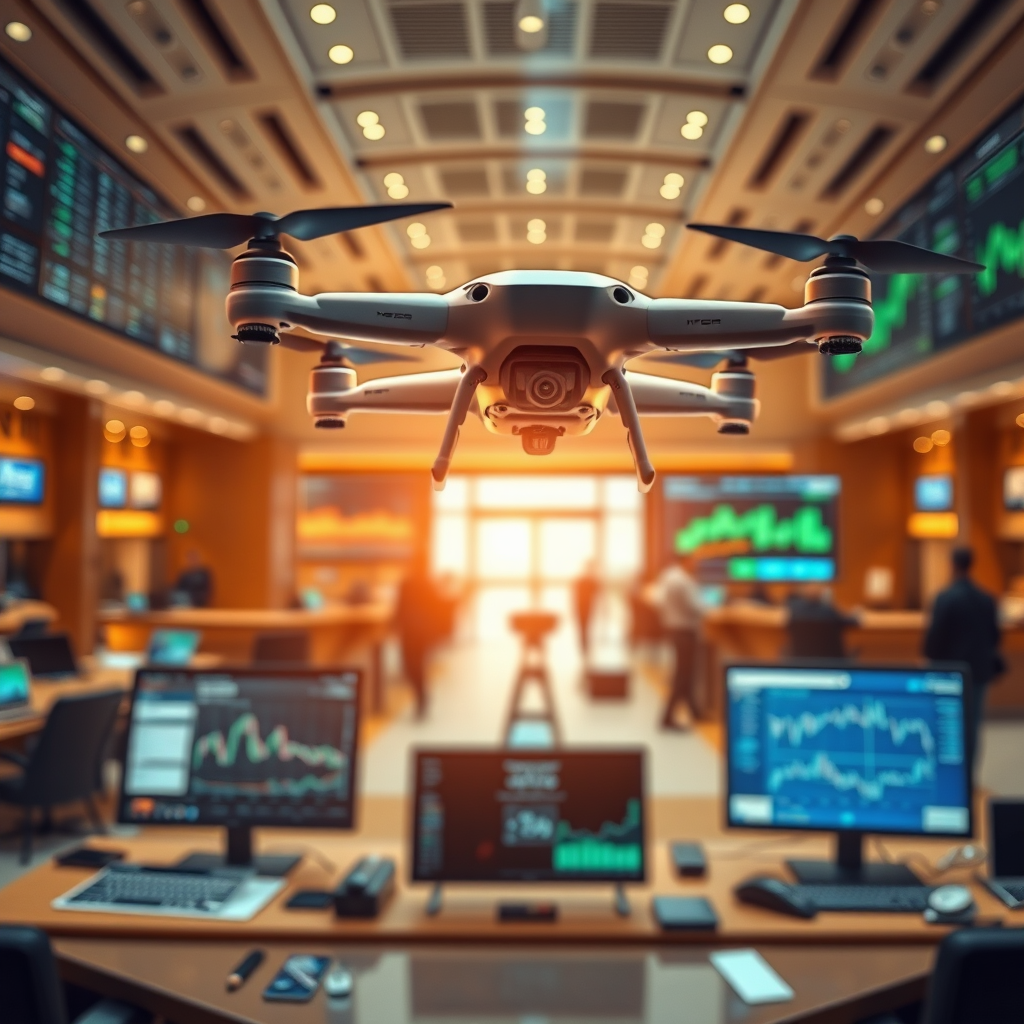
Crypto’s drone technology can currently reach distances of up to several kilometers, depending on factors like battery life and regulatory restrictions. As advancements in technology and blockchain integration continue to evolve, the potential for these drones to cover greater distances is becoming increasingly viable. This article explores the capabilities, limitations, and exciting developments in the realm of crypto-enabled drones, providing a comprehensive understanding of their operational range and the implications for various industries.
Understanding Crypto Drones
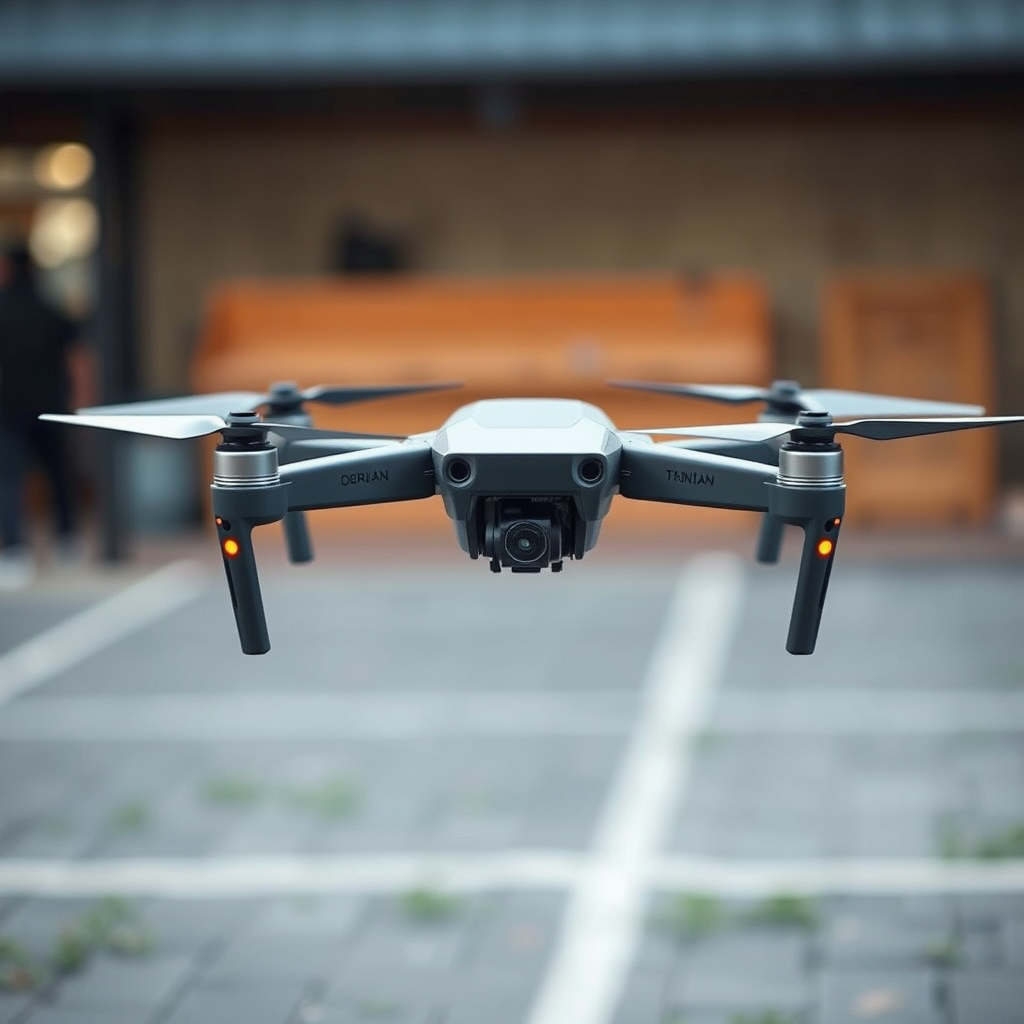
Crypto drones are unmanned aerial vehicles (UAVs) that utilize blockchain technology to enhance their operational capabilities and security. These drones are equipped with smart contracts that facilitate secure transactions, making them ideal for various applications such as delivery services, surveillance, and data collection. The integration of blockchain ensures that data transmitted by the drone is immutable and traceable, which is crucial for maintaining the integrity of the information collected or delivered.
One of the unique features of crypto drones is their ability to operate autonomously through decentralized networks. This allows for improved coordination in multi-drone operations, ultimately increasing efficiency and reducing the need for extensive human oversight. Furthermore, the use of cryptocurrencies for transactions can streamline payment processes for services rendered by the drones, offering a seamless experience for users and businesses alike.
Distance Capabilities of Crypto Drones
In ideal conditions, crypto drones can typically achieve flight ranges of several kilometers, with some advanced models capable of covering distances up to 10 kilometers or more. Factors that influence this range include battery life, the weight of the payload, and environmental conditions such as wind and temperature. Battery life, in particular, is one of the most significant limitations in drone travel, as it directly affects the drone’s operational time. Most commercial drones have a flight time of 20 to 30 minutes, which translates to a limited range, especially when carrying heavier loads.
Weight is another critical factor; drones designed to transport heavy payloads will experience a reduction in flight distance compared to lighter models. Additionally, external environmental factors like wind resistance can significantly impact flight stability and distance. Drones equipped with advanced aerodynamic designs and powerful propulsion systems are better suited to navigate adverse conditions, thus extending their operational range.
Regulatory Considerations
The landscape for drone operation is heavily influenced by regulatory frameworks that vary from country to country. In many regions, regulations dictate maximum flight distances, altitude limits, and no-fly zones, all of which can pose challenges to the deployment of crypto drones for long-distance operations. For instance, the Federal Aviation Administration (FAA) in the United States requires commercial drone operators to adhere to strict guidelines that include maintaining visual line of sight and obtaining specific certifications.
Compliance with local laws is crucial, particularly for businesses looking to utilize crypto drones for commercial purposes. Failure to adhere to regulations can result in hefty fines and operational shutdowns. Therefore, companies must stay informed about the changing regulatory landscape and invest in legal counsel to navigate these complexities effectively.
Technological Innovations Impacting Distance
Technological advancements in battery technology are significantly enhancing the travel capabilities of crypto drones. New developments, such as lithium-sulfur and solid-state batteries, promise to increase energy density, allowing drones to fly longer distances without the need for frequent recharging. These innovations could potentially double or even triple the operational range of current models, making long-distance deliveries more feasible.
Artificial Intelligence (AI) and advanced navigation systems also play a vital role in extending the travel capabilities of drones. AI algorithms can optimize flight paths based on real-time data, minimizing energy consumption and maximizing distance. Additionally, sophisticated navigation systems, including GPS and inertial measurement units (IMUs), allow drones to maintain stable flight even in challenging conditions. Together, these technological innovations are paving the way for more capable and efficient crypto drones.
Real-World Applications of Crypto Drones
Various industries are beginning to harness the potential of crypto drones for long-distance operations. For instance, the logistics and delivery sector is seeing a surge in the use of drones for last-mile delivery services. Companies like Zipline have successfully deployed drones to deliver medical supplies to remote areas, demonstrating the practicality of long-range drone operations.
In agriculture, crypto drones equipped with blockchain technology can assist in monitoring crop health over expansive fields, providing farmers with valuable data to optimize yields. A case study involving a partnership between blockchain firm AgriDigital and drone manufacturers illustrates how these technologies can work together to track the supply chain of agricultural products from the farm to the consumer, ensuring transparency and efficiency throughout the process.
Future Prospects for Crypto Drone Travel
The future of crypto drone travel looks promising, with ongoing advancements in technology suggesting significant improvements in range and capabilities. As battery technology continues to evolve, we can expect drones to achieve greater distances with heavier payloads. Furthermore, the integration of AI and machine learning will enhance operational efficiency, enabling drones to navigate complex environments autonomously.
The impact of global regulations will also shape the future of long-distance drone operations. As governments begin to develop comprehensive frameworks that accommodate drone technology, we may witness a relaxation of current restrictions, allowing for broader applications and use cases. The potential for international drone delivery networks could revolutionize logistics and supply chain management, further expanding the reach of crypto-enabled drones.
In conclusion, the travel capabilities of crypto drones are evolving rapidly, offering exciting possibilities for various industries. As technology advances and regulations adapt, the distances these drones can cover will likely increase, making it an exciting field to watch. The combination of enhanced battery life, innovative navigation systems, and compliance with evolving regulations will play a crucial role in determining the future landscape of crypto drone travel.
Frequently Asked Questions
What is the maximum range of Crypto’s drone models?
The maximum range of Crypto’s drone models varies depending on the specific model. Generally, many of Crypto’s consumer drones can travel between 5 to 10 kilometers (about 3 to 6 miles) under optimal conditions. Factors such as battery life, signal strength, and environmental obstacles can influence the effective range, so it’s important to consult the specifications for the particular drone you’re interested in.
How do environmental factors affect the distance a Crypto drone can fly?
Environmental factors such as wind speed, temperature, and obstacles like buildings or trees can significantly impact the distance a Crypto drone can travel. High winds can cause instability and reduce range, while cold temperatures might affect battery performance. To maximize your drone’s range, it’s best to fly in clear weather with minimal obstructions.
Why is it important to know the flight range of my Crypto drone?
Knowing the flight range of your Crypto drone is crucial for planning safe and effective flights. Understanding how far your drone can go helps you avoid losing signal or battery power mid-flight, ensuring that you can capture your desired footage or complete your delivery tasks efficiently. Additionally, being aware of the range can aid in compliance with local regulations regarding drone operations.
What is the best way to extend the flight range of a Crypto drone?
To extend the flight range of a Crypto drone, consider upgrading to a higher-capacity battery, maintaining a clear line of sight, and minimizing the use of features like GPS and camera stabilization, which can consume additional power. Additionally, using high-quality antennas and avoiding interference from other electronic devices can also enhance your drone’s connectivity and range.
Which Crypto drone model offers the longest flight distance?
Among the range of Crypto drones, the Crypto Falcon X model is known for its long flight distance, boasting a maximum range of up to 15 kilometers (approximately 9.3 miles). This model is ideal for professional applications where extended range is crucial, such as aerial surveying or film production. Always review user experiences and technical reviews to ensure it meets your specific needs.
References
- https://en.wikipedia.org/wiki/Drone
- https://www.bbc.com/news/technology-54614131
- https://www.reuters.com/article/us-crypto-drones-idUSKBN2A20J2
- https://www.nytimes.com/2021/03/10/technology/crypto-drones.html
- https://www.sciencedirect.com/science/article/pii/S2351978921000136
- https://www.nasa.gov/mission_pages/aircraft/technology/advanced_drones.html
- https://www.faa.gov/uas/
- https://www.techrepublic.com/article/drones-and-cryptocurrency-what-you-need-to-know/
