
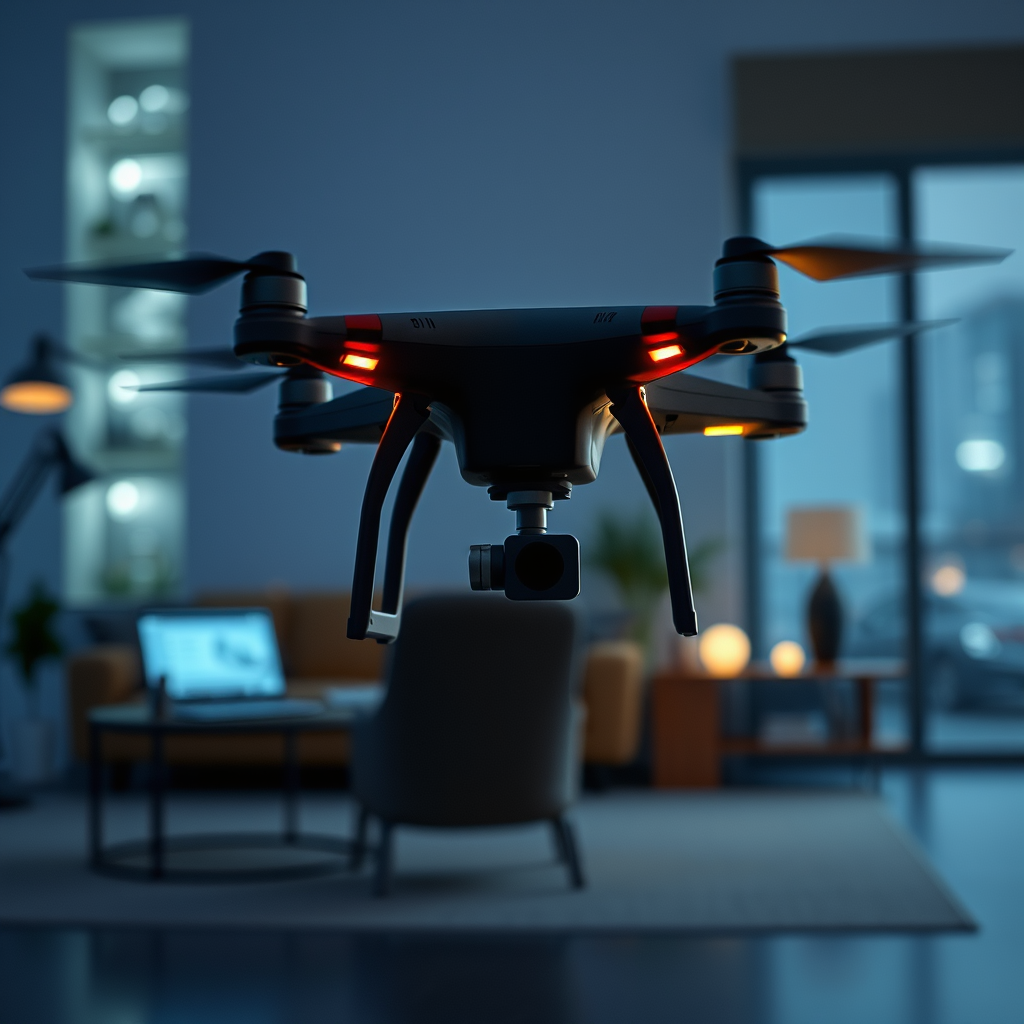
Drones equipped with advanced imaging technology can see varying distances at night, typically ranging from a few hundred feet to several miles, depending on the equipment and environmental conditions. This capability is largely influenced by infrared and low-light cameras, which enhance visibility in darkness. As drone technology continues to advance, understanding the nuances of night vision capabilities is essential for operators looking to maximize their effectiveness in low-light environments.
Understanding Drone Vision Technology
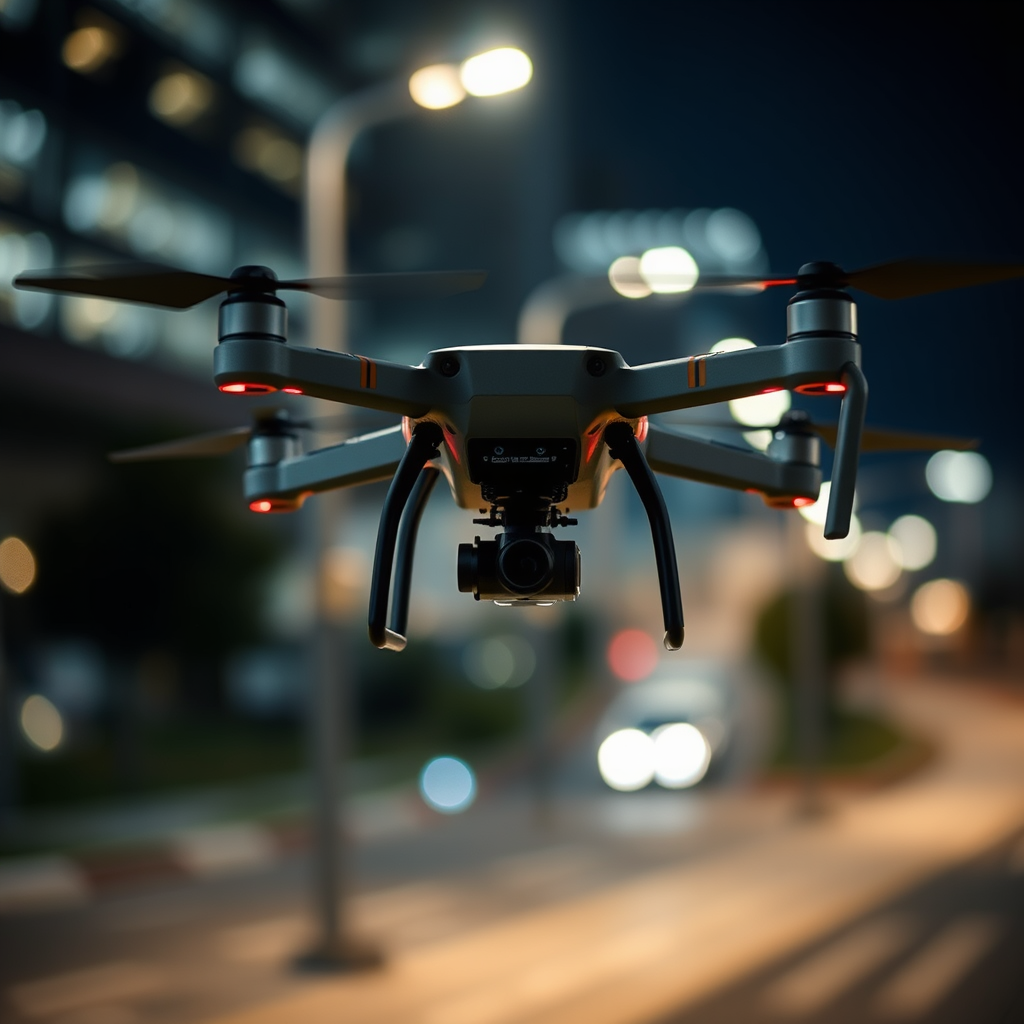
Drones often utilize infrared cameras for night vision, which detect heat signatures emitted by objects. This technology operates on the principle that all objects emit infrared radiation, which increases with temperature. Consequently, infrared cameras can effectively identify living beings, vehicles, and other heat-emitting entities even in total darkness. Thermal imaging is particularly valuable in applications such as search and rescue missions, where locating warm bodies is crucial.
Low-light cameras, on the other hand, enhance visibility by amplifying available light, allowing for clearer images in dim environments. These cameras may use image sensors that are sensitive to low levels of light, capturing detailed visuals in conditions where traditional cameras would struggle. This technology is beneficial for aerial photography and videography, enabling operators to capture stunning images of landscapes or events that occur during twilight hours or at night.
The combination of these technologies allows drones to operate effectively under various lighting conditions, making them versatile tools for numerous applications.
Factors Affecting Night Vision Range
Several factors can significantly affect how far a drone can see at night. Weather conditions, for instance, play a critical role in visibility. Fog, rain, snow, or dust can obscure the camera’s view, limiting the effective range of night vision capabilities. Drones may struggle to maintain clarity in heavy precipitation, which scatters light and reduces contrast between objects and their backgrounds.
The quality and type of camera used are equally important in determining night vision range. Higher-end infrared cameras with advanced sensors can detect heat signatures from greater distances, while lower-quality models may fail to provide adequate detail. Similarly, low-light cameras that utilize superior sensor technology will outperform basic options, capturing sharper images and greater details in challenging lighting conditions.
Environmental factors such as terrain and ambient light levels also influence the operational range of night vision drones. Urban areas may provide more ambient light but come with obstacles that can obstruct signals, whereas rural settings may offer clearer skies but less illumination. Understanding these dynamics is essential for effective drone operation at night.
Types of Cameras Used in Drones
Drones can be equipped with various types of cameras, each serving specific functions. Infrared cameras are ideal for thermal imaging and detecting body heat, making them invaluable in emergency response scenarios. For example, drones equipped with thermal cameras can quickly locate missing individuals in vast areas, significantly improving search efficiency.
RGB cameras with low-light capabilities are designed to capture color images even in dim environments. These cameras are particularly useful for videography and photography, allowing operators to create visually appealing content during nighttime events or in poorly lit settings. They utilize advanced sensors that amplify available light while maintaining color fidelity, producing high-quality images and videos.
Additionally, some drones utilize multispectral cameras, which can capture data across different wavelengths. This technology is beneficial in agricultural applications, where capturing data during low-light conditions can help monitor crop health and detect issues related to irrigation or pest infestations.
Legal Considerations for Night Flying
Flying drones at night comes with a host of legal considerations that operators must navigate. Regulations may restrict flying drones at night without proper certifications or equipment. In the United States, for example, the Federal Aviation Administration (FAA) requires that drone operators obtain a Part 107 certification to fly commercially, and any nighttime operations must comply with additional requirements, such as equipping drones with anti-collision lights.
Familiarity with local laws is essential for safe and responsible nighttime drone operations. Each country or region may have different regulations regarding drone flights, especially at night. For instance, some jurisdictions may require specific permits, while others may impose restrictions on flying over populated areas after dark. Operators should invest time in understanding these regulations to avoid legal repercussions and ensure safe operation.
Staying informed about regulatory changes is also crucial, as drone laws are continually evolving to keep pace with advancements in technology and public safety concerns.
Practical Applications of Night Vision Drones
Drones equipped with night vision technology have a vast range of practical applications. One of the most significant uses is in search and rescue operations, where drones can cover large areas quickly and efficiently to locate missing persons. For instance, during a natural disaster or emergency situation, drones can quickly scan landscapes, detecting heat signatures from survivors who may be trapped or injured.
In the realm of security and surveillance, night vision drones are invaluable tools for monitoring properties, borders, and critical infrastructure. Law enforcement agencies and private security firms utilize drones for nighttime surveillance to deter criminal activity and gather evidence in real-time. For example, drones can monitor large gatherings, ensuring public safety while providing valuable situational awareness to law enforcement.
Additionally, drones with night vision capabilities are increasingly being used in environmental monitoring and wildlife conservation. They can survey habitats, track animal movements, and monitor illegal poaching activities in remote areas, all without disturbing the ecosystem.
Tips for Enhancing Nighttime Drone Operations
To maximize the effectiveness of nighttime drone operations, operators should consider several key tips. First and foremost, ensure that your drone is equipped with high-quality night vision technology. Investing in advanced infrared or low-light cameras will significantly enhance your operational range and image clarity, allowing for more effective missions.
Practicing flying in low-light conditions is equally important. Familiarizing yourself with the drone’s capabilities and limitations during nighttime operations will improve your confidence and skill. Begin with short flights in controlled environments before progressing to more challenging scenarios.
It is also advisable to familiarize yourself with the drone’s flight patterns and battery life under low-light conditions. Nighttime operations can be demanding on battery life, so understanding how your drone performs in these situations will help avoid unexpected outages.
Lastly, always conduct a thorough pre-flight check to ensure that all systems, including navigation lights and cameras, are functioning properly. This careful preparation can mitigate risks associated with nighttime flying.
In conclusion, while drones can see quite far at night, their effectiveness depends on various factors, including the technology used and environmental conditions. Understanding these aspects can enhance drone operation for nighttime activities. For those interested in utilizing drones after dark, investing in quality equipment and staying informed about regulations is crucial. As technology advances, the possibilities for nighttime drone operations will continue to expand, offering new opportunities across numerous industries.
Frequently Asked Questions
How far can drones see at night with infrared cameras?
Drones equipped with infrared cameras can detect heat signatures from various sources, allowing them to “see” in complete darkness. The effective range of infrared vision depends on the camera’s sensitivity and the environmental conditions, but typically, high-quality infrared cameras can detect objects up to several hundred meters away. Factors such as ambient temperature and the size of the heat source can also impact the visibility range.
What are the limitations of drone visibility at night?
Drones face several limitations when flying at night, including reduced visibility due to darkness and potential interference from weather conditions like fog or rain. Standard cameras struggle in low light, as they rely on visible light to capture images, which diminishes in darkness. Additionally, regulatory restrictions may limit nighttime drone operations unless equipped with specific lighting and safety features.
Why do drones require special equipment to fly at night?
Drones need special equipment, such as enhanced night vision or thermal imaging cameras, to navigate and capture images effectively at night. Standard visual cameras do not perform well in low-light conditions, which can compromise safety and operational effectiveness. Furthermore, regulations in many regions mandate that drones must be equipped with proper lighting and night flying capabilities to ensure safe operation and avoid collisions.
What is the best type of drone for night flying?
The best type of drone for night flying typically includes features such as high-quality night vision or thermal imaging capabilities, robust LED lighting for visibility, and stable flight performance. Models like the DJI Mavic 2 Enterprise Dual or the Parrot Anafi Thermal are popular choices, as they combine excellent imaging technology with reliable flight systems and safety features. Always check local regulations before flying at night.
How can I improve my drone’s visibility during nighttime operations?
To improve your drone’s visibility during nighttime operations, consider installing additional LED lights to enhance its visibility to you and others. Utilizing drones with built-in night vision or thermal cameras can also significantly enhance your ability to see in the dark. Additionally, practicing good flight planning and maintaining a line of sight with your drone can help ensure safe operations in low-light conditions.
References
- https://en.wikipedia.org/wiki/Drone
- https://www.faa.gov/uas/
- https://www.ncbi.nlm.nih.gov/pmc/articles/PMC7434009/
- https://www.sciencedirect.com/science/article/pii/S2352864821000702
- https://www.techrepublic.com/article/drones-and-night-vision-how-they-work/
- https://www.bbc.com/future/article/20210729-how-drones-are-changing-the-way-we-see-the-world
- https://www.reuters.com/technology/drones-patrol-us-mexico-border-night-2021-08-10/
- https://www.nationalgeographic.com/science/article/how-drones-can-help-us-see-the-world-differently
