
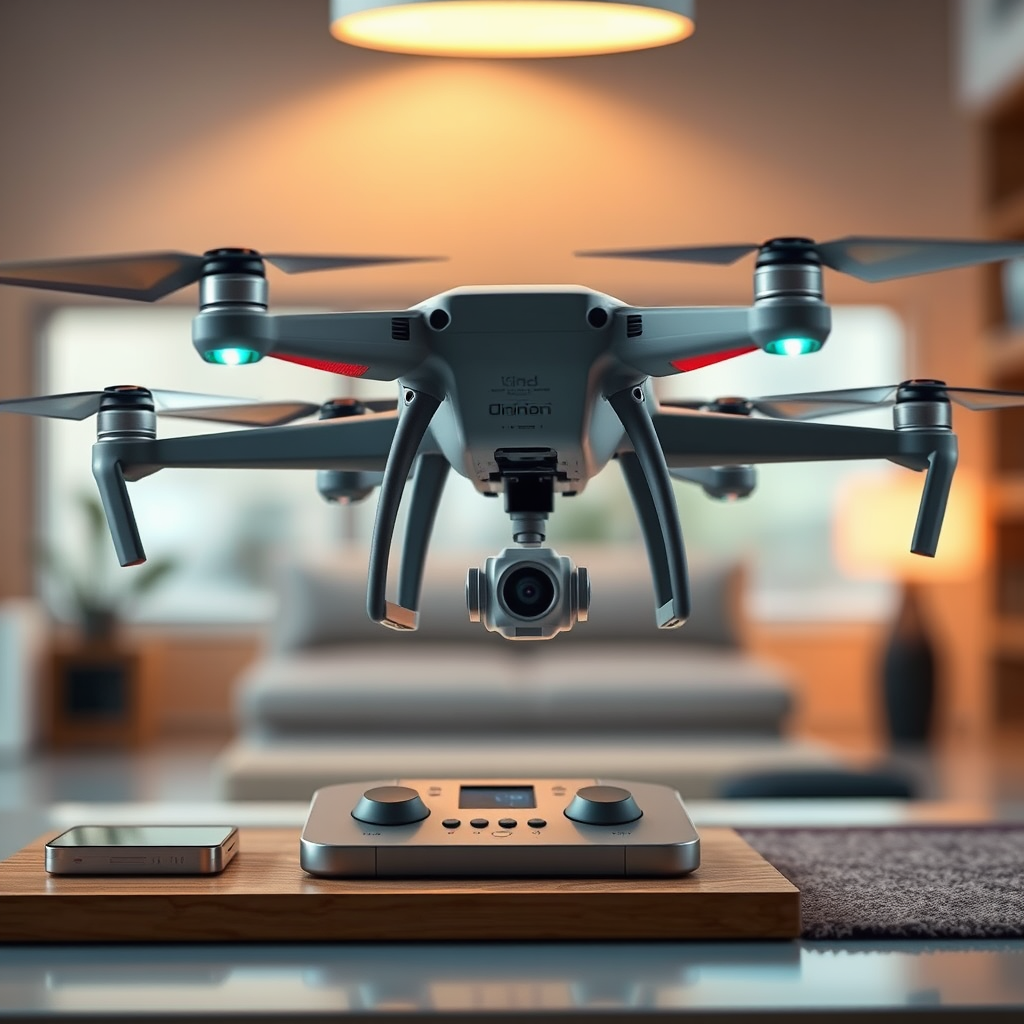
Iranian drones can typically fly between 1,000 to 2,000 kilometers, depending on the model and mission profile. This impressive range enables them to conduct a variety of operations, including surveillance and combat missions across regional conflicts. As Iran continues to enhance its drone capabilities, understanding the nuances of their technology, operational use, and strategic implications becomes increasingly important. In this article, we will explore the capabilities, types, and implications of Iranian drone technology.
Overview of Iranian Drone Technology
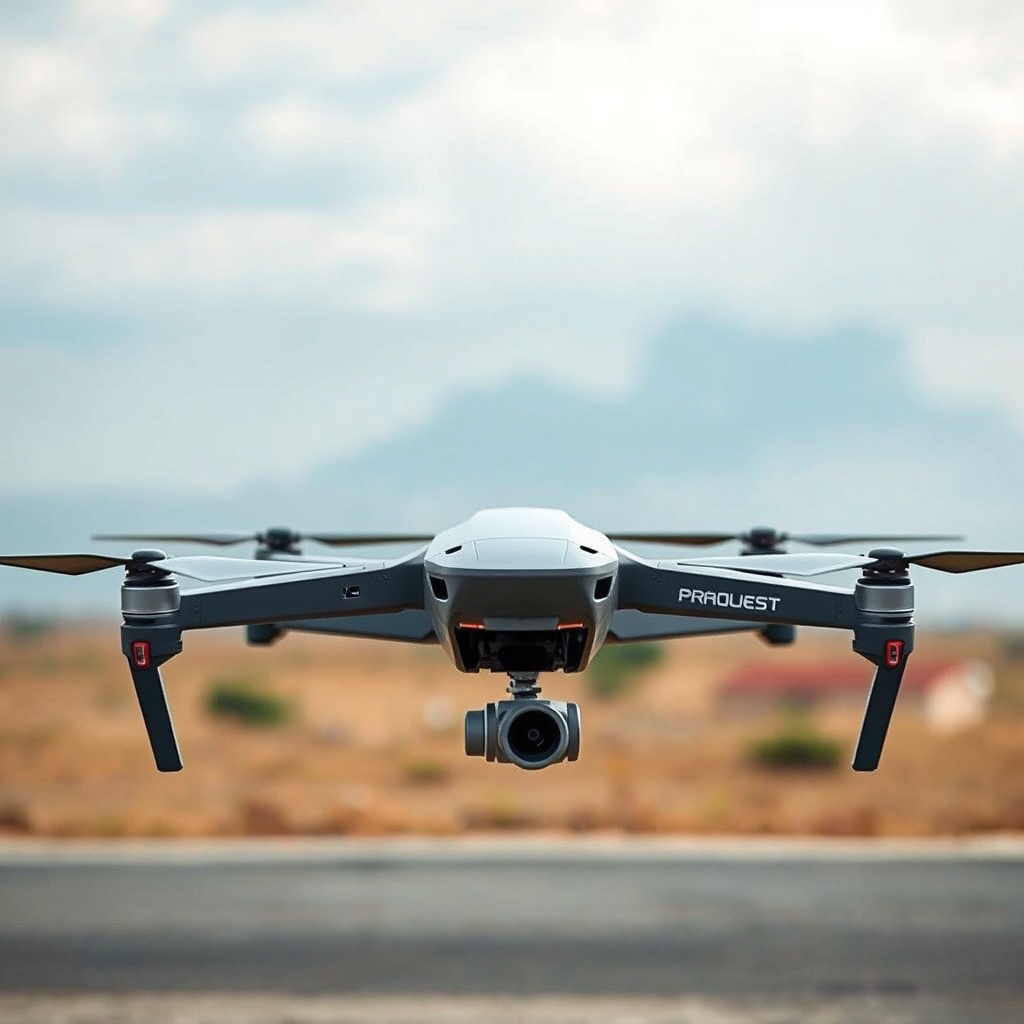
Iran has developed a diverse range of drones for military and surveillance purposes, positioned as a crucial component of its asymmetric warfare strategy. The Iranian drone fleet includes models like the Shahed series, which have gained notoriety for their long-range capabilities and operational versatility. The Shahed-129, for instance, has an operational range of approximately 2,000 kilometers, making it a formidable asset in Iran’s arsenal. Additionally, drones like the Mohajer series are utilized primarily for reconnaissance, showcasing Iran’s ability to tailor its unmanned aerial vehicles (UAVs) for specific mission profiles. The technological advancements in these drones, including improved guidance systems and payload capacities, reflect Iran’s commitment to enhancing its military capabilities in the face of regional tensions.
Factors Influencing Drone Range
Several factors influence the operational range of Iranian drones, with payload capacity being a significant determinant. Heavier payloads, such as munitions or sophisticated surveillance equipment, can reduce the maximum distance a drone can travel. For example, a drone equipped with a larger bomb may have a reduced flight endurance compared to one carrying only surveillance gear. Moreover, environmental conditions play a crucial role; adverse weather, such as high winds or storms, can impact flight stability and endurance. Additionally, geographic terrain can affect operational range, as mountainous regions may pose challenges for drone navigation and stability. Understanding these variables is essential for assessing the strategic deployment of Iranian drones in various contexts.
Comparison with Other Nations’ Drones
When comparing Iranian drones to those from other nations, such as the United States and Israel, notable differences in range and technological sophistication emerge. U.S. drones, like the MQ-9 Reaper, can operate at ranges exceeding 3,000 kilometers, equipped with advanced surveillance and strike capabilities. Similarly, Israeli drones, particularly the Heron series, have demonstrated superior flight endurance and advanced targeting systems. However, Iran’s drones, while perhaps not as technologically advanced, are designed for specific regional operational needs, often prioritizing cost-effectiveness and ease of deployment. This analysis highlights how different nations approach drone technology, influenced by their strategic objectives, resources, and geopolitical contexts.
Strategic Use of Drones in Regional Conflicts
Iranian drones have found extensive use in proxy conflicts throughout the Middle East, demonstrating their tactical advantages in asymmetric warfare. In Syria, for instance, Iranian drones have been used to support government forces against insurgents, providing critical intelligence and strike capabilities. Similarly, in Iraq, Iranian-backed militias have utilized drones to target opposing forces, showcasing their effectiveness in a combat environment. These operations underline the strategic importance of drones in Iran’s military doctrine, as they provide a means of exerting influence while minimizing direct military engagement. Additionally, the use of drones allows Iran to project power across its borders, complicating the security dynamics in the region and posing challenges for adversaries.
Future Developments in Iranian Drone Technology
The future of Iranian drone technology is poised for significant advancements, driven by ongoing research and development efforts. Iran has been investing in improving the range, payload capacity, and stealth features of its drones, reflecting its commitment to remaining competitive in the evolving landscape of drone warfare. The potential implications of these developments extend beyond regional conflicts; enhanced drone capabilities may allow Iran to bolster its deterrence posture and influence in international affairs. As drone technology continues to evolve, the risks associated with Iranian UAVs may also escalate, prompting responses from regional and global powers concerned about security and stability.
Countermeasures Against Iranian Drones
In response to the growing threat posed by Iranian drones, nations are actively developing new technologies aimed at detecting and neutralizing these aerial threats. Countries like Israel and the United States have implemented sophisticated radar systems and electronic warfare capabilities designed to intercept drones before they can execute their missions. Additionally, military strategies such as the use of anti-drone systems, including laser technology and kinetic interceptors, are being refined to counteract Iranian drone operations effectively. Understanding these countermeasures is essential for assessing the broader implications of drone warfare and the steps nations are taking to safeguard their interests against emerging threats.
In conclusion, understanding the range and capabilities of Iranian drones is crucial for assessing their impact on regional security dynamics. The range of 1,000 to 2,000 kilometers allows Iran to effectively conduct surveillance and combat operations across various theaters of conflict. As drone technology continues to evolve and Iranian capabilities expand, staying informed about these developments will be essential for policymakers and military strategists. The interplay of drone technology, regional conflicts, and international countermeasures will shape the security landscape in the Middle East and beyond.
Frequently Asked Questions
How far can Iranian drones fly on average?
Iranian drones, such as the Shahed series, typically have a range of 1,000 to 2,000 kilometers (approximately 620 to 1,240 miles). This range allows them to effectively conduct reconnaissance, surveillance, and strike missions beyond their borders, making them a significant asset in regional conflicts and military operations.
What factors influence the flight range of Iranian drones?
The flight range of Iranian drones can be influenced by several factors, including payload weight, weather conditions, and the specific drone model. Heavier payloads, such as weapons or surveillance equipment, can reduce flight range, while adverse weather conditions like high winds or rain can also affect their operational capabilities.
Why are Iranian drones considered a strategic asset for the military?
Iranian drones are viewed as a strategic asset due to their versatility, long-range capabilities, and relatively low cost compared to manned aircraft. They enable Iran to conduct long-range surveillance and precision strikes while minimizing risks to human pilots, thus enhancing its military effectiveness and deterrence capabilities in the region.
Which Iranian drones have the longest flight range?
Among Iranian drones, the Shahed-129 and Shahed-191 models are known for their extended flight ranges, capable of flying up to 2,000 kilometers. These drones are designed for various missions, including intelligence gathering and targeted strikes, showcasing Iran’s advancements in unmanned aerial vehicle technology.
How can the flight range of Iranian drones impact regional security?
The extended flight range of Iranian drones poses significant implications for regional security, as they can reach targets in neighboring countries without the need for forward bases. This capability enables Iran to project power and influence, raises concerns among its adversaries, and can escalate tensions in already volatile areas of the Middle East.
References
- https://en.wikipedia.org/wiki/Unmanned_aerial_vehicle#Iranian_drones
- https://www.bbc.com/news/world-middle-east-58577810
- https://www.reuters.com/world/middle-east/iran-launches-drone-operations-middle-east-2021-11-09/
- https://www.theguardian.com/world/2021/nov/24/iran-drone-programme-explained
- https://www.csis.org/analysis/iranian-drones-and-their-role-modern-warfare
- https://www.brookings.edu/research/iranian-drones-and-their-impact-on-regional-security/
- https://www.airforcemag.com/iranian-drones-in-syria-and-iraq/
- https://www.rand.org/pubs/research_reports/RR3074.html
- https://www.usip.org/publications/2021/11/iranian-drones-implications-us-policy-middle-east
