
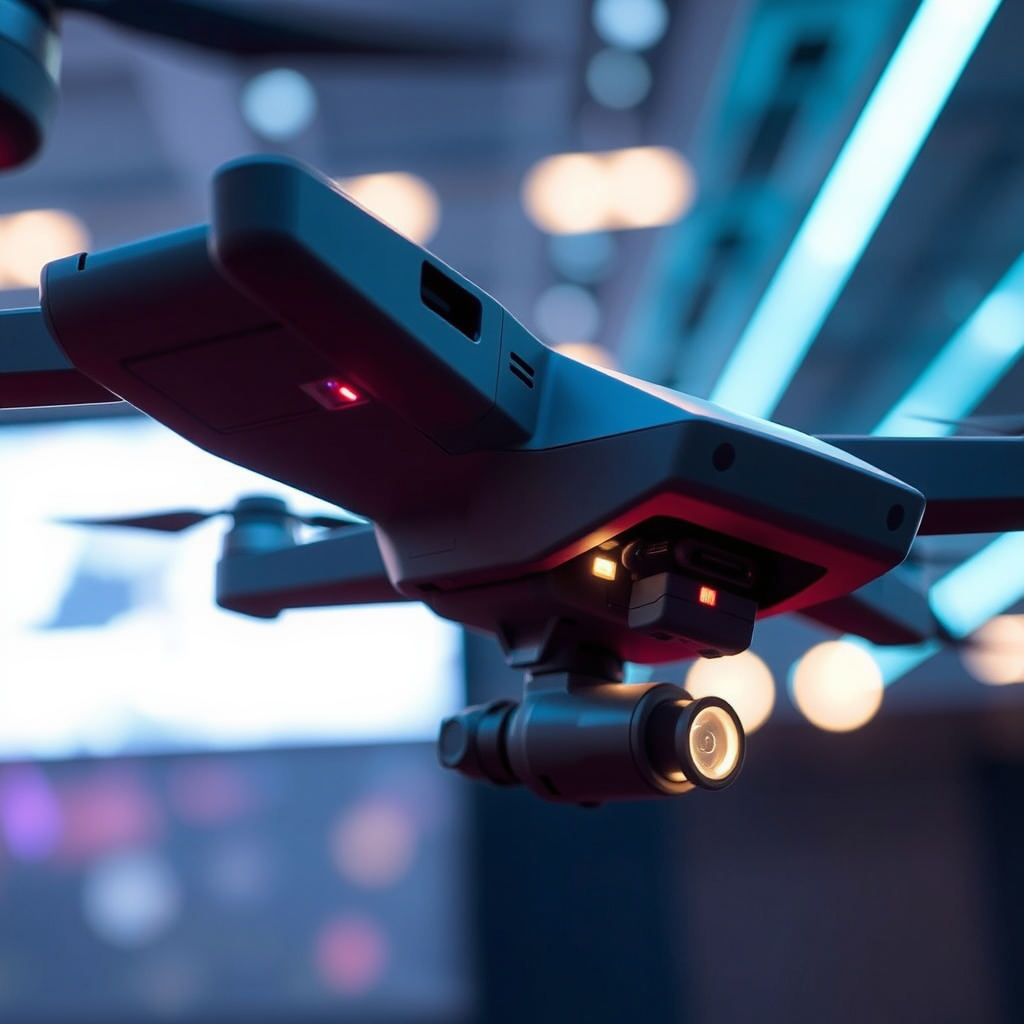
Military drones can fly anywhere from a few miles to over 10,000 miles, depending on their design, purpose, and technology. The flight range of these unmanned aerial vehicles (UAVs) is influenced by a variety of factors, including their type, fuel capacity, technological advancements, environmental conditions, military applications, and regulatory limitations. Understanding these variables is critical for military strategists, aerospace engineers, and defense contractors who are involved in the development and deployment of these cutting-edge systems.
Types of Military Drones
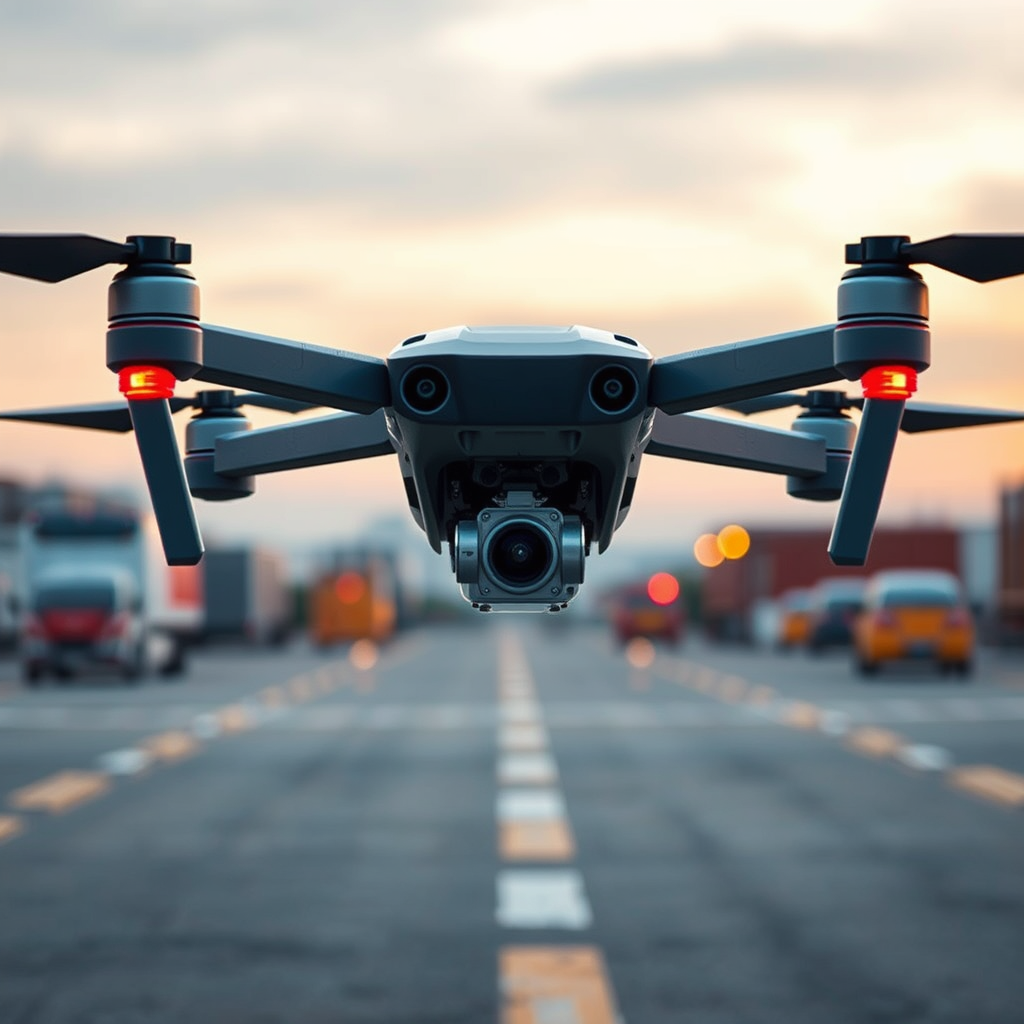
Military drones can be categorized into several distinct types, each designed for specific missions that influence their range capabilities. Tactical drones, such as the RQ-11 Raven, are typically used for short-range reconnaissance missions and have a flight range of around 10 kilometers. These drones are lightweight, portable, and can be deployed quickly, making them ideal for battlefield surveillance.
Medium-altitude long-endurance (MALE) drones, such as the MQ-9 Reaper, have a much greater range, capable of flying up to 1,000 nautical miles. These drones are often used for intelligence, surveillance, reconnaissance (ISR), and combat missions. Their design allows them to operate at higher altitudes for extended periods, which is crucial for missions that require loitering over a target area.
High-altitude long-endurance (HALE) drones, like the Global Hawk, are among the most advanced UAVs, with ranges exceeding 10,000 miles. Designed for long-range surveillance and reconnaissance, these drones can operate at altitudes above 60,000 feet, allowing them to avoid many ground-based threats. Each type of drone serves its purpose, and the specific mission requirements dictate the range capabilities necessary for effective operation.
Fuel and Power Sources
The fuel and power sources utilized by military drones significantly impact their flight duration and overall range. Most military drones operate on either jet fuel or batteries, with hybrid systems becoming increasingly popular. For example, the MQ-1 Predator uses a turbocharged engine that runs on aviation gasoline, enabling it to fly for up to 24 hours with a range of approximately 1,200 miles.
Electric drones, such as the smaller tactical UAVs, rely on battery power, which limits their flight endurance. However, advancements in battery technology, such as lithium-polymer batteries, have improved the efficiency and longevity of these systems. Hybrid drones combine both fuel and battery sources, optimizing flight time and range. The ability to maximize fuel efficiency and manage energy consumption is essential for extending the operational range of military drones.
Technological Advancements
Recent innovations in aerodynamics, materials science, and navigation systems have greatly enhanced the flight capabilities of military drones. For instance, advancements in lightweight composite materials have allowed manufacturers to reduce the overall weight of drones, which in turn improves fuel efficiency and extends range. The use of advanced aerodynamics, such as wing designs that minimize drag, also contributes to increased flight durations.
Moreover, cutting-edge navigation systems, including GPS and inertial guidance, enable drones to optimize their flight paths and enhance their operational range. These technologies allow for more precise targeting and can adjust routes in real time based on changing mission parameters or environmental conditions. As technology continues to evolve, the potential range of military drones is expected to increase, providing military forces with greater strategic advantages.
Environmental Factors
Environmental conditions play a significant role in the operational range of military drones. Weather factors such as wind speed, temperature, and precipitation can adversely impact flight performance. For example, strong headwinds can reduce a drone’s effective range, while extreme temperatures may affect battery efficiency or engine performance.
Additionally, the terrain over which a drone operates can limit its operational capabilities. Drones flying over mountainous regions may encounter obstacles that restrict their altitude or necessitate adjustments in flight paths. Understanding these environmental factors is crucial for mission planning and execution, as they can significantly influence a drone’s ability to complete its objectives within the desired range.
Military Applications and Strategy
The intended use of a drone plays a critical role in its design and range capabilities. Surveillance and reconnaissance missions often require drones to fly at higher altitudes for extended periods, while combat missions may necessitate lower, faster flights over shorter distances. For instance, the MQ-9 Reaper, designed for ISR and strike missions, can loiter over a target area for hours, making it an invaluable asset for real-time intelligence gathering and precision strikes.
Military strategy also dictates the necessary flight distance for specific missions. Long-range strategic drones are essential for gathering intelligence on adversaries located far from home bases. Conversely, tactical drones are deployed for immediate, short-term missions. The alignment of drone capabilities with military objectives is crucial for operational success, and understanding these applications helps inform future developments in drone technology.
Regulatory and Operational Limitations
Despite the advanced capabilities of military drones, regulatory and operational limitations can restrict their flight paths and distances. Airspace regulations, both domestic and international, must be adhered to when deploying drones, which can impose restrictions on where and how far they can fly. In some cases, military drones may need to coordinate with civilian air traffic control to ensure safe operations.
Moreover, military protocols and safety considerations may further impose limits on drone operations. For example, drone missions must adhere to strict rules of engagement and operational security measures, which can impact flight plans and range. Understanding these regulations is critical for military planners to ensure compliance while maximizing the effectiveness of drone operations.
In conclusion, the flight range of military drones is influenced by various factors, including their type, fuel sources, technological advancements, environmental conditions, military applications, and regulatory limitations. A comprehensive understanding of these elements is essential for military strategists and technology developers alike. As drone technology continues to evolve, keeping abreast of these insights will be vital for optimizing the capabilities and effectiveness of military UAVs. For more insights on military drone capabilities, stay tuned to our blog!
Frequently Asked Questions
How far can military drones typically fly on a single mission?
The range of military drones can vary significantly depending on the specific model and mission requirements. For instance, the MQ-9 Reaper has an operational range of approximately 1,150 miles (1,850 kilometers) without needing to refuel, while others like the Global Hawk can cover distances of up to 14,000 miles (22,530 kilometers) when equipped with satellite communication systems. These extended ranges enable military drones to conduct long surveillance missions or strike operations without the need for frequent landings.
What factors influence the flight range of military drones?
Several factors affect the flight range of military drones, including their fuel capacity, aerodynamics, payload weight, and mission profile. Drones designed for reconnaissance may have longer ranges due to lighter sensors, while those carrying heavy weaponry may experience reduced distances. Additionally, environmental conditions such as wind and altitude can also impact how far a drone can effectively fly during a mission.
Why do military drones have varying flight ranges?
Military drones are engineered for specific operational roles, which results in differing flight ranges. Some drones, like those intended for surveillance, prioritize endurance and can fly for extended periods, while combat drones may be optimized for speed and payload capacity. The design choices made during their development directly influence their range capabilities, allowing military forces to select the most suitable drone for a given mission.
What is the best military drone for long-range missions?
The Northrop Grumman RQ-4 Global Hawk is often considered one of the best military drones for long-range missions. With a flight altitude of up to 60,000 feet and a range of 14,000 miles (22,530 kilometers), it can perform extensive surveillance and reconnaissance over vast areas. Its advanced sensors and ability to remain airborne for over 30 hours make it invaluable for long-duration missions without the need for constant refueling.
How do military drones maintain communication over long distances?
Military drones maintain communication over long distances through satellite communication systems and ground control stations equipped with advanced technology. Many drones utilize encrypted data links to transmit real-time video and telemetry to operators, ensuring secure and reliable connections. Additionally, some drones can switch between multiple communication channels, allowing them to adapt to various operational environments and maintain uninterrupted control during extended missions.
References
- https://en.wikipedia.org/wiki/Military_drone
- https://www.reuters.com/technology/us-military-drones-are-getting-smarter-faster-2021-09-29/
- https://www.bbc.com/news/world-us-canada-58779290
- https://www.army.mil/article/229958/the_evolution_of_the_unmanned_aerial_vehicle
- https://www.rand.org/pubs/research_reports/RR1257.html
- https://www.sciencedirect.com/science/article/abs/pii/S1877050920300028
- https://www.darpa.mil/program/gremlins
- https://www.nytimes.com/2021/05/16/us/drone-military.html
- https://www.c-span.org/video/?c4960450/user-clip-drones-fly-10-20-hour
