
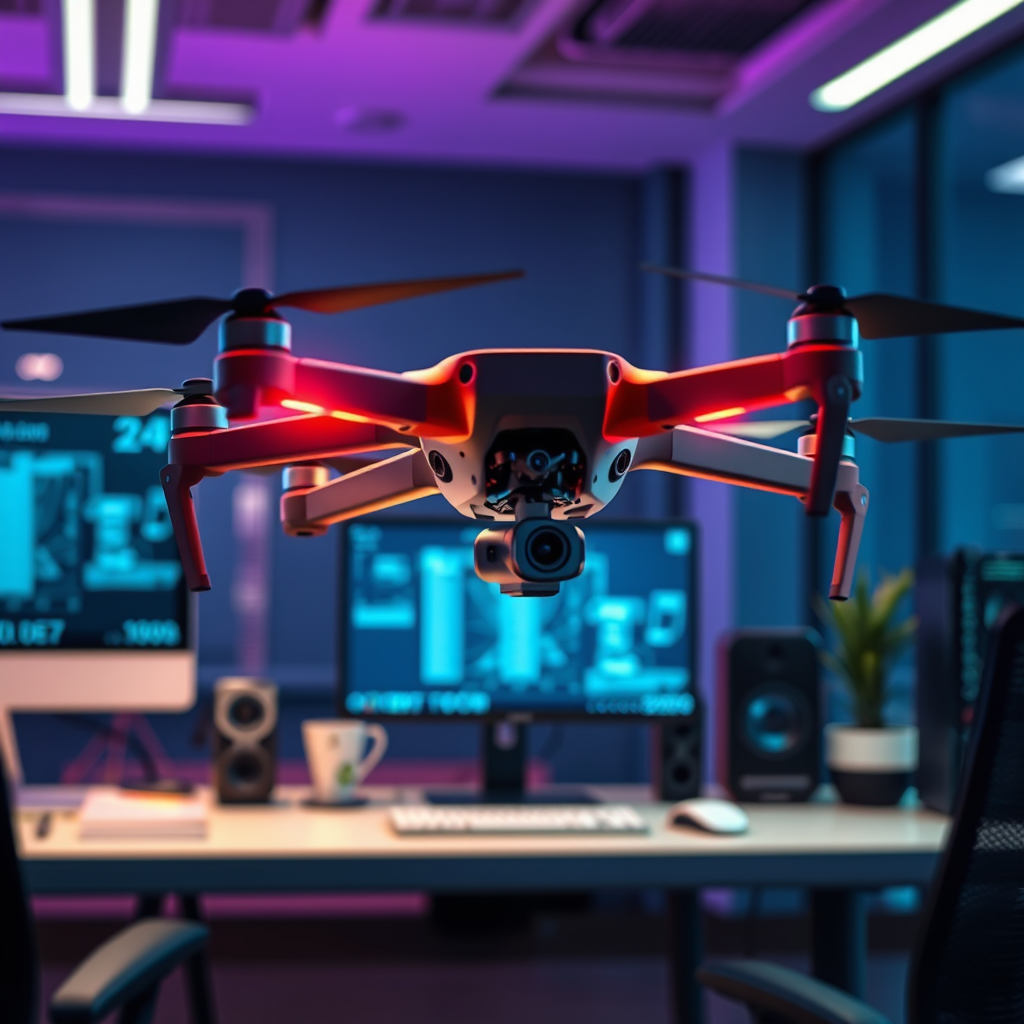
Ukrainian drones can fly varying distances depending on their type and mission, with some capable of covering over 1,000 kilometers. The capabilities of these drones are pivotal to Ukraine’s military strategy in the ongoing conflict, as they provide essential aerial surveillance, reconnaissance, and strike capabilities. This article explores the range of different drone models used by Ukraine, the factors that affect their flight capabilities, and the strategic implications of their use in warfare.
Types of Drones Used in Ukraine
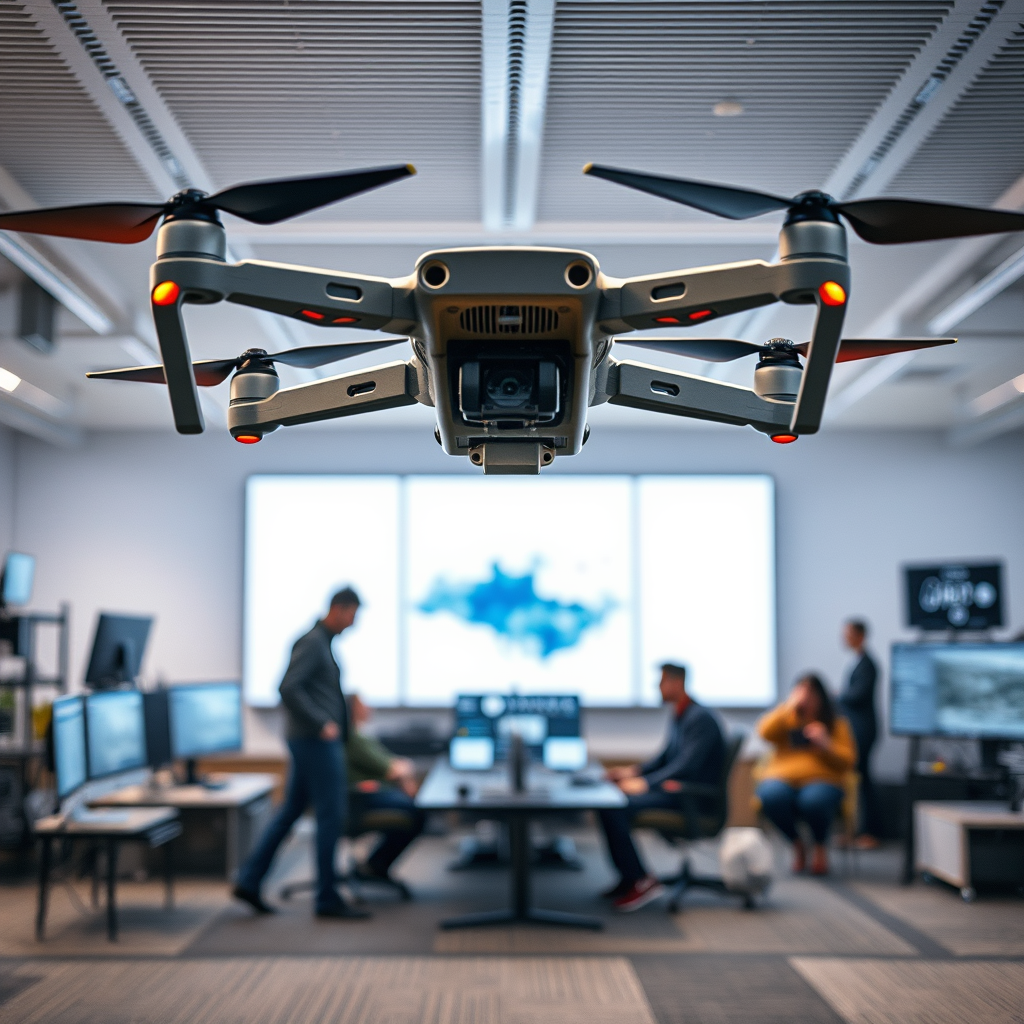
Ukraine employs a diverse array of drones tailored for both military and commercial applications. Among the military drones, the Bayraktar TB2 and PD-1 stand out for their effectiveness and versatility. The Bayraktar TB2, a combat drone developed by Turkey, has gained international recognition for its operational success in various conflicts. It is equipped with sophisticated surveillance systems and precision-guided munitions, making it a formidable tool for long-range engagements.
In addition to military drones, Ukraine has also repurposed commercial drones for reconnaissance and targeting. Models like the DJI Mavic series have been adapted for military use, allowing for real-time intelligence gathering and situational awareness. These commercial drones offer a cost-effective solution for surveillance missions, even though their ranges are significantly shorter than those of dedicated military drones.
Factors Influencing Drone Range
Several factors influence the operational range of drones, including battery capacity, fuel efficiency, payload weight, and mission requirements. Battery capacity dictates how long a drone can remain airborne before needing to recharge, while fuel efficiency is critical for those drones that operate on combustion engines. For instance, the Bayraktar TB2 boasts an impressive endurance of up to 24 hours, which is a testament to its advanced engineering.
Payload weight also plays a significant role in determining flight range. Heavier payloads can limit the distance a drone can cover, as they require more energy to lift and maintain flight. Additionally, mission requirements can dictate flight profiles that may either maximize range or prioritize specific objectives, such as surveillance or precision strikes.
Specific Ranges of Key Drones
The operational range of key drones used by Ukraine varies significantly based on their design and intended use. The Bayraktar TB2 has a maximum operational range of approximately 300 kilometers, allowing it to conduct long-range missions with precision. This range enables the drone to strike high-value targets while remaining safely out of reach of enemy defenses.
On the other end of the spectrum, commercial drones like the DJI Mavic 3 are limited to around 15 kilometers for commercial use, primarily due to regulatory restrictions and battery limitations. However, when modified for military applications, their range may be extended slightly, although they generally do not approach the capabilities of dedicated military drones.
Strategic Uses of Drone Flight Range
The strategic implications of drone flight range are profound in the context of modern warfare. Long-range reconnaissance and surveillance capabilities allow Ukrainian forces to gather critical intelligence on enemy movements and fortifications. This information can be instrumental in planning ground assaults and airstrikes, as it provides a comprehensive understanding of the battlefield landscape.
Moreover, the ability to conduct precision strikes from a distance enhances the effectiveness of Ukraine’s military operations. Drones like the Bayraktar TB2 can engage targets with minimal risk to pilots and ground personnel, allowing for a more strategic approach to combat. These capabilities enable Ukraine to maintain an advantage over adversaries who may lack similar drone technologies.
Challenges to Drone Operations
Despite their advantages, drone operations in Ukraine face several challenges. Counter-drone technologies employed by adversaries, such as electronic warfare systems and anti-drone missiles, pose significant threats to unmanned aerial vehicles (UAVs). These technologies can disrupt communication signals, jam GPS, or even physically intercept drones, thereby diminishing their operational effectiveness.
Environmental factors also play a crucial role in drone operations. Weather conditions such as heavy rain, fog, or strong winds can impede flight capabilities and affect sensor performance. Additionally, the complex terrain of Ukraine, with its mix of urban and rural landscapes, can present challenges for navigation and target identification.
Future Developments in Drone Technology
The future of drone technology in Ukraine looks promising, with ongoing innovations aimed at increasing flight endurance and range. Research and development efforts are focused on enhancing battery technology, which could significantly extend drone operational capabilities. Furthermore, advancements in materials science could lead to lighter and more durable drone designs, enabling them to carry heavier payloads without sacrificing range.
Ukraine is also exploring potential new models being developed or acquired from international partners. These developments may include advanced drones equipped with artificial intelligence and autonomous flight capabilities, which could revolutionize how aerial operations are conducted on the battlefield.
In conclusion, the capabilities of Ukrainian drones significantly impact their military effectiveness. Understanding these ranges and their strategic uses can provide valuable insights into the evolving nature of modern warfare. As Ukraine continues to adapt and integrate drone technology into its military operations, staying informed about advancements and tactical applications will be essential for comprehending the broader implications of drone warfare in contemporary conflicts. For more in-depth analysis, stay tuned to updates on drone technology and its implications in the conflict.
Frequently Asked Questions
What is the maximum flight range of Ukrainian military drones?
The maximum flight range of Ukrainian military drones varies significantly depending on the model and type of drone used. For instance, the Bayraktar TB2, widely utilized by Ukraine, has an operational range of about 150 kilometers (approximately 93 miles) from its ground control station. Other drones, like reconnaissance UAVs, may have ranges exceeding 200 kilometers (about 124 miles) depending on payload and weather conditions.
How do weather conditions affect the flight range of Ukrainian drones?
Weather conditions can significantly impact the flight range and performance of Ukrainian drones. Adverse weather such as strong winds, rain, or snow can limit their effective operational range and may affect stability and control. Additionally, visibility limitations can hinder reconnaissance missions, making it crucial for operators to monitor weather forecasts and adjust flight plans accordingly.
Why are drone flight ranges important for military operations in Ukraine?
Drone flight ranges are critical for military operations in Ukraine as they determine the effectiveness of surveillance, reconnaissance, and combat missions. A greater flight range allows for broader situational awareness and the ability to strike targets from a safer distance, reducing the risk to operators. Understanding flight ranges helps strategists optimize drone deployment in conflict scenarios, enhancing operational success and safety.
What types of drones does Ukraine use for long-range missions?
Ukraine employs various drones for long-range missions, with the Bayraktar TB2 being one of the most prominent. This drone is equipped for both reconnaissance and strike capabilities, making it versatile for long-distance operations. Additionally, Ukraine has also integrated other UAVs such as the RQ-20 Puma and various tactical reconnaissance drones that enhance their operational reach and effectiveness in the field.
Which factors can limit the operational range of drones used by Ukraine?
Several factors can limit the operational range of drones used by Ukraine, including battery life, payload weight, and the presence of electronic warfare systems. Battery life directly restricts how far a drone can fly before needing to return for recharging, while a heavier payload may reduce flight range. Furthermore, adversarial electronic warfare measures can disrupt communications between the drone and its operators, forcing a premature return.
References
- https://en.wikipedia.org/wiki/Unmanned_aerial_vehicle#Ukraine
- https://www.bbc.com/news/world-europe-62934529
- https://www.reuters.com/world/europe/ukraine-says-it-has-drones-can-fly-500-km-2022-09-19/
- https://www.theguardian.com/world/2022/oct/01/ukraine-drones-long-range-strikes
- https://www.nytimes.com/2022/10/05/world/europe/ukraine-drones-russia.html
- https://www.rand.org/pubs/research_reports/RRA1052-1.html
