
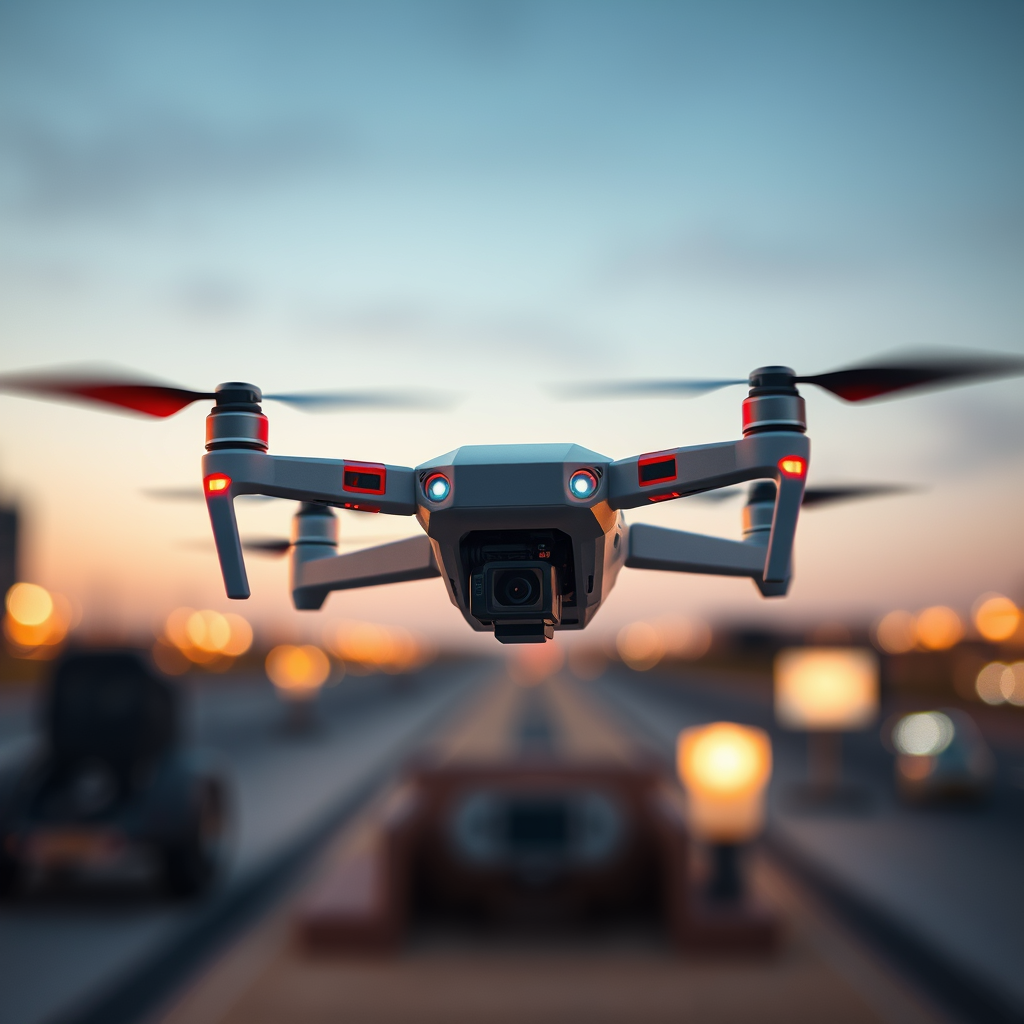
Drones can accelerate at varying rates, typically reaching speeds of 0 to 60 mph in just a few seconds, depending on their design and type. This rapid acceleration is a key feature that distinguishes drones across different categories, from racing to consumer models. Understanding the acceleration capabilities of drones is essential not only for enthusiasts but also for professionals looking to optimize their operations. In this article, we’ll explore the factors influencing drone acceleration, types of drones, and the implications of speed for users.
Understanding Drone Acceleration
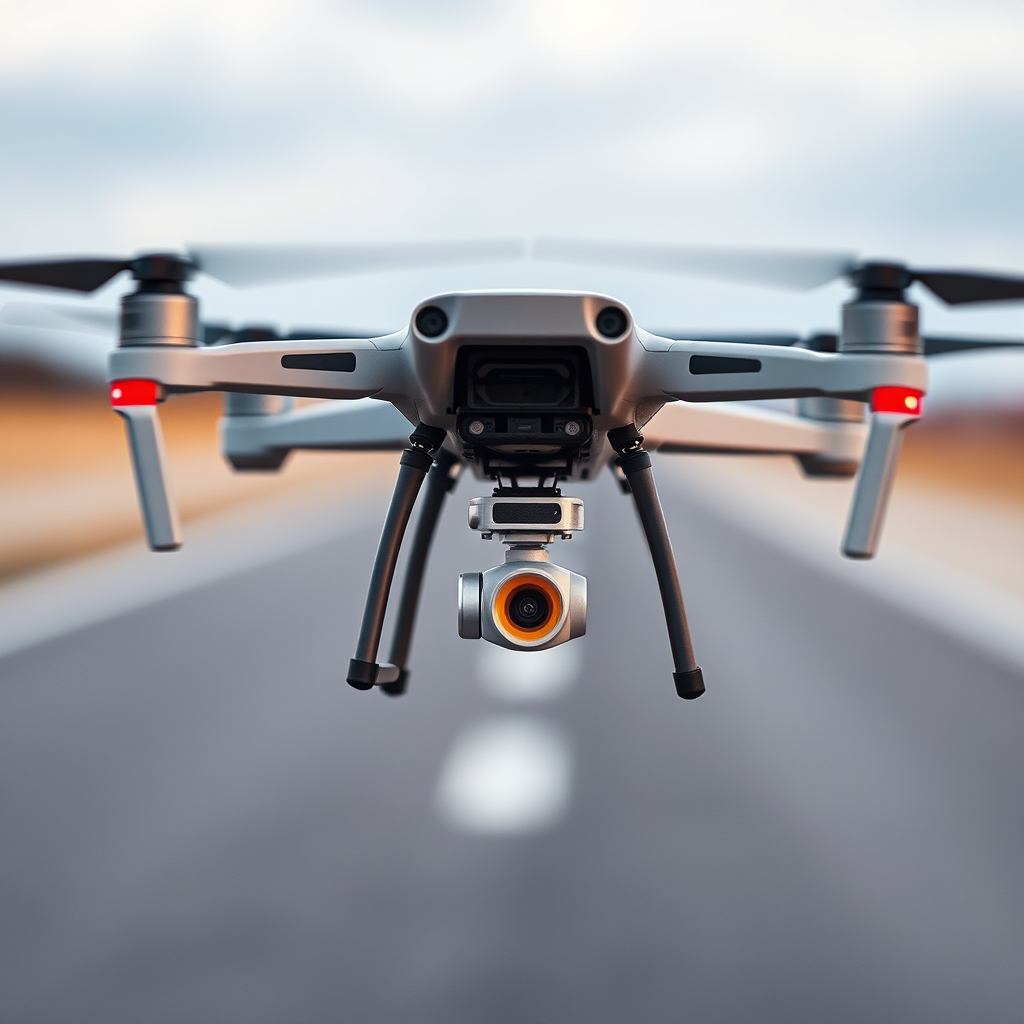
Acceleration in drones is a multifaceted concept, primarily influenced by two main factors: the drone’s weight and its motor power. The relationship between these two elements is critical; a lightweight drone with powerful motors can achieve faster acceleration compared to a heavier drone with less potent engines. For example, racing drones are engineered for maximum speed and agility, often constructed from lightweight materials such as carbon fiber, allowing them to accelerate rapidly.
Different classes of drones exhibit varying acceleration capabilities. Racing drones, designed specifically for speed and maneuverability, can reach remarkable acceleration rates, while consumer drones often prioritize stability and ease of use over sheer speed. For instance, many high-end consumer drones are limited to a maximum speed of around 40 mph, balancing performance with user-friendly features that cater to photographers and videographers.
Types of Drones and Their Speeds
When discussing drone acceleration, it is essential to recognize the distinct categories of drones and their respective speed capabilities. Racing drones, which are built for competitive environments, can achieve extraordinary speeds often exceeding 100 mph. These drones are equipped with high-performance motors and advanced flight controllers that enable rapid responsiveness to pilot commands. For example, models like the DJI FPV drone can accelerate from 0 to 60 mph in just a few seconds, showcasing the thrilling capabilities of racing drones.
In contrast, consumer drones typically feature moderate acceleration, focusing more on stability and flight quality rather than extreme speeds. Models such as the DJI Mavic Air 2 can reach speeds of up to 42 mph but are designed to deliver stable and high-quality aerial photography rather than extreme racing capabilities. The emphasis on stability is crucial for users who want to capture smooth video footage and sharp images, as erratic movements can lead to subpar results.
Factors Affecting Drone Acceleration
Several factors influence a drone’s acceleration, including battery capacity, motor efficiency, and environmental conditions. Firstly, the type and capacity of the battery play a significant role in performance. Lithium polymer (LiPo) batteries, commonly used in drones, provide a high discharge rate, enabling rapid acceleration. However, heavier batteries can impede acceleration, which is why racing drones often utilize lightweight battery solutions to maximize performance.
Environmental conditions are another critical factor affecting drone speed. Wind resistance can significantly slow down a drone’s acceleration, particularly in outdoor settings where gusts may create turbulence. Temperature also plays a role; colder conditions can affect battery performance, leading to reduced acceleration capabilities. Thus, understanding these external factors is vital for drone users who want to optimize their flight experiences.
Measuring Drone Acceleration
Acceleration is typically measured in meters per second squared (m/s²), a standard unit that allows for a clear understanding of a drone’s performance. Manufacturers often provide specifications indicating maximum acceleration rates, but it is essential to recognize that real-world tests can yield different results. Factors such as pilot skill, environmental conditions, and payload can all affect acceleration rates during actual flight.
For example, a racing drone may achieve advertised acceleration rates during controlled conditions, but in a more dynamic environment—such as during a race with other drones and variable wind conditions—the actual performance could differ. Enthusiasts and professionals often rely on third-party reviews and user experiences to gain a more accurate picture of a drone’s capabilities outside of manufacturer claims.
Practical Applications of Drone Speed
Speed is not merely a matter of performance; it has practical implications across various industries. In racing competitions, where every millisecond counts, the acceleration and top speed of drones are paramount. Pilots must navigate complex courses quickly, making acceleration a vital factor in determining the winner.
For aerial photography and videography, speed can be equally important, particularly when capturing fast-moving subjects such as wildlife or sports events. Drones that can accelerate quickly allow operators to track subjects smoothly and capture dynamic footage, enhancing the overall quality of the media produced.
Additionally, emergency response drones benefit significantly from quick acceleration capabilities. In critical situations, such as search and rescue operations or disaster response, drones that can reach their destinations swiftly can provide timely assistance, potentially saving lives. The ability to quickly deploy drones can also aid in delivering essential supplies or medical assistance in emergency scenarios.
Future Trends in Drone Acceleration
The future of drone acceleration is promising, with ongoing technological advancements paving the way for faster and more efficient models. Innovations in battery technology, such as solid-state batteries, are expected to provide higher energy densities and quicker discharge rates, enhancing acceleration capabilities while maintaining lightweight designs.
Artificial intelligence (AI) is also making strides in optimizing drone performance, with systems that can adjust power distribution and navigation in real-time based on environmental conditions. This capability could lead to smarter drones that not only accelerate faster but also handle unpredictable circumstances more effectively.
Moreover, the rise of hybrid drone technology, which combines traditional propulsion systems with electric systems, may lead to breakthroughs in speed and efficiency. As these trends continue to develop, we can anticipate a future where drones are not only faster but also more versatile, capable of tackling a wide range of applications with unparalleled efficiency.
In conclusion, understanding how fast a drone can accelerate is essential for both enthusiasts and professionals. By considering the various factors that affect speed, users can choose the right drone for their needs and maximize its capabilities. As technology continues to evolve, the acceleration potential of drones will likely expand, enhancing their utility across various industries. If you’re interested in drones, explore different models and specifications to find the perfect match for your flying ambitions!
Frequently Asked Questions
What factors influence how fast a drone can accelerate?
Several factors influence a drone’s acceleration, including its design, weight, motor power, and battery capacity. Drones with high-thrust motors and lightweight materials tend to accelerate faster. Additionally, aerodynamic design plays a crucial role; drones with streamlined shapes can cut through the air more efficiently, resulting in quicker acceleration.
How fast can consumer drones accelerate compared to racing drones?
Consumer drones typically accelerate from 0 to 15 mph in about 3-5 seconds, depending on their specifications. In contrast, racing drones are engineered for speed and agility, often achieving similar speeds in under 2 seconds. This variance is mainly due to the racing drone’s lightweight build and high-performance motors designed for rapid response and acceleration.
Why does drone acceleration matter for specific applications?
Drone acceleration is critical for applications such as aerial photography, search and rescue, and racing. In photography, quick acceleration can help capture fast-moving subjects, while in search and rescue, rapid response times can be vital for saving lives. For racing, acceleration directly impacts performance and competitiveness, making it a key factor for enthusiasts and professionals alike.
What is the best acceleration rate for commercial drones used in delivery services?
For commercial delivery drones, an acceleration rate of approximately 5-10 mph per second is considered optimal. This speed allows for efficient transport of packages without compromising safety or stability during flight. A balanced acceleration rate ensures that drones can navigate urban environments effectively while adhering to regulatory speed limits.
Which drones are known for the fastest acceleration rates?
Drones like the DJI FPV and the Eachine Wizard X220 are renowned for their rapid acceleration rates. The DJI FPV can reach speeds of up to 87 mph in just seconds, making it one of the fastest consumer drones available. Racing drones, in general, are built for speed and agility, so models specifically designed for racing competitions will also exhibit impressive acceleration capabilities.
References
- https://en.wikipedia.org/wiki/Drone
- https://www.sciencedirect.com/topics/engineering/drone
- https://www.nasa.gov/mission_pages/Global_Hawk/media/Global_Hawk.html
- https://www.researchgate.net/publication/319123456_An_Overview_of_Drones
- https://www.aviation.govt.nz/assets/publications/Drone-Operations-Manual.pdf
- https://www.bbc.com/future/article/20201014-what-are-the-limits-of-drone-technology
- https://www.uspto.gov/learning-and-resources/what-are-drones
- https://www.nist.gov/news-events/news/2018/04/what-are-drones-and-how-are-they-used
- https://www.faa.gov/uas/
- https://www.itu.int/en/ITU-T/Workshops-and-Seminars/201812/Pages/default.aspx
