
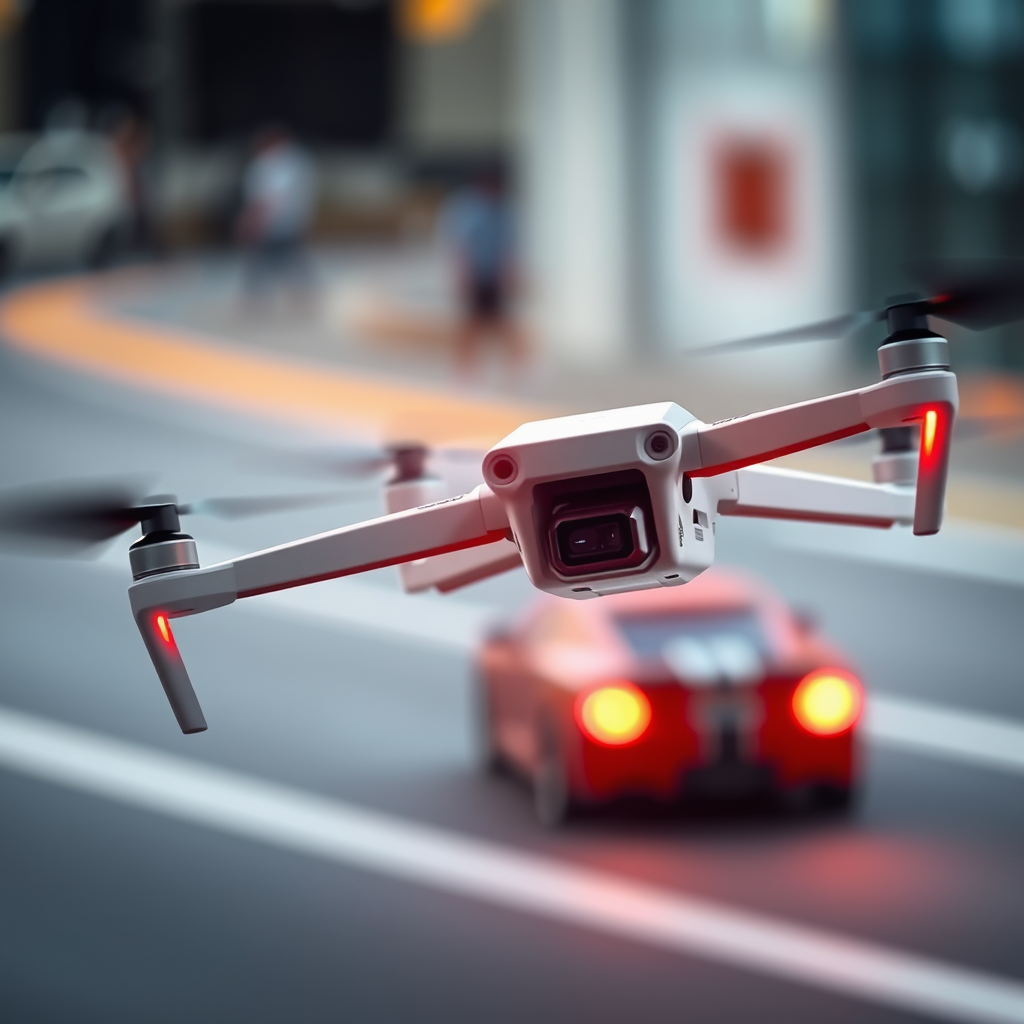
Racing drones can reach speeds of up to 100 mph (160 km/h), making them incredibly fast and competitive in the sport. This impressive velocity is a significant factor in the thrill of drone racing, where pilots navigate through complex courses at breakneck speeds. In this article, we will delve into the various factors that influence the speed of racing drones, explore the technology that powers them, and discuss the implications for enthusiasts and competitors alike.
Understanding Racing Drone Speed
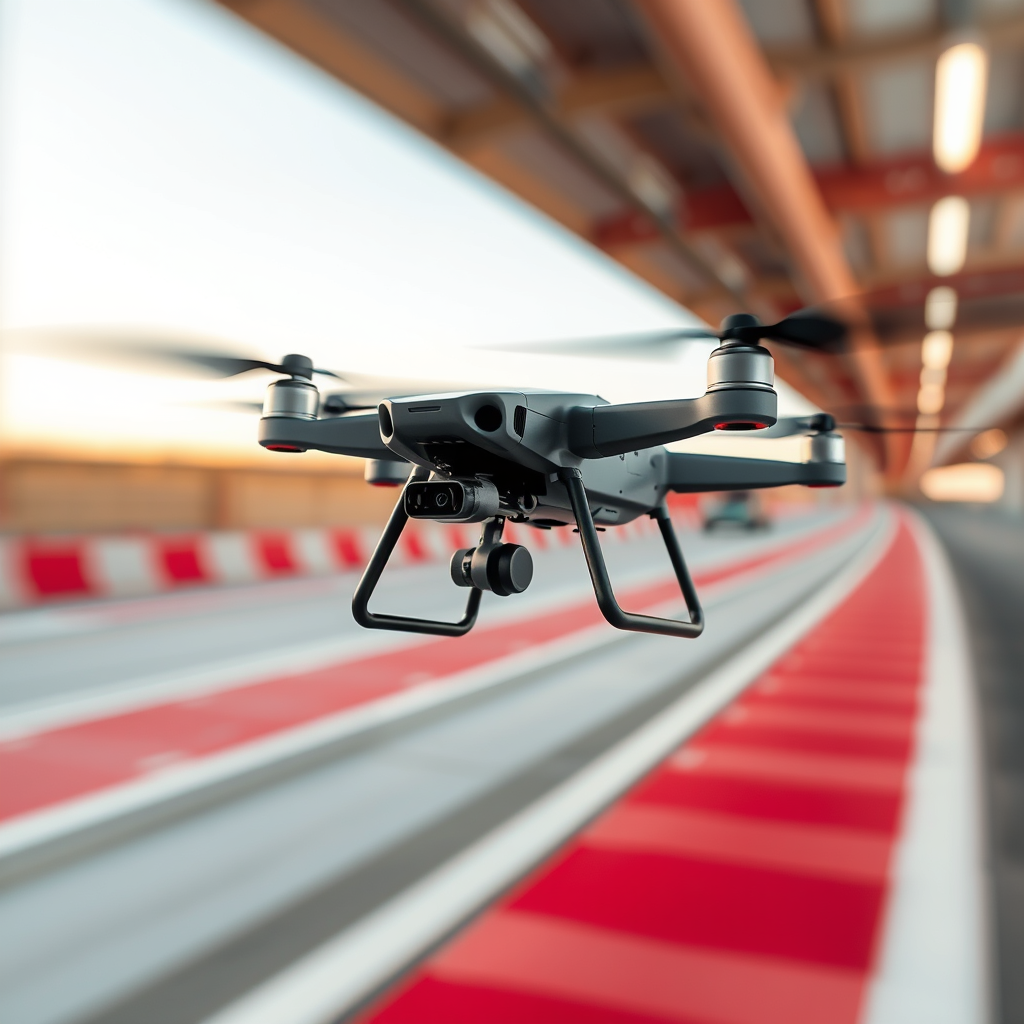
Racing drones are specifically designed for competitive flying, featuring lightweight structures and powerful components to achieve maximum speed and agility. Their primary purpose is to navigate through intricate racing courses while competing against other pilots, often in a first-person view (FPV) format. This immersive experience enhances the excitement of the sport, as pilots feel as if they are actually flying the drone themselves. Speed records in the racing drone community are a testament to the capabilities of these machines. For instance, some racing drones have been recorded reaching speeds of over 120 mph (193 km/h) in controlled environments, showcasing the potential for even greater velocities as technology advances.
Factors Affecting Racing Drone Speed
Weight and Design
The weight and design of a racing drone play a crucial role in determining its speed. A lighter drone can accelerate faster and maneuver more efficiently. Materials such as carbon fiber or lightweight plastics are commonly used in the construction of racing drones to minimize weight without sacrificing strength. The aerodynamic design of the drone also contributes significantly to its speed; streamlined shapes reduce drag, allowing for smoother flight through the air. Pilots often customize their drones to optimize weight distribution and enhance speed.
Motor Power
The motors installed in racing drones are another critical factor in achieving high speeds. High-performance brushless motors are typically used in racing drones due to their efficiency and power output. These motors can produce significant thrust, allowing the drone to reach its top speed quickly. Additionally, the choice of propellers can influence performance; larger or more aggressive propellers can provide better acceleration but may sacrifice some top-end speed. It is essential for pilots to balance motor power and propeller selection to achieve optimal speed for their specific racing style.
Types of Racing Drones
Comparison of Different Racing Drone Models
Racing drones come in various models, each with unique speed capabilities and characteristics. Some popular ready-to-fly (RTF) models, such as the Eachine Wizard X220 and the Fat Shark 101, cater to beginners and offer impressive speeds while being user-friendly. On the other hand, custom-built racing drones allow enthusiasts to fine-tune every component, from the frame to the motors, to maximize speed. These custom drones can often exceed the capabilities of RTF models, making them popular among experienced racers looking to push the limits.
Exploration of Custom-Built vs. Ready-to-Fly (RTF) Racing Drones
Custom-built drones offer significant advantages in terms of performance. Builders can select high-quality components tailored to their racing style, ensuring that every part works harmoniously to improve speed. However, this level of customization requires a deeper understanding of drone technology and often a higher initial investment. In contrast, RTF drones provide a more accessible entry point for newcomers, allowing them to participate in the sport without extensive technical knowledge. Ultimately, the choice between custom-built and RTF models depends on the goals and expertise of the racer.
Technology Behind Racing Drones
Explanation of Advanced Technology
Racing drones are equipped with advanced technology that enhances their performance and speed. One of the most significant advancements is the implementation of First-Person View (FPV) systems, which provide pilots with a live video feed from the drone’s perspective. This technology not only enhances the racing experience but also allows for more precise control, as pilots can navigate through tight spaces at high speeds. Additionally, many racing drones incorporate sophisticated flight controllers that utilize algorithms to stabilize the drone during flight, further improving speed and maneuverability.
Impact of Battery Life and Efficiency
Battery life and efficiency are crucial factors in determining the overall speed and performance of racing drones. High-capacity lithium-polymer (LiPo) batteries are commonly used due to their lightweight nature and ability to deliver high discharge rates. However, the trade-off between battery size and weight can impact speed; heavier batteries can slow the drone down, while smaller batteries may not provide enough power for sustained high-speed flight. Pilots must carefully select batteries that allow for optimal performance while maintaining a balance between weight and power.
Popular Racing Competitions
Overview of Prominent Racing Events
The world of drone racing is vibrant, with several high-profile events showcasing the speed and skill of pilots. Notable competitions include the Drone Racing League (DRL), which features professional pilots racing in thrilling events with high stakes and significant prizes. Events like these not only highlight the capabilities of racing drones but also foster a sense of community among enthusiasts. The excitement of watching pilots push the limits of their machines captivates audiences and further popularizes the sport.
Notable Racers and Their Top Speeds
Many racers have made a name for themselves in the drone racing community, setting impressive speed records along the way. For instance, pilots like Jordan Temkin and Gab707 have achieved remarkable speeds in competitions, often exceeding 100 mph. These racers serve as inspirations for aspiring drone enthusiasts, showcasing the potential of racing drones while demonstrating the skill and precision required to master the sport.
Safety and Regulations
Discussion of Safety Measures
Safety is paramount in drone racing, both for pilots and spectators. Racing organizers implement several safety measures, including designated racing zones and strict guidelines for drone specifications. Pilots are often required to wear safety gear, such as helmets and goggles, to protect themselves during high-speed races. Additionally, many events utilize safety nets and barriers to minimize risks for spectators, ensuring a secure environment for everyone involved.
Regulatory Guidelines
Regulatory guidelines are established by organizations such as the Federal Aviation Administration (FAA) in the U.S. to ensure fair play and safety in drone racing. These regulations dictate where and how drones can be raced, including restrictions on flying near populated areas and requirements for pilot certification. Compliance with these regulations is essential for maintaining the integrity of the sport and promoting responsible flying practices among racers.
Tips for Aspiring Drone Racers
Essential Advice for New Racers
For those looking to enter the world of drone racing, understanding the fundamentals is crucial. New racers should start by familiarizing themselves with the different types of drones and their components. Investing in an RTF drone can be a good starting point, allowing newcomers to gain experience without the complexities of building a custom drone. Additionally, practicing in open spaces can help develop piloting skills before entering competitive races.
Recommended Practices for Tuning and Maintaining Racing Drones
To maximize speed and performance, aspiring racers should learn about tuning their drones. This involves adjusting settings such as PID (Proportional, Integral, Derivative) values, which control how the drone responds to pilot inputs. Regular maintenance, including cleaning and inspecting components, is also essential for optimal performance. Pilots should ensure that their batteries are properly charged and that all connections are secure before each race. These practices can significantly enhance a racer’s chances of success on the track.
In conclusion, racing drones are exceptionally fast machines capable of thrilling speeds, influenced by various factors like design, technology, and competition. Understanding the intricacies of racing drone speed, from weight and motor power to the impact of advanced technology and safety regulations, can significantly enhance both performance and enjoyment for drone racing enthusiasts. For those interested in this exhilarating sport, diving into the world of racing drones opens up opportunities to maximize speed and skill, making for a truly captivating experience.
Frequently Asked Questions
What is the average speed of a racing drone?
The average speed of a racing drone typically ranges from 40 to 100 miles per hour (mph), depending on the model and specifications. High-performance racing drones, particularly those designed for competitive events, can reach speeds exceeding 120 mph. Factors such as the drone’s weight, motor power, and aerodynamics play significant roles in determining its maximum speed.
How can I make my racing drone faster?
To enhance the speed of your racing drone, consider upgrading its motors, propellers, and battery. High-KV motors can provide more thrust, while lightweight, high-pitch propellers can improve aerodynamics and speed. Additionally, using a higher-capacity battery can deliver more power, but ensure that your drone’s frame can handle the extra weight without compromising agility.
Why are racing drones capable of such high speeds?
Racing drones are designed for high-speed performance through a combination of lightweight materials, powerful motors, and optimized aerodynamics. Their frame designs often minimize drag while maximizing thrust, allowing them to accelerate quickly and maintain high speeds during races. Moreover, advanced flight controllers and tuning options enhance responsiveness, making racing drones incredibly agile and fast.
Which racing drones are the fastest on the market?
Some of the fastest racing drones available include models like the Eachine Wizard X220, the Fat Shark 101, and custom builds from brands like ImpulseRC and Rotor Riot. These drones are engineered for speed, featuring powerful motors and lightweight frames. Custom-built racing drones, tailored to individual preferences, can also surpass the speeds of commercial models, often exceeding 120 mph.
What factors affect the speed of a racing drone?
Several factors impact the speed of a racing drone, including motor power, propeller size and pitch, battery capacity, and overall weight. The drone’s frame material and design also play crucial roles in reducing drag and enhancing acceleration. Additionally, environmental conditions, such as wind speed and direction, can significantly affect how fast a racing drone can fly, making it essential for pilots to consider these variables during races.
References
- https://en.wikipedia.org/wiki/Drone_racing
- https://www.nytimes.com/2021/05/12/technology/drone-racing.html
- https://www.sciencedirect.com/science/article/pii/S1877050919312460
- https://www.reuters.com/article/us-drone-racing-idUSKBN1Z10BM
- https://www.wired.com/story/drone-racing-world-championships/
- https://www.theguardian.com/technology/2020/jun/08/drone-racing-uk-championships
- https://www.faa.gov/uas/
- https://www.dronepilotgroundschool.com/drone-racing/
