
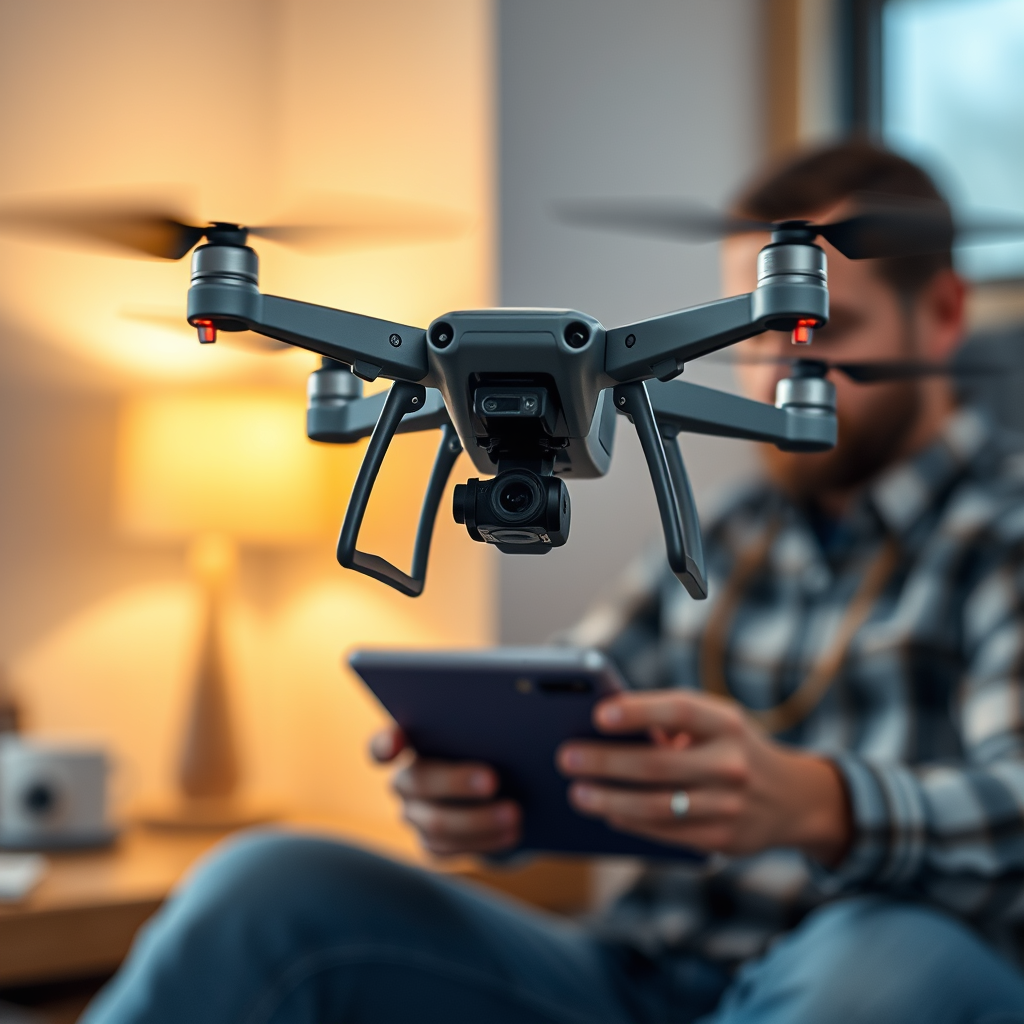
Small drones can typically fly at speeds ranging from 15 to 50 miles per hour, depending on their design and purpose. Factors such as weight, motor power, and aerodynamics all influence their maximum speed. This article delves into the various aspects that determine how fast small drones can fly, offering insights for enthusiasts and potential buyers alike. Understanding these factors can help users select the right drone for their needs and enhance their flying experiences.
Understanding Drone Classifications
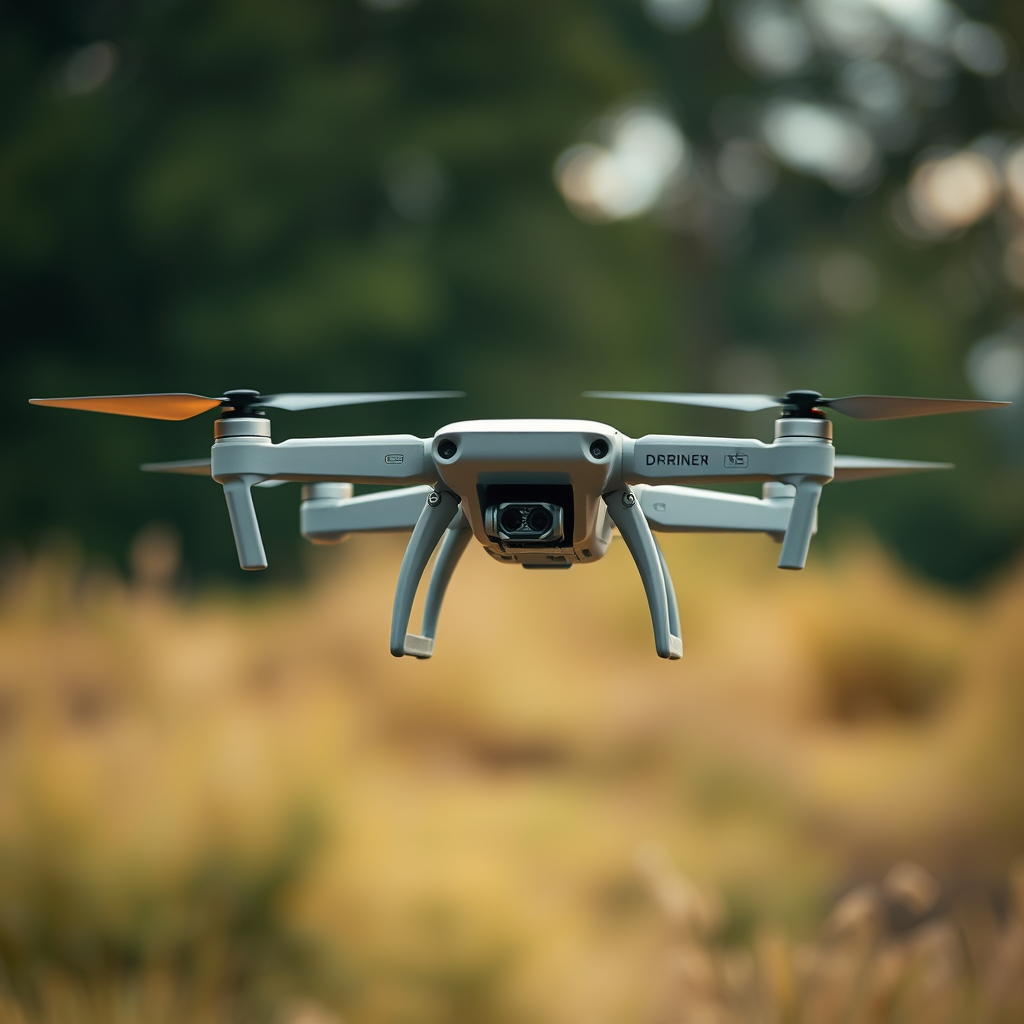
The classification of drones plays a significant role in determining their speed capabilities. Drones can generally be categorized into three main types: toy drones, hobbyist drones, and professional drones.
– Toy Drones: These are entry-level options designed primarily for beginners or children. They usually have lower speeds, ranging from 15 to 25 mph, and are made with lightweight materials which limit their performance.
– Hobbyist Drones: A step up from toy drones, hobbyist models are more robust and can achieve speeds around 25 to 40 mph. They often come with better features, such as improved cameras and longer flight times, making them suitable for recreational flying and basic photography.
– Professional Drones: Designed for commercial use, these drones can reach speeds of 40 mph and beyond, depending on their specific application. For instance, racing drones are engineered for maximum speed and maneuverability, often exceeding 50 mph. They are built with high-performance motors and optimized designs to excel in competitive environments.
Understanding these classifications helps potential buyers assess which type of drone aligns with their desired speed and functionality.
Factors Influencing Drone Speed
Several critical factors influence how fast small drones can fly, each contributing to their overall performance in unique ways.
– Weight: The weight of a drone significantly affects its speed. A heavier drone experiences more drag, which can slow it down during flight. For example, a drone designed to carry heavy payloads, such as cameras or sensors, may have a maximum speed of only 20 mph. Conversely, lightweight racing drones are designed to be nimble, often weighing less than a pound, allowing them to achieve speeds exceeding 50 mph.
– Motor Power: The power of the drone’s motors directly correlates to its speed capabilities. Drones equipped with high-performance motors can generate more thrust, resulting in faster flight speeds. For instance, a racing drone may use brushless motors rated at 2000 kV or higher, enabling rapid acceleration and top speeds that appeal to competitive pilots.
Aerodynamics and Design
The aerodynamics and design of a drone are crucial in determining its flight efficiency and speed.
– Shape and Size: The shape of the drone influences how air flows around it. Drones with streamlined bodies and smaller profiles tend to experience less drag, allowing for higher speeds. For example, a racing drone typically features a compact, aerodynamic frame that minimizes resistance, enhancing its ability to cut through the air.
– Materials Used: The materials selected for drone construction can also impact its speed capabilities. Lightweight materials, such as carbon fiber or high-strength plastics, reduce the overall weight of the drone while maintaining structural integrity. This weight reduction allows for faster flight speeds and improved performance during maneuvers.
In essence, the combination of aerodynamics and materials plays a pivotal role in maximizing a drone’s speed potential.
Environmental Conditions
The performance of small drones can be significantly affected by environmental conditions, which are essential considerations for pilots.
– Wind Resistance: Wind can act as a formidable adversary, creating resistance that reduces a drone’s effective speed. For instance, a drone flying against a headwind may experience a noticeable decrease in its maximum speed, potentially reducing its effective range and flight time. Pilots should always check weather conditions before flight to ensure optimal performance.
– Altitude and Temperature: Higher altitudes and varying temperatures can also influence drone performance. At higher altitudes, the air becomes thinner, which can affect lift and motor efficiency, leading to reduced speed. Similarly, extreme temperatures can impact battery performance, affecting how quickly a drone can fly. Understanding these environmental factors is crucial for ensuring safe and effective drone operation.
Speed Comparisons Among Popular Models
When considering the purchase of a small drone, it is helpful to compare the maximum speeds of popular models within different categories.
– DJI Mini 2: This compact drone offers a maximum speed of approximately 36 mph, making it suitable for both beginners and enthusiasts seeking a balance between speed and ease of use.
– Parrot Anafi: This drone reaches speeds of up to 33 mph and is known for its excellent camera capabilities, appealing to those interested in aerial photography.
– Racing Drones (e.g., Eachine Wizard X220): Designed specifically for speed, racing drones can reach speeds over 50 mph. Models like the Eachine Wizard X220 are built for agility and quick acceleration, making them ideal for competitive racing.
By comparing the specifications and speeds of these models, potential buyers can make informed decisions based on their speed requirements and intended use.
Safety Regulations and Speed Limits
Safety regulations play a critical role in the operation of small drones, particularly concerning speed limits and flight altitude.
– FAA Regulations: In the United States, the Federal Aviation Administration (FAA) imposes regulations that govern drone operations. For example, drones must not exceed a speed of 100 mph and must remain below an altitude of 400 feet when flying in uncontrolled airspace. These regulations are designed to ensure the safety of both drone operators and the general public.
– Importance of Compliance: Adhering to these regulations is essential not only for legal compliance but also for promoting safe flying practices. Violating speed limits can result in fines or legal actions, in addition to endangering other aircraft and individuals on the ground. Responsible flying is paramount for maintaining the integrity of the drone community.
Tips for Maximizing Drone Speed
Enhancing the speed of a drone can significantly improve the flying experience. Here are some tips for maximizing speed performance:
– Regular Maintenance: Keeping a drone well-maintained is crucial for optimal performance. Regularly check and clean the propellers, motors, and battery connections to ensure they function efficiently. A clean drone with well-maintained components can perform better and reach higher speeds.
– Upgrades and Adjustments: Consider investing in upgrades such as high-performance batteries or improved propellers designed for speed. For example, using lighter, more aerodynamic propellers can reduce drag and improve acceleration. Additionally, tuning the drone’s software settings can optimize its flight parameters for speed.
By implementing these practices, drone enthusiasts can unlock the full potential of their devices and enjoy faster, smoother flights.
In summary, understanding how fast small drones can fly involves examining various factors, including design, environmental conditions, and safety regulations. By considering these aspects, drone enthusiasts can make informed choices and optimize their flying experiences. Whether you’re a beginner looking for a recreational drone or a seasoned pilot seeking speed, these insights can guide you in finding the perfect fit for your needs.
Frequently Asked Questions
What is the average speed of a small drone?
The average speed of a small drone typically ranges from 15 to 50 miles per hour (24 to 80 kilometers per hour), depending on the drone’s design and purpose. Hobbyist drones, like the DJI Mini series, generally fly at speeds closer to 25 mph, while racing drones can reach speeds of up to 100 mph. Understanding these speed ranges helps potential buyers choose a drone that meets their specific needs, whether for casual flying, racing, or aerial photography.
How does the weight of a small drone affect its speed?
The weight of a small drone significantly impacts its speed and overall performance. Lighter drones can accelerate more quickly and achieve higher speeds due to less aerodynamic drag. Conversely, heavier drones may struggle to reach their maximum speed, especially in windy conditions. When considering a drone purchase, it’s essential to evaluate both weight and intended use to find the best balance for speed and stability.
Why do some small drones have a higher speed than others?
The speed capabilities of small drones vary based on several factors, including motor power, battery capacity, and design. Racing drones are engineered with high-performance motors and lightweight materials to maximize speed, while camera drones prioritize stability and flight time over speed. Understanding the design purpose of the drone can help users select a model that aligns with their flying preferences, whether for speed or stability.
Which small drones are known for their high-speed performance?
Some of the best small drones known for high-speed performance include the Eachine Wizard X220, which can reach speeds of up to 75 mph, and the DJI FPV, capable of hitting 87 mph in its sport mode. These drones are popular among racing enthusiasts and those seeking adrenaline-pumping flight experiences. When looking for a high-speed drone, consider factors such as durability, control responsiveness, and battery life in addition to speed.
How can I safely fly a small drone at high speeds?
To safely fly a small drone at high speeds, always conduct pre-flight checks to ensure everything is functioning correctly, and choose open areas away from crowds and obstacles. Familiarize yourself with your drone’s controls and practice flying in a controlled environment before attempting high-speed maneuvers. Additionally, adhere to local regulations and guidelines regarding drone flights to ensure safety and compliance, which enhances the overall flying experience.
References
- https://en.wikipedia.org/wiki/Drone
- https://www.nasa.gov/mission_pages/earth/news/drone.html
- https://www.faa.gov/uas/
- https://www.sciencedirect.com/science/article/pii/S2351978921000049
- https://www.forbes.com/sites/forbestechcouncil/2021/07/14/how-fast-can-drones-fly/
- https://www.theverge.com/2019/7/31/20748731/drone-speed-record-100-mph-faa-regulations
- https://www.ncbi.nlm.nih.gov/pmc/articles/PMC8036639/
