
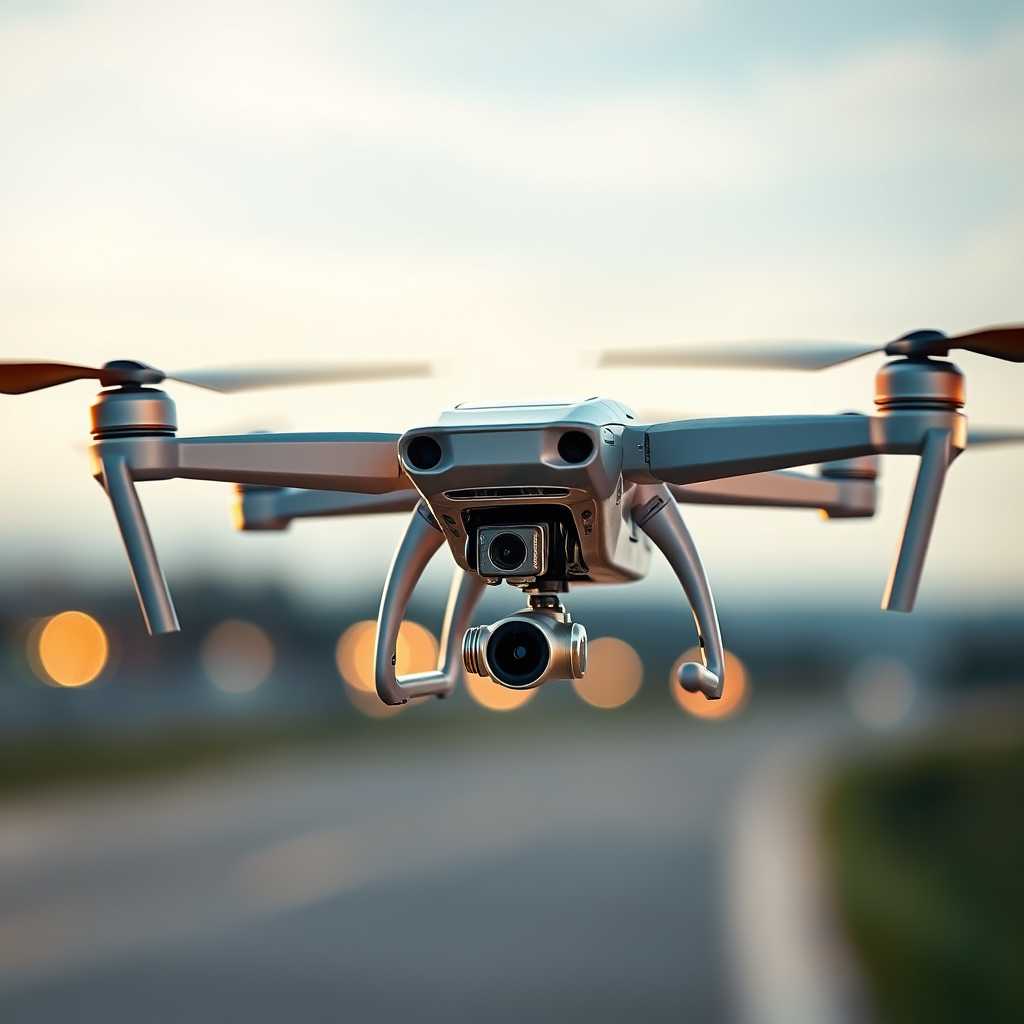
Drones can fly at speeds ranging from 15 mph to over 100 mph, depending on the type and model. While consumer drones typically reach speeds of 30 to 50 mph, racing drones can exceed 100 mph. Understanding the speed capabilities of different drones is crucial for both recreational users and professionals in industries like delivery, search and rescue, and aerial photography. This article delves into various factors influencing drone speed, types of drones, and their real-world applications.
Types of Drones and Their Speed Ranges
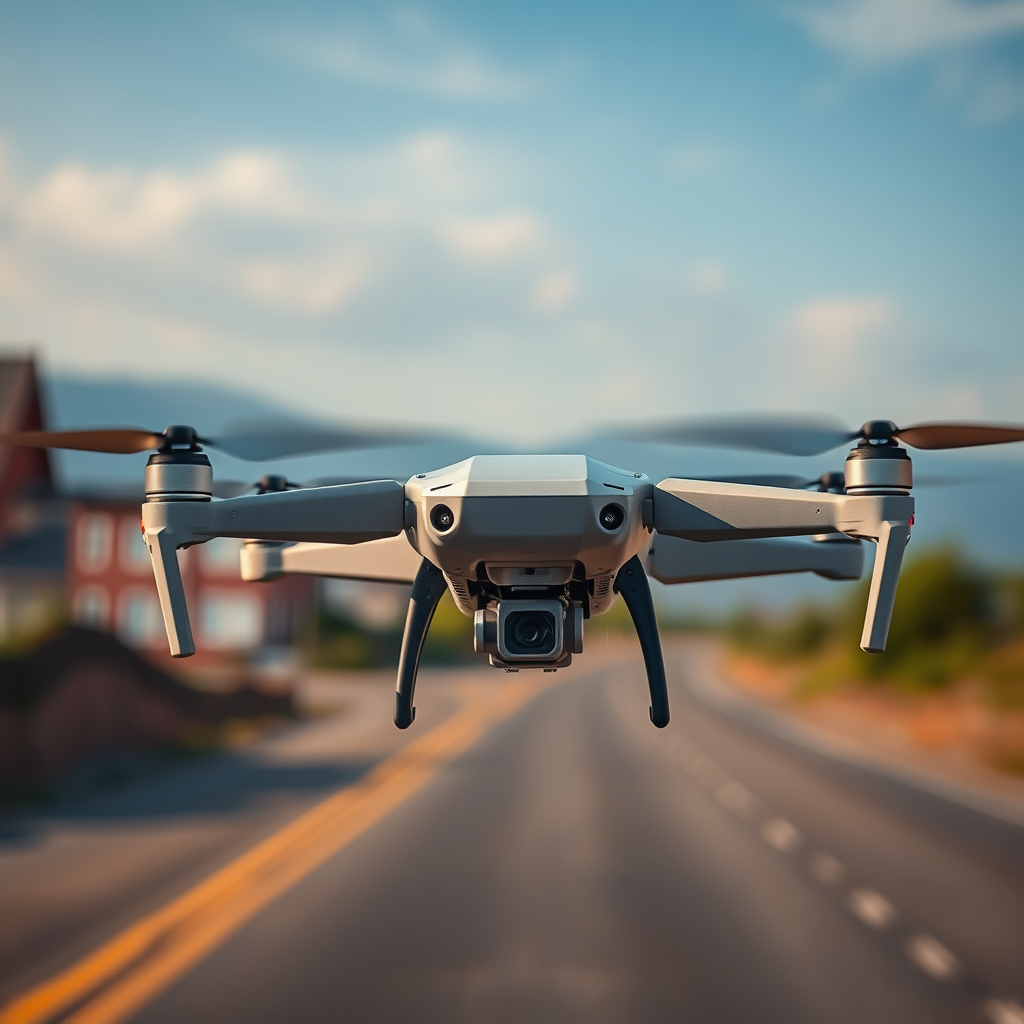
Drones can be categorized into several types, each designed with specific functionalities in mind, resulting in a wide variety of speed ranges.
– Consumer Drones: These drones are primarily used for recreational purposes and hobbyist photography. Most consumer drones, like the DJI Mavic Air 2, can fly at speeds between 15 to 50 mph. They are designed for stability and ease of use, often featuring advanced GPS and stabilization technologies that allow users to capture high-quality images and videos without requiring extensive piloting skills.
– Racing Drones: Built for competition, racing drones are engineered for speed and agility. They often achieve remarkable speeds exceeding 100 mph, with some enthusiasts reporting speeds as high as 140 mph in controlled environments. These drones, such as the Fat Shark 101, utilize lightweight materials and powerful motors to maximize their aerodynamic performance, making them suitable for racing events and high-speed maneuvers.
– Commercial Drones: Designed for applications such as deliveries, surveys, and inspections, commercial drones typically fly at speeds ranging from 30 to 60 mph. For example, the Amazon Prime Air drone is designed to deliver packages quickly while maintaining safety protocols. Their flight speed is crucial in ensuring efficiency while navigating urban environments and avoiding obstacles.
Understanding the speed capabilities of these various drone types helps users choose the right model for their specific needs, whether for leisure or professional applications.
Factors Influencing Drone Speed
Several factors come into play when determining how fast a drone can fly, each influencing its overall performance.
– Design and Build: The aerodynamic shape of a drone significantly impacts its speed capabilities. Drones with streamlined designs reduce drag, allowing for faster speeds. For example, racing drones often feature sleek, narrow frames that minimize air resistance, enabling them to reach their maximum velocity more efficiently than bulkier models.
– Weight: A drone’s weight is a critical factor in its speed performance. Heavier drones require more power to achieve high speeds, which can limit their acceleration and top-end velocity. Manufacturers often focus on lightweight materials, such as carbon fiber, to enhance speed without sacrificing structural integrity. Consequently, hobbyists and professionals alike should consider the impact of additional equipment, like cameras and sensors, on their drone’s overall weight.
– Battery Power: The type and strength of the battery play a crucial role in determining a drone’s maximum flight speeds. High-performance drones often utilize lithium-polymer (LiPo) batteries, which provide a higher discharge rate, allowing the drone to achieve faster speeds. Additionally, battery voltage can affect motor performance, with higher voltage leading to increased speed. Users should ensure their drones are equipped with appropriately rated batteries to optimize performance.
By understanding these factors, drone operators can make informed choices that enhance their flying experience and meet their specific operational requirements.
Real-World Applications of Drone Speeds
The speed capabilities of drones have significant implications across various sectors, demonstrating their versatility and efficiency.
– Delivery Services: Speed is a critical factor for drone delivery services, where timely package delivery can enhance customer satisfaction and operational efficiency. Companies like Zipline and Wing are already utilizing drones that can fly at speeds of 60 mph or more to deliver medical supplies and food, showcasing how drone speed can revolutionize logistics and supply chains.
– Search and Rescue: In emergency situations, quick response times can save lives. Drones equipped with high-speed capabilities can navigate difficult terrains, delivering essential supplies or locating missing persons more efficiently than traditional ground methods. The use of drones in search and rescue operations can significantly enhance the effectiveness of rescue teams, allowing them to cover larger areas in shorter time frames.
– Aerial Photography: For professional photographers and videographers, speed is vital for capturing dynamic shots and covering expansive landscapes. Faster drones can maneuver quickly to capture fleeting moments, such as action sports or wildlife. High-speed drones can also assist in real estate photography by efficiently covering large properties and providing detailed aerial views.
These applications illustrate how the speed of drones can impact various industries, highlighting their importance in modern society.
Regulations Impacting Drone Speed
As drone usage becomes more widespread, regulations governing their operation are continuously evolving, impacting their speed capabilities.
– FAA Guidelines: In the United States, the Federal Aviation Administration (FAA) regulates drone operations, including speed limits and altitude restrictions. While the FAA does not impose a specific maximum speed, it requires drones to remain below a maximum altitude of 400 feet, which can indirectly affect how fast they can operate in urban environments where buildings and other obstacles are present.
– Local Laws: Additionally, local jurisdictions may impose specific regulations that affect drone operations, including speed restrictions in certain areas such as parks, near airports, or populated regions. Drone operators must familiarize themselves with local laws to ensure compliance, which may vary significantly from one area to another.
Awareness of these regulations is crucial for drone operators to avoid legal issues and ensure safe flying practices.
Maintenance Tips for Optimizing Drone Speed
To maximize the speed capabilities of a drone, users should engage in regular maintenance and care.
– Regular Checks: Performing routine inspections of all drone components, including motors, propellers, and batteries, is essential for maintaining optimal performance. Any wear and tear can negatively impact speed and maneuverability. Ensuring that all components are functioning well will help maintain the drone’s speed and overall efficiency.
– Weight Management: Operators should be mindful of the weight of their drones by avoiding unnecessary attachments that could slow them down. This includes minimizing the use of heavy accessories or equipment that may not be essential for the specific flight purpose. Keeping the drone lightweight ensures that it can achieve its maximum speed effectively.
By implementing these maintenance tips, drone operators can ensure that their devices perform at peak efficiency, maximizing speed and enhancing overall flight experience.
Future Trends in Drone Technology
As technology continues to advance, the future of drone speeds looks promising, with several exciting trends on the horizon.
– Innovations: Advances in materials science, such as the development of stronger yet lighter composites, could lead to drones that fly faster and are more energy-efficient. Innovations in propulsion systems, such as electric ducted fans and hybrid engines, may also contribute to increased speeds and improved flight times.
– Potential Uses: As higher speeds become achievable, new applications for drones may emerge, particularly in sectors like emergency services, agriculture, and surveillance. For instance, drones capable of flying at higher speeds may be utilized for rapid crop monitoring or emergency response, where time is of the essence.
These trends indicate a future where drone technology could significantly enhance efficiency and performance across various domains.
In conclusion, understanding how fast drones can fly is essential for both hobbyists and professionals alike. Speed varies significantly across different types of drones and is influenced by factors such as design, weight, and battery power. The implications of drone speed extend into real-world applications, from delivery services to search and rescue missions, highlighting their importance in modern operations. As technology evolves, the capabilities and applications of drones will continue to expand, making it an exciting field to watch. If you’re interested in flying drones or utilizing them for business, consider the speed factors outlined in this article to make informed decisions.
Frequently Asked Questions
What is the average speed of consumer drones?
The average speed of consumer drones typically ranges between 15 to 50 miles per hour (24 to 80 kilometers per hour). Factors such as the drone’s design, weight, and battery life can influence its speed. High-performance models, like racing drones, can achieve speeds exceeding 100 mph, catering specifically to enthusiasts and competitive users.
How does the weight of a drone affect its flying speed?
The weight of a drone plays a significant role in determining its flying speed. Heavier drones may struggle to achieve optimal speeds due to increased drag and reduced power-to-weight ratios. Conversely, lighter drones can accelerate faster and maintain higher speeds, making them ideal for racing or agile maneuvers.
Why do some drones have different speed capabilities?
Different drones have varying speed capabilities due to their intended use, design, and motor power. Racing drones are engineered for speed and agility, featuring lightweight frames and powerful motors, while aerial photography drones prioritize stability and flight time over speed. Understanding these differences helps users select the best drone for their specific needs.
What factors influence how fast a drone can fly?
Several factors influence a drone’s flying speed, including its motor power, battery capacity, aerodynamic design, and weight. Environmental conditions, such as wind speed and direction, can also impact performance. Additionally, the drone’s flight mode settings and software algorithms can modify speed and responsiveness based on user preferences.
Which drone models are the fastest on the market?
Some of the fastest drone models currently available include the DJI FPV, capable of speeds up to 87 mph, and the Eachine Wizard X220, which can reach around 70 mph. Racing drones, like the iFlight Nazgul5, are also designed for speed, often exceeding 60 mph. When selecting a fast drone, consider not only speed but also features like control range and battery life to ensure an optimal flying experience.
References
- https://en.wikipedia.org/wiki/Drone
- https://www.nasa.gov/feature/nasa-drone-research
- https://www.faa.gov/uas/resources/policy_briefings/media/Drone_Use_Cases.pdf
- https://www.reuters.com/article/us-drone-facts-idUSKBN1ZT2N3
- https://www.sciencedirect.com/science/article/pii/S235286482030178X
- https://www.abc.net.au/news/2021-03-02/drones-how-fast-they-can-fly/13141870
- https://www.bbc.com/future/article/20190412-how-fast-can-drones-fly
