
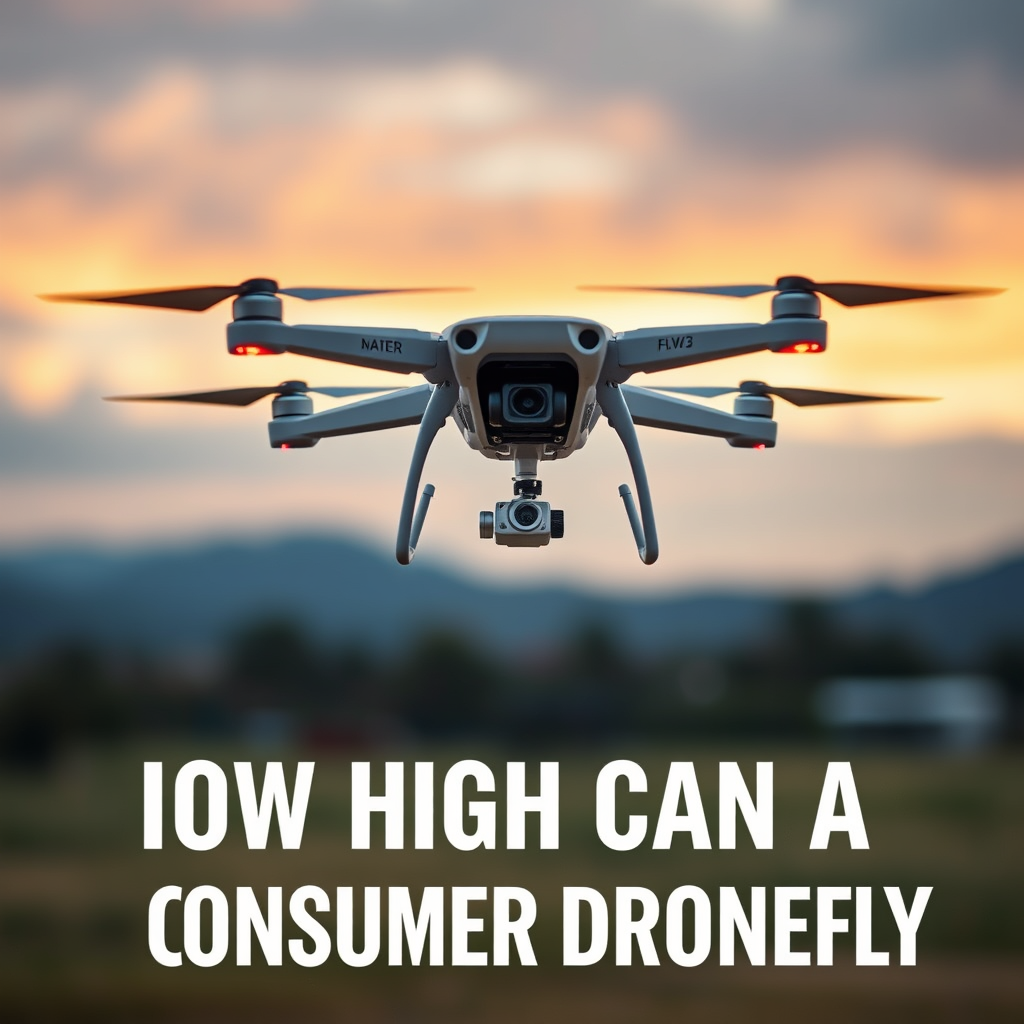
Consumer drones can typically fly at altitudes of up to 400 feet (120 meters) above ground level, as mandated by regulations in many countries. This altitude limit is designed to enhance safety and mitigate risks associated with manned aircraft. However, actual flying heights may vary based on factors such as the drone model, local laws, and environmental conditions. This article delves into the various elements influencing the maximum altitude of consumer drones, the regulations governing their flight, and best practices for safe and responsible operation.
Understanding Drone Altitude Limits
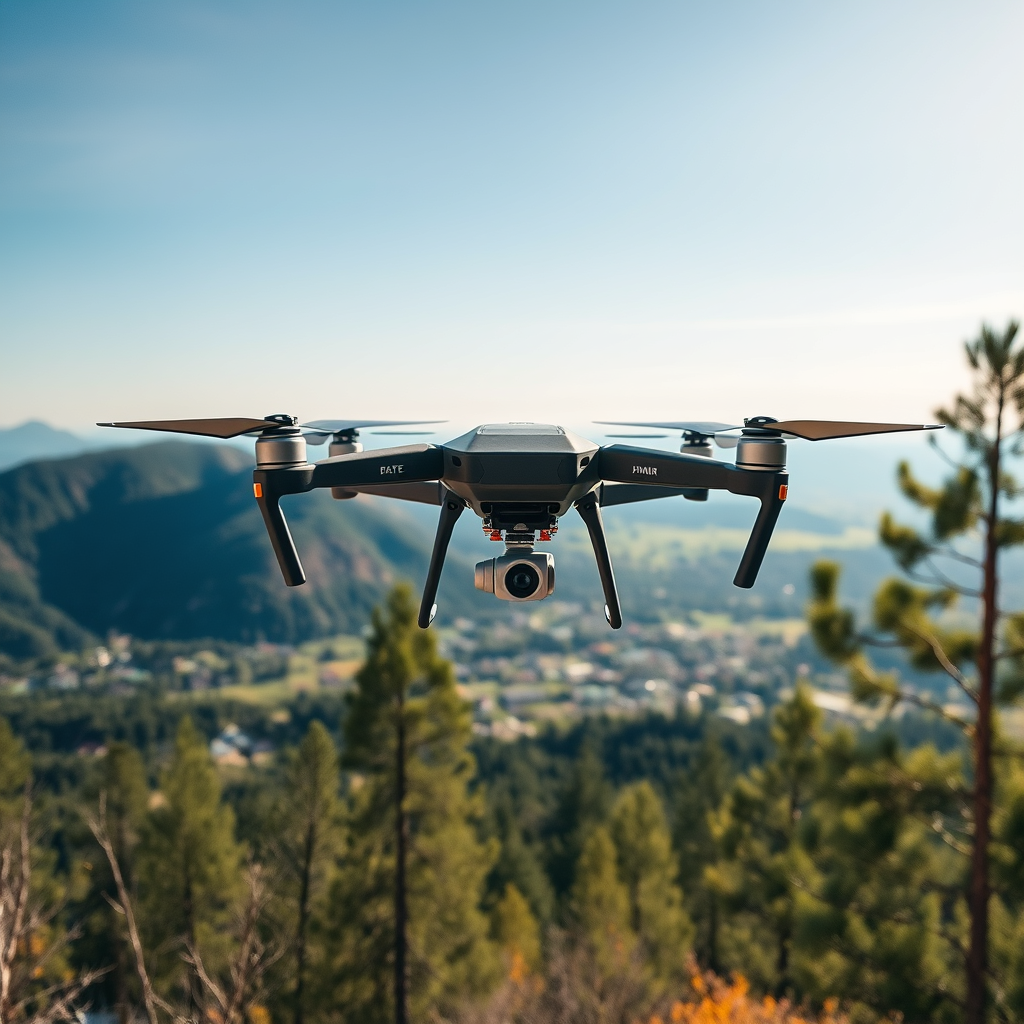
Many countries, including the United States, enforce a strict 400-foot altitude limit for drone flights to ensure safety in the skies. This restriction is primarily in place to prevent interference with manned aircraft, which typically operate at altitudes above this threshold. The Federal Aviation Administration (FAA) has established these limits to create a structured airspace that accommodates both recreational and commercial drone activities.
In addition to the 400-foot limit, different regions may impose additional altitude restrictions based on local air traffic patterns and geographical features. For instance, flying near airports, military bases, or urban centers may come with stricter guidelines. Understanding these limits is crucial for drone operators to avoid potential legal repercussions and ensure safety for all airspace users.
Factors Affecting Maximum Flight Height
The maximum altitude a consumer drone can achieve is influenced by several factors, including the specifications of the drone model itself. Each drone is designed with particular capabilities, and manufacturers provide maximum altitude data in their product specifications. For example, high-end models like the DJI Mavic Air 2 are engineered to fly at greater altitudes with enhanced stability, while entry-level drones may have lower maximum flight ceilings.
Environmental conditions also play a significant role in determining how high a drone can effectively fly. Factors such as air density, temperature, and humidity can affect drone performance. For instance, in hotter climates, air density decreases, which may reduce lift and limit altitude. Moreover, flying in high-altitude locations can present unique challenges, as thinner air can impact battery performance and flight stability.
Regulatory Guidelines for Drone Flight
Regulatory bodies, including the FAA in the U.S. and similar authorities worldwide, are responsible for establishing specific altitude restrictions that govern drone operations. These regulations are critical for ensuring that drone flights do not interfere with manned aviation. The FAA requires drone pilots to fly below 400 feet and maintain a visual line of sight at all times, which enhances operational safety.
It is essential for drone operators to stay informed about local laws and regulations, as some jurisdictions may impose stricter limits on altitude or additional operational requirements. For example, certain cities may have designated no-fly zones that restrict drone use altogether. Regularly consulting local aviation authorities and updates to drone laws can help ensure compliance and promote safer flying practices.
Best Practices for Safe Drone Operation
To maximize safety and compliance while flying a consumer drone, operators should adopt several best practices. First, conducting thorough pre-flight checks is essential to ensure that the drone is in proper working order. This includes inspecting the battery, propellers, and navigational systems to minimize the risk of mechanical failure during flight.
Additionally, maintaining a visual line of sight with the drone is critical for safe navigation. This practice allows operators to monitor their drone’s position and respond to potential hazards, including other aircraft or obstacles. Furthermore, it is advisable to avoid flying in adverse weather conditions, such as strong winds or heavy rain, as these can significantly impact drone performance and safety.
The Impact of Technology on Flight Heights
Advancements in drone technology are continuously shaping the capabilities of consumer drones, including their flight heights. Innovations such as improved battery efficiency, enhanced GPS accuracy, and altitude-holding features are allowing drones to operate more effectively at higher altitudes. For instance, GPS-enabled drones can maintain stable flight at greater heights, enabling operators to capture aerial photography or conduct inspections more effectively.
Moreover, as drone technology evolves, manufacturers are increasingly designing drones with automatic altitude control systems that adjust flight height based on environmental conditions. This technology not only enhances safety but also expands the operational range for various applications, from recreational flying to commercial uses like surveying and mapping.
Common Myths About Drone Altitude
Several misconceptions surround the altitude capabilities of consumer drones. One prevalent myth is that all drones can fly at any height without restrictions. In reality, regulatory guidelines dictate specific altitude limits to ensure safety and compliance. Additionally, some people believe that drones can easily bypass altitude restrictions through technical modifications. However, modifying a drone can void warranties and lead to unsafe flying conditions.
Another common misunderstanding is the difference between recreational and commercial drone flight rules. While both are subject to altitude restrictions, commercial operators often face additional regulations, including the requirement to obtain a Remote Pilot Certificate from the FAA. Understanding these distinctions is essential for anyone interested in utilizing drones for professional purposes.
Future Trends in Drone Altitude Regulations
As drone technology continues to advance, it is likely that regulations surrounding altitude limits will also evolve. Predictions suggest that regulatory bodies may adapt to accommodate the increasing use of drones for delivery services and other commercial applications. This could lead to the establishment of designated drone air corridors that allow for higher altitude flights under controlled conditions.
Moreover, as unmanned aerial vehicles (UAVs) become more integrated into the airspace, there may be a push for more flexible altitude regulations that facilitate safe coexistence with manned aircraft. The development of advanced traffic management systems for drones may also play a crucial role in shaping future altitude policies, ensuring that safety remains a priority as technology progresses.
In conclusion, while consumer drones are generally limited to a maximum altitude of 400 feet, various factors can influence this limit, including drone specifications, environmental conditions, and regulatory guidelines. Understanding these elements, as well as adopting best practices for safe operation, is crucial for any drone enthusiast. Staying informed about local laws and technological advancements will not only ensure compliance but also enhance the overall flying experience in this rapidly evolving field.
Frequently Asked Questions
What is the maximum altitude a consumer drone can fly?
The maximum altitude a consumer drone can fly typically depends on regulations set by aviation authorities. In the United States, for example, the Federal Aviation Administration (FAA) limits recreational drone flights to a maximum of 400 feet above ground level. However, some drones may have hardware limitations that prevent them from reaching this height, so it’s essential to check both the drone specifications and local laws before flying.
How do I determine the flying range of my consumer drone?
To determine the flying range of your consumer drone, refer to the manufacturer’s specifications, which usually provide a maximum range in terms of distance from the remote controller. Additionally, environmental factors such as signal interference, battery life, and the type of terrain can affect flight distance. Always conduct pre-flight checks and monitor your drone’s battery and signal strength during operation to ensure safe flying.
Why do consumer drones have altitude limits?
Consumer drones have altitude limits primarily due to safety and regulatory concerns. These restrictions help prevent interference with manned aircraft, maintain safe flying practices, and protect privacy. By adhering to these altitude limits, drone pilots can help ensure the safety of both their aircraft and others in the airspace, promoting responsible drone use within designated areas.
Which consumer drones can fly the highest?
Some of the consumer drones known for their high altitude capabilities include models like the DJI Mavic 3 and the Autel Robotics EVO Lite+. These drones are designed with powerful motors and advanced stabilization technology, allowing them to reach higher altitudes safely. However, it’s crucial to remember that regardless of the drone’s capabilities, all pilots must comply with local aviation regulations regarding altitude limits.
What should I do if my drone exceeds altitude limits during flight?
If your drone exceeds altitude limits during flight, the first step is to calmly regain control by using the remote controller to descend back within the legal altitude. It’s essential to familiarize yourself with your drone’s altitude settings and ensure you have a failsafe method to prevent unintended altitude gains. Additionally, consider reviewing your flight plan and practicing in a controlled environment to improve your piloting skills and avoid future incidents.
References
- https://en.wikipedia.org/wiki/Drone
- https://www.faa.gov/uas/getting_started/registration
- https://www.faa.gov/uas/getting_started/part_107/
- https://www.reuters.com/article/us-usa-drones-idUSKBN2A50R9
- https://www.nytimes.com/2021/03/02/technology/drone-faa-regulations.html
- https://www.ncbi.nlm.nih.gov/pmc/articles/PMC6584014/
- https://www.theguardian.com/technology/2021/may/29/drone-flying-altitude-regulations-uk
- https://www.dji.com/fly-safe/height-restrictions
