
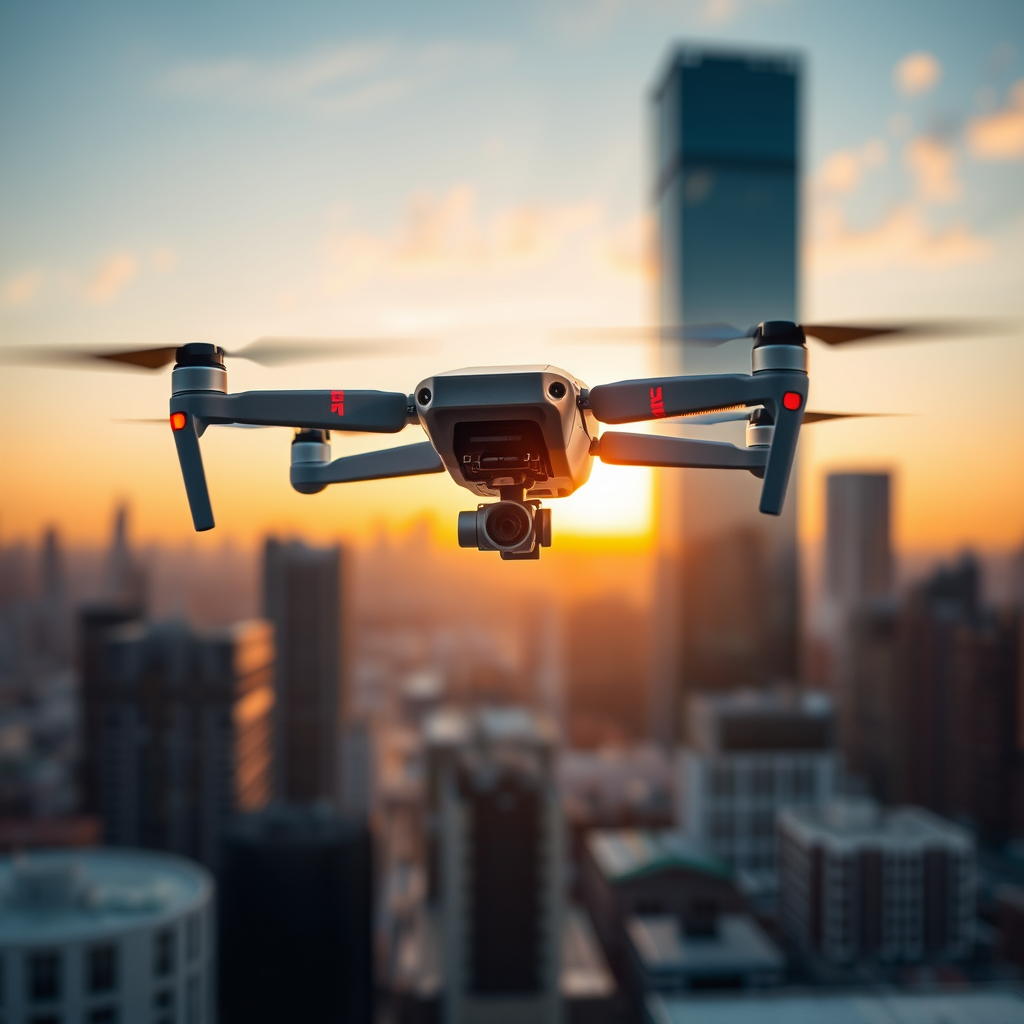
DJI drones can typically fly up to 400 feet (120 meters) above ground level, which is the maximum altitude recommended for safe operation. This altitude limit is not arbitrary; it is designed to keep drone flights within a safe range that minimizes the risk of collisions with manned aircraft. While some models may have the capability to ascend higher under specific conditions and settings, it is essential for pilots to understand the factors influencing altitude, the associated regulations, and best practices for maximizing their drone’s performance. In this article, we will delve into these topics to enhance your understanding of DJI drone flight capabilities.
Understanding DJI Drone Altitude Limits
The maximum flight altitude for DJI drones is predominantly determined by manufacturer specifications. Most DJI models, including the popular Mavic series and Phantom series, are designed to comply with aviation regulations that set a limit of 400 feet above ground level. This altitude is considered safe for the operation of unmanned aerial vehicles (UAVs) as it helps to minimize the risk of interference with commercial air traffic, which typically flies at higher altitudes.
For instance, the DJI Mini 2, which is popular among both hobbyists and professionals, adheres to this 400-foot limit. This limit serves not only to enhance safety but also to ensure compliance with Federal Aviation Administration (FAA) regulations, which dictate that recreational drone pilots must fly below this altitude unless specific permissions are obtained for higher flights. While some advanced models may have built-in features allowing for higher flight, these often come with heightened responsibility and regulatory compliance requirements.
Factors Influencing Maximum Altitude
Several factors can influence the maximum altitude a DJI drone can achieve. One significant factor is environmental conditions. Weather plays a crucial role in flight performance; for example, high winds can affect stability and control, potentially limiting the altitude a drone can safely reach. Additionally, air density, particularly in high-altitude locations, can impact the lift generated by the drone’s propellers, thereby affecting its ability to ascend.
Another important consideration is payload weight. DJI drones can carry various accessories, from cameras to additional batteries, and this added weight may restrict the maximum altitude. For instance, a DJI Mavic Air 2 has a maximum takeoff weight of 570 grams, and exceeding this limit with additional payload can lead to reduced flight performance, including a decreased maximum altitude. Understanding the relationship between weight and flight capability is essential for pilots looking to maximize their drone’s operational effectiveness.
Legal Regulations for Drone Flight Height
In the United States, the FAA has established regulations that restrict recreational and commercial drone use to a maximum altitude of 400 feet. This regulation aims to ensure safety in the national airspace by reducing the likelihood of drones colliding with manned aircraft, which typically operate at higher altitudes. Moreover, these regulations require drone operators to maintain visual line of sight with their UAVs during flight, further emphasizing the importance of remaining within a safe operational range.
Local laws may also impose additional altitude restrictions, especially in urban areas or near airports. For instance, certain cities or counties may have specific regulations that limit drone flight heights further or require permits for operations in designated areas. It is vital for drone pilots to familiarize themselves with both federal and local laws to ensure compliance and avoid potential legal repercussions.
Tips for Flying at Maximum Altitude
To maximize your drone’s performance at higher altitudes, there are several best practices to follow. First and foremost, ensure that your drone is fully charged and properly calibrated before each flight. A well-calibrated drone is more likely to perform optimally, especially when navigating at its maximum altitude.
Additionally, take the time to familiarize yourself with the drone’s altitude settings and features available in the accompanying app. Many DJI drones include altitude limit settings that can be adjusted according to pilot preference and local regulations. Understanding these features and how to customize them can help you achieve your desired flight experience while remaining compliant with the law.
Lastly, consider pre-flight planning, which involves checking weather forecasts and assessing the flight environment to ensure the conditions are favorable for higher altitude flights. This preparation can help mitigate the risks associated with flying at maximum altitude.
Safety Considerations When Flying High
Safety should always be a top priority when flying drones, especially at higher altitudes. One critical safety consideration is maintaining a visual line of sight with your drone throughout the flight. This practice not only helps to avoid collisions with obstacles but also ensures that you can react swiftly to any unexpected situations.
Additionally, awareness of your surroundings is essential. Be vigilant for obstacles such as trees, buildings, and other aircraft. Utilizing features such as obstacle avoidance systems, available in many DJI models, can significantly aid in avoiding potential hazards while flying at greater heights.
Moreover, it is important to conduct a pre-flight safety check of your drone to ensure all components are functioning properly, including propellers, batteries, and camera equipment. This precaution helps prevent accidents that could occur due to mechanical failure.
Common Myths About Drone Altitude
One common myth surrounding drone flight is the belief that drones can fly indefinitely high. While it is true that many drones have advanced technology that allows for significant altitude capabilities, practical limitations such as battery life, environmental conditions, and regulatory compliance restrict these flights.
Another misconception is that all drones are capable of the same altitude performance. In reality, different models have distinct specifications and capabilities regarding altitude. For example, while some high-end DJI models can ascend to considerable heights, their practical use will often be limited by the factors outlined above.
Clarifying these myths is essential for responsible drone operation. Understanding the real capabilities and limitations of your DJI drone enables more informed decision-making and safer flying experiences.
In conclusion, while DJI drones are engineered to reach impressive altitudes, it is essential to adhere to both manufacturer guidelines and legal regulations. By understanding altitude limits, recognizing the factors that influence maximum flight height, and being aware of safety considerations, you can enjoy safe and effective drone flying. Prioritizing compliance and safety not only enhances your aerial adventures but also contributes to the overall responsibility of the drone flying community.
Frequently Asked Questions
How high can a DJI drone fly legally in the United States?
In the United States, DJI drones are generally subject to the Federal Aviation Administration (FAA) regulations, which stipulate that recreational drones must not exceed an altitude of 400 feet above ground level. However, if you are flying in controlled airspace or near airports, additional restrictions may apply. Always check local regulations and airspace restrictions before flying to ensure compliance and safety.
What is the maximum flight altitude for different DJI drone models?
The maximum flight altitude for DJI drones can vary by model. For instance, the DJI Mavic Air 2 can reach up to 5000 meters, while the DJI Mini 2 has a maximum altitude of 4000 meters. Always refer to the user manual of your specific DJI model for precise altitude capabilities, as they may differ based on firmware updates or local regulations.
Why does DJI limit the altitude of their drones?
DJI limits the altitude of their drones primarily to enhance safety and comply with aviation regulations. By restricting flight height, DJI helps prevent collisions with manned aircraft and ensures that hobbyists and commercial operators can fly their drones responsibly. These limitations are especially important in populated areas and near airports where air traffic is denser.
How can I increase the altitude limit on my DJI drone?
To increase altitude limits on your DJI drone, you can use the DJI Fly app to unlock additional height capabilities, but this often requires a specific purpose, such as commercial use, and adherence to FAA regulations. Additionally, users can apply for a waiver from the FAA if they have a legitimate reason for needing to fly above the standard altitude limits. Always ensure that any altitude adjustment complies with local laws and safety guidelines.
What are the risks of flying a DJI drone at maximum altitude?
Flying a DJI drone at maximum altitude can pose several risks, including loss of control due to signal interference, difficulty in maintaining visual line of sight, and increased chances of collision with other aircraft. Additionally, higher altitudes can lead to decreased battery life and increased susceptibility to wind conditions. It’s important to consider these factors and prioritize safety over reaching the maximum height when operating your drone.
References
- https://en.wikipedia.org/wiki/Drone#Technical_specifications
- https://www.faa.gov/uas/getting_started/part_107/
- https://www.nytimes.com/2021/12/06/technology/drones-regulations.html
- https://www.bbc.com/news/technology-58045796
- https://www.nationalgeographic.com/science/article/what-are-drones
- https://www.reuters.com/business/aerospace-defense/drone-deliveries-what-you-need-know-2021-12-16/
- https://www.techrepublic.com/article/how-high-can-drones-fly/
- https://www.sciencedirect.com/science/article/pii/S2351978919304528
