
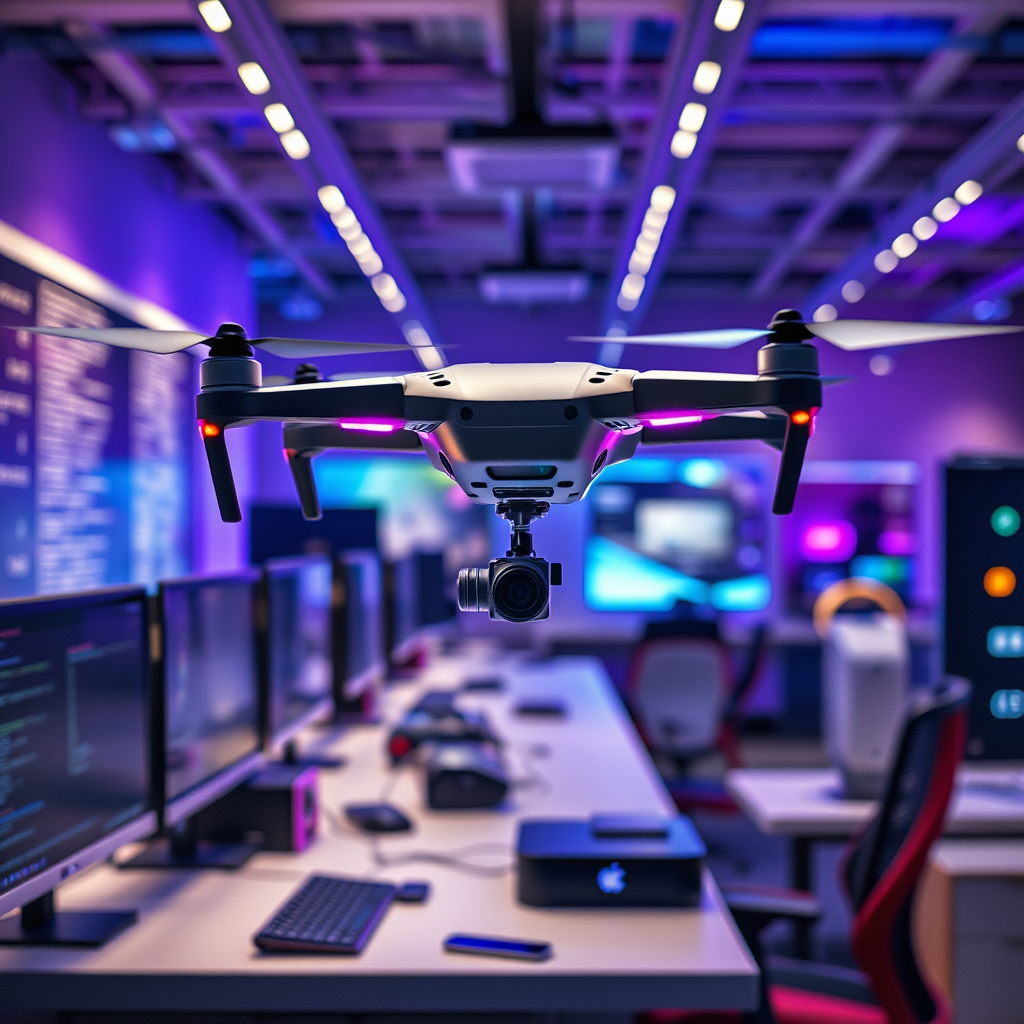
Drones can typically reach altitudes of up to 400 feet (120 meters) in the United States, according to FAA regulations. However, some high-performance models can ascend much higher, potentially exceeding 10,000 feet under specific conditions. Understanding the limitations, regulations, and technological advancements that influence drone altitude is crucial for both enthusiasts and professionals alike. This article will delve into the various factors affecting drone altitude, the legal landscape surrounding high-altitude flights, and the capabilities of specialized drones designed for high-altitude applications.
Understanding Drone Altitude Limits
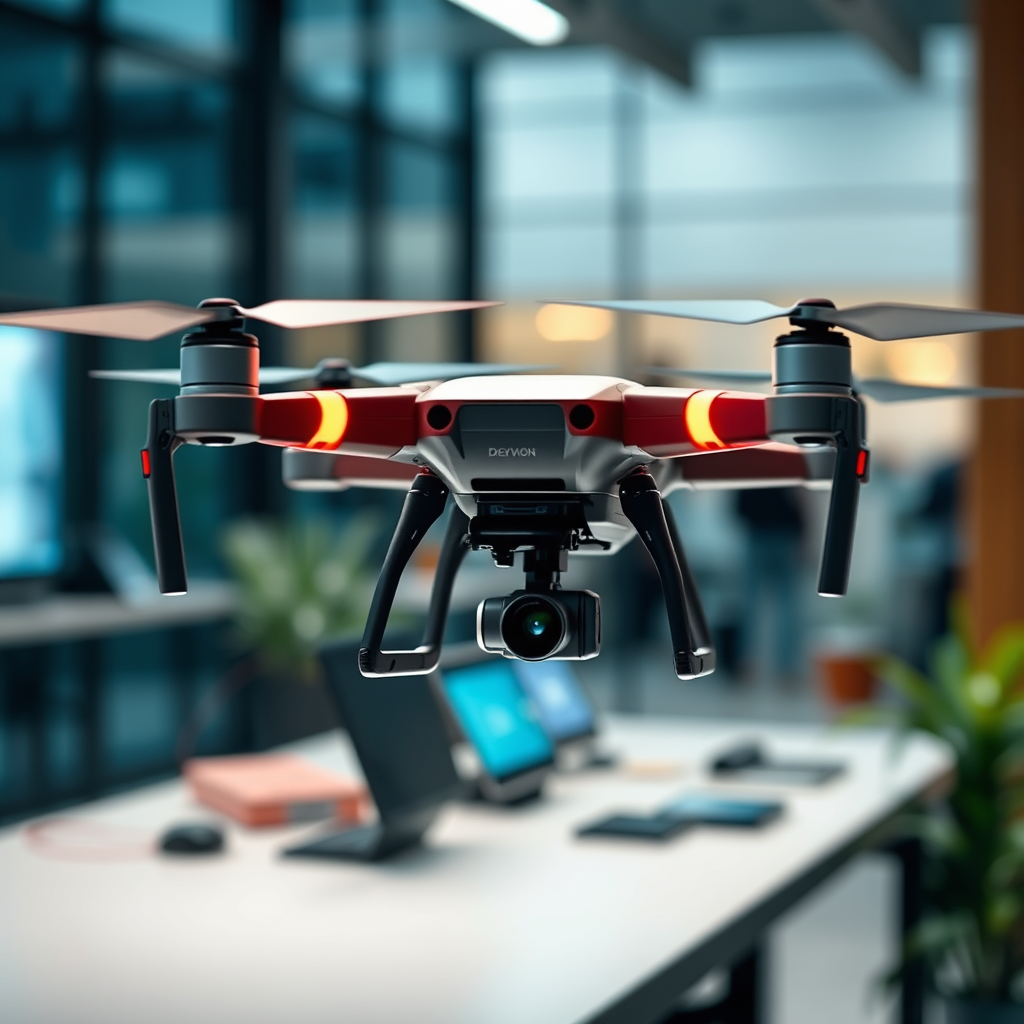
In the United States, the Federal Aviation Administration (FAA) enforces a strict altitude limit of 400 feet for drones operating in uncontrolled airspace. This regulation is primarily aimed at ensuring the safety of manned aircraft and minimizing the risk of mid-air collisions. For commercial drone operators, the altitude limit may vary based on the specific purpose of their flight. For instance, drones utilized for agricultural surveys or aerial photography may need to operate at different altitudes to achieve optimal results, but they must still adhere to FAA guidelines.
Beyond the regulatory framework, altitude limits can also be influenced by the type of airspace in which the drone is flying. In controlled airspace, which encompasses areas around airports and other sensitive locations, additional permissions and altitude restrictions may apply. Therefore, it is essential for drone operators to familiarize themselves with the airspace classification and relevant regulations to ensure compliance and safe operation.
Factors Influencing Maximum Flight Height
Several factors play a significant role in determining how high a drone can fly. First and foremost is the drone type and design. Consumer drones are typically engineered for performance within the 400-foot limit, but some high-performance models, particularly those designed for professional use, can achieve much greater elevations. For example, certain racing drones and specialized UAVs are built to withstand the stresses of higher altitudes, enabling them to reach altitudes of 10,000 feet or more.
Weather conditions also significantly influence a drone’s altitude capabilities. Wind can pose a substantial challenge, as high winds can destabilize a drone during flight and impact its ability to maintain altitude. Furthermore, temperature plays a role; drones may experience reduced lift in colder conditions due to changes in air density, which can limit their altitude performance. Therefore, drone operators should continuously assess weather conditions prior to and during flights to optimize performance and safety.
The Role of GPS and Altitude Sensors
Modern drones are equipped with advanced GPS technology and altitude sensors, which are crucial for maintaining stable flight at designated altitudes. GPS systems provide real-time positioning data, allowing the drone to navigate accurately and adhere to altitude limits. This technology is particularly beneficial in preventing the drone from unintentionally exceeding its altitude threshold.
Altitude sensors, such as barometers and ultrasonic sensors, offer feedback on the drone’s current elevation. These sensors help ensure that the drone remains at the desired altitude by automatically adjusting the throttle based on sensor readings. In high-altitude flying, having reliable altitude sensors becomes even more critical, as variations in air pressure can affect readings and impact flight stability. Operators should ensure that their drones are equipped with high-quality sensors to enhance safety during high-altitude flights.
High-Altitude Drones: Capabilities and Uses
Certain specialized drones are designed to operate at high altitudes for various research and surveillance applications. These high-altitude drones are often equipped with advanced technology that enables them to function effectively in challenging conditions. One prominent example is the use of drones for weather monitoring. These drones can reach altitudes that conventional weather balloons may not, providing valuable data on atmospheric conditions.
Similarly, high-altitude drones are increasingly utilized in geological surveys, allowing researchers to collect data over vast areas with minimal disruption to the environment. For example, drones equipped with LiDAR technology can map terrain and vegetation at elevations that standard drones could not reach, contributing to more accurate environmental assessments. The capabilities of high-altitude drones extend beyond research, as they are also being used in defense and surveillance operations, where high-altitude reconnaissance can provide strategic advantages.
Legal Considerations for High Altitude Flight
Navigating the legal landscape surrounding high-altitude drone flights is crucial for safe operation. While the FAA establishes general altitude limits, local regulations may impose additional restrictions. For instance, some states or municipalities may have specific ordinances that further limit drone operations, especially in urban areas or near sensitive infrastructure.
Obtaining the necessary permissions for high-altitude flights is essential, particularly if the drone is intended to operate above the standard altitude limits. In many cases, drone operators may need to apply for a waiver or special permission from the FAA, demonstrating the need for higher altitude operations and outlining safety protocols. It is advisable for operators to consult local aviation authorities and thoroughly understand the legal requirements before undertaking high-altitude flights.
Practical Tips for Safe High-Altitude Flying
To ensure successful high-altitude drone operations, operators should adhere to several practical tips. First and foremost, conducting pre-flight checks is vital to ensure that the drone is equipped and ready for the unique challenges associated with high-altitude conditions. This includes verifying the functionality of GPS and altitude sensors, battery levels, and propulsion systems.
Staying informed about airspace restrictions and no-fly zones is equally important. Utilizing apps and tools designed for drone operators can provide real-time updates on airspace conditions and help identify potential hazards. Furthermore, operators should consider utilizing a visual observer to assist in monitoring the drone’s flight path, particularly in high-altitude scenarios where visibility may be limited.
Lastly, it is essential to cultivate a mindset of continuous learning. As drone technology evolves, staying updated on the latest advancements and regulatory changes will contribute to safer and more effective high-altitude flying.
In conclusion, while most drones are limited to 400 feet, various factors can influence their maximum altitude. Understanding FAA regulations, the types of drones available, and the technology that supports high-altitude flight is essential for both hobbyists and professionals. As drone capabilities continue to expand, so too does the importance of being informed about the legal and safety considerations that accompany high-altitude operations. For more insights on drone technology and regulations, stay tuned for our next articles!
Frequently Asked Questions
What is the maximum altitude a consumer drone can legally fly?
In the United States, the Federal Aviation Administration (FAA) regulates the maximum altitude for consumer drones at 400 feet above ground level. This regulation is designed to prevent collisions with manned aircraft. It’s important for drone pilots to adhere to this limit to ensure safety and compliance with federal laws.
How high can commercial drones fly compared to consumer drones?
Commercial drones can fly higher than consumer drones, often reaching altitudes of up to 1,200 feet or more, depending on the type and purpose of the drone. However, commercial drone operators must obtain specific waivers or permits from the FAA to fly above 400 feet and must adhere to additional regulations. These higher altitudes are typically necessary for surveying, mapping, or other specialized applications.
Why do drones have altitude limits?
Drones have altitude limits primarily for safety and regulatory reasons. These limits are in place to prevent accidents with manned aircraft, as well as to ensure that drone operations do not interfere with air traffic. Additionally, altitude limits help maintain public safety and privacy, reducing the risk of drones invading personal spaces or causing disturbances.
What factors affect how high a drone can fly?
Several factors can affect how high a drone can fly, including the drone’s design, battery life, and weight capacity. Environmental conditions, such as wind speed and air density, can also influence a drone’s performance at high altitudes. Furthermore, local laws and regulations play a crucial role in determining the permissible flight height for drones in specific areas.
Which drones can fly at higher altitudes?
Drones specifically designed for professional use, such as the DJI Matrice series or the Yuneec H520, are typically capable of flying at higher altitudes due to their advanced engineering and powerful motors. Additionally, fixed-wing drones often have the capability to operate at higher altitudes than quadcopters, making them suitable for applications such as agricultural monitoring and aerial surveying. Always check the specifications and legal requirements before flying at higher altitudes.
References
- https://en.wikipedia.org/wiki/Drone
- https://www.faa.gov/uas/getting_started/registration
- https://www.faa.gov/uas/recreational_fliers/
- https://www.nytimes.com/2021/03/15/technology/drone-altitude.html
- https://www.sciencedirect.com/science/article/pii/S2351978921000631
- https://www.nationalgeographic.com/science/article/drone-technology-explained
- https://www.bbc.com/future/article/20200507-how-high-can-drones-fly
- https://www.nasa.gov/centers/dryden/pdf/82135main_HighAltitude.pdf
