
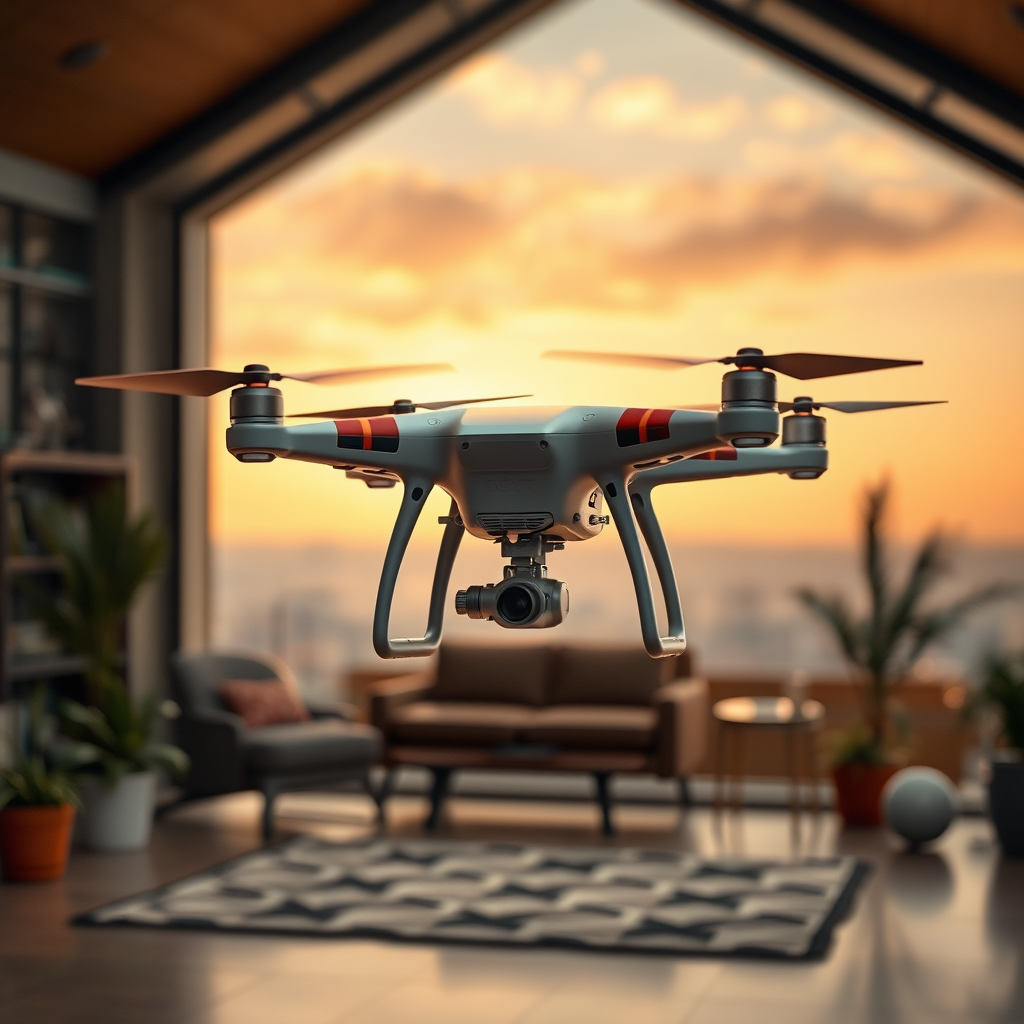
Drones can typically fly up to 400 feet (120 meters) above ground level, depending on regulations and specific drone capabilities. This altitude limit, primarily set by aviation authorities like the Federal Aviation Administration (FAA) in the United States, is designed to ensure safety and mitigate risks associated with manned aircraft. However, various factors, including the type of drone, environmental conditions, and local laws, can influence this maximum altitude. This article explores these factors in detail, providing a comprehensive understanding of the complexities surrounding drone flight altitude.
Understanding Drone Altitude Limits
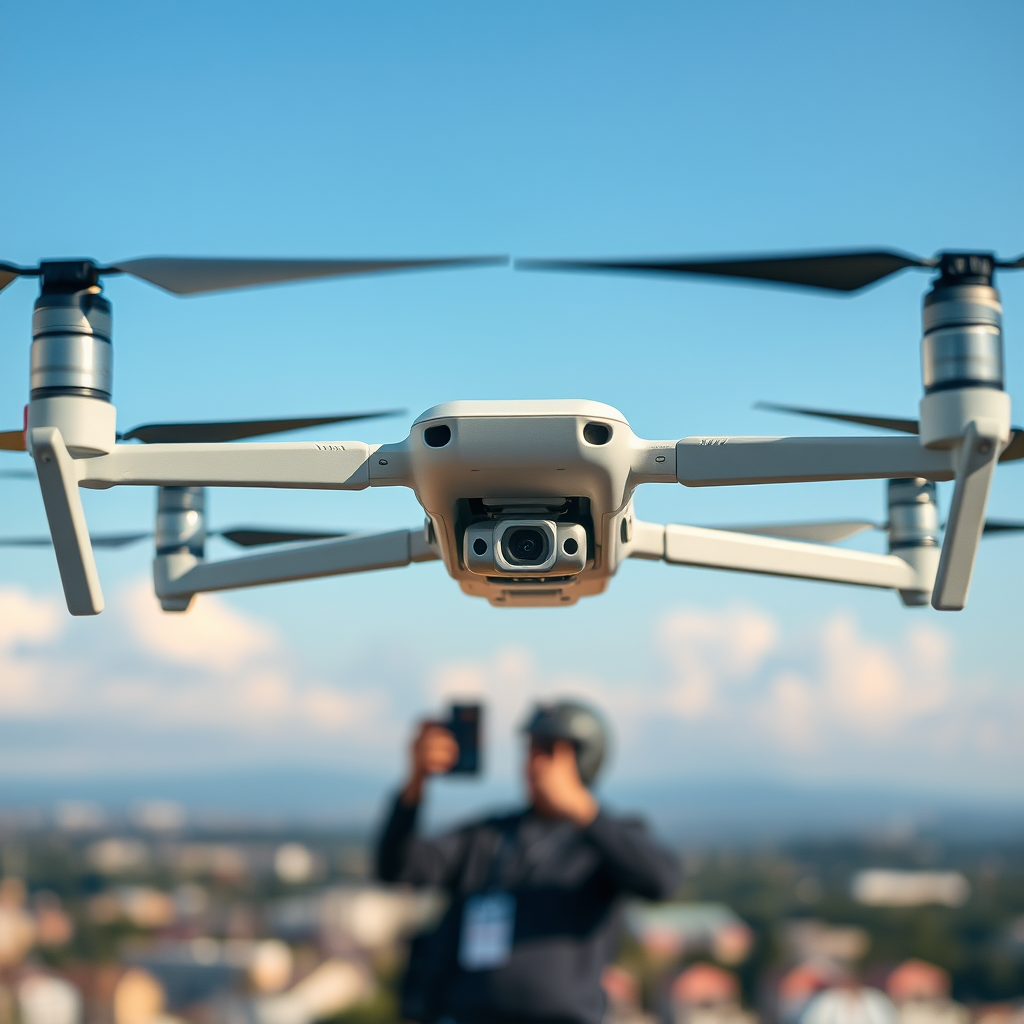
Most consumer drones are limited to a maximum altitude of 400 feet. This limit is a standard regulation across many countries, including the U.S., where the FAA enforces it for safety reasons. The primary goal is to prevent drones from interfering with manned aircraft, which typically operate at altitudes above this limit. For instance, small general aviation planes often fly at altitudes starting from around 500 feet, making the 400-foot limit crucial for maintaining a safe separation between drones and manned aircraft.
Moreover, it’s important to recognize that this altitude limit is not merely a suggestion but a regulatory requirement. Pilots of unmanned aircraft must adhere to these guidelines to avoid potential collisions and ensure the safety of airspace. In some cases, drones equipped with specialized technology may be capable of flying higher than this limit, but pilots must still abide by the legal constraints set forth by aviation authorities to ensure operational safety.
Types of Drones and Their Altitude Capabilities
Drones come in various shapes and sizes, each designed for different purposes, which directly impacts their altitude capabilities. Consumer drones, like those produced by DJI or Parrot, typically max out at around 400 feet due to their design and the regulations surrounding recreational flying. These drones are primarily intended for personal use, including photography and recreational flying, thus their altitude limits are sufficient for most users.
On the other hand, commercial drones, which are utilized for purposes such as surveying, agriculture, and infrastructure inspection, may have advanced technology that allows for higher altitudes. These drones often come equipped with specialized sensors and GPS technology that enable them to operate effectively at higher elevations while still adhering to safety regulations. Racing drones, designed for speed and maneuverability, can also potentially reach greater heights, but the focus in this category is typically on speed rather than altitude.
Factors Influencing Drone Flight Height
Several factors can significantly influence the actual altitude at which a drone can fly. Weather conditions are paramount; high winds, rain, fog, and other adverse weather can hinder a drone’s performance and safety. For example, flying a drone in windy conditions can lead to loss of control, making it difficult to maintain stable flight, particularly at higher altitudes where wind speeds can be more pronounced.
Terrain and obstacles also play a critical role in determining effective flying height. Urban environments, with their towering buildings and dense infrastructure, can limit a drone’s ability to fly at its maximum altitude due to the risk of collisions. Pilots must be vigilant and aware of their surroundings, adjusting their altitude based on nearby structures, trees, and other potential hazards. Furthermore, some drones are equipped with altitude sensors that help maintain a safe flying height by automatically adjusting to the surrounding terrain.
Regulations and Legal Considerations
Regulatory frameworks governing drone use are essential for ensuring public safety and the efficient use of airspace. In the United States, the FAA mandates that drone operators maintain visual line of sight with their drones at all times, which inherently affects practical altitude. This regulation prevents operators from flying drones beyond their capability to visually monitor them, thereby ensuring better control and safety.
Local laws may impose additional restrictions on drone flight heights, particularly in urban areas or near airports. For instance, many cities have enacted ordinances that restrict drone flight over private property, parks, or crowded areas. Operators must familiarize themselves with not only federal regulations but also local laws to ensure compliance and avoid potential legal issues. Resources such as the FAA’s website and local government portals are invaluable for staying updated on regulations that may affect drone operations.
Safety Concerns Related to Altitude
Safety is a paramount concern when operating drones, especially concerning altitude. Flying too high can lead to loss of control due to connectivity issues, especially if the drone exceeds the range of its controller or GPS signal strength. At higher altitudes, the potential for interference from buildings, trees, and other obstacles increases, which can complicate flight operations and lead to accidents.
Additionally, increased altitude poses risks to manned aircraft, necessitating strict adherence to regulations that govern drone operations. The potential for collisions with planes, helicopters, and other aerial vehicles is a serious safety concern. This is why regulations are in place to maintain a safe operating altitude below 400 feet. Drone operators must be diligent in following these guidelines to protect both their equipment and the safety of others in the airspace.
Future Trends in Drone Technology
The future of drone technology holds exciting possibilities that may lead to higher operational altitudes. Advancements in battery life, materials, and navigation systems are paving the way for more robust and versatile drones. As technology evolves, drones may become capable of flying at greater heights while maintaining safety standards.
Moreover, innovations in safety features, such as automated obstacle detection and avoidance systems, could change current regulations to allow for higher flights. As drones become more reliable and capable of operating safely at increased altitudes, regulatory bodies might reassess existing limits, potentially allowing for expanded operational capabilities. The integration of artificial intelligence in drone technology could also enhance decision-making processes, making future flights safer and more efficient.
In conclusion, while the general maximum altitude for drones is 400 feet, several factors can influence how high a drone can actually fly. Understanding the limitations imposed by regulations, the types of drones available, and the environmental factors affecting flight altitude is essential for safe and compliant drone operations. As technology continues to advance, keeping abreast of both regulatory changes and technological innovations will be crucial for drone enthusiasts and commercial operators alike. Always stay informed, check local regulations, and embrace the evolving landscape of drone technology to ensure a safe and enjoyable flying experience.
Frequently Asked Questions
How high can a consumer drone fly legally?
In the United States, the Federal Aviation Administration (FAA) regulations state that consumer drones can fly up to a maximum altitude of 400 feet above ground level. This limit applies to most recreational and commercial drone operators to ensure safety and reduce the risk of collisions with manned aircraft. It’s important for drone users to be aware of local regulations, as some areas may have additional restrictions.
What factors influence how high a drone can fly?
Several factors influence a drone’s maximum altitude, including its design, weight, battery life, and the type of motors used. Environmental conditions such as wind speed and temperature can also impact flight performance. Additionally, regulatory limits imposed by aviation authorities must be considered, as they dictate how high drones can safely operate.
Why do some drones have higher maximum altitude limits than others?
Drones with higher maximum altitude limits typically feature more advanced technology, such as powerful motors, better battery systems, and enhanced stability controls. Professional-grade drones, often used for aerial photography or surveying, are designed for more demanding applications and can usually reach higher altitudes. However, regardless of their capabilities, all drone operators must adhere to local laws regarding maximum flight heights.
What is the best drone for high altitude flying?
The best drone for high altitude flying would depend on your specific needs and budget. Models like the DJI Matrice 300 RTK or the DJI Phantom 4 RTK are popular choices among professionals due to their robust design, advanced features, and ability to perform well at higher altitudes. Always ensure to review the drone’s specifications and check for compliance with local regulations regarding altitude limits before purchasing.
How can I safely fly my drone at its maximum altitude?
To safely fly your drone at its maximum altitude, start by conducting a thorough pre-flight check to ensure that your drone is in optimal condition. Familiarize yourself with local airspace regulations and always fly within the legal height limits. Utilize a reliable GPS system and maintain visual line-of-sight with your drone to avoid obstacles and ensure safe operation. Additionally, monitor weather conditions closely, as high winds can impact stability at higher altitudes.
References
- https://en.wikipedia.org/wiki/Drone
- https://www.faa.gov/uas/getting_started/part_107/
- https://www.nasa.gov/feature/research-in-the-sky-how-high-can-drones-fly
- https://www.sciencedirect.com/science/article/pii/S2351978916001978
- https://www.bbc.com/future/article/20201104-how-high-can-drones-fly
- https://www.nytimes.com/2021/04/21/technology/drones-faa-regulations.html
- https://www.abc.net.au/news/science/2021-05-02/how-high-can-drones-fly/13356476
- https://www.usatoday.com/story/tech/2020/03/03/faa-drone-altitude-regulations-what-you-need-know/4932120002/
