
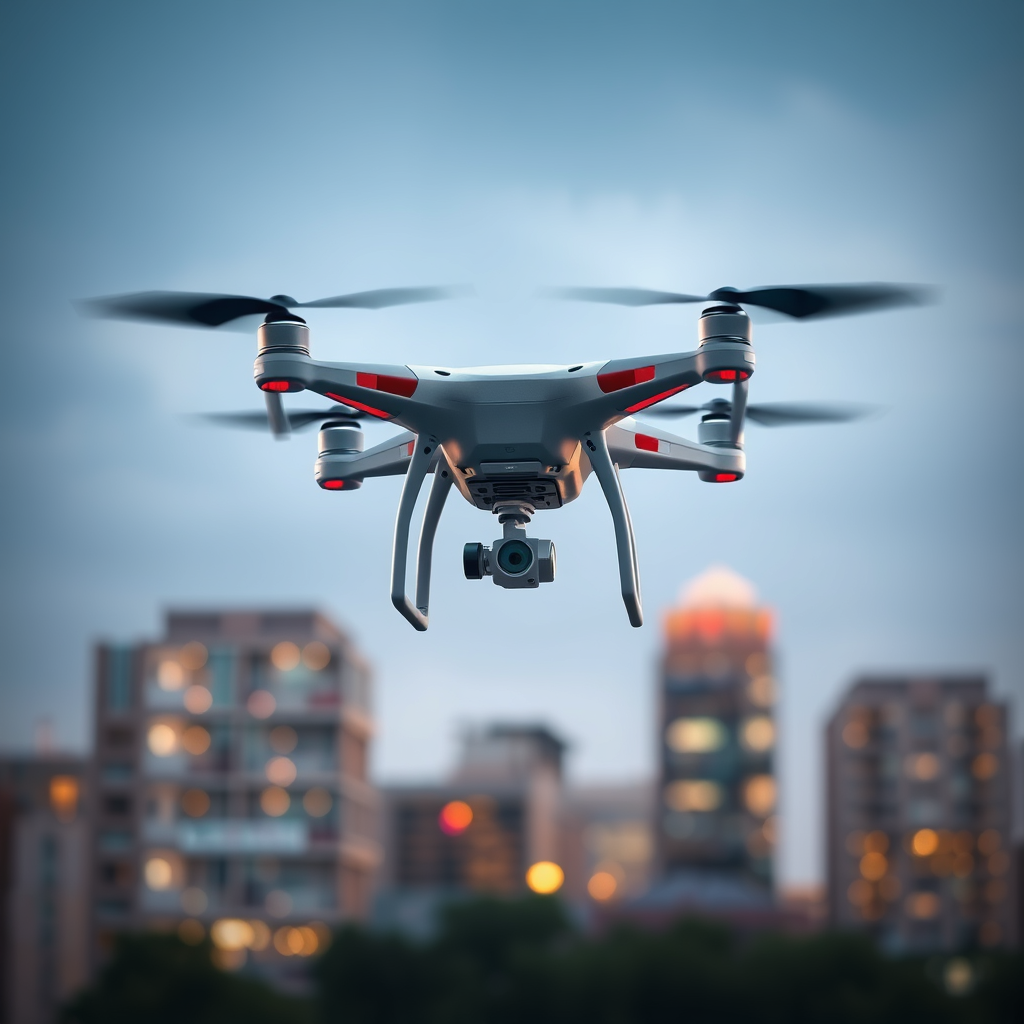
Drones can typically fly at altitudes ranging from 400 to 500 meters (about 1,300 to 1,600 feet), depending on regulations, technology, and environmental factors. These limitations are primarily established to ensure safety and prevent interference with manned aircraft. However, advancements in drone technology and varying regulations across different regions allow some drones to reach significantly higher altitudes for specialized purposes. In this article, we will explore the factors that influence drone flight altitude, the regulations governing drone use, and the technological advancements that allow drones to reach higher altitudes.
Understanding Drone Flight Altitudes
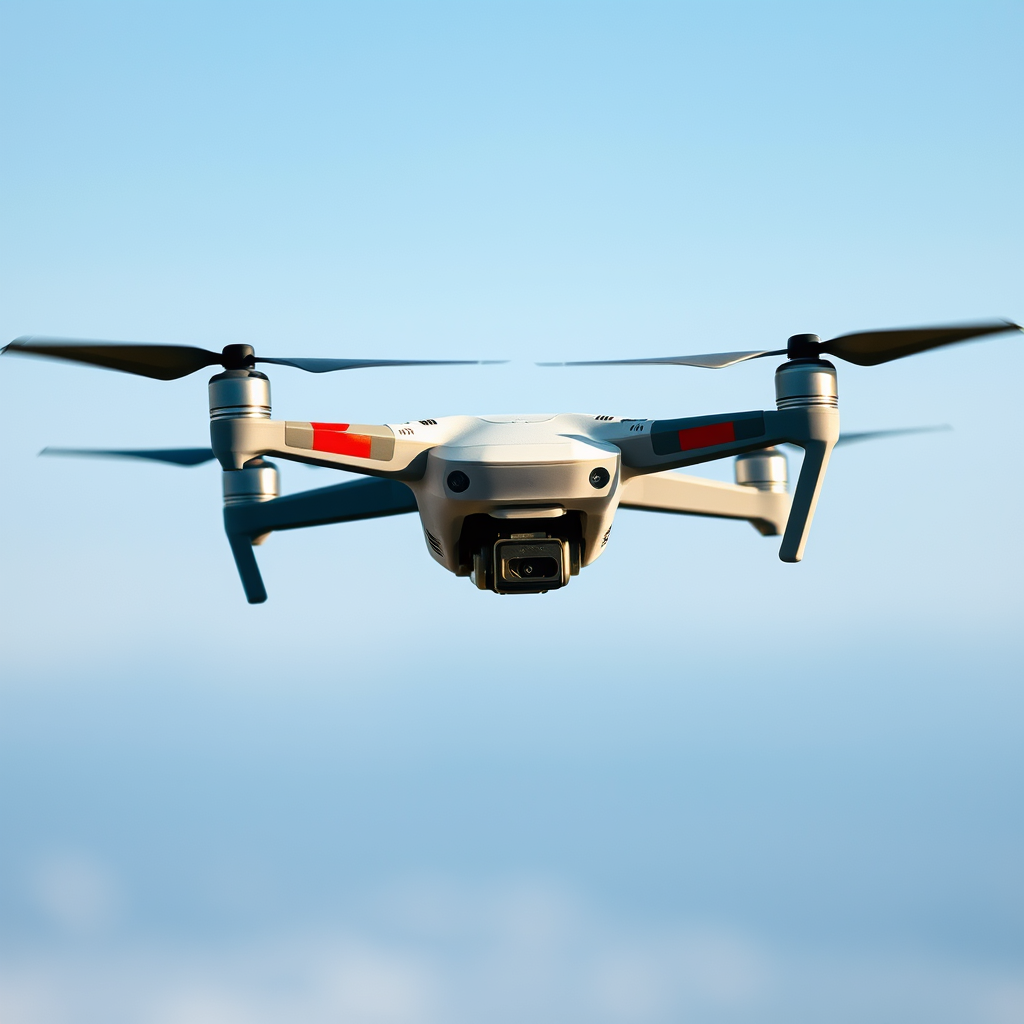
Drones are generally limited to a maximum of 400 feet in many regions to ensure safety and avoid interference with manned aircraft. This altitude restriction is crucial as it helps maintain a safe separation between unmanned aerial vehicles (UAVs) and commercial or private aircraft. For instance, in the United States, the Federal Aviation Administration (FAA) mandates this altitude limit under Part 107 regulations, which govern the use of commercial drones.
However, some specialized drones, particularly those designed for scientific research, environmental monitoring, or military applications, can achieve higher altitudes. For example, high-altitude research drones can fly above 10,000 feet to collect data on atmospheric conditions or conduct surveillance over vast areas. These drones often come equipped with advanced technological features that enable them to operate safely at higher altitudes while adhering to strict regulatory frameworks.
Regulatory Restrictions on Drone Heights
Various countries have different regulations regarding drone flight altitudes, often enforced by aviation authorities. The International Civil Aviation Organization (ICAO) provides guidelines that many nations follow, but local regulations can differ widely. For example, in the United States, the FAA has set a maximum altitude of 400 feet for most recreational and commercial drones. In contrast, the European Union Aviation Safety Agency (EASA) has similar restrictions but allows for exemptions under certain conditions.
Compliance with these regulations is crucial for safe drone operation and avoiding penalties. Violating altitude restrictions can lead to significant fines, and in some cases, the revocation of a pilot’s license. Moreover, unauthorized high-altitude flights can pose safety risks to manned aircraft, leading to potential collisions and other hazardous situations. Therefore, drone operators must stay informed about local laws and ensure they are operating within the prescribed altitude limits.
Factors Affecting Maximum Flight Altitude
Weather conditions such as wind and temperature can impact a drone’s ability to fly higher. Strong winds can destabilize a drone, making it difficult to maintain altitude and control. For instance, gusty winds can cause a drone to drift unexpectedly, increasing the risk of accidents. Additionally, extreme temperatures can affect battery performance and overall drone functionality. Cold weather can reduce battery efficiency, which may limit the time a drone can operate at higher altitudes.
The weight of the drone and its payload also play a significant role in determining its maximum flight altitude. Heavier drones require more power to achieve and maintain altitude, which can limit their operational ceiling. For example, a drone carrying a heavy camera for aerial photography may not be able to reach the same heights as a lighter recreational drone. Pilots must calculate the total weight of their drone, including any additional equipment, to ensure they do not exceed the maximum altitude capabilities of their UAV.
Types of Drones and Their Capabilities
Consumer drones usually have lower altitude limits compared to professional or racing drones. Most recreational drones on the market are designed with user-friendly features and typically restrict flight altitudes to enhance safety for novice operators. These drones are ideal for hobbyists looking to capture aerial photos or enjoy flying but are not built for high-performance scenarios.
On the other hand, military and research drones can fly at significantly higher altitudes, often exceeding 10,000 feet. For instance, the MQ-9 Reaper drone, used by the military, can operate at altitudes of up to 50,000 feet. These drones are equipped with sophisticated systems that allow them to conduct surveillance and reconnaissance missions in challenging environments. The capabilities of these high-altitude drones illustrate the wide range of applications for UAV technology, from scientific research to national security.
Advancements in Drone Technology
Innovations in battery life and propulsion systems are enabling drones to fly higher and longer. Recent developments in lithium-polymer batteries have significantly increased the energy density available for drone flight, allowing for extended operational ranges and flight times. For example, some high-performance drones can now fly for over 30 minutes on a single charge, making them suitable for various applications, including search and rescue missions.
Enhanced GPS and navigation systems contribute to safer high-altitude flights, allowing for precision in challenging environments. Advanced autopilot systems can manage flight paths more effectively, providing stability and control even at higher altitudes. Additionally, the integration of obstacle detection technology helps drones avoid collisions, further promoting safe operations in complex airspace.
Safety Considerations for High-Altitude Flights
Pilots must be aware of potential hazards, including turbulence and restricted airspace. Flying at high altitudes can expose drones to unpredictable weather patterns, which can affect stability and control. Additionally, many regions have designated no-fly zones, such as near airports or military installations, where drones are prohibited from operating. Failure to adhere to these restrictions can result in legal consequences and jeopardize public safety.
Conducting thorough pre-flight checks and staying updated on local regulations is essential for safe operations. Drone operators should verify their flight paths, check weather conditions, and ensure that their drones are in optimal working condition before taking to the skies. By prioritizing safety and compliance, drone pilots can minimize risks associated with high-altitude flights.
In conclusion, while most drones are limited to flying between 400 and 500 meters, various factors, including regulations, technology, and environmental conditions, influence their maximum altitude. Understanding these elements can help drone operators maximize their flying experiences while adhering to safety standards. If you’re interested in drone flying, always check local regulations and consider your drone’s capabilities before taking to the skies. By doing so, you can ensure a safe and enjoyable flying experience while exploring the exciting possibilities that drones offer.
Frequently Asked Questions
What is the maximum altitude a consumer drone can fly legally?
In the United States, the Federal Aviation Administration (FAA) mandates that consumer drones must not fly higher than 400 feet above ground level. This regulation ensures safety and minimizes the risk of collisions with manned aircraft. However, certain exceptions exist for drones operated in controlled airspace, which may require special permissions or waivers.
How does altitude affect drone battery life and performance?
As drones ascend to higher altitudes, they face reduced air density, which can impact motor efficiency and battery performance. Generally, flying at higher altitudes can lead to increased power consumption, resulting in shorter flight times. Therefore, it’s essential for drone operators to monitor battery levels closely and plan their flights accordingly to avoid unexpected landings.
Why do some drones have different altitude limits?
Different drone models are designed for various purposes, which influences their altitude capabilities. High-end drones used for professional photography or surveying may have advanced features that allow them to fly higher than budget models, which often come with built-in altitude restrictions for safety. Additionally, manufacturers may limit altitude to comply with local regulations and ensure user safety.
What is the best way to fly a drone at higher altitudes safely?
To fly a drone safely at higher altitudes, operators should first ensure compliance with local regulations regarding altitude limits. Additionally, it’s crucial to perform pre-flight checks, including battery status, GPS signal strength, and weather conditions. Using a drone equipped with altitude hold features can also help maintain stability at high elevations, reducing the risk of losing control.
Which factors affect a drone’s ability to fly higher?
Several factors affect a drone’s flying altitude, including its design, weight, and motor power. Weather conditions such as wind and temperature can also play significant roles; high winds can make it challenging to maintain stability at great heights. Furthermore, the drone’s battery capacity is crucial, as limited energy resources can restrict altitude potential. Understanding these factors helps pilots optimize their flight plans and capabilities.
References
- https://en.wikipedia.org/wiki/Drone
- https://www.faa.gov/uas/getting_started/
- https://www.nasa.gov/feature/what-are-drones-and-how-do-they-work
- https://www.sciencedirect.com/science/article/pii/S2213138816300012
- https://www.reuters.com/technology/how-high-drones-can-fly-2021-05-19/
- https://www.bbc.com/news/technology-48100835
- https://www.techrepublic.com/article/how-high-can-drones-fly/
- https://www.nationalgeographic.com/science/article/drones-technology-civil-liberties-environmental-science
