
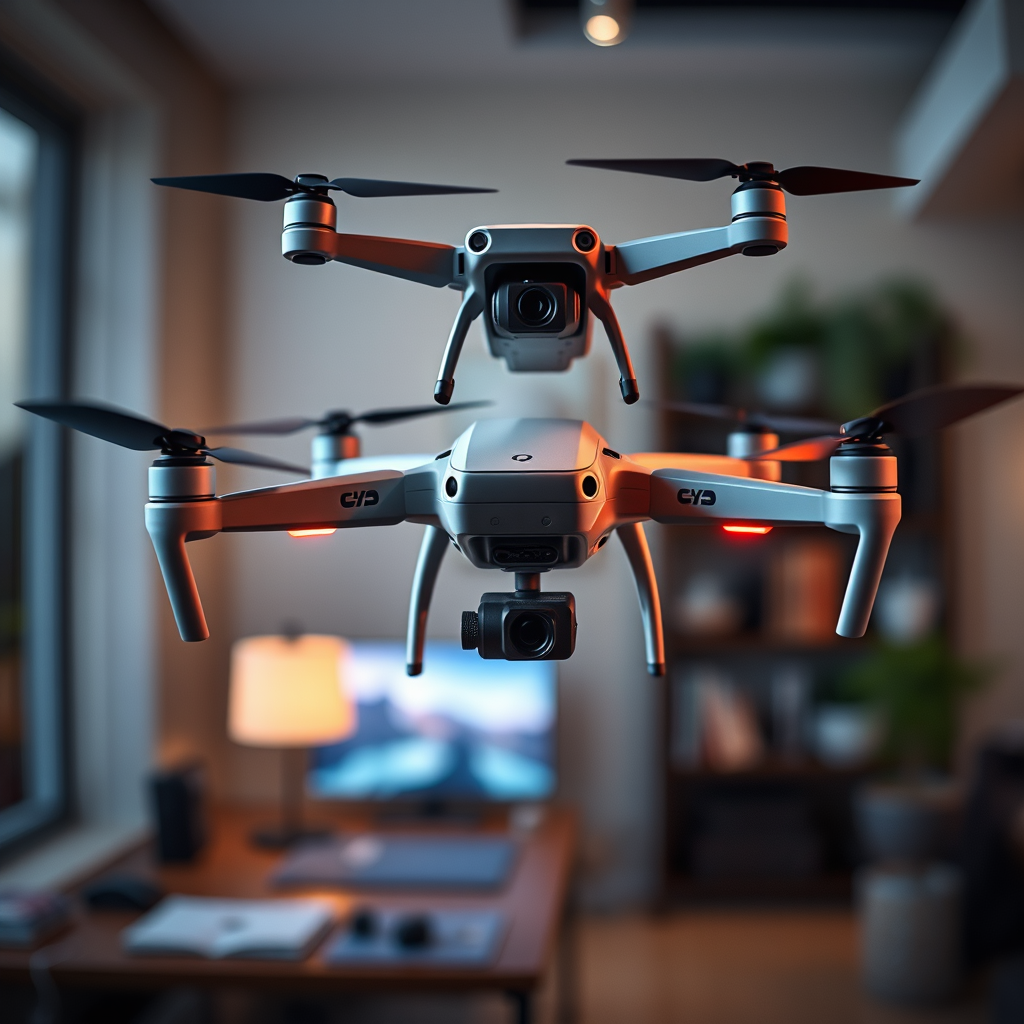
Most personal drones can fly between 100 to 400 feet, but some advanced models may reach altitudes of up to 16,000 feet under specific conditions. Understanding the various factors that influence flying height, such as regulations, drone specifications, and environmental conditions, is essential for maximizing your drone’s capabilities. As drone technology continues to evolve, so does the potential for higher altitudes, presenting both opportunities and challenges for enthusiasts and professionals alike.
Understanding Drone Flight Regulations
The Federal Aviation Administration (FAA) sets stringent regulations regarding drone flight altitudes in the United States, typically limiting them to 400 feet above ground level. This restriction is designed with public safety in mind, preventing drones from interfering with manned aircraft and ensuring that they operate within visual line-of-sight. In addition to FAA regulations, other countries impose their own rules that may differ significantly. For instance, in Canada, the maximum altitude for recreational drone pilots is also capped at 400 feet, but specific regulations may vary based on the type of airspace. Understanding these regulations is crucial for drone enthusiasts, as violations can lead to fines, confiscation of equipment, or even criminal charges.
It’s also worth noting that some regions, such as near airports or military installations, are subject to additional restrictions. These areas often fall under controlled airspace, where special permission is required to operate drones, especially at higher altitudes. By diligently researching local laws and regulations, drone operators can ensure compliance while maximizing their flight capabilities.
Factors Influencing Drone Altitude
The type and specifications of a drone play a significant role in determining its maximum flying altitude. For example, consumer-grade drones often feature built-in limits to prevent unauthorized altitude increases. These limits are programmed into the drone’s software to comply with local regulations. Conversely, professional-grade drones may be designed for higher performance and can achieve altitudes beyond those of standard consumer models.
Battery capacity is another crucial factor. Drones with larger, more powerful batteries can sustain higher altitudes more efficiently than those with smaller batteries. A drone’s weight also impacts its ability to climb. Heavier drones may struggle to reach higher altitudes due to the increased energy required to lift additional weight. Therefore, choosing the right drone for specific applications is vital, especially for those aiming to explore the upper reaches of drone flight.
Advanced Drone Models
Advanced drone models designed for professional use can reach impressive heights, often exceeding those of typical consumer drones. Drones like the DJI Matrice series or the Freefly Alta 8 are engineered with advanced technology, making them suitable for various professional applications, from aerial photography to surveying. These drones often come equipped with high-performance GPS systems, enhanced stabilization features, and powerful motors that enable them to ascend significantly higher.
Moreover, some drones are equipped with specialized technology that allows them to operate in compliance with higher altitude restrictions. These drones typically feature advanced sensors and autopilot systems that facilitate safe navigation in complex airspace. For instance, the DJI Mavic 3, a popular choice among commercial pilots, incorporates multiple sensors and intelligent flight modes that enhance its altitude capabilities while ensuring safety and compliance with regulations.
Environmental Conditions
Environmental conditions play a critical role in determining how high a drone can fly effectively. Factors such as wind speed, temperature, and air pressure can significantly impact flight performance. For instance, strong winds can hinder a drone’s ability to ascend and maintain stability at high altitudes. Wind shear, a sudden change in wind speed or direction, can be particularly challenging for drones, especially as they climb higher.
Temperature also affects drone performance, as colder air is denser and can provide more lift, while warmer air is less dense and may reduce lift capacity. In addition, altitude can influence battery performance, as higher altitudes can lead to reduced battery efficiency. Therefore, drone operators must carefully evaluate weather conditions before attempting to fly at higher altitudes, ensuring that they can do so safely and effectively.
Urban environments can further complicate drone flight. Buildings, trees, and other obstacles create challenges for drone navigation, potentially limiting altitude and flight paths. In densely populated areas, operators must be especially cautious to avoid collisions and adhere to regulatory restrictions. Understanding the unique challenges posed by the environment is essential for maximizing drone altitude while maintaining safety and compliance.
Tips for Maximizing Drone Altitude
To maximize your drone’s altitude capabilities, start by ensuring that your drone is well-maintained and fully charged. Regular maintenance checks, including battery health assessments and firmware updates, can prevent unexpected performance issues. Additionally, operators should familiarize themselves with local regulations and airspace restrictions before attempting to fly at higher altitudes. Consulting tools such as the FAA’s B4UFLY app can provide valuable information about airspace classifications and restrictions in your area.
Planning your flight during optimal conditions can also enhance altitude performance. Ideal flying conditions include calm winds and moderate temperatures, which can facilitate higher and more stable flights. Furthermore, consider the weight of your drone; minimizing payload and removing unnecessary accessories can improve overall performance.
Lastly, investing in a quality drone with advanced features can significantly enhance your altitude capabilities. Drones designed for professional use often include technology that maximizes lift and stability, making it easier to reach and maintain higher altitudes.
Common Misconceptions About Drone Flight
One prevalent misconception is that drones can fly as high as operators wish, ignoring legal and safety limitations. In reality, strict regulations govern drone altitude to ensure the safety of both the operator and the public. Violating these regulations can lead to severe consequences, including fines and legal action.
Another common myth is that drones can operate effectively in all weather conditions. In fact, adverse weather such as rain, snow, or high winds can severely impact a drone’s performance, particularly at higher altitudes. Many drone operators mistakenly believe that their equipment is robust enough to handle such conditions, leading to potential accidents or equipment damage. Understanding these limitations is crucial for safe and effective drone operations.
In summary, while most personal drones can reach altitudes of 100 to 400 feet, advanced models can ascend much higher, depending on various factors such as regulations, specifications, and environmental conditions. Ensuring compliance with flight regulations and considering environmental variables is essential for safe and effective drone operations. By following best practices and understanding the intricacies of drone flight, operators can enhance their flying experience and explore the full potential of their equipment. Happy flying!
Frequently Asked Questions
How high can a personal drone fly legally in the United States?
In the United States, personal drones are generally limited to a maximum altitude of 400 feet above ground level when flying in uncontrolled airspace, according to the Federal Aviation Administration (FAA) regulations. This restriction is in place to ensure safety and avoid interference with manned aircraft. Always check local laws and regulations, as they can vary by state and city.
What factors affect how high a personal drone can fly?
Several factors influence how high a personal drone can fly, including the drone’s design, weight, battery life, and the presence of obstacles such as buildings and trees. Additionally, environmental conditions like wind speed and air pressure can affect flight performance. Understanding these factors can help you maximize your drone’s altitude capabilities while ensuring safe operation.
Why is there a maximum altitude limit for personal drones?
The maximum altitude limit for personal drones is primarily imposed for safety reasons. It helps prevent collisions between drones and manned aircraft, which typically operate at higher altitudes. This regulation also protects the airspace and promotes responsible drone usage, fostering a safer environment for all airspace users.
What are the best personal drones for high-altitude flying?
Some of the best personal drones for high-altitude flying include models like the DJI Mavic Air 2, DJI Phantom 4 Pro, and Autel Robotics EVO Lite. These drones are designed with powerful motors and advanced stabilization technology, allowing them to maintain performance at higher altitudes. Always ensure that you comply with local regulations when flying at significant heights.
Which personal drones have the highest altitude capabilities?
Personal drones like the DJI Matrice 600 and the Skydio 2 are known for their exceptional altitude capabilities, often exceeding 400 feet when equipped with the right technology and in compliance with regulations. However, it’s essential to note that while these drones may technically fly higher, operators must always adhere to legal altitude restrictions to ensure safety and compliance with aviation laws.
References
- https://en.wikipedia.org/wiki/Drone
- https://www.faa.gov/uas/getting_started/
- https://www.nytimes.com/2021/08/10/technology/drone-regulations.html
- https://www.reuters.com/technology/drones-are-flying-higher-than-ever-2021-09-21/
- https://www.nasa.gov/feature/10-things-you-didn-t-know-about-drones
- https://www.techxplore.com/news/2021-08-drone-altitude.html
