
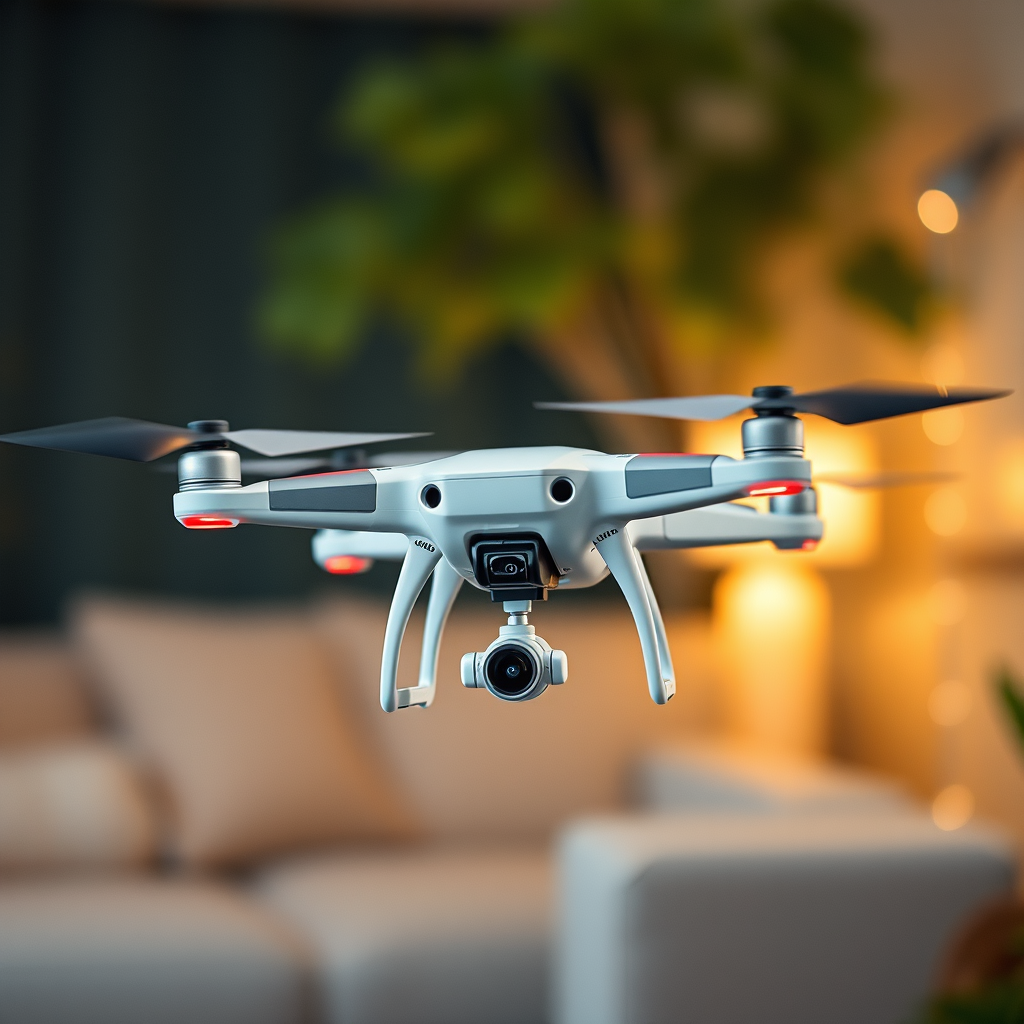
Personal drones can typically fly up to 400 feet above ground level, as regulated by the Federal Aviation Administration (FAA) in the United States. However, the actual altitude can vary based on the drone model, local regulations, and specific operating conditions. Understanding these limits is essential for safe and compliant drone usage, especially as the landscape of drone technology evolves and more users enter the market.
Understanding Drone Altitude Regulations
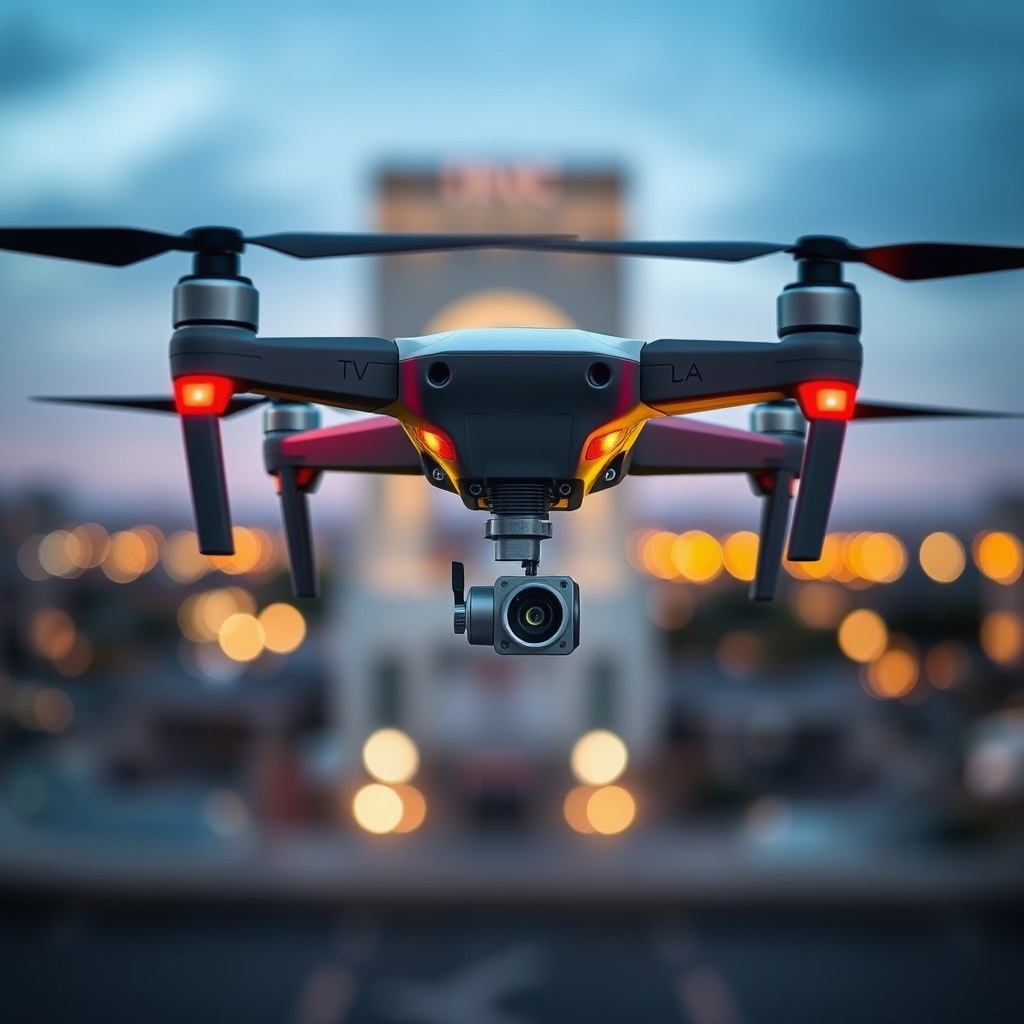
The Federal Aviation Administration (FAA) establishes crucial guidelines governing drone operation to ensure public safety and efficient air traffic management. Under the current regulations, most personal drones are limited to a maximum altitude of 400 feet above ground level. This limit is designed to reduce the risk of mid-air collisions with manned aircraft, which typically operate at higher altitudes. It is worth noting that pilots flying from a structure may ascend to 400 feet above the height of the structure, provided they remain within the 400 feet limit overall.
In certain circumstances, operators may apply for special waivers that could allow for higher flight altitudes. Such waivers are generally granted for specific purposes, such as commercial operations or research projects, and require a detailed application process. Operators must demonstrate their understanding of the associated risks and commit to adhering to enhanced safety protocols.
Factors Influencing Drone Flight Height
Several factors influence the maximum altitude at which a drone can fly, which is not solely determined by regulatory limits. The drone model itself plays a significant role in dictating capabilities. For example, consumer-grade drones like the DJI Mini series are designed for recreational use and typically have a maximum altitude of around 400 feet. In contrast, commercial drones, such as those used for surveying or agricultural purposes, may be engineered for higher altitudes, sometimes exceeding 500 feet, depending on their design and intended function.
Battery life is another critical factor affecting flight height. Higher altitudes often necessitate more power due to increased wind resistance and the need for additional stability. As a result, drone operators must consider the balance between desired altitude and battery consumption. For instance, a drone might be able to ascend to 500 feet, but doing so could significantly reduce the overall flight time, leaving operators with less time to complete their intended tasks.
Environmental Considerations
When planning drone flights, environmental factors must also be taken into account. The terrain over which a drone is flying can greatly influence the necessary altitude adjustments. For example, flying over mountainous areas may require drones to fly at higher altitudes to maintain safe clearance above peaks, while urban environments with tall buildings can necessitate lower flight paths to avoid obstacles.
Weather conditions are equally important. Strong winds can create turbulence, making it more challenging to maintain stable flight at higher altitudes. Additionally, adverse weather such as rain, fog, or snow can impair the operator’s visibility and the drone’s performance. Operators must always check weather forecasts and adjust their flight plans accordingly to ensure optimal safety and compliance.
Safety Protocols for High-Flying Drones
Safety is paramount when operating drones, particularly when flights approach regulatory limits. The FAA requires drone operators to maintain a visual line of sight with their drones during flight. This requirement ensures that operators can monitor their drones in real-time, allowing for prompt responses to any unexpected situations.
Moreover, drone operators should avoid flying in proximity to airports or within restricted airspace, including military installations and populated areas. Such actions not only pose safety risks but can also lead to legal repercussions. To promote safety, drone operators should familiarize themselves with local air traffic control procedures and utilize apps that provide real-time information on airspace restrictions.
Implementing a pre-flight checklist can also enhance safety measures. This checklist should include verifying the drone’s battery life, calibrating the compass, and ensuring that all necessary permits and waivers are in place. By adhering to these safety protocols, operators can mitigate risks associated with high-flying drones.
Innovations in Drone Technology
The drone industry is rapidly evolving, with technological advancements continually enhancing drone capabilities. Newer models are often equipped with sophisticated altimeters and GPS systems that improve altitude control and allow for more precise navigation. For example, drones featuring altitude-hold technology can maintain a specific height autonomously, reducing pilot workload and improving safety.
Additionally, specialized drones designed for specific applications—such as surveying, agricultural monitoring, or aerial photography—often come with enhanced capabilities that enable higher flights while maintaining stability and battery efficiency. These innovations can lead to more effective operations in various industries, allowing businesses to leverage drones for tasks such as crop monitoring or infrastructure inspections.
As the market evolves, it is essential for operators to stay informed about the latest advancements in drone technology, which can significantly impact how high they can fly and the effectiveness of their operations.
Local Regulations and Restrictions
While the FAA provides overarching guidelines for drone operation in the United States, local regulations can vary significantly by region or country. Different states or municipalities may impose additional restrictions on drone flight altitudes or designate no-fly zones to protect sensitive areas such as wildlife reserves, urban centers, or private properties.
Before taking flight, operators must conduct thorough research to ensure compliance with local laws and regulations. Many regions require drone operators to register their drones and obtain permits for commercial use. Utilizing resources such as the FAA’s B4UFLY app, which provides information on airspace restrictions and regulations, can help operators navigate these complexities.
Failing to adhere to local regulations may result in significant penalties, including fines or the confiscation of the drone. Therefore, it is crucial for drone operators to remain vigilant and informed about the legal landscape governing drone use in their area.
In conclusion, while personal drones are generally limited to a maximum altitude of 400 feet, multiple factors influence their flight capabilities. Understanding regulations, environmental considerations, technological advancements, and local laws is essential for safe and effective drone operation. By staying informed and adhering to best practices, drone operators can ensure responsible usage while maximizing the potential of this innovative technology.
Frequently Asked Questions
What is the maximum altitude limit for personal drones?
The maximum altitude limit for personal drones is generally set at 400 feet above ground level in the United States, as per the Federal Aviation Administration (FAA) regulations. This restriction is in place to ensure safety and minimize interference with manned aircraft. Some drones may have built-in altitude limits to help users comply with these regulations, so it’s crucial to check your drone’s specifications and local laws before flying.
How does the weight of a drone affect its flying height?
The weight of a drone can significantly influence its ability to fly at higher altitudes. Heavier drones may require more power to ascend, which can affect their maximum flight height, especially under varying weather conditions. Additionally, regulations may impose stricter altitude limits on heavier drones, making it essential for users to be aware of both the drone’s weight and applicable legal restrictions.
Why are there altitude restrictions for flying personal drones?
Altitude restrictions for personal drones exist primarily for safety reasons. By limiting drone flights to a maximum of 400 feet, authorities aim to reduce the risk of collisions with manned aircraft and ensure a safe airspace for all users. These regulations also help in maintaining order in densely populated areas, where drone operations could interfere with emergency services and other critical operations.
Which personal drones have the highest altitude capabilities?
Some personal drones are designed for high-altitude flight and can reach altitudes above 15,000 feet, such as the DJI Matrice 600 and the senseFly eBee X. However, it’s important to note that while these drones may have the capability to fly higher, they are still subject to local regulations that limit their operational altitude. Always ensure compliance with FAA regulations and check the drone’s manual for any specific altitude limitations.
What factors can affect a drone’s ability to reach its maximum flight altitude?
Several factors can impact a drone’s ability to reach its maximum flight altitude, including battery life, weather conditions, and air density. Cold temperatures can affect battery performance, leading to reduced flight time and altitude capabilities. Additionally, high winds and turbulence can hinder ascent, while altitude can reduce air density, making it harder for the drone to generate lift, particularly for less powerful models. Always assess these conditions before flying to ensure safe operations.
References
- https://en.wikipedia.org/wiki/Drone#Maximum_flight_altitude
- https://www.faa.gov/uas/getting_started/part_107/
- https://www.nytimes.com/2020/03/12/technology/drones-faa-regulations.html
- https://www.bbc.com/news/technology-51192095
- https://www.reuters.com/article/us-usa-drones-idUSKBN1W21IF
- https://www.nasa.gov/mission_pages/airborne/research/drones.html
- https://www.ncbi.nlm.nih.gov/pmc/articles/PMC6583483/
- https://www.aiaa.org/docs/default-source/uploadedfiles/2020-08-06_aiaa-2020-4010.pdf
- https://www.itu.int/en/ITU-T/academia/Pages/default.aspx
