
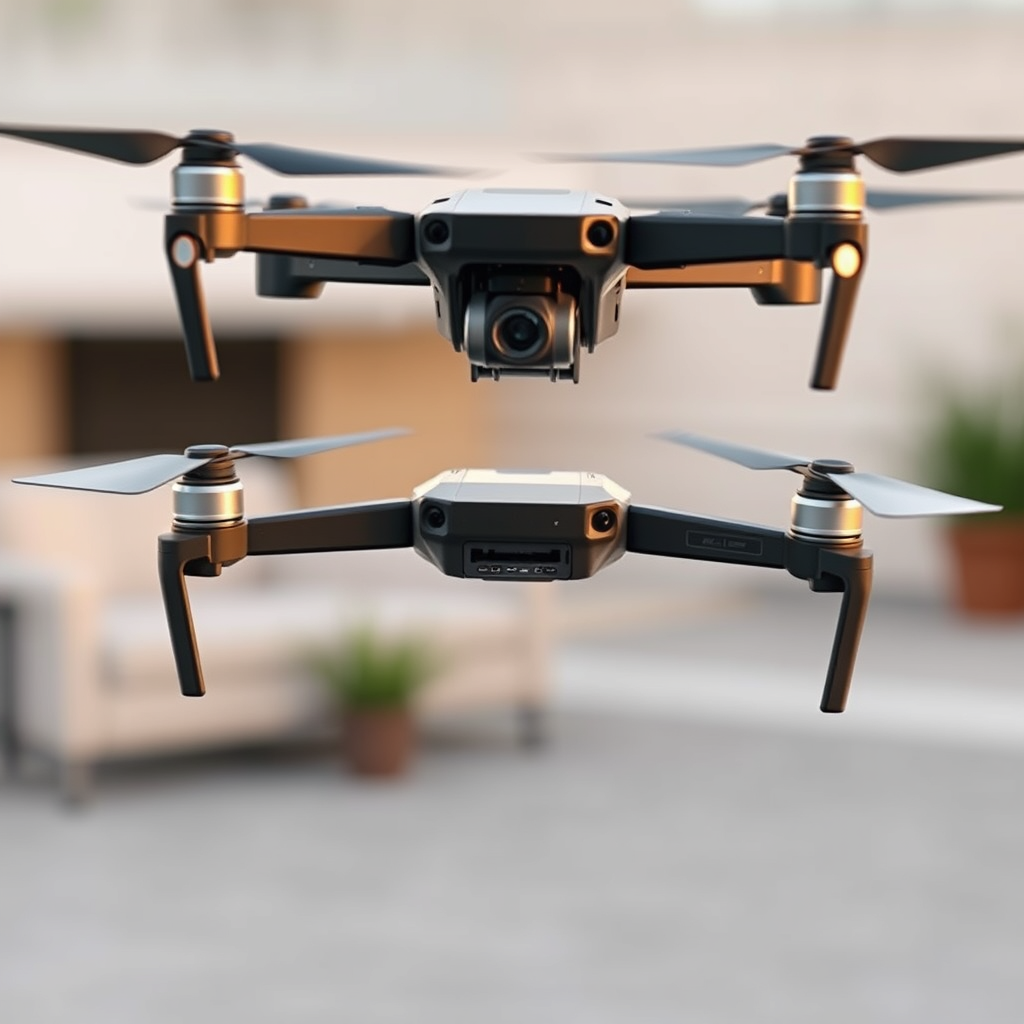
The DJI FPV drone can fly up to a maximum altitude of 6,000 meters (19,685 feet) above sea level. This remarkable capability not only allows for breathtaking aerial shots but also provides expansive views that are unparalleled in the realm of consumer drones. In this article, we’ll delve into the factors that influence this altitude, explore the environmental conditions that impact flight performance, and offer tips on how to optimize your DJI FPV drone for the best possible experience.
Understanding Maximum Altitude Limits
The maximum altitude a drone can achieve is influenced primarily by aviation laws and regulations that vary from country to country. In many regions, legal restrictions dictate how high a drone can fly, often limiting it to around 120 meters (394 feet) above ground level to ensure safety and compliance with manned aircraft operations. The DJI FPV drone’s firmware further restricts altitude based on user settings and local regulations. This means that even though the drone is technically capable of reaching 6,000 meters, users should always be mindful of the applicable laws in their area and ensure that they are operating within those limits.
Additionally, DJI routinely updates its firmware to comply with changing regulations and to enhance safety features. Therefore, it’s crucial to keep your drone’s software up to date. Users can check for firmware updates through the DJI Fly app, ensuring that they not only have the latest features but also adhere to the most recent legal stipulations.
Factors Affecting Flight Altitude
Several factors can significantly affect how high your DJI FPV drone can effectively fly. Atmospheric conditions like temperature and air density play a critical role in drone performance. For instance, colder temperatures can increase air density, improving lift and allowing for potentially higher flights. Conversely, flying at high altitudes where air is thinner can make it more difficult for the drone to maintain stable flight, thus potentially limiting altitude.
Battery power is another critical factor. The DJI FPV drone operates on a lithium-polymer battery, which provides a certain amount of wattage to the motors. As the battery depletes, the drone may not have enough power to maintain higher altitude levels. The weight of the drone, including any additional gear such as cameras or accessories, also affects its ability to climb. A heavier drone requires more power to achieve and maintain altitude, which can be a limiting factor during flight.
Performance in Different Environments
The environment in which you fly your DJI FPV drone significantly influences its altitude capabilities. Urban areas often pose challenges due to the presence of tall buildings, which can obstruct GPS signals and limit the drone’s operational ceiling. Additionally, many cities have strict regulations regarding drone flights, often imposing altitude restrictions to ensure the safety of both the drone and the surrounding populace.
On the other hand, open spaces like parks, fields, or rural areas provide much better conditions for reaching maximum altitude. These environments typically offer clear airspace, allowing for uninterrupted flight paths. Furthermore, flying in areas with minimal obstacles not only enhances the flight experience but also provides greater opportunities for capturing stunning aerial footage. It is advisable to scout potential flying locations in advance to identify open areas where you can safely and legally operate your drone.
Tips for Maximizing Flight Altitude
To ensure that you are getting the most out of your DJI FPV drone’s impressive altitude capabilities, consider the following tips:
1. Ensure Full Battery Charge: Before each flight, make sure that your drone’s battery is fully charged. A fully powered battery will provide the necessary energy for higher altitudes and longer flight times.
2. Minimize Excess Weight: Remove any unnecessary accessories or payloads that could add weight to the drone. This will improve lift and enhance overall performance.
3. Calibrate Your Drone: Regular calibration of your drone is essential for optimal performance. This process helps to synchronize the drone’s sensors and ensures it is stable, particularly at higher altitudes where the risk of instability increases.
4. Fly During Optimal Conditions: Choose to fly on days with calm weather, as wind and turbulence can significantly affect altitude performance. Early mornings or late afternoons often present more stable weather conditions.
5. Practice Maneuvering: Familiarize yourself with the controls and capabilities of your DJI FPV drone. The more comfortable you are with its handling, the better you will be able to manage the drone at altitude.
Safety Considerations When Flying High
Safety should always be a priority when flying drones at high altitudes. Being aware of your surroundings is crucial, as other aircraft may be operating in the same airspace. Always check for air traffic in your vicinity and maintain a visual line of sight with your drone at all times.
Understanding and complying with local laws regarding drone flight altitude is equally important. Many jurisdictions have specific regulations about where and how high drones can fly, often requiring permits for flying above certain altitudes. Failure to comply with these regulations can result in fines or other legal consequences.
Additionally, consider using a spotter—someone who can help keep an eye on the drone while you focus on flying. This added layer of safety can be especially useful in preventing collisions or accidents.
Best Practices for Capturing Aerial Footage
To make the most of your DJI FPV drone’s altitude capabilities, it’s essential to adopt best practices for capturing aerial footage:
1. Utilize Camera Settings: Familiarize yourself with the drone’s camera settings to optimize image quality. Adjusting parameters like ISO, shutter speed, and white balance can significantly enhance your photos and videos.
2. Plan Your Flight Path: Before taking off, plan your flight path to capitalize on altitude for the best shots. Identify landmarks or interesting features that will benefit from aerial perspectives.
3. Experiment with Angles: Don’t hesitate to experiment with different angles and heights. Capturing footage from various altitudes can create a dynamic viewing experience that showcases the landscape in unique ways.
4. Post-Processing: After capturing footage, consider using video editing software to enhance your visuals. Color grading and stabilization can transform raw footage into stunning aerial masterpieces.
In summary, while the DJI FPV drone boasts an impressive maximum altitude of 6,000 meters, reaching this height requires consideration of legal, environmental, and technical factors. By prioritizing safety, adhering to regulations, and employing effective techniques for maximizing altitude, drone operators can enjoy a rewarding flying experience that yields breathtaking aerial imagery. Always remember that responsible and informed flying not only enhances your experience but also contributes to the greater acceptance and longevity of drone technology in our skies.
Frequently Asked Questions
How high can the DJI FPV drone fly?
The DJI FPV drone has a maximum altitude limit of 6,000 meters (approximately 19,685 feet) above sea level. However, it’s important to note that various regulations and local laws may impose restrictions on how high you can actually fly the drone in your area. Always check your local aviation authority guidelines to ensure compliance with altitude limits.
What factors can affect the maximum flying altitude of the DJI FPV drone?
Several factors can influence the maximum flying altitude of the DJI FPV drone, including battery life, environmental conditions, and the drone’s weight at takeoff. Additionally, radio signal strength can affect how far and high the drone can operate effectively. Extreme weather conditions like high winds or rain can also impact performance and safety.
Why does the DJI FPV drone have a maximum flight altitude restriction?
The maximum flight altitude restriction for the DJI FPV drone is primarily in place to ensure compliance with aviation regulations and to enhance safety. Flying at high altitudes can pose risks to manned aircraft, and these regulations are designed to prevent potential collisions. Furthermore, maintaining altitude limits helps to preserve battery life and ensures that the drone remains within a manageable range for control.
What is the best way to maximize the flight altitude of the DJI FPV drone?
To maximize the flight altitude of the DJI FPV drone, ensure that it is fully charged and that you are flying in optimal weather conditions, such as clear skies with minimal wind. Additionally, keep the drone’s weight low by avoiding unnecessary attachments and using lightweight accessories. Regularly updating the drone’s firmware can also enhance performance and stability during flight.
Which settings should I adjust to achieve higher flight altitudes with the DJI FPV drone?
To achieve higher flight altitudes with the DJI FPV drone, you should consider adjusting the maximum altitude settings in the DJI Fly app. Navigate to the safety settings and ensure that the altitude limit is set to its maximum. Additionally, enabling “Sport Mode” can improve responsiveness and may assist in achieving higher altitudes more efficiently, though it’s crucial to maintain awareness of your surroundings and local regulations.
References
- https://en.wikipedia.org/wiki/Drone#Performance
- https://www.faa.gov/uas/getting_started/part_107/
- https://www.bbc.com/news/technology-56195687
- https://www.theguardian.com/technology/2020/apr/01/dji-fpv-drone-review
- https://www.ncbi.nlm.nih.gov/pmc/articles/PMC7460121/
- https://www.sciencedirect.com/science/article/pii/S235286482100002X
- https://www.wired.com/story/dji-fpv-drone-review/
- https://www.techradar.com/reviews/dji-fpv-drone-review
