
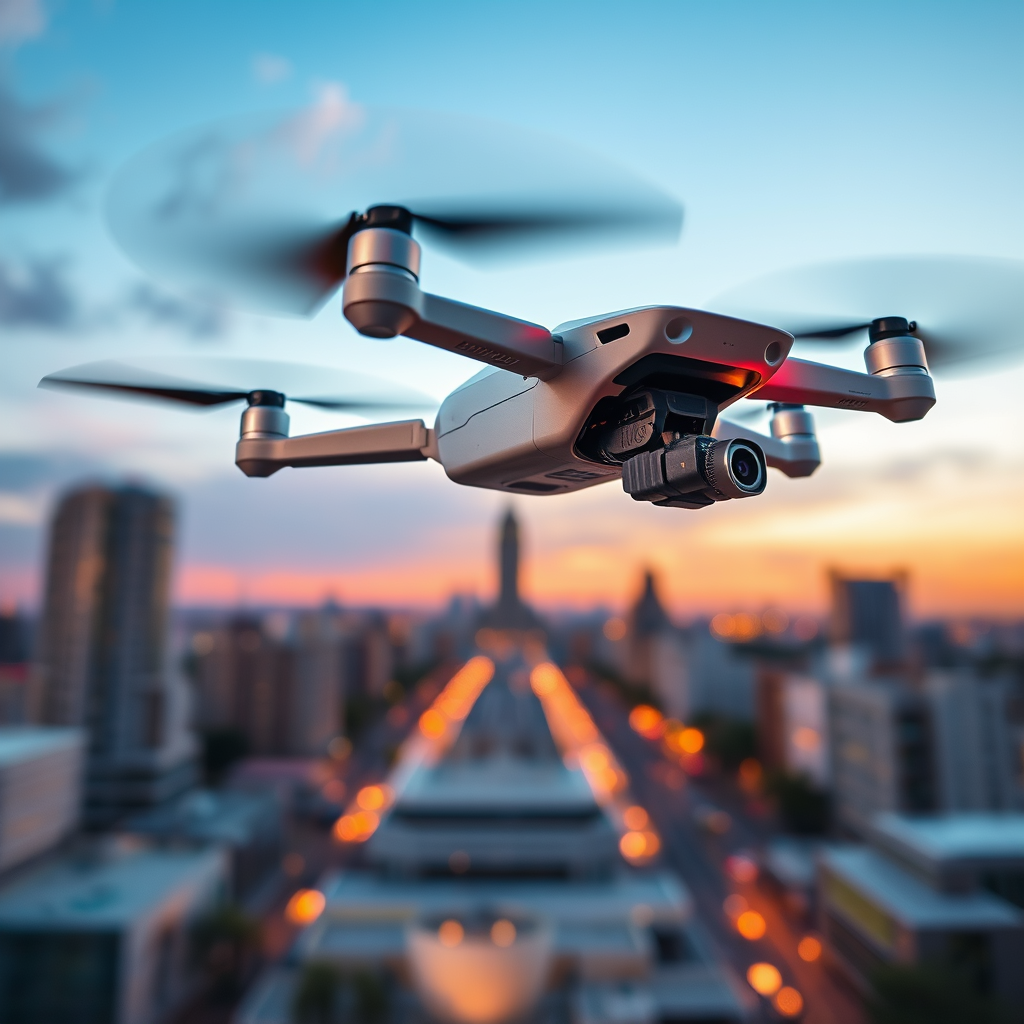
Most consumer drones can fly at altitudes between 400 to 500 feet, depending on the model and local regulations. However, specialized drones designed for specific applications can reach much higher altitudes, sometimes exceeding 10,000 feet. Understanding the factors that influence drone flight height—including regulations, technology, and environmental conditions—is crucial for drone operators to ensure safe and effective use of these devices.
Understanding Drone Altitude Regulations
In the United States, the Federal Aviation Administration (FAA) regulates drone operations to enhance safety and minimize conflicts with manned aircraft. One of the key regulations is that drones must not fly higher than 400 feet above ground level unless they are flying within a structure’s immediate vertical boundary. This altitude limit is designed to keep drones out of controlled airspace, which is typically above 500 feet, where commercial air traffic operates.
However, local laws can impose additional restrictions. For instance, certain urban areas may have lower flight ceilings due to the density of buildings and the proximity to airports. Additionally, various states and municipalities may enact regulations tailored to their unique environments, necessitating that drone operators stay informed about the specific laws applicable in their area. Compliance with these regulations is not only a legal requirement but also a vital part of ensuring public safety.
Factors Influencing Drone Flight Height
The maximum altitude a drone can achieve is heavily influenced by its model specifications. Different drones are engineered for various purposes, with their altitude capabilities reflecting their intended use. For example, consumer drones typically feature altitude limits set by manufacturers to ensure safety and compliance with regulations. In contrast, professional-grade drones may possess advanced mechanisms allowing for higher flight capabilities, often exceeding 5,000 feet in optimal conditions.
Battery life is another critical factor affecting practical flight limits. As drones ascend, the battery’s performance can diminish due to increased energy consumption in overcoming gravitational pull and maintaining stability. Weather conditions also play a significant role; for instance, high winds can make it difficult for drones to maintain altitude, forcing operators to keep their flights lower than intended. Understanding these factors is key to maximizing a drone’s potential while ensuring safe operation.
Types of Drones and Their Altitude Capabilities
The type of drone used is a significant determinant of its altitude capabilities. Consumer drones, designed for recreational use, typically have altitude limits around 400 to 500 feet. Popular models like the DJI Mavic Air 2 or the Phantom 4 Pro exemplify this category, providing a balance of performance and compliance with regulatory limits.
On the other hand, racing drones and specialized drones, such as those used in aerial surveying or scientific research, can reach altitudes well beyond the typical limits of consumer models. Racing drones, built for speed and agility, can exceed 10,000 feet under specific conditions, although this is not common due to the associated risks. Specialized drones equipped with the necessary technology can operate in extreme altitudes for applications like atmospheric research or search and rescue missions, where reaching higher altitudes is crucial for data collection or operational effectiveness.
Flight Conditions Impacting Altitude
Flight conditions significantly impact a drone’s ability to operate at higher altitudes. Wind speed is a primary consideration; gusty conditions can destabilize the drone and increase the risk of loss of control. Operators should monitor local weather reports before flights and avoid flying in high winds, particularly when operating at altitude.
Additionally, high altitude flying requires careful consideration of battery performance and signal strength. As drones ascend, the air becomes thinner, which can affect the efficiency of propellers and overall battery life. Furthermore, the distance from the remote controller increases with altitude, which can lead to signal loss. Ensuring robust communication between the drone and its operator is essential for maintaining control, especially at elevated heights.
Safety Considerations When Flying High
Flying at higher altitudes inherently increases the risk of losing signal and control. Drone operators must be acutely aware of their surroundings, particularly regarding air traffic. Higher altitudes may intersect with the flight paths of manned aircraft, increasing the likelihood of collisions. Therefore, it is imperative for drone operators to conduct thorough pre-flight checks and maintain situational awareness throughout the flight.
Additionally, operators should utilize technologies such as geofencing and altitude limits pre-programmed into drone software to mitigate risks associated with high-altitude flights. These features can help prevent accidental ascents into restricted airspace or hazardous conditions, ensuring safer operation.
The Future of Drone Flight Heights
As drone technology evolves, we can anticipate advancements that will enable higher and safer flight capabilities. Innovations in battery technology, such as the development of more efficient power sources and lightweight materials, could extend the operational altitude of drones significantly. Furthermore, improvements in navigation and communication technologies may enhance control and safety during high-altitude operations.
Emerging regulations will likely adapt to accommodate these advancements. As industries increasingly adopt drones for various applications—from agriculture to delivery services—the need for flexible regulatory frameworks that support higher altitude operations while ensuring public safety will become paramount. Collaboration among regulatory bodies, technology developers, and users will be crucial in shaping the future landscape of drone flight.
In conclusion, while many drones can fly up to 400-500 feet, various factors such as regulations, drone specifications, flight conditions, and safety considerations play a crucial role in determining their maximum altitude. Understanding these elements is vital for drone operators looking to maximize their flying experience while ensuring compliance and safety. As technology continues to advance, the possibilities for higher and safer drone operations will expand, making it essential for operators to stay informed and adapt to changing regulations and technologies.
Frequently Asked Questions
What is the maximum altitude a drone can fly legally?
The maximum altitude a drone can fly legally in the United States is typically 400 feet above ground level, as per the Federal Aviation Administration (FAA) regulations. This altitude limit helps prevent interference with manned aircraft and ensures safety in the airspace. However, certain exemptions and specific areas, such as controlled airspace, may have additional restrictions, so it’s crucial for drone operators to check local regulations before flying.
How high can different types of drones fly?
The altitude capability of drones varies by type. For example, consumer drones usually have a maximum flight altitude of 400 to 500 meters, while professional drones can reach higher altitudes, sometimes exceeding 1,000 meters. Racing drones, designed for agility and speed, may not have strict altitude limits, but practical flying height is often kept lower for safety and control. Always refer to the manufacturer’s specifications for exact figures.
Why is there a limit on how high drones can fly?
The limit on how high drones can fly is primarily for safety and regulatory reasons. These restrictions are in place to prevent drones from interfering with manned aircraft, which typically operate at altitudes between 500 feet and 10,000 feet. Additionally, limiting drone altitude helps mitigate risks associated with collisions, ensures compliance with air traffic control measures, and protects privacy and property rights.
What happens if you fly a drone higher than the legal limit?
Flying a drone higher than the legal limit can lead to serious consequences, including fines, loss of your drone, and revocation of your drone pilot certificate if applicable. Law enforcement agencies may take action against operators who violate airspace regulations, and excessive altitude could pose risks to manned aircraft safety, leading to potential accidents. It’s essential to adhere to local regulations and fly responsibly to avoid penalties.
Which drones are capable of flying the highest?
Drones designed for specialized applications, such as surveying and scientific research, often have higher altitude capabilities. For instance, some models from manufacturers like DJI and Parrot can reach altitudes of over 1,000 meters, depending on the local regulations and airspace conditions. Additionally, military drones are engineered to operate at significantly higher altitudes, sometimes exceeding 20,000 feet. However, for recreational users, it’s crucial to select a drone that complies with legal altitude limits and suits their flying needs.
References
- https://en.wikipedia.org/wiki/Drone
- https://www.faa.gov/uas/getting_started/part_107
- https://www.nasa.gov/mission_pages/Global_Hawk/overview/index.html
- https://www.sciencedirect.com/science/article/pii/S2352864816300631
- https://www.bbc.com/news/technology-50745677
- https://www.reuters.com/technology/tech-firms-push-drones-into-new-territory-2021-01-12/
- https://www.aa.com.tr/en/science-technology/everything-you-need-know-about-drones/2176518
- https://www.ncbi.nlm.nih.gov/pmc/articles/PMC7744770/
