
Drones can vary significantly in size, from tiny models weighing just a few grams to massive industrial drones that can weigh over 1,000 pounds. The size of a drone is influenced by its intended use, technology, and design specifications. This article explores the factors that determine drone size and the implications of these variations, providing a comprehensive overview for enthusiasts, professionals, and decision-makers in the drone industry.
Understanding Drone Classifications
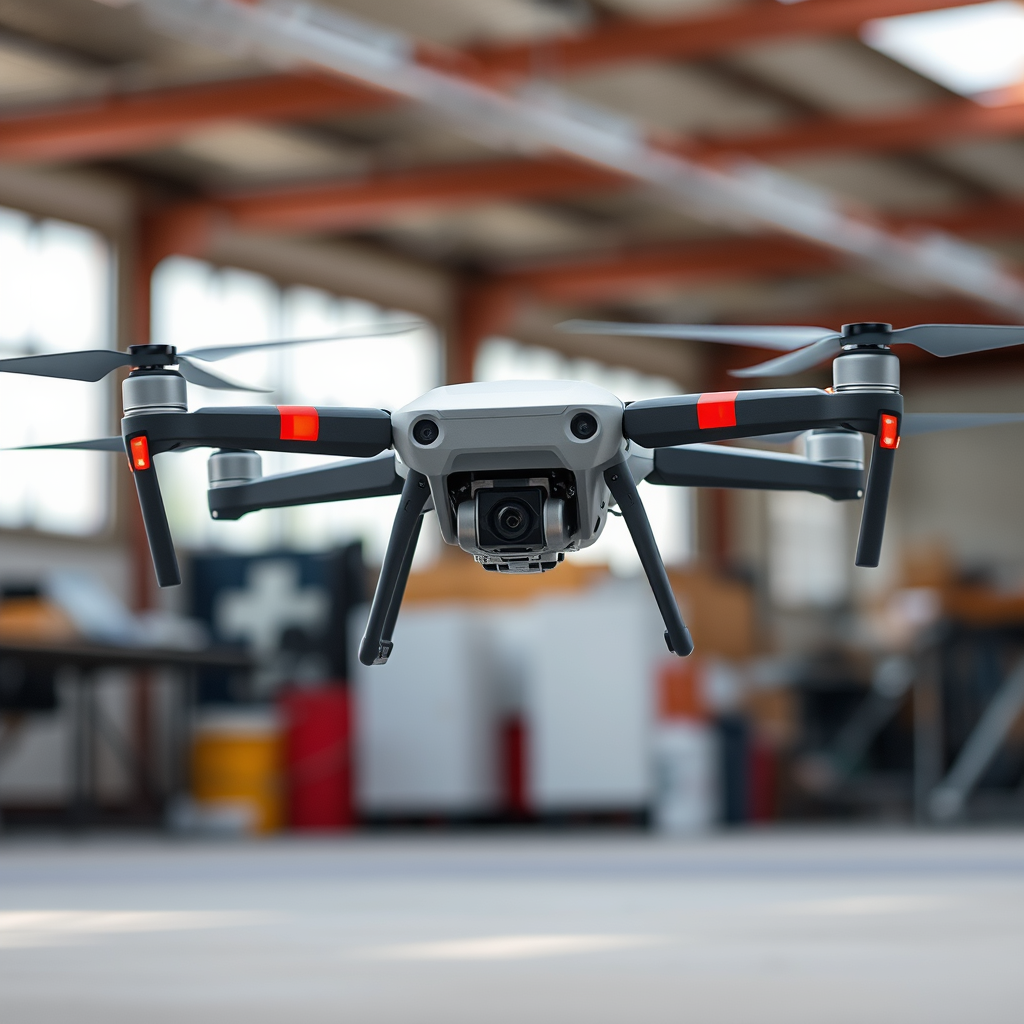
Drones are classified into categories based on size, which helps to establish their operational capabilities and regulatory requirements. The primary classifications include micro, mini, small, and large drones.
– Micro Drones: These are typically under 250 grams and are often used for indoor flying or recreational purposes. They are lightweight and very portable, making them ideal for hobbyists and beginners.
– Mini Drones: Usually ranging from 250 grams to 2 kilograms, mini drones can carry lightweight cameras and are suitable for both recreational and light commercial use. They often feature stabilized flight systems, making them user-friendly for aerial photography.
– Small Drones: Weighing between 2 kilograms and 25 kilograms, small drones are popular in commercial applications such as agriculture, surveying, and real estate photography. They can carry more advanced payloads and are subject to more stringent regulations.
– Large Drones: These drones exceed 25 kilograms and can weigh over 1,000 pounds. They are primarily used in military applications, large-scale commercial operations, and emerging urban air mobility initiatives. The operational capabilities of large drones often include long endurance flight and the ability to carry substantial payloads.
Each classification is governed by specific regulations set forth by aviation authorities, such as the Federal Aviation Administration (FAA) in the United States, which stipulates operational limits, pilot certification requirements, and safety protocols.
Factors Influencing Drone Size
Several factors contribute to the size of a drone, including payload capacity, flight duration, and range, each playing a critical role in determining how large a drone can be.
– Payload Capacity: The payload capacity of a drone refers to the maximum weight it can carry. Larger drones are designed to transport heavier payloads, including cameras, sensors, or even cargo. For instance, commercial drones like the DJI Matrice 600 can carry various professional cameras, while military drones like the MQ-9 Reaper are equipped with advanced surveillance technology and weaponry. Thus, the intended use directly impacts the drone’s size.
– Flight Duration and Range: Bigger drones often have more powerful batteries and more efficient designs, allowing for longer flight durations and greater operational ranges. For example, the Boeing Insitu ScanEagle can stay airborne for over 20 hours, which is essential for long reconnaissance missions. In contrast, smaller drones typically have limited battery life, restricting their operational capabilities.
These factors highlight the trade-offs that come with drone size, as larger drones can offer enhanced performance but require more significant investments in technology and infrastructure.
Examples of Large Drones
Large drones serve diverse purposes, particularly in military and commercial sectors, showcasing their capabilities and technological advancements.
– Military Drones: The MQ-9 Reaper is one of the most recognized large drones, weighing up to 1,000 pounds. It is designed for long-endurance missions, capable of flying at altitudes above 50,000 feet and carrying payloads of up to 3,750 pounds. Its capabilities in surveillance, reconnaissance, and precision strikes make it a critical asset in modern warfare.
– Commercial Drones: In the commercial realm, the Boeing Insitu ScanEagle is notable for its size and functionality. Weighing around 40 pounds, it is used primarily for intelligence, surveillance, and reconnaissance in various industries, including oil and gas, agriculture, and environmental monitoring. It can carry multiple sensors and has the endurance to operate for extended periods, highlighting the versatility of large drones in non-military applications.
These examples illustrate the diverse applications of large drones and underscore the technological advancements that enable them to perform complex tasks efficiently.
Size Limitations and Regulations
Regulatory bodies impose restrictions on drone sizes to ensure safety and mitigate risks associated with their operation. In the United States, the FAA has established guidelines regarding the classification of drones and the operational limits for each category.
– Weight Restrictions: Drones weighing over 55 pounds must be registered with the FAA, and their operators must adhere to specific regulations that dictate where and how they can fly. This includes restrictions on flying over populated areas, which is crucial for ensuring public safety.
– Airspace Regulations: Certain airspace regulations may further limit the size of drones that can operate in specific areas. For example, large drones may be restricted from flying in controlled airspace without obtaining special waivers, which adds an additional layer of complexity for operators looking to deploy larger units.
These regulations are essential for maintaining safety in the national airspace and ensuring that drone operations do not interfere with manned aviation.
Future Trends in Drone Size
Advancements in technology are likely to influence the future of drone size, leading to the development of even larger drones with enhanced capabilities.
– Technological Innovations: The evolution of battery technology, materials science, and artificial intelligence may enable the design of larger drones that are more efficient and capable of carrying heavier payloads. For instance, advancements in lightweight materials can reduce the overall weight of drones, allowing for larger designs without compromising performance.
– Urban Air Mobility: The rise of urban air mobility (UAM) is expected to lead to the creation of large passenger-carrying drones, altering the landscape of transportation. Companies like Joby Aviation and Volocopter are developing eVTOL (electric vertical takeoff and landing) aircraft, which could revolutionize urban commuting and logistics. These large drones must meet stringent safety and regulatory standards, pushing the boundaries of size and capability.
As technological advancements continue to unfold, the potential for larger drones with more complex functionalities will likely reshape various industries.
The Impact of Size on Performance
The size of a drone significantly impacts its performance, stability, and operational capabilities.
– Stability and Weather Handling: Larger drones tend to have better stability in the air, allowing them to handle adverse weather conditions more effectively than smaller counterparts. This stability is crucial for applications requiring precise control, such as aerial surveying or filming.
– Maneuverability and Speed: While larger drones may offer advantages in stability, they can also face challenges regarding maneuverability and speed. Larger frames often result in slower response times, which can be a disadvantage in dynamic environments. Smaller drones, on the other hand, are generally more agile and can navigate tighter spaces more effectively, making them ideal for tasks such as inspection or search and rescue operations.
Understanding how size affects these performance aspects is vital for selecting the right drone for specific applications and ensuring optimal operational efficiency.
In conclusion, drone size can vary widely based on purpose and design, with possibilities ranging from small consumer models to large industrial and military drones. Factors such as payload capacity, flight duration, and regulatory limitations play significant roles in determining the size of drones. As technology continues to advance, the future may bring even larger drones with enhanced capabilities, impacting various sectors from military to commercial applications. Understanding these factors can help enthusiasts and professionals alike choose the right drone for their needs. If you’re interested in drones, consider the size that best fits your intended use and explore the exciting developments in this technology.
Frequently Asked Questions
What is the maximum size a drone can be for commercial use?
The maximum size for commercial drones varies by country and regulatory body. In the United States, the Federal Aviation Administration (FAA) allows drones up to 55 pounds (25 kg) for commercial use, including payload. However, larger drones can be used under specific exemptions, such as the Part 107 waiver process, which allows for operations with heavier drones provided they meet safety and operational guidelines.
How large can military drones get compared to consumer drones?
Military drones can be significantly larger than consumer drones, with some models like the MQ-9 Reaper weighing over 4,000 pounds (1,800 kg) and having wingspans similar to small aircraft. Consumer drones, on the other, typically range from a few ounces up to about 55 pounds (25 kg). This size difference highlights the varying purposes and capabilities, with military drones designed for surveillance and combat, while consumer drones focus on photography and recreational use.
Why do regulations limit the size of drones?
Regulations limit the size of drones primarily for safety and airspace management reasons. Larger drones pose increased risks in case of accidents, such as more substantial potential damage to people or property. By imposing weight limits, regulatory bodies like the FAA aim to minimize these risks while maintaining safe integration of drones into the national airspace.
Which factors affect the size of a drone?
Several factors affect the size of a drone, including its intended use, design specifications, and payload capacity. For instance, drones used for agriculture may need to be larger to carry equipment or chemicals, while drones for aerial photography are often smaller for portability. Additionally, battery size and flight time requirements can influence the overall dimensions, as larger batteries typically require larger frames.
What are the best practices for managing larger drones?
Managing larger drones requires adhering to specific best practices for safety and compliance. Operators should ensure they are familiar with local regulations, conduct thorough pre-flight checks, and maintain a safe distance from people and property. It’s also essential to invest in proper training for handling larger drones, as their size can affect maneuverability and response time, making piloting skills crucial for safe operation.
References
- https://en.wikipedia.org/wiki/Drone
- https://www.faa.gov/uas/
- https://www.nasa.gov/centers/dryden/pdf/86842.pdf
- https://www.bbc.com/news/technology-53011419
- https://www.sciencedirect.com/topics/engineering/unmanned-aerial-vehicles
- https://www.ncbi.nlm.nih.gov/pmc/articles/PMC6823288/
- https://www.researchgate.net/publication/332580025_The_Future_of_Drones
- https://www.theguardian.com/technology/2020/jan/30/drone-size-uk-regulation-new-law
