
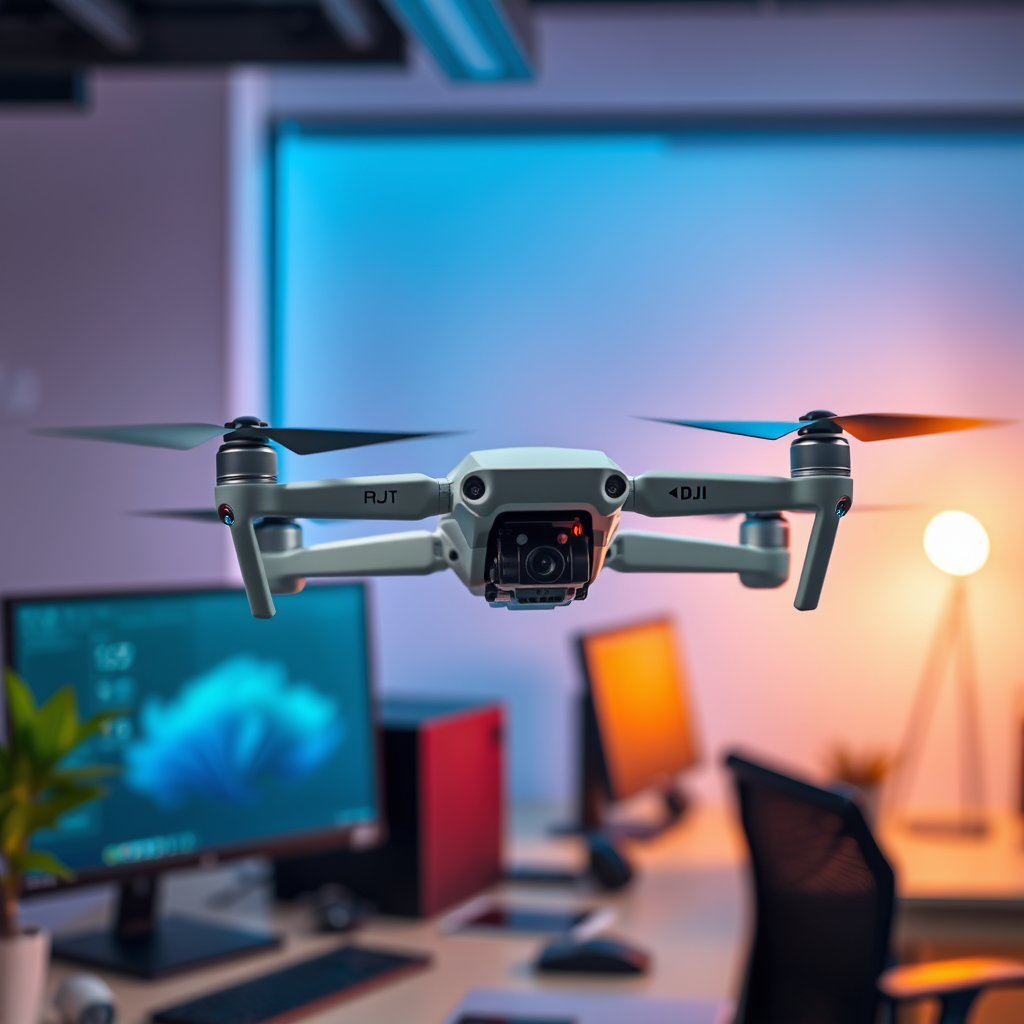
DJI drones can typically fly for about 20 to 30 minutes on a single battery charge, depending on the model and conditions. This flight duration is influenced by several factors, such as battery capacity, weather conditions, and payload weight. In this article, we will delve deeper into these factors, examine the specifications of various DJI models, and provide tips to maximize your drone’s battery life for an enhanced flying experience.
Understanding Flight Time Specifications
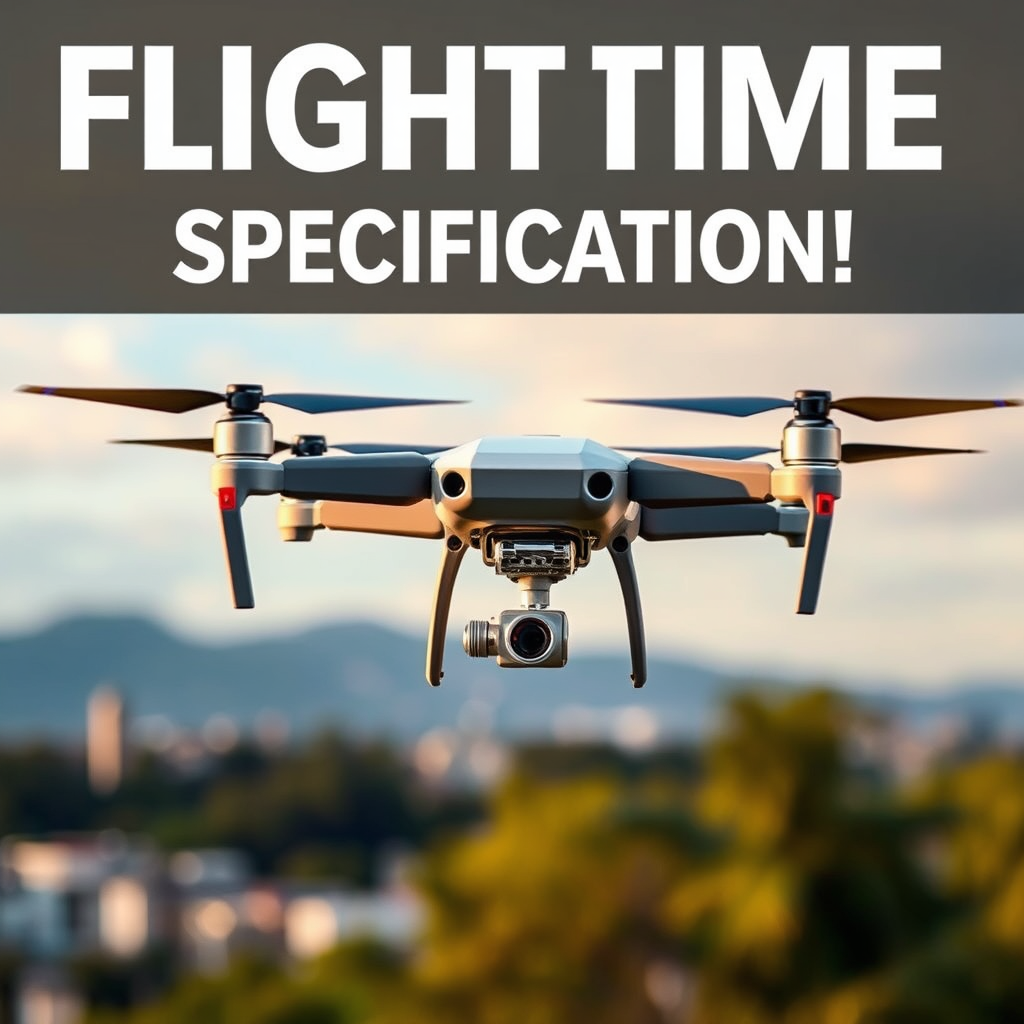
The flight time of a DJI drone is primarily determined by its battery capacity, measured in milliamp hours (mAh). Different models have varying battery specifications: for instance, the DJI Mini 2 features a 2250 mAh battery, while the Mavic Air 2 comes with a more robust 3500 mAh battery. Manufacturer claims about flight time often reflect optimal conditions, such as calm weather and minimal payload. However, these figures can be misleading when applied to real-world scenarios, where factors like wind resistance, temperature, and altitude come into play.
Furthermore, it is crucial to note that the stated flight times are typically based on hover tests rather than active flying, where the drone experiences additional strain from acceleration and maneuvering. Therefore, when planning your drone flights, it is wise to account for these variances.
Factors Affecting Flight Time
Several external factors significantly impact the flight time of DJI drones. Weather conditions are paramount; high winds can increase battery consumption as the drone works harder to maintain stability. Similarly, extreme temperatures can affect battery efficiency; cold weather can reduce battery capacity, while excessive heat can lead to overheating and performance throttling.
Another critical factor is the payload weight. While many users may wish to attach additional equipment, such as cameras or gimbals, this added weight can dramatically reduce flight duration. For example, adding a heavy camera can decrease the Mavic 2 Pro’s flight time from its rated 31 minutes to as low as 20 minutes, depending on the weight of the attached gear. Therefore, when planning a flight, it is essential to consider both environmental conditions and the total weight of the drone and any additional equipment.
Comparing DJI Models
When it comes to DJI drones, flight times can vary significantly across different models. The DJI Mini series, for example, is known for its lightweight design and impressive flight times, with the Mini 2 offering up to 31 minutes of flight time under optimal conditions. On the other hand, the Mavic Air 2 boasts a flight time of up to 34 minutes, making it suitable for longer shooting sessions.
In contrast, the Phantom 4 Pro, while offering advanced features like a 1-inch sensor for high-quality video capture, has a flight time of around 30 minutes. Additionally, drones equipped with advanced features, such as obstacle avoidance systems and live streaming capabilities, may experience reduced flight times due to the additional power required to operate these technologies. Understanding these nuances allows users to choose the model that best fits their needs, balancing flight time with the required features for their specific applications.
Battery Technology and Management
DJI drones predominantly use lithium polymer (LiPo) batteries, known for their high energy density and relatively lightweight properties. These batteries are designed to provide optimal performance while ensuring safety; however, they require careful handling and management to maintain their lifespan.
To maximize battery health, it is essential to store LiPo batteries in a cool, dry place and avoid letting them discharge completely. Ideally, batteries should be charged to about 40-60% if they will not be used for an extended period. Regularly checking the battery’s health and utilizing the DJI Go app for monitoring can provide insights into when a battery may need replacement. Additionally, always ensure that firmware updates are applied, as these can improve battery management features and overall performance.
Tips for Maximizing Flight Time
To extend the flight time of your DJI drone, consider implementing several strategies. Flying in calm weather conditions can help conserve battery life, as wind resistance requires additional energy to overcome. Moreover, maintaining a light payload is beneficial; if you plan to attach additional equipment, ensure it is lightweight or consider flying without it when possible.
Calibrating your battery before flights helps ensure optimal performance. Firmware updates are equally important, as they often include enhancements that improve battery management. Lastly, adopting a smooth flying style—avoiding rapid ascents, aggressive turns, and heavy braking—can further enhance battery longevity, allowing you to get the most out of each flight.
Common Myths about Drone Flight Time
Many misconceptions surround drone flight time, particularly regarding battery life and flight duration. One common myth suggests that flying with a fully charged battery guarantees maximum flight time; however, this is not true, as factors such as wind and payload can significantly affect performance.
Another prevalent myth involves flight style. Some users may believe that flying aggressively consumes less battery, but in reality, smooth flying is more efficient and can lead to longer flight times. Understanding these myths and recognizing the impact of various factors on battery consumption is crucial for drone users looking to optimize their flying experience.
In conclusion, understanding how long a DJI drone can fly involves considering various factors, including model specifications and external conditions. By implementing the tips mentioned and being mindful of the influences on battery performance, you can enjoy longer flight times and enhance your overall drone experience. Whether you are a hobbyist or a professional, being equipped with this knowledge will ensure that you make the most of your DJI drone’s capabilities.
Frequently Asked Questions
How long can a DJI drone fly on a single battery charge?
The flight duration of a DJI drone typically ranges from 20 to 30 minutes on a single battery charge, depending on the specific model and conditions. For instance, the DJI Mavic Air 2 boasts a maximum flight time of approximately 34 minutes, while the DJI Mini 2 can fly for around 31 minutes. Factors such as wind conditions, payload weight, and flying style can significantly affect the actual flight time.
What factors influence the flight time of a DJI drone?
Several factors can influence the flight time of a DJI drone, including battery capacity, drone weight, environmental conditions, and flight maneuvers. A fully charged battery with a higher mAh rating generally offers longer flight times. Additionally, flying in windy conditions or carrying extra weight (like a camera or additional equipment) can reduce overall flight duration, making it essential to consider these factors when planning your drone flight.
Why do some DJI drones have longer flight times than others?
The differences in flight times among DJI drones are primarily due to variations in battery capacity, motor efficiency, and overall design. High-end models like the DJI Mavic 3 are equipped with larger batteries and more advanced propulsion systems, allowing them to achieve longer flight durations. Conversely, entry-level models may have smaller batteries and lighter frames, resulting in shorter flight times.
How can I maximize the flight time of my DJI drone?
To maximize the flight time of your DJI drone, consider flying in calm weather conditions and avoiding aggressive maneuvers that can drain the battery faster. Additionally, make sure your drone is adequately calibrated and that the propellers are clean and free from damage. Regularly maintaining your battery and ensuring it is fully charged before each flight can also contribute to longer flight times.
Which DJI drones have the best flight times currently available?
As of October 2023, the DJI Mavic 3 and the DJI Air 2S are two models known for their impressive flight times. The Mavic 3 can achieve up to 46 minutes of flight time under ideal conditions, making it one of the best options for extended aerial photography sessions. The Air 2S follows closely with a maximum flight time of approximately 31 minutes, offering a great balance between performance and portability for enthusiasts and professionals alike.
References
- https://en.wikipedia.org/wiki/DJI
- https://www.dji.com/uk/flysafe/learn/faq
- https://www.abc.net.au/news/2021-04-15/how-long-does-a-drone-battery-last/100061058
- https://www.theverge.com/2021/1/13/22227126/dji-mavic-air-2-review-battery-life-flying-time
- https://www.researchgate.net/publication/332189883_Performance_Analysis_of_Drones_for_Sustainable_Agriculture
- https://www.faa.gov/uas/
- https://www.dronepilotgroundschool.com/drone-battery-life/
