
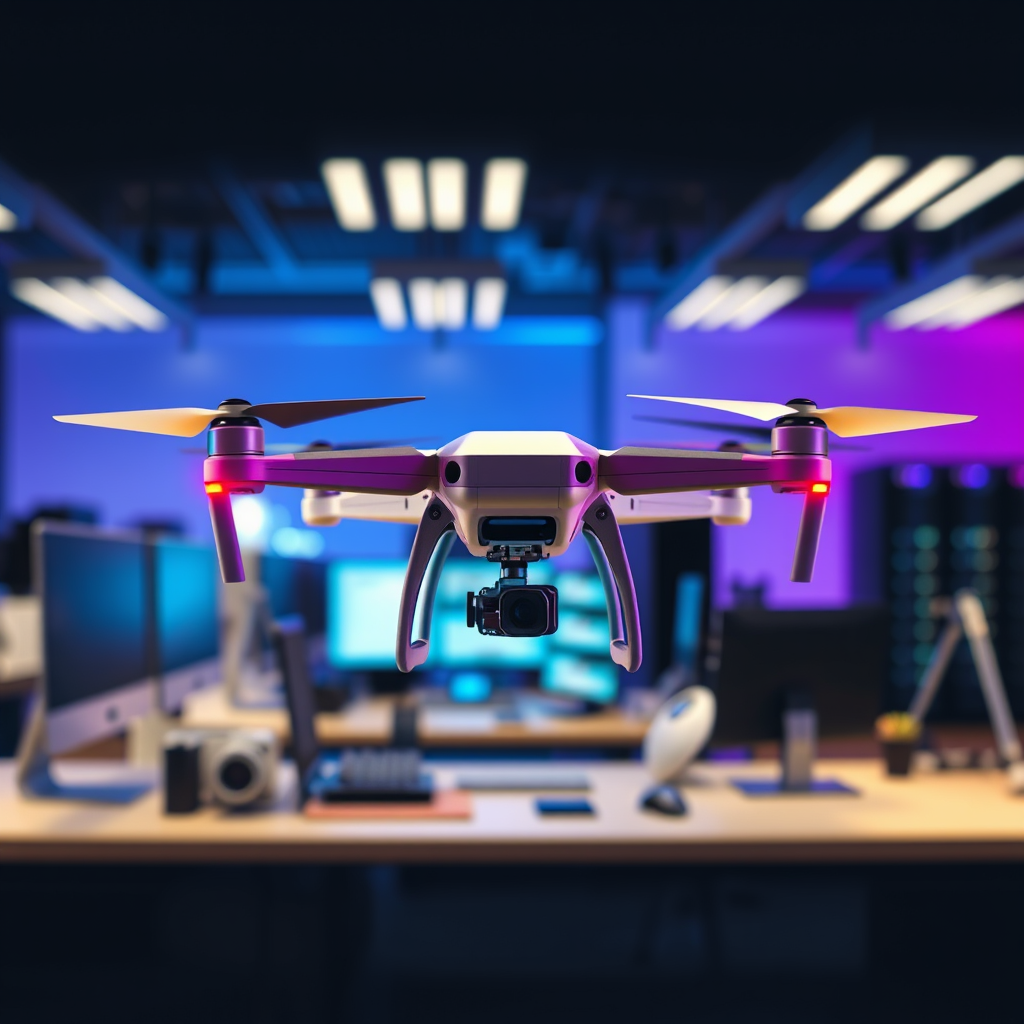
Drones can typically stay airborne for 20 to 30 minutes on a single battery charge, but this duration can vary significantly based on several factors. Understanding these factors can help you maximize your drone’s flight time and improve your aerial adventures. This knowledge is essential for both hobbyists and professionals who rely on drones for photography, surveying, and other applications, as it can lead to more efficient and successful missions.
Battery Life and Type
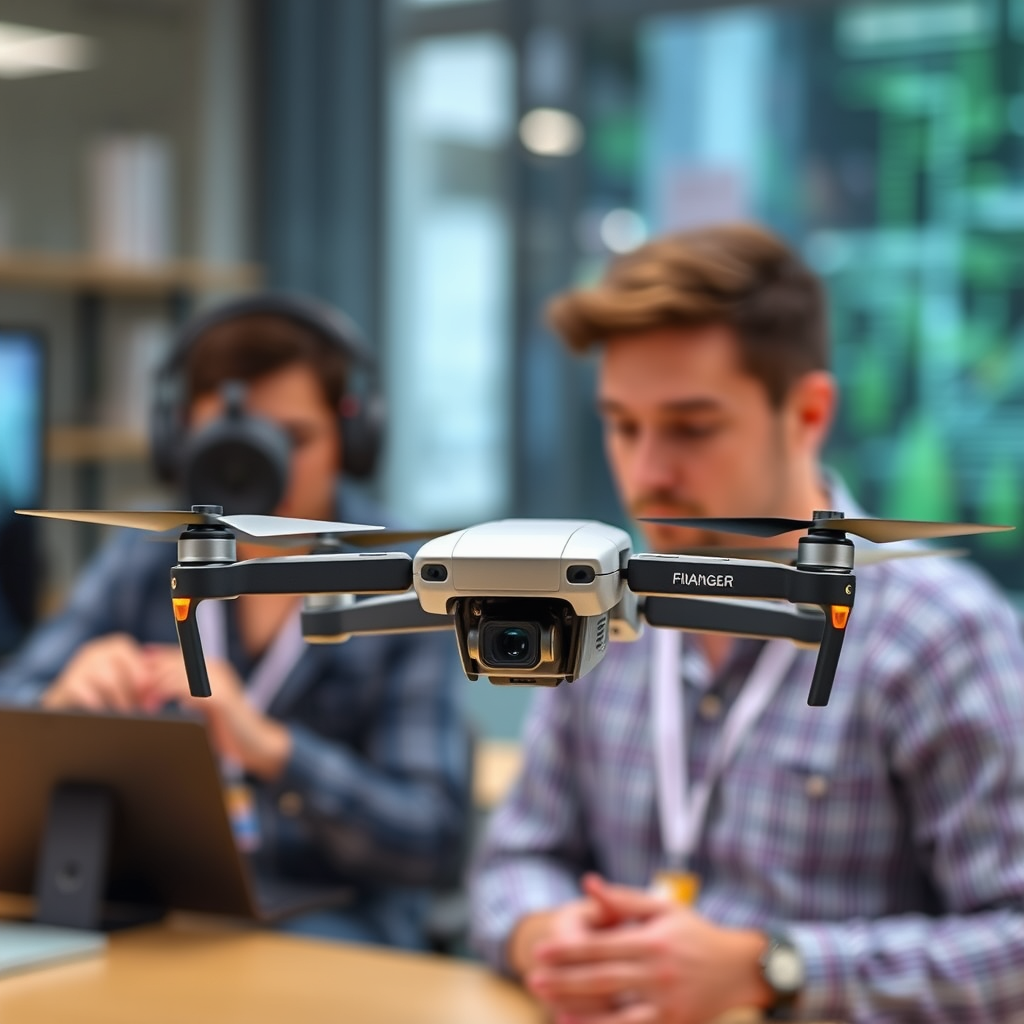
The type of battery used in a drone is one of the most critical factors influencing its airborne duration. Lithium Polymer (LiPo) batteries are the standard choice for most consumer drones due to their favorable energy-to-weight ratio. These batteries are lightweight yet capable of delivering high currents necessary for powerful motors. The capacity of a battery, measured in milliamp-hours (mAh), directly affects how long a drone can remain in the air. For example, a drone equipped with a 3000mAh LiPo battery may fly for approximately 25 minutes, while a model with a 5000mAh battery could extend that time to around 35 minutes under optimal conditions.
Furthermore, the age and quality of the battery also play a vital role in flight time. As batteries degrade over time, they lose capacity and efficiency, resulting in shorter flight durations. Regularly monitoring the health of your batteries and replacing them when necessary is essential for maintaining optimal performance.
Drone Weight and Design
The weight of a drone is another crucial factor that determines how long it can fly. Heavier drones require more power to maintain altitude, which can lead to reduced flight time. For instance, a drone designed primarily for heavy payloads, such as those used in commercial applications, may weigh significantly more than a standard consumer drone, thus decreasing its airborne duration.
Moreover, the design of the drone also affects its aerodynamics. Streamlined designs reduce drag, allowing drones to fly longer distances with less energy. For example, drones with a more aerodynamic shape, such as those with enclosed propellers or sleek bodies, can achieve greater efficiency in the air. Manufacturers are increasingly focusing on optimizing drone designs to enhance flight times, which underscores the importance of choosing a model that balances weight and aerodynamics effectively.
Environmental Conditions
Environmental factors can have a substantial impact on a drone’s flight time. Wind speed and direction can significantly affect stability and battery consumption. For instance, flying against strong winds requires a drone to expend more energy to maintain altitude, which can shorten flight times. Conversely, flying with a tailwind may allow a drone to conserve energy, potentially extending its airborne duration.
Temperature also influences battery performance. Cold weather can lead to decreased battery efficiency, as lower temperatures can reduce the chemical reactions within lithium batteries. This reduction can result in shorter flight times, even if the battery is fully charged. Pilots should be aware of these environmental conditions and plan their flights accordingly, choosing optimal times and locations for flying.
Flight Mode and Usage
The mode in which a drone operates can significantly affect its battery consumption. Hovering, for instance, consumes more energy than forward flight due to the increased power requirements to maintain a stable position in the air. Therefore, if a drone is used primarily for hovering, such as in aerial photography, its flight time will be greatly reduced compared to a drone that is actively flying forward.
Utilizing efficient flight modes can help extend airborne time. Many modern drones come equipped with GPS-based navigation features that optimize flight paths and reduce unnecessary energy expenditure. Employing these modes not only helps in maximizing flight time but also enhances the overall safety and reliability of the flight, allowing for more extended operations without the need for frequent landings and battery changes.
Maintenance and Upkeep
Regular maintenance is essential for maximizing the performance and longevity of a drone. Routine checks on components such as propellers, motors, and firmware can significantly enhance flight efficiency. For example, ensuring that propellers are clean and free of debris allows for better aerodynamic performance and reduced drag, leading to longer flights.
In addition, proper care of the drone’s batteries is crucial. Keeping batteries charged according to manufacturer guidelines, avoiding over-discharge, and storing them in optimal conditions can help prolong their lifespan and maintain peak performance. Regular maintenance not only improves flight times but also enhances the overall safety and reliability of drone operations.
Drone Technology Advancements
As drone technology continues to evolve, advancements are being made that enhance flight duration. Newer models often feature energy-efficient technologies, such as brushless motors, which consume less power while providing more thrust. These motors allow drones to operate more efficiently, extending flight times significantly.
Moreover, innovations in battery technology have led to the development of fast-charging and longer-lasting batteries. Researchers are continually exploring new materials and chemical compositions that promise to increase energy density and reduce weight, which could result in drones capable of staying airborne for much longer periods. Staying informed about these advancements can help drone users make educated decisions when selecting their equipment and planning their operations.
In summary, the airborne duration of a drone is influenced by various factors, including battery type, weight, environmental conditions, flight practices, maintenance, and technological advancements. By understanding these elements and implementing best practices, drone operators can optimize their flying experience, ensuring they get the most out of each flight. Whether for recreational use or professional applications, being well-prepared can lead to more efficient, safe, and enjoyable aerial adventures.
Frequently Asked Questions
How long can a consumer drone typically stay airborne?
Most consumer drones can stay airborne for approximately 20 to 30 minutes on a single battery charge. Factors such as the drone’s weight, battery capacity, and flying conditions can influence this flight time. High-end models may offer longer flight durations, while smaller drones or those with additional payloads may have shorter airborne times.
What factors affect the flight time of a drone?
Several factors can impact a drone’s flight time, including battery capacity, weight, flying speed, altitude, and environmental conditions such as wind and temperature. Drones equipped with high-capacity batteries can fly longer, while those carrying extra equipment or flying in adverse weather may experience reduced flight times.
How can I extend my drone’s airborne time?
To maximize your drone’s flight time, consider using high-capacity batteries, reducing the payload weight, flying at optimal speeds, and avoiding aggressive maneuvers. Additionally, flying in calm weather conditions and ensuring the drone is well-maintained can contribute to longer airborne durations. It’s also helpful to monitor battery health and replace aging batteries to maintain performance.
Why do professional drones have longer flight times compared to consumer models?
Professional drones often feature advanced battery technology and more efficient motors that allow for longer flight times, typically ranging from 30 to 60 minutes or more. These drones are designed for specific applications, such as aerial photography or surveying, and can carry heavier payloads without sacrificing flight duration. Their engineering also focuses on energy efficiency, making them suitable for extended missions.
Which drones have the longest flight times currently available?
Some of the drones with the longest flight times include the DJI Mavic 3, which boasts up to 46 minutes of flight time, and the Autel Robotics Evo Lite+, offering approximately 40 minutes. These models are equipped with high-performance batteries and optimized aerodynamics, making them ideal for users who require extended airborne capabilities for professional or recreational purposes.
References
- https://en.wikipedia.org/wiki/Drone
- https://www.nasa.gov/mission_pages/tdm/aircraft/airborne_time.html
- https://www.faa.gov/uas/
- https://www.bbc.com/news/technology-50512623
- https://www.sciencedirect.com/science/article/pii/S235286481931256X
- https://www.wired.com/story/how-long-can-drones-fly/
- https://www.nist.gov/news-events/news/2018/09/drones-how-long-can-they-fly-what-are-their-limits
- https://www.researchgate.net/publication/330123456_How_long_can_drones_stay_in_the_air
