
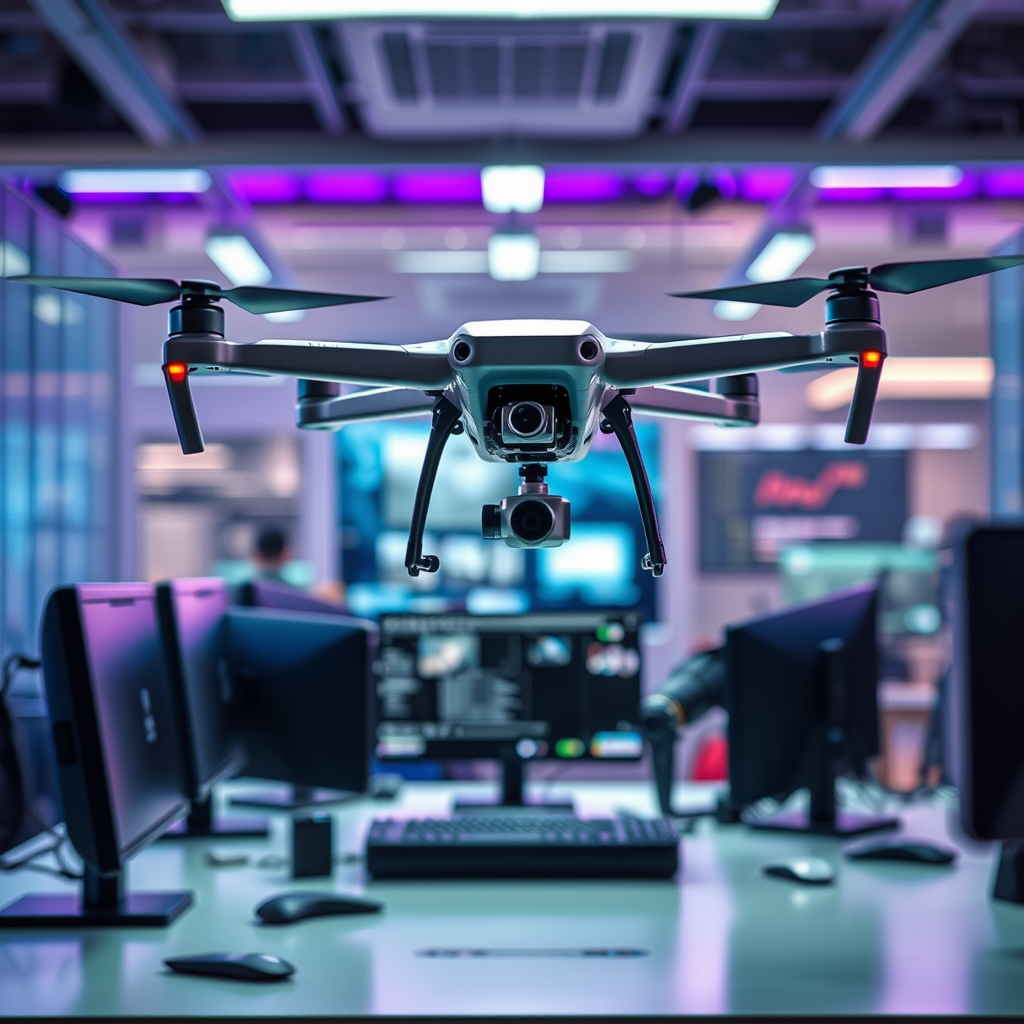
Police drones can typically stay in the air for 20 to 60 minutes, depending on the model and conditions. This flight duration is influenced by various factors, including battery capacity, payload weight, and environmental conditions. As law enforcement agencies increasingly integrate drone technology into their operations, understanding the intricacies of flight time becomes essential for optimizing their use in surveillance, search and rescue, and other applications.
Factors Affecting Drone Flight Time
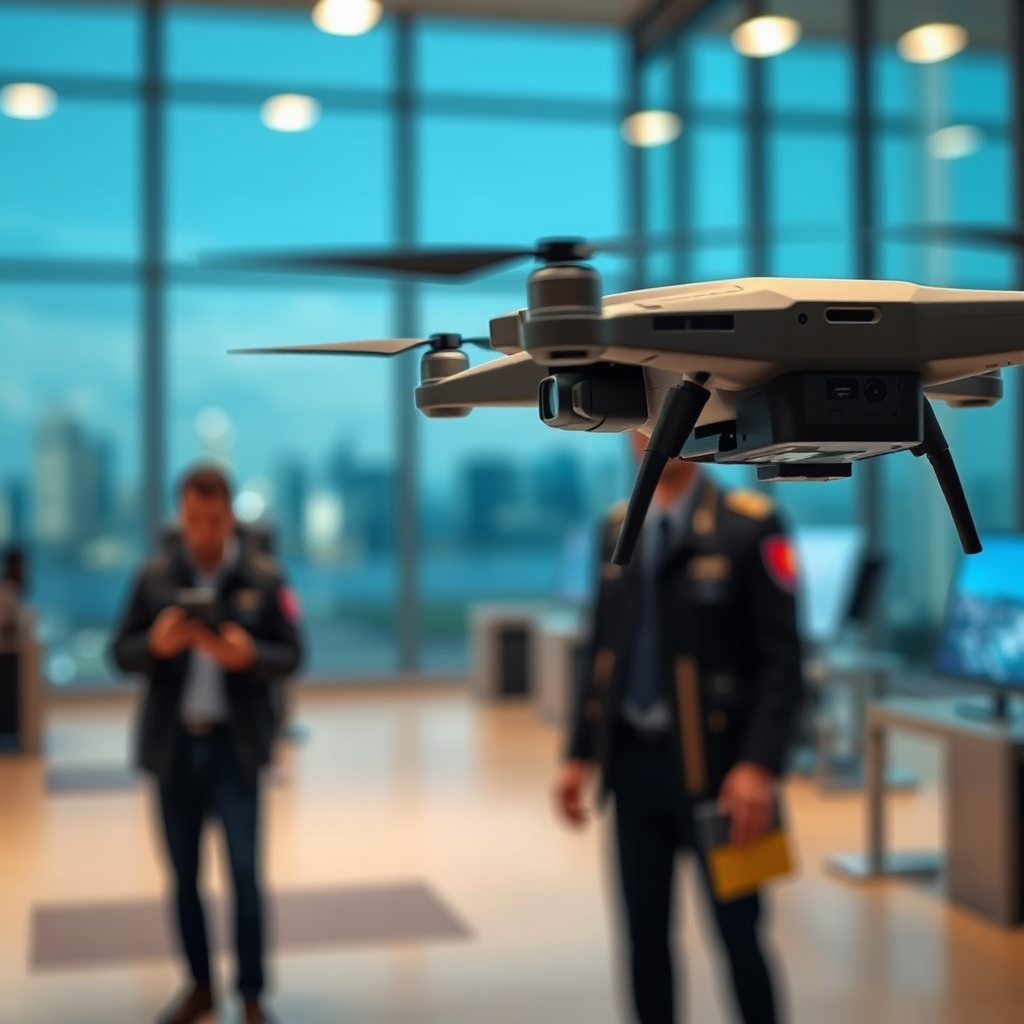
Several key factors play a significant role in determining how long a police drone can remain airborne.
– Battery capacity: One of the most critical aspects is the battery capacity. Most police drones utilize lithium-polymer (LiPo) batteries, which vary in size and energy density. Larger batteries can store more energy and thus provide longer flight durations. For instance, a drone equipped with a 6,000 mAh battery may achieve flight times of up to 40 minutes, while one with a 3,000 mAh battery may only last about 20 minutes.
– Payload weight: The weight of the equipment carried by the drone directly affects its flight time. Adding cameras, thermal imaging sensors, or other specialized gear increases the overall weight and can lead to reduced flight durations. For example, a multi-rotor drone designed for surveillance may have a baseline flight time of 30 minutes without additional equipment, but this could drop to 20 minutes or less if heavy thermal imaging devices are added. Therefore, law enforcement agencies must carefully consider the mission requirements against the drone’s payload capabilities to maximize flight efficiency.
Types of Police Drones
Law enforcement utilizes various types of drones, each designed for specific operational needs.
– Multi-rotor drones: These drones, which include quadcopters and hexacopters, are commonly used in police operations. They offer superior maneuverability and the ability to hover in place, making them ideal for close-range surveillance, crowd monitoring, and tactical operations. However, their flight times generally range from 20 to 30 minutes due to the battery limitations and the energy consumed during hovering.
– Fixed-wing drones: In contrast, fixed-wing drones are designed for longer flight durations and can cover larger areas more efficiently. They can achieve flight times of up to 90 minutes or more, depending on their design and battery capacity. These drones are particularly useful for applications such as aerial mapping, large-area surveillance, and search and rescue missions where extended coverage is essential. Their ability to fly longer distances makes them an invaluable tool for law enforcement agencies operating in rural or expansive environments.
Operational Conditions Impacting Flight Time
The operational environment significantly influences drone flight performance.
– Weather conditions: External factors like wind speed, temperature, and precipitation can affect both battery performance and drone stability. High winds can lead to increased energy consumption as the drone works harder to maintain stability, thereby reducing flight time. For example, a drone may experience a 20% decrease in flight duration when flying against 15 mph winds compared to calm conditions. Similarly, extreme temperatures can impact battery life; cold weather tends to diminish battery efficiency, resulting in reduced operational time.
– Flight regulations: Local and national regulations can also dictate how long a drone can operate in specific airspaces. Some jurisdictions may have restrictions on flight times, particularly during emergencies or public events, where rapid response is crucial. Understanding these regulations is vital for police departments to ensure compliance and effective use of their drone capabilities.
Enhancements for Extended Flight Time
To address the challenges of limited flight duration, several advancements are being made in drone technology.
– Battery technology: The development of new battery chemistries, such as lithium-sulfur and solid-state batteries, is promising for increasing flight times. These advanced batteries can offer higher energy densities, which means more power in a lighter package. For example, researchers are exploring the use of solid-state batteries that could potentially double the flight time of current models, significantly enhancing operational capabilities for law enforcement.
– Solar panels: Some innovative drone designs incorporate solar panels to extend flight times. By harnessing solar energy during flight, these drones can recharge their batteries and remain airborne for longer periods. Although still in the early stages of development, solar-powered drones have the potential to revolutionize police operations, especially for long-duration missions or tasks that require extended surveillance.
Practical Applications of Police Drones
The integration of drones into law enforcement operations has led to numerous practical applications that leverage their unique capabilities.
– Surveillance: Drones are increasingly deployed for real-time monitoring during public events, protests, and emergencies. Their ability to provide aerial views allows law enforcement to assess situations without risking officer safety. For instance, during large-scale events, drones can monitor crowd behavior and identify potential threats, enabling quicker responses.
– Search and rescue: In search and rescue operations, extended flight times are crucial for covering vast areas. Drones equipped with thermal imaging can detect heat signatures of missing persons, significantly improving search efficiency. For example, during a missing person’s case in a wooded area, a drone can cover more ground quickly, allowing rescue teams to locate individuals faster than traditional ground searches.
Future Trends in Police Drone Technology
The future of police drone technology looks promising, with several emerging trends poised to enhance their functionality.
– AI integration: The incorporation of artificial intelligence into drone systems is expected to lead to more efficient flight paths and operational strategies. AI can analyze real-time data, identify patterns, and even predict potential threats, allowing officers to respond proactively. For instance, AI-driven drones could autonomously navigate and optimize their routes based on changing environmental conditions or evolving situations on the ground.
– Increased endurance: Research into new materials, aerodynamics, and propulsion systems aims to create drones capable of flying for several hours. These advancements would enable law enforcement agencies to conduct prolonged missions without the need for frequent battery changes or landings. Such capabilities would be particularly beneficial for large-scale operations, like monitoring vast wilderness areas or conducting lengthy surveillance missions.
In summary, the flight time of police drones is influenced by various factors, including battery capacity, payload weight, and environmental conditions. With ongoing advancements in technology, law enforcement agencies can expect improved performance and longer operational durations. Understanding these elements will help maximize the effectiveness of drone capabilities in critical applications such as surveillance and search and rescue. As drone technology continues to evolve, staying informed about the latest developments will be essential for law enforcement agencies looking to harness the full potential of this innovative tool.
Frequently Asked Questions
How long can a police drone typically stay in the air?
Police drones can typically stay in the air for about 20 to 60 minutes, depending on various factors such as battery capacity, drone model, and payload. High-end models equipped with advanced batteries and lightweight equipment can achieve longer flight times, while drones carrying heavier cameras or sensors may have reduced air time. Understanding these variables is crucial for law enforcement agencies to plan their aerial operations effectively.
What factors affect the flight duration of police drones?
Several factors can influence the flight duration of police drones, including battery life, drone weight, weather conditions, and flying altitude. Drones equipped with high-capacity batteries can sustain longer flights, while adverse weather conditions like wind or rain can necessitate shorter missions. Additionally, the operational altitude and payload can significantly affect how long a drone can remain airborne.
Why is flight time important for police drones during operations?
Flight time is critical for police drones during operations because it directly impacts their ability to gather real-time intelligence, conduct surveillance, or assist in search and rescue missions. Limited flight time may constrain the scope of operations, requiring law enforcement to plan their missions strategically to maximize the drone’s capabilities. Understanding flight duration helps agencies allocate resources effectively and enhance operational efficiency.
Which police drones have the longest flight times?
Drones like the DJI Matrice 300 RTK and the Parrot Anafi USA are known for their extended flight times, often exceeding 30 minutes under optimal conditions. These models are designed specifically for professional use, featuring advanced battery technology and efficient aerodynamics. Choosing a drone with a longer flight duration can significantly enhance a police department’s operational effectiveness, especially for extended missions or complex scenarios.
How can police departments maximize the flight time of their drones?
Police departments can maximize the flight time of their drones by implementing strategies such as using high-capacity batteries, minimizing payload weight, and conducting pre-flight checks to ensure optimal performance. Additionally, flying in favorable weather conditions and planning efficient flight paths can help extend operational time. Regular maintenance and updates to the drone’s software can also improve efficiency, allowing for longer missions and better resource management.
References
- https://en.wikipedia.org/wiki/Drone#Police_drones
- https://www.nist.gov/news-events/news/2019/05/nist-research-shows-how-long-drones-can-fly
- https://www.theguardian.com/technology/2020/aug/26/police-drones-how-long-can-they-fly
- https://www.ncbi.nlm.nih.gov/pmc/articles/PMC7929192/
- https://www.faa.gov/uas/recreational_fliers/
- https://www.ojp.gov/pdffiles1/nij/225679.pdf
