
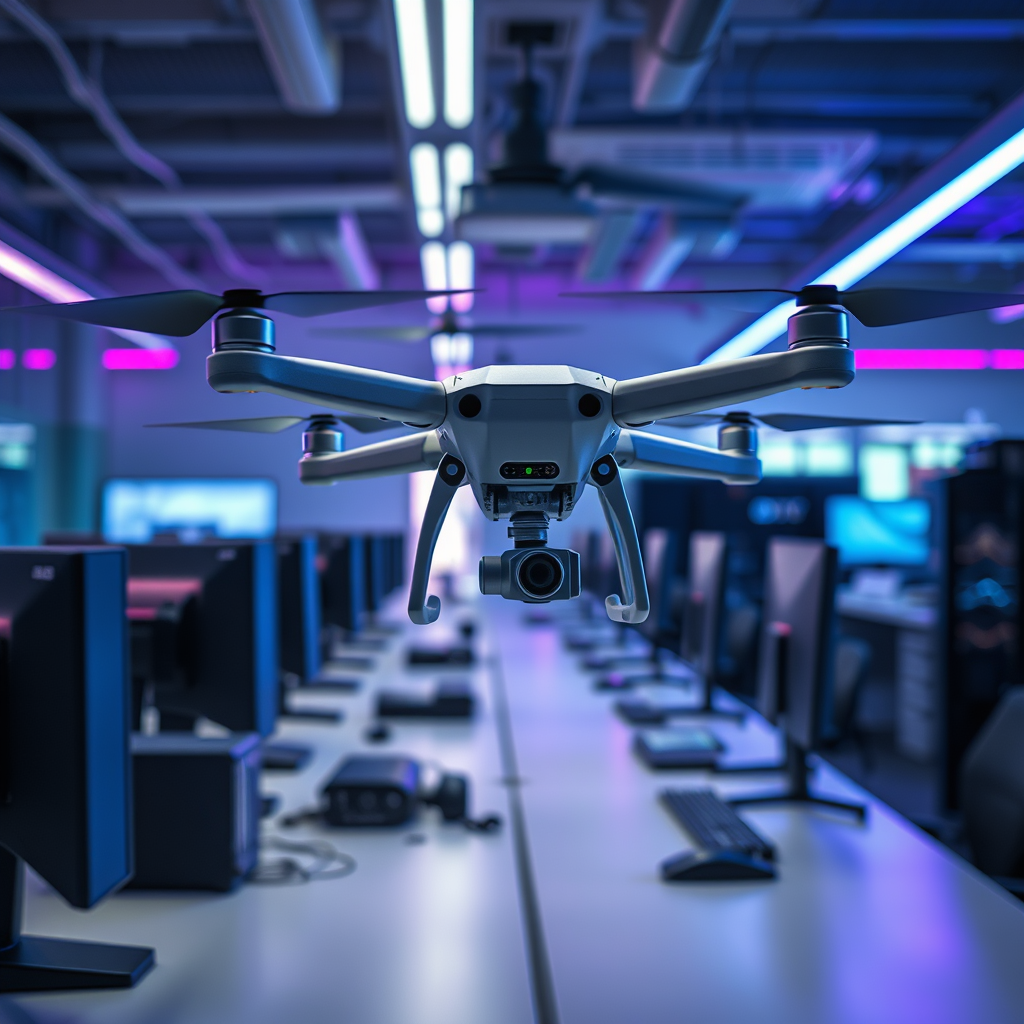
Drones can typically stay airborne for 20 to 30 minutes, depending on various factors such as battery life and payload. Understanding these elements is crucial for both hobbyists and professionals who rely on drones for a variety of applications. In this article, we will explore the different aspects that influence drone flight duration, from battery types to environmental conditions, providing you with comprehensive insights to maximize your drone’s airborne capabilities.
Understanding Drone Battery Life
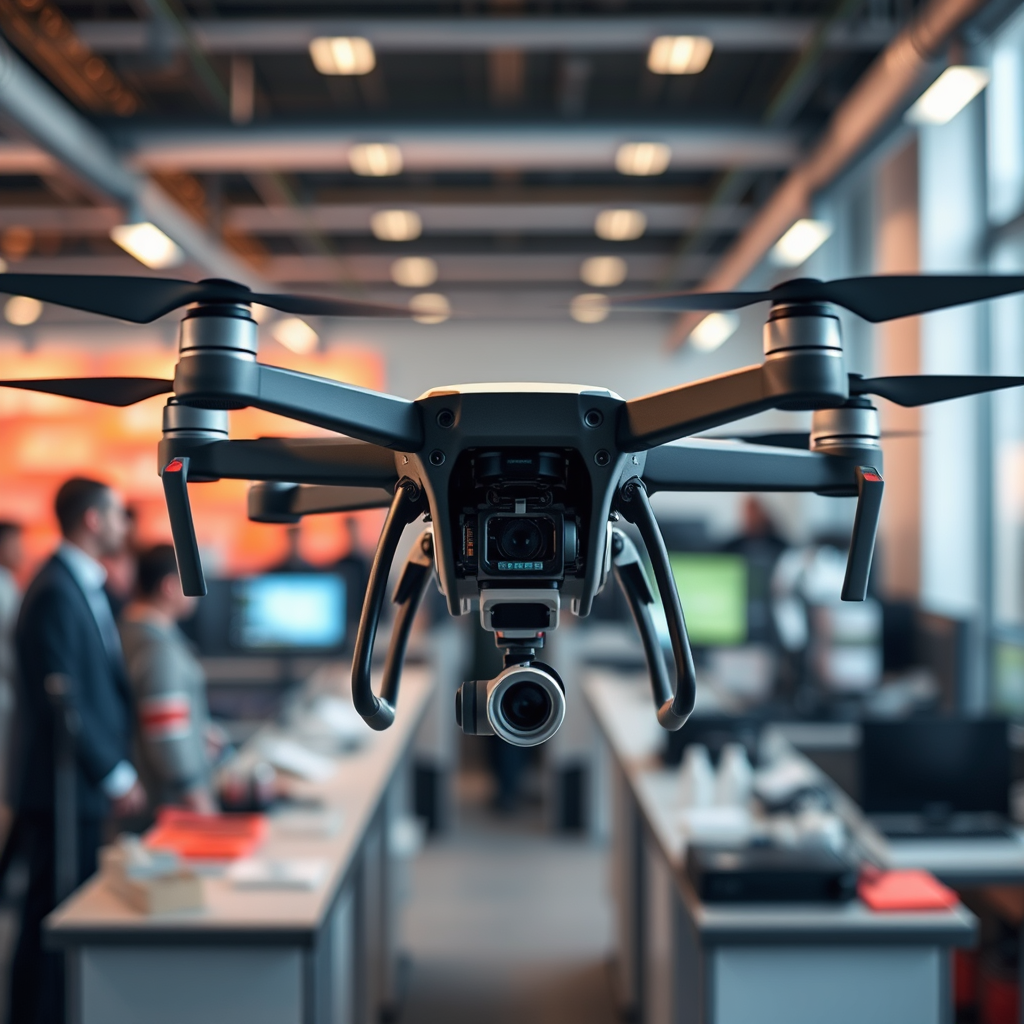
One of the most significant factors affecting drone flight time is the type of battery used. The two most common battery types in drones are Lithium Polymer (LiPo) and Nickel-Metal Hydride (NiMH). LiPo batteries are favored for their high energy density and lightweight characteristics, allowing for longer flight times and improved performance. In contrast, NiMH batteries tend to be heavier and less efficient, resulting in shorter flight durations.
Battery capacity, measured in milliamp hours (mAh), also plays a vital role in determining how long a drone can fly. Generally, a higher mAh rating indicates a greater ability to store energy, thus extending flight time. For instance, a drone equipped with a 3000 mAh battery may achieve a flight time of around 25 to 30 minutes, while one with a 1500 mAh battery might only manage 15 to 20 minutes. Therefore, selecting the right battery type and capacity is crucial for optimizing flight performance.
Factors Influencing Flight Time
Several external factors can impact the flight duration of drones. One of the most notable is the weight of the drone itself, including any additional payload. The more weight a drone carries, the more energy it requires to maintain altitude and maneuver, which can significantly shorten flight times. For instance, a drone designed for aerial photography that carries a heavy camera may see its flight time reduced by several minutes compared to a similar drone without any payload.
Weather conditions also play a critical role. High winds can increase drag and resistance, forcing the drone to use more battery power to stay stable. Similarly, extreme temperatures can affect battery performance; cold weather can reduce battery efficiency, while excessive heat may lead to overheating issues. Pilots should always check weather forecasts and consider environmental factors when planning a flight to ensure optimal performance.
Types of Drones and Their Flight Durations
Drones can be categorized into consumer drones, professional drones, and racing drones, each with varying flight durations. Consumer drones, often designed for casual users and hobbyists, typically offer flight times between 20 to 30 minutes. Popular models like the DJI Mini 2 and the Parrot Anafi exemplify this range with their robust battery performance.
Professional drones, used for commercial purposes such as surveying, mapping, and filmmaking, often feature enhanced battery life. Models like the DJI Matrice 300 RTK can achieve flight times of up to 55 minutes, thanks to their larger battery capacities and efficient design. These drones are engineered to carry heavier payloads while maintaining extended flight durations.
Racing drones, on the other hand, are built for speed and agility rather than long flight times. These drones usually fly for about 3 to 10 minutes, but they can reach astonishing speeds, making them suitable for competitive racing. Their design prioritizes weight reduction and responsiveness over battery life, showcasing the diversity within the drone market.
Enhancements for Longer Flight Times
To achieve longer flight times, drone enthusiasts can consider several upgrades and design enhancements. Upgrading to high-capacity batteries can provide significantly extended flight durations. For instance, some models allow for swapping out batteries with higher mAh ratings, which can be a simple yet effective solution for improving performance.
Aerodynamic designs can also enhance a drone’s efficiency, allowing it to cut through the air more effectively and reduce energy consumption. For example, drones with streamlined bodies and optimized propeller designs can maintain stability and lift with less power. Additionally, some drones come equipped with advanced flight modes that allow for energy-efficient flying, such as “return-to-home” features that minimize unnecessary maneuvering.
Real-World Examples of Flight Durations
When examining real-world flight durations, it is essential to consider actual performance versus manufacturer claims. The DJI Mavic Air 2, for example, is advertised with a flight time of up to 34 minutes. However, users often report an average flight time closer to 28 minutes under optimal conditions. Similarly, the Autel Robotics EVO Lite+ boasts a maximum flight time of 40 minutes, with many users confirming approximate durations of 30 to 35 minutes in real-world use.
Comparing these figures highlights the importance of understanding the conditions under which these drones operate. Factors such as flying style, payload, and environmental conditions can lead to discrepancies between advertised and actual flight times. Therefore, potential buyers should research user reviews and test results to gain a realistic expectation of drone performance.
Tips for Maximizing Drone Flight Duration
To maximize drone flight duration, users should implement a series of best practices. Conducting pre-flight checks is essential to ensure that all components are functioning correctly and that the battery is fully charged. Regular maintenance, including cleaning propellers and checking for any signs of wear, can also help maintain optimal performance.
Flying techniques play a significant role in conserving battery life. Maintaining a steady altitude, avoiding aggressive maneuvers, and flying in calmer weather conditions can help extend flight time. Additionally, employing features like GPS-assisted flight modes can minimize unnecessary power drain by stabilizing the drone’s position.
Finally, planning flights strategically, such as avoiding long distances or high-speed maneuvers, can help users get the most out of each battery charge. Understanding the drone’s capabilities and limitations will enable pilots to make informed decisions that enhance their overall flying experience.
In conclusion, while most drones can stay airborne for 20 to 30 minutes, understanding the various factors at play can help you optimize flight times. From battery types and payload considerations to environmental influences and maintenance practices, a comprehensive approach to drone management can significantly enhance performance. Whether you are a hobbyist or a professional, knowing how to maximize your drone’s capabilities is essential for getting the most out of your flying experience.
Frequently Asked Questions
How long can consumer drones typically stay airborne?
Most consumer drones can stay airborne for about 20 to 30 minutes on a single battery charge. However, this flight time can vary depending on factors such as the drone’s weight, battery capacity, and weather conditions. Advanced models with larger batteries or more efficient motors may achieve flight times of up to 40 minutes, but for optimal performance, users should keep extra batteries on hand for longer sessions.
What factors affect a drone’s flight time?
Several factors can significantly impact a drone’s flight time, including battery size, payload weight, flight conditions, and flight style. For instance, carrying additional equipment like cameras or sensors can reduce flight duration, while flying in windy conditions can also lead to increased energy consumption. Understanding these factors can help users optimize their drone’s performance and extend flight time.
Why do racing drones have shorter flight times compared to photography drones?
Racing drones prioritize speed and agility, which often requires more powerful motors and lighter materials, resulting in shorter flight times of approximately 3 to 10 minutes. In contrast, photography drones are designed for stability and efficiency, allowing them to maximize battery life for longer flights. This trade-off between performance and endurance is crucial for users to consider based on their intended use.
How can I extend my drone’s flight time during a session?
To extend your drone’s flight time, consider flying in optimal conditions, such as calm weather, and avoid aggressive maneuvers that drain battery quickly. Additionally, investing in high-capacity batteries or using battery-saving modes can help increase overall flight duration. Regular maintenance, such as keeping the propellers clean and ensuring the drone is lightweight, can also contribute to better performance and longer flights.
Which drones have the longest flight times available on the market?
Drones such as the DJI Mavic 3 or the Autel Robotics EVO Lite+ are known for their impressive flight times, reaching up to 46 minutes per charge under ideal conditions. These models combine advanced battery technology with efficient designs to maximize airborne time, making them ideal for aerial photography, surveying, and other professional applications. When selecting a drone, it’s important to consider both flight time and the specific features that meet your needs.
References
- https://en.wikipedia.org/wiki/Drone
- https://www.faa.gov/uas/getting_started/fly_for_fun
- https://www.nasa.gov/mission_pages/Global_Hawk/airborne.html
- https://www.sciencedirect.com/topics/engineering/unmanned-aerial-vehicle
- https://www.bbc.com/future/article/20200316-how-long-can-drones-fly
- https://www.researchgate.net/publication/331494873_Analysis_of_Battery_Life_in_UAVs
- https://www.airspacemag.com/technology/how-long-can-drones-fly-180973930/
- https://www.ncbi.nlm.nih.gov/pmc/articles/PMC7308540/
