
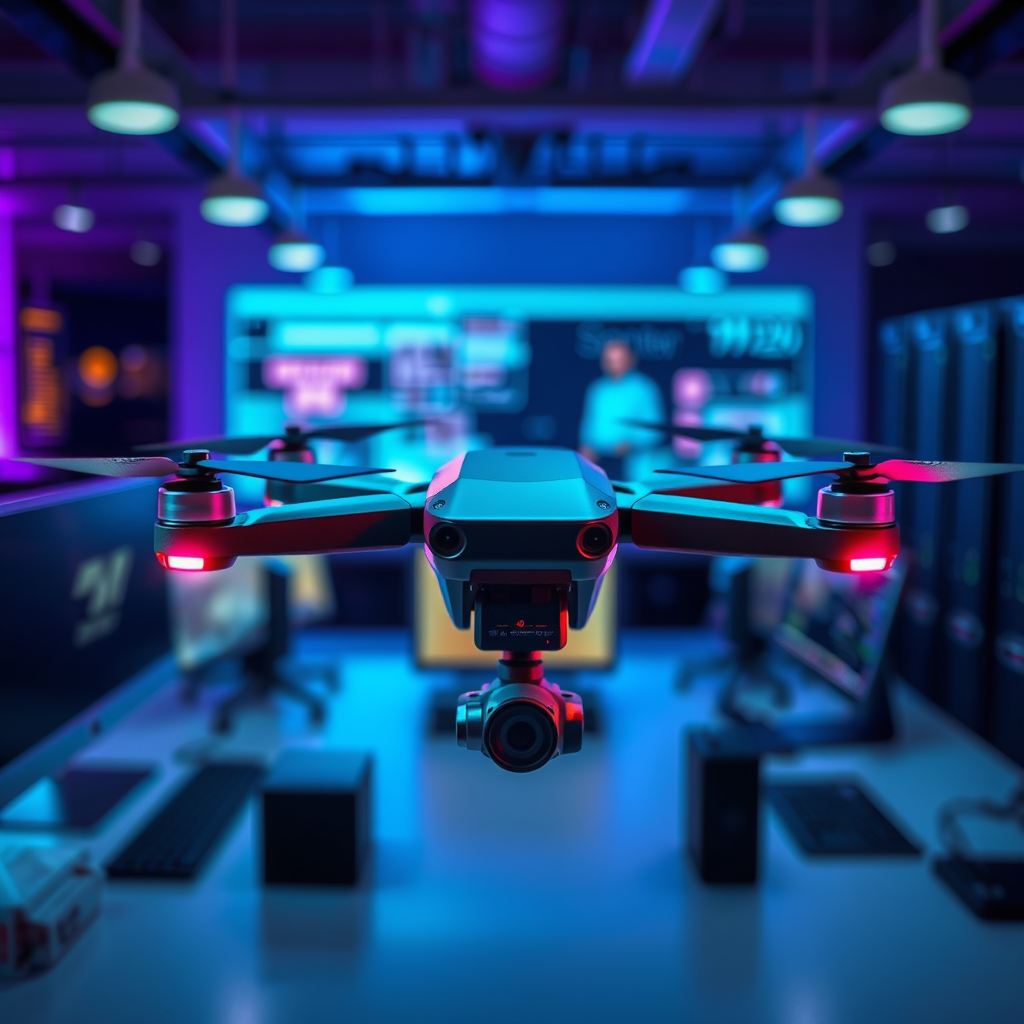
Most consumer drones can fly for about 20 to 30 minutes on a single charge, but this duration can vary significantly based on several factors including the drone model, battery capacity, and flying conditions. Understanding these elements can help you maximize your drone’s flight time and improve your overall flying experience. As drone technology continues to advance, being informed about these key factors will enable you to make better decisions when purchasing and operating your drone.
Battery Life and Capacity
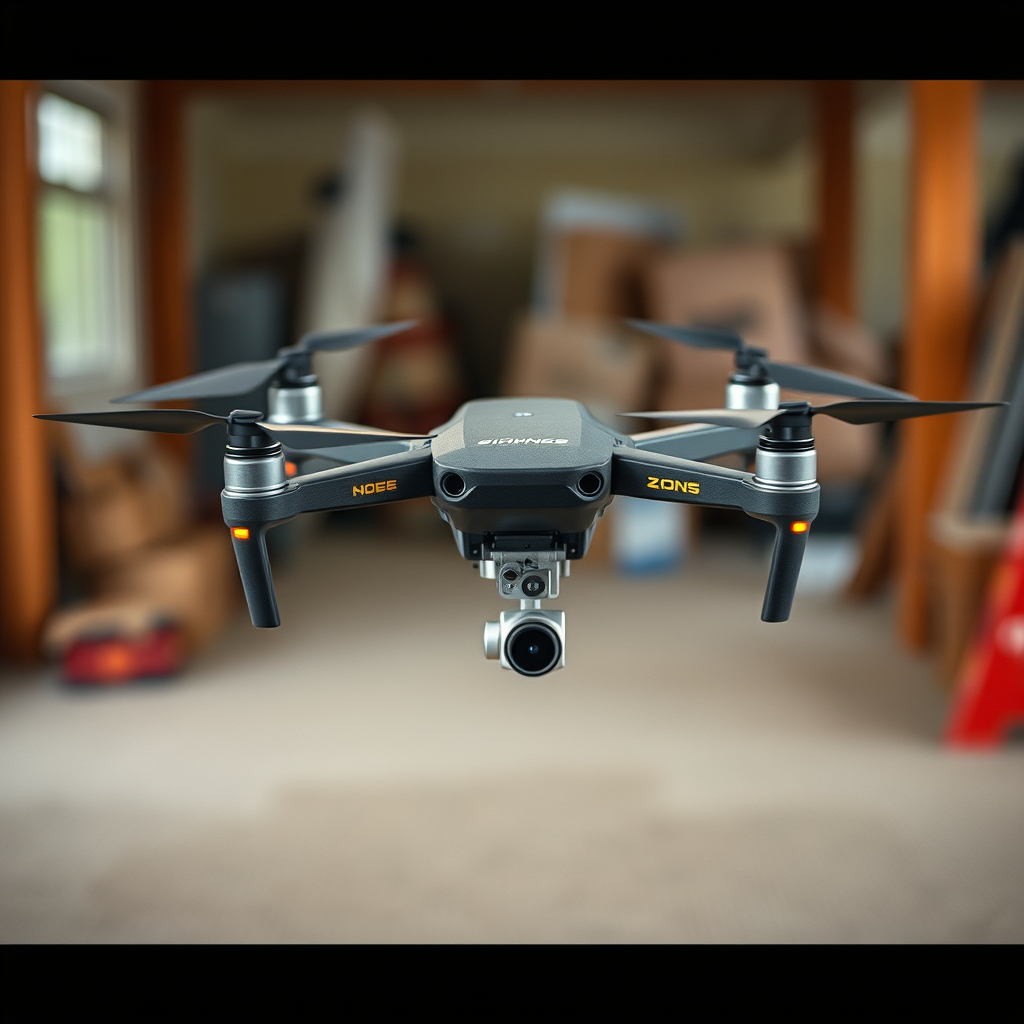
The battery is one of the most critical components influencing a drone’s flight time. Most drones utilize lithium polymer (LiPo) or lithium-ion (Li-ion) batteries, both of which offer distinct advantages and disadvantages. LiPo batteries are favored for their high discharge rates and lightweight properties, making them suitable for drones that require quick bursts of power. However, they can be more volatile if not handled correctly. On the other hand, Li-ion batteries are generally more stable and have a longer cycle life, but they may not provide the same level of performance under demanding conditions.
The capacity of a drone’s battery is measured in milliamp hours (mAh). A higher mAh rating typically translates to longer flight times, as it indicates the battery can store more energy. For instance, a drone equipped with a 3000mAh battery might achieve a flight time of approximately 25 minutes under ideal conditions, while a drone with a 1500mAh battery may only last around 12 minutes. Therefore, when evaluating a drone, it’s essential to consider not just the type of battery, but also its capacity to ensure it meets your flying needs.
Drone Weight and Design
The weight of a drone plays a significant role in determining its flight time. Heavier drones require more energy to lift into the air, which can lead to a faster depletion of the battery. For example, a drone that weighs 1.5 kg may only achieve a flight time of 15 minutes, while a lighter drone weighing 0.5 kg might fly for 30 minutes or more under similar conditions.
Additionally, the design of the drone can enhance its aerodynamics, leading to improved energy efficiency. Drones with streamlined shapes and features such as low-drag propellers can reduce air resistance, allowing them to glide through the air with less energy. For instance, racing drones often prioritize weight and aerodynamic design to maximize speed and efficiency, which indirectly contributes to longer flight times during less aggressive flying maneuvers.
Flying Conditions
External factors such as wind and weather can significantly impact a drone’s battery usage and overall stability. Flying in high winds requires more power to maintain stability and control, leading to increased battery consumption. For example, a drone that would typically fly for 25 minutes in calm conditions might only last 15 minutes in gusty weather. Similarly, adverse weather conditions such as rain or snow can affect both the performance and safety of the drone.
Altitude also plays a crucial role in a drone’s performance. As altitude increases, air density decreases, which can affect lift and battery consumption. Drones flying at high altitudes may need to work harder to maintain altitude, further draining the battery. Therefore, understanding the flying conditions is essential for planning flight durations and ensuring safe operation.
Usage Patterns
How a drone is flown can also influence flight time significantly. Aggressive maneuvers, such as rapid ascents, sharp turns, and high-speed flying, require more power and can lead to faster battery drain. For example, a drone performing stunts or racing may consume its battery in just 10-15 minutes under intensive use. Conversely, maintaining a smooth, steady flight pattern can enhance efficiency and potentially extend flight time by as much as 30%, allowing for a longer, more enjoyable flying experience.
Pilots can maximize flight time by planning their routes and maneuvers in advance, focusing on gentle ascents and descents, and avoiding sudden changes in direction. Additionally, utilizing features like GPS and altitude hold can help maintain a stable flight, conserving battery life.
Maintenance and Upkeep
Regular maintenance is essential to ensure that a drone’s batteries and components operate at peak performance. Periodic checks of the battery’s health, including monitoring for swelling or damage, can prevent unexpected failures during flights. Keeping the drone clean is also crucial; dirt or debris can create drag, which hampers efficiency and reduces flight time.
Moreover, ensuring that all moving parts, such as propellers and motors, are functioning correctly can contribute to better performance. For instance, replacing worn-out propellers can enhance lift and stability, thereby optimizing battery usage during flights. Regular firmware updates provided by manufacturers can also improve flight efficiency and battery management, contributing to longer flight durations.
Model Comparisons
When comparing drone models, it’s important to recognize that high-end drones often feature optimized flight times compared to budget options. Premium drones are typically designed with advanced technology that enables better energy management, leading to longer flight durations. For example, the DJI Mavic Air 2 boasts a flight time of up to 34 minutes thanks to its advanced battery technology and efficient design, while many entry-level models may only achieve 15-20 minutes.
Understanding the specifications and capabilities of various models can guide consumers in making informed decisions. Consumers should look for drones with higher battery capacities, favorable weight-to-power ratios, and advanced features designed to enhance flight efficiency. Reading user reviews and expert comparisons can also provide valuable insights into real-world performance.
In conclusion, while the average flight time for drones ranges from 20 to 30 minutes, various factors can influence this duration. Battery capacity, drone weight and design, flying conditions, usage patterns, maintenance practices, and model comparisons all play a vital role in determining how long a drone can fly. By considering these elements and adhering to best practices, you can optimize your drone’s performance and enjoy longer, more effective flights. Always refer to the manufacturer’s specifications for the most accurate information, and take care of your drone to enhance its capabilities in the long run.
Frequently Asked Questions
How long can a typical consumer drone fly on a single battery charge?
A typical consumer drone can fly for about 20 to 30 minutes on a single battery charge. Factors such as the drone’s design, weight, and battery capacity significantly influence flight time. Higher-end models may offer longer flight times, while smaller drones often have shorter durations due to their less powerful batteries.
What factors affect the flight time of a drone?
Several factors can affect a drone’s flight time, including battery capacity, drone weight, weather conditions, and flying style. For instance, flying in windy conditions or performing aggressive maneuvers can drain the battery faster. Additionally, the drone’s payload, such as cameras or other equipment, can decrease overall flight time.
Why do some drones have longer flight times than others?
Drones with longer flight times typically feature larger or more efficient batteries, advanced energy management systems, and lightweight designs that prioritize aerodynamics. Moreover, high-end models may utilize optimized propulsion systems that enhance efficiency, allowing them to maximize flight duration while maintaining performance.
What is the best drone for extended flight time?
The DJI Mavic 3 is often regarded as one of the best drones for extended flight time, boasting up to 46 minutes of flight on a single charge. Its advanced battery technology and efficient design make it suitable for serious aerial photography and videography. However, it’s essential to consider your specific needs and budget when choosing a drone for long flight times.
How can I extend the flight time of my drone?
To extend the flight time of your drone, consider flying in optimal weather conditions, reducing payload weight, and avoiding aggressive maneuvers that drain battery power. Regularly maintaining your drone, including keeping the battery healthy and ensuring propellers are clean and undamaged, can also enhance flight efficiency. Finally, investing in spare batteries can allow for longer flying sessions overall.
References
- https://en.wikipedia.org/wiki/Drone
- https://www.faa.gov/uas/
- https://www.nytimes.com/2020/01/01/business/drone-delivery.html
- https://www.reuters.com/article/us-tech-drones-insight-idUSKBN1A12J6
- https://www.sciencedirect.com/science/article/abs/pii/S2214574519300544
- https://www.nps.gov/subjects/drones/index.htm
- https://www.abc.net.au/news/science/2020-02-27/how-long-can-drones-fly/11992520
- https://www.dji.com/education/learn/what-is-a-drone
