
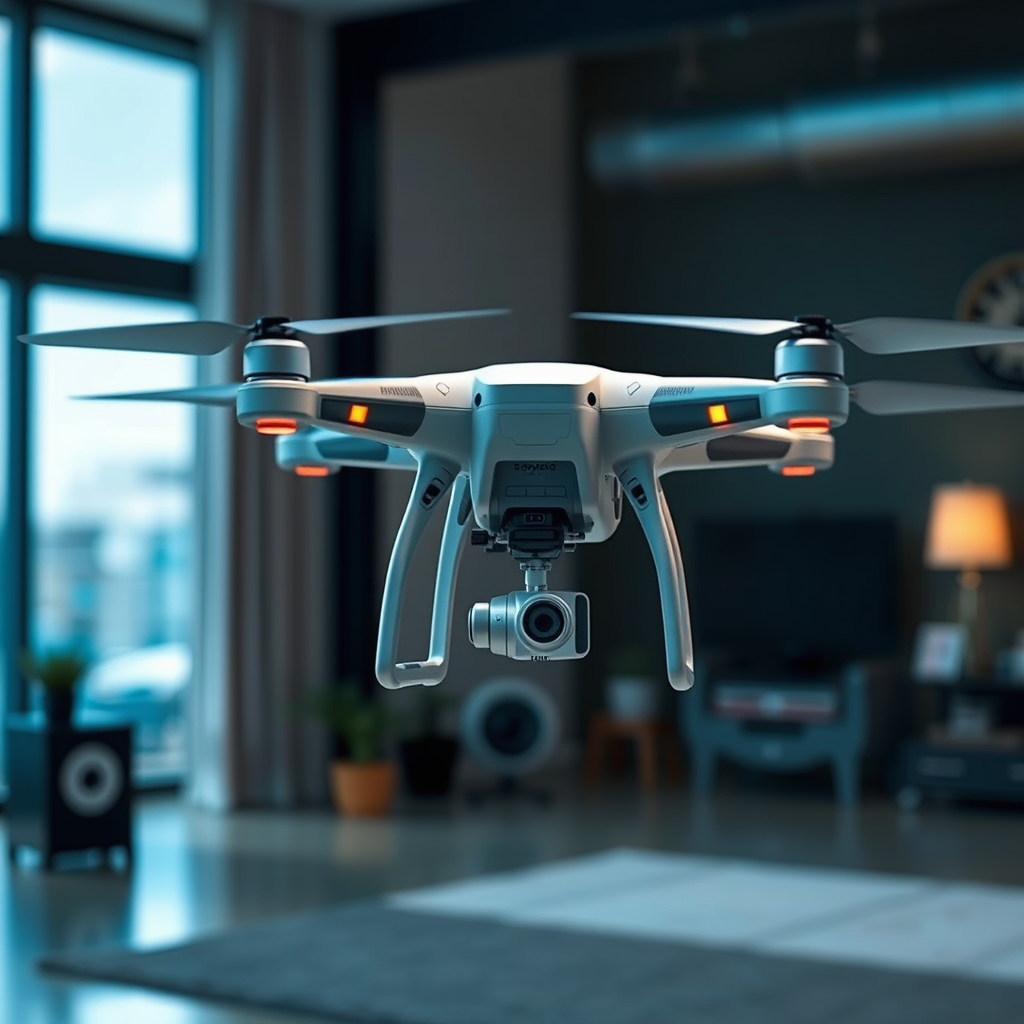
Drones can typically lift anywhere from a few ounces to over 1,000 pounds, depending on their design and purpose. The lifting capacity of drones varies greatly based on the type of drone, its intended use, and the technology incorporated into its design. In this article, we’ll explore the factors that influence a drone’s lifting capacity, the types of drones available, and their practical applications across various industries.
Understanding Drone Lift Capacity
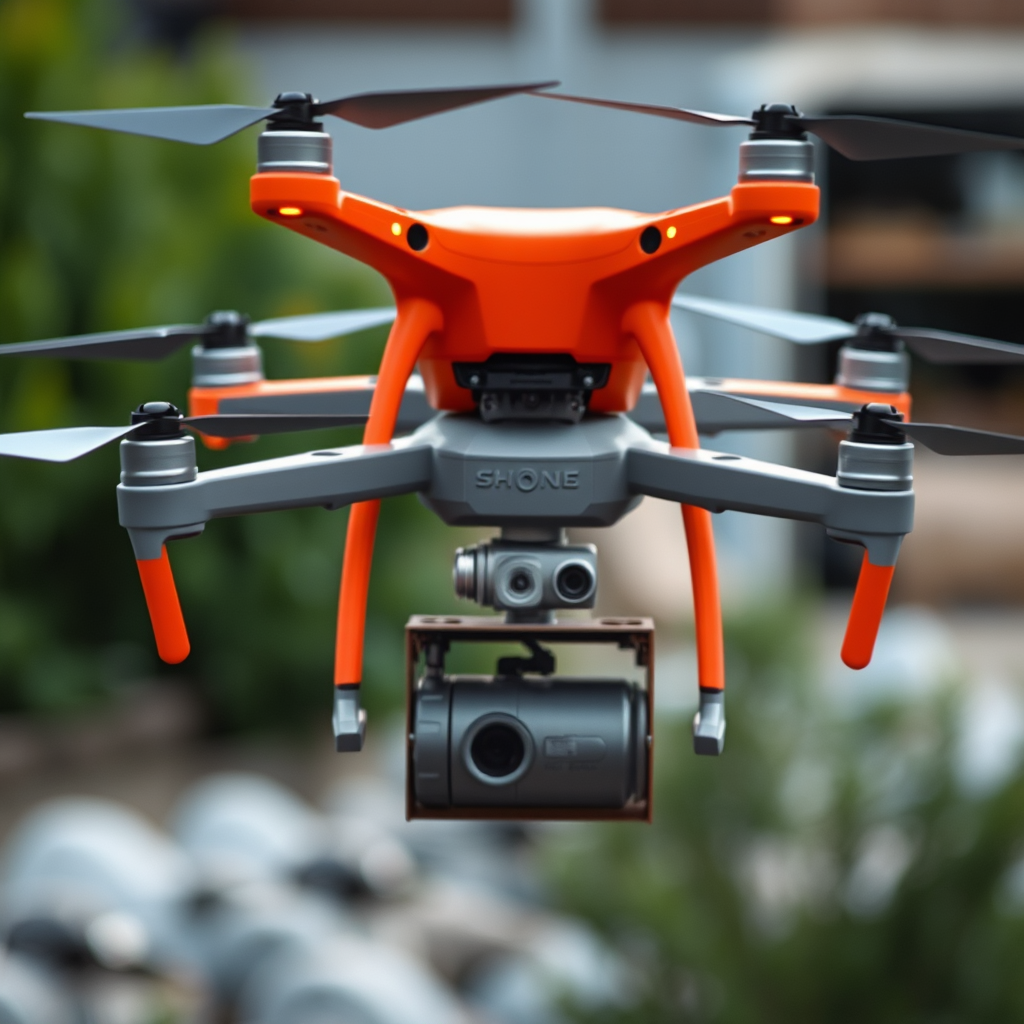
Lift capacity is a critical specification for any drone, directly impacting its usability in different scenarios. The amount of weight a drone can carry is largely determined by its design, size, and the technology used in its construction. For instance, multirotor drones, which are commonly used for aerial photography and recreational purposes, generally have lower lifting capabilities compared to fixed-wing drones, which are more suited for longer flights and heavier payloads. Manufacturers typically publish the maximum payload specifications for their models, allowing potential buyers to assess whether a particular drone meets their lifting needs. As drone technology continues to evolve, these specifications may increase, offering new possibilities for commercial and industrial applications.
Factors Affecting Lifting Capacity
Drone Design
The design of a drone plays a pivotal role in its lifting capabilities. Multirotor drones, which feature multiple rotors, are popular for their stability and ease of control but usually have a limited lifting capacity, ranging from a few ounces to around 20 pounds. On the other hand, fixed-wing drones are designed for efficiency over larger distances and can typically lift heavier payloads, often exceeding 50 pounds. The configuration of the drone, including rotor size, frame material, and aerodynamic design, all contribute to how effectively it can lift and maneuver heavy loads.
Battery Power
Another critical factor influencing a drone’s lifting capacity is its battery power. Drones equipped with higher capacity batteries can sustain longer flight times and handle heavier payloads. Advanced battery technologies, such as lithium polymer (LiPo) and lithium-ion batteries, provide improved energy density and weight-to-power ratios, allowing drones to lift more without excessively increasing their overall weight. The ongoing research and development in battery technology promise to enhance the lifting capacities of future drone models, making them even more versatile for various applications.
Types of Drones and Their Lifting Abilities
Consumer Drones
Consumer drones, primarily designed for recreational use, typically lift between 0.5 to 5 pounds. These drones are ideal for hobbyists interested in aerial photography, videography, or simply enjoying flight. Popular models, such as the DJI Mavic Mini, can carry lightweight cameras and accessories, but they are not equipped for heavy lifting.
Commercial Drones
For commercial purposes, drones are designed to perform specific tasks that often require greater lifting capabilities. These drones can lift between 5 to 50 pounds and are commonly used in industries such as agriculture, surveying, and construction. For instance, drones equipped with multispectral cameras for agricultural analysis can carry additional weight for improved data collection, enhancing crop monitoring and management.
Heavy-Lift Drones: The Powerhouses
Heavy-lift drones represent the pinnacle of drone technology, engineered specifically for carrying substantial loads. These specialized drones can carry over 100 pounds and are used in various industries, including agriculture, construction, and emergency services. For example, the Griff 300, a heavy-lift drone, is designed to carry medical supplies to remote locations or transport equipment to construction sites. Their robust construction and powerful motors allow them to operate effectively in challenging environments, making them indispensable tools for logistical operations and disaster response scenarios.
Practical Applications of Drones Lifting Capacity
Delivery Services
The rise of drone technology has sparked interest in using drones for delivery services. Companies like Amazon and UPS are exploring drone delivery systems that require specific lift capabilities to transport packages weighing up to 5 pounds or more. The ability to carry heavier loads over longer distances could revolutionize logistics and supply chain management, reducing delivery times and costs.
Search and Rescue
Drones with heavy-lift capabilities are also making a significant impact in search and rescue operations. In emergency situations, these drones can transport medical supplies, food, and other essential items to affected areas quickly and efficiently. For instance, during natural disasters, drones can deliver life-saving medications or supplies to hard-to-reach locations, demonstrating their critical role in enhancing emergency response efforts.
Regulations and Safety Considerations
As the use of drones expands, so do the regulations governing their operation. Legal limits on drone weight and lifting capacities vary by country and region, and operators must comply with these regulations to ensure safe flight operations. Additionally, safety protocols must be strictly followed when lifting heavy payloads, including pre-flight checks, load distribution assessments, and operator training. Adherence to these guidelines not only protects the operator but also ensures the safety of people and property in the vicinity.
Future Trends in Drone Lifting Technology
The future of drone lifting technology is promising, with advancements in battery technology and materials expected to significantly increase lifting capacities. The integration of artificial intelligence (AI) and automation into drone operations may also enhance performance and efficiency. Innovations such as smart load management systems and autonomous flight paths could streamline operations, allowing drones to carry out complex tasks more effectively. As these technologies evolve, we can anticipate a new generation of drones capable of lifting even more substantial loads, further expanding their applications across various industries.
In conclusion, understanding how many pounds a drone can lift is crucial for selecting the right model for your needs. Whether you’re considering a drone for personal use, commercial applications, or specific industries like delivery and emergency services, knowing the limits and capabilities can help you make informed decisions. As drone technology continues to advance, the potential for increased lifting capacities will open up new opportunities and applications, making drones an even more integral part of our modern world.
Frequently Asked Questions
What factors determine how many pounds a drone can lift?
The lifting capacity of a drone is primarily influenced by several factors, including the drone’s motor power, battery capacity, propeller size, and overall design. Additionally, the weight of the drone itself plays a critical role; a heavier drone will have less available power to lift additional payloads. For example, consumer-grade drones typically can lift between 0.5 to 5 pounds, while professional-grade drones may handle 10 to 20 pounds or more depending on their specifications.
How can I calculate the payload capacity of my drone?
To calculate the payload capacity of your drone, start by determining the maximum takeoff weight (MTOW) specified by the manufacturer. Subtract the drone’s own weight from this figure to find the payload capacity. For instance, if a drone has an MTOW of 15 pounds and weighs 5 pounds, the maximum payload it can carry is 10 pounds. Always ensure the total weight remains within safe limits to avoid performance issues.
Why is it important to know how much weight my drone can lift?
Understanding your drone’s lifting capacity is essential for safe and efficient operation. Exceeding the payload limits can lead to decreased flight performance, reduced battery life, and potential damage to the drone. Additionally, knowing how much weight your drone can lift helps in planning tasks such as aerial photography, surveying, or delivery services, ensuring that you do not overload the drone and compromise safety.
Which drones are best for lifting heavier payloads?
Drones designed for heavy lifting typically include industrial and commercial-grade models such as the DJI Matrice 600 or the Freefly Alta 8. These drones are engineered with powerful motors and larger propellers, allowing them to carry significant weights, often between 10 to 20 pounds or more. For specific applications like agriculture or construction, drones with specialized attachments or platforms can also be beneficial.
What types of payloads can drones safely carry?
Drones can safely carry a variety of payloads, including cameras for aerial photography, sensors for surveying, or even small packages for delivery services. The type of payload should be considered in relation to the drone’s lifting capacity and balance. It’s crucial to ensure that any payload is securely attached and does not alter the drone’s center of gravity, which could affect flight stability and safety.
References
- https://en.wikipedia.org/wiki/Drone
- https://www.faa.gov/uas/faq
- https://www.ncbi.nlm.nih.gov/pmc/articles/PMC6454180/
- https://www.sciencedirect.com/science/article/pii/S2351978917300931
- https://www.researchgate.net/publication/332195216_A_study_on_the_payload_capacity_of_drones
- https://www.nytimes.com/2018/04/02/technology/drones-lifting-payloads.html
- https://www.wired.com/story/drones-payload-capacity/
