
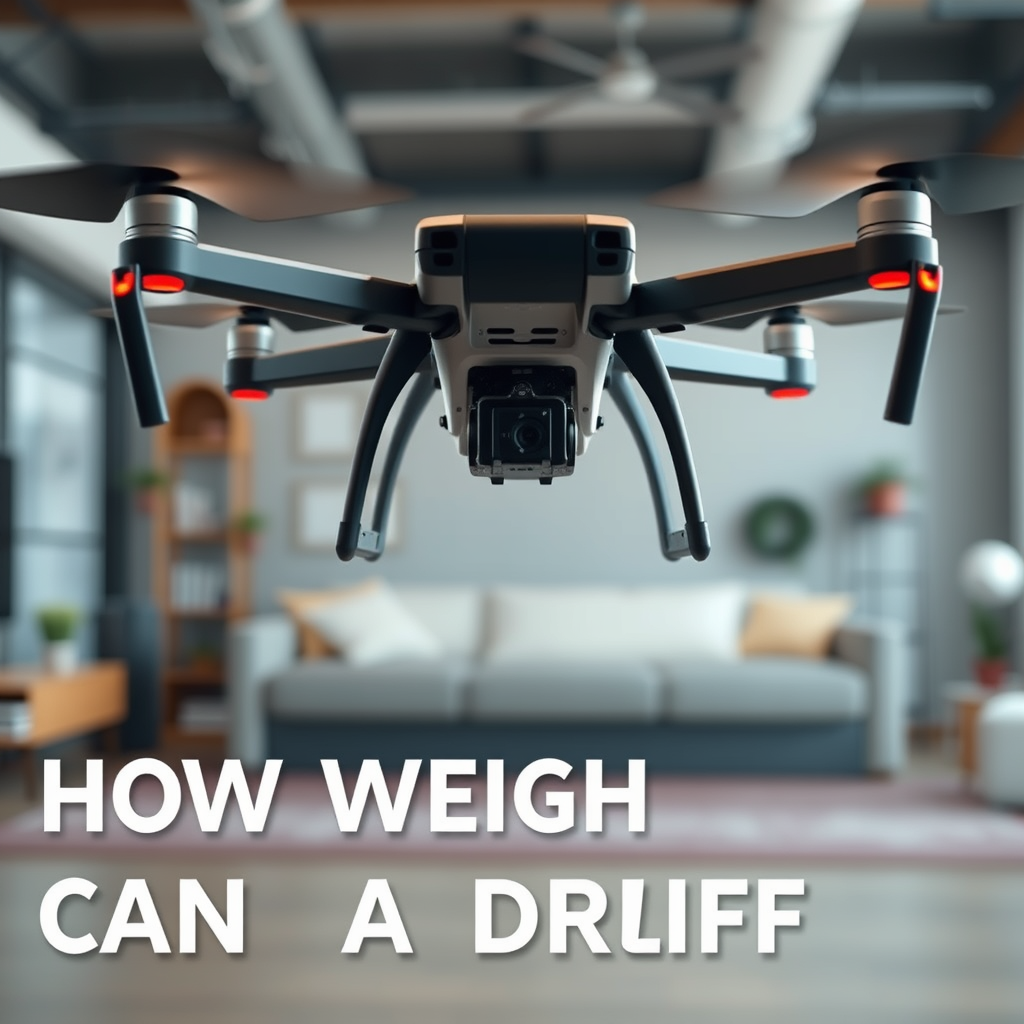
Drones can typically lift anywhere from a few ounces to several hundred pounds, depending on their size and design. This lifting capacity varies significantly based on several factors, including the drone’s motor strength, battery life, and overall design. Understanding the intricacies of a drone’s lifting capabilities is essential, especially for those considering using drones for commercial or recreational purposes. This article delves into the various aspects that influence a drone’s lifting power, the types of drones available, and their diverse applications across different industries.
Understanding Drone Lift Capacity
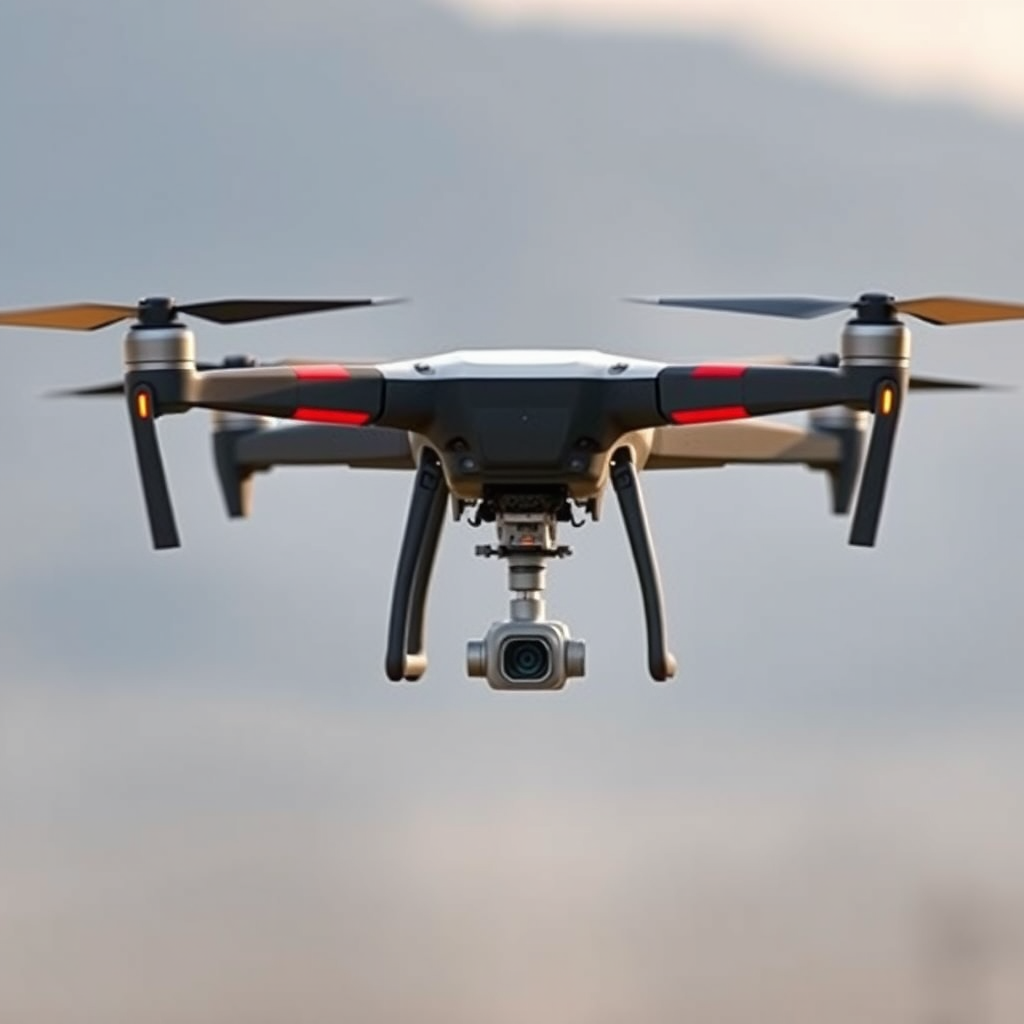
Drones are categorized by their weight class, which plays a critical role in determining their lifting power. Generally, drones can be classified into three main categories: micro, mini, and heavy-lift drones. Micro drones, often used for simple tasks such as casual photography, typically have a lift capacity of less than one pound. Mini drones, which are popular among hobbyists, can lift between 0.5 to 5 pounds. On the other hand, heavy-lift drones, designed for industrial applications, can carry loads exceeding 50 pounds.
Several factors influence a drone’s lift capacity, including motor strength, battery life, and overall design. The motors are responsible for generating thrust, and the more powerful the motors, the greater the lift capacity. Battery life is also crucial; a drone must have sufficient battery power to maintain its lift performance over time. Additionally, the design of the drone, including its frame material and aerodynamics, can significantly impact its efficiency and lifting capabilities.
Types of Drones and Their Lifting Abilities
Consumer drones, which are widely available and often used for personal use, generally have lifting capabilities that range from 0.5 to 5 pounds. These drones are ideal for tasks such as aerial photography, recreational flying, and small package delivery. Examples include popular models like the DJI Mavic Air and the DJI Phantom series, both of which excel in lifting lightweight cameras and other accessories for photography enthusiasts.
Professional drones, on the other hand, are engineered for heavy-duty tasks and can lift substantially more, often up to 50 pounds or more. These drones are employed in applications such as agricultural monitoring, surveying, and construction. Models like the DJI Matrice 600 and the Freefly Alta 8 are designed specifically for professional use, with capabilities to carry heavy payloads, including high-end cameras and sensor equipment for detailed aerial mapping and monitoring.
Factors Affecting a Drone’s Lifting Power
The lifting power of a drone is influenced by several factors beyond just its weight class. The drone’s own weight and build materials are significant; a heavier drone will require more thrust to lift off the ground. Lightweight materials such as carbon fiber or high-strength plastics are often used in the construction of drones to optimize their lifting capabilities.
Environmental conditions also play a crucial role in a drone’s performance. Weather factors such as wind speed and temperature can affect lift. For instance, high winds can create turbulence, leading to instability during flight and potentially causing a drone to struggle with its lifted payload. Altitude is another critical factor; as elevation increases, the air becomes thinner, reducing the lift generated by the drone’s rotors. Additionally, the battery level is vital; a low battery can lead to reduced thrust and, consequently, decreased lifting capacity, making it essential to monitor battery life during operation.
Common Applications for Drones Based on Lift Capacity
Lightweight drones find extensive use in photography and recreational pursuits. Their ability to easily carry compact cameras makes them popular among hobbyists and professionals alike who require aerial shots. Moreover, these drones are increasingly used for drone racing and educational purposes, allowing users to explore and understand aerial technology.
In contrast, heavy-lift drones are employed in various industries, including agriculture, construction, and emergency services. In agriculture, for example, drones equipped with advanced sensors can monitor crop health and apply fertilizers or pesticides over large areas, significantly improving efficiency. In construction, heavy-lift drones can transport materials and tools to hard-to-reach locations, streamlining workflows. Emergency services utilize these drones for search and rescue missions, where they can carry essential supplies or sensor equipment to assist in locating missing persons or assessing disaster areas.
Safety Considerations When Using Drones for Lifting
When operating drones for lifting tasks, adhering to weight limits is crucial to prevent accidents and equipment damage. Overloading a drone can lead to mechanical failure, loss of control, or crashes, posing risks to both the operator and bystanders. It is essential to consult the manufacturer’s guidelines regarding weight limits and to perform pre-flight checks to ensure the drone is not overloaded.
Additionally, following local regulations and guidelines is vital for safe operation. Many countries have established stringent regulations governing drone usage, especially concerning commercial applications. Operators should familiarize themselves with local laws, including no-fly zones, altitude restrictions, and requirements for obtaining licenses or permits. Safety training and certification programs are also recommended for those operating drones for commercial purposes to ensure compliance and safe practices.
Future Trends in Drone Lifting Technology
As technology continues to advance, innovations in battery technology are expected to enhance drone lift capabilities significantly. Research into more efficient battery designs, such as lithium-sulfur and solid-state batteries, may lead to increased energy density, allowing drones to carry heavier payloads for longer durations. This could revolutionize industries that rely on drones for logistics and transportation.
The rise of autonomous drones is another trend that may expand their lifting applications across various sectors. With the development of artificial intelligence and machine learning algorithms, drones could perform complex lifting tasks without human intervention. This autonomy could improve efficiency in industries such as delivery services and agriculture, where drones could operate in challenging environments and complete tasks faster and more effectively than human operators.
In conclusion, understanding how much weight a drone can lift is essential for selecting the right model for your needs. Whether for personal use or industrial applications, knowing the capacity helps ensure effective and safe operation. As drone technology continues to evolve, the lifting capabilities are likely to improve, creating new opportunities across various fields. If you’re considering a drone purchase, evaluate your lifting requirements carefully to choose the best option that aligns with your intended use.
Frequently Asked Questions
What factors determine how much weight a drone can lift?
The lifting capacity of a drone primarily depends on its motor power, frame design, battery capacity, and overall weight. High-performance drones equipped with robust motors and efficient propellers can lift heavier payloads. Additionally, the type of materials used in the drone’s construction, as well as the battery’s energy density, also play a crucial role in determining its maximum lift capacity.
How much weight can a consumer drone typically lift?
Most consumer drones can lift around 0.5 to 2.5 kilograms (1 to 5.5 pounds) depending on their specifications and design. For example, popular models like the DJI Phantom can lift approximately 1.5 kilograms, making them suitable for carrying lightweight cameras and accessories. However, it’s essential to check the manufacturer’s guidelines for the specific model to ensure safe and optimal performance.
Why is it important to know a drone’s lift capacity?
Understanding a drone’s lift capacity is critical for safe operation and effective payload management. Exceeding the weight limit can lead to decreased flight performance, reduced battery life, and potential damage to the drone. Moreover, knowing the lift capacity helps users plan their aerial photography, surveying, or package delivery tasks more effectively, ensuring that they choose a drone that meets their needs.
What is the best drone for heavy lifting?
The best drone for heavy lifting is typically the DJI Matrice 600, which can carry payloads up to 6 kilograms (13.2 pounds). This professional-grade drone is designed for industrial applications, including aerial cinematography and surveying. Other options include the Freefly Alta 8 and the Yuneec Typhoon H, both known for their impressive lift capacities and stability during flight.
Which drones are suitable for carrying cameras and other equipment?
Drones like the DJI Inspire 2 and the Autel Robotics EVO Lite are excellent choices for carrying cameras and other equipment, as they offer substantial lift capabilities and stability. The Inspire 2 can lift a payload of up to 1.25 kilograms (2.8 pounds), making it compatible with high-end cameras. When selecting a drone for equipment transport, always consider the total weight of the camera and accessories to ensure it stays within the drone’s lift capacity.
References
- https://en.wikipedia.org/wiki/Drone
- https://www.faa.gov/uas/getting_started/part_107/
- https://www.nationalgeographic.com/science/article/drones
- https://www.ncbi.nlm.nih.gov/pmc/articles/PMC6890902/
- https://www.sciencedirect.com/science/article/abs/pii/S2212670918300655
- https://www.nasa.gov/feature/what-is-a-drone
- https://www.aaai.org/ojs/index.php/aimagazine/article/view/1660
