
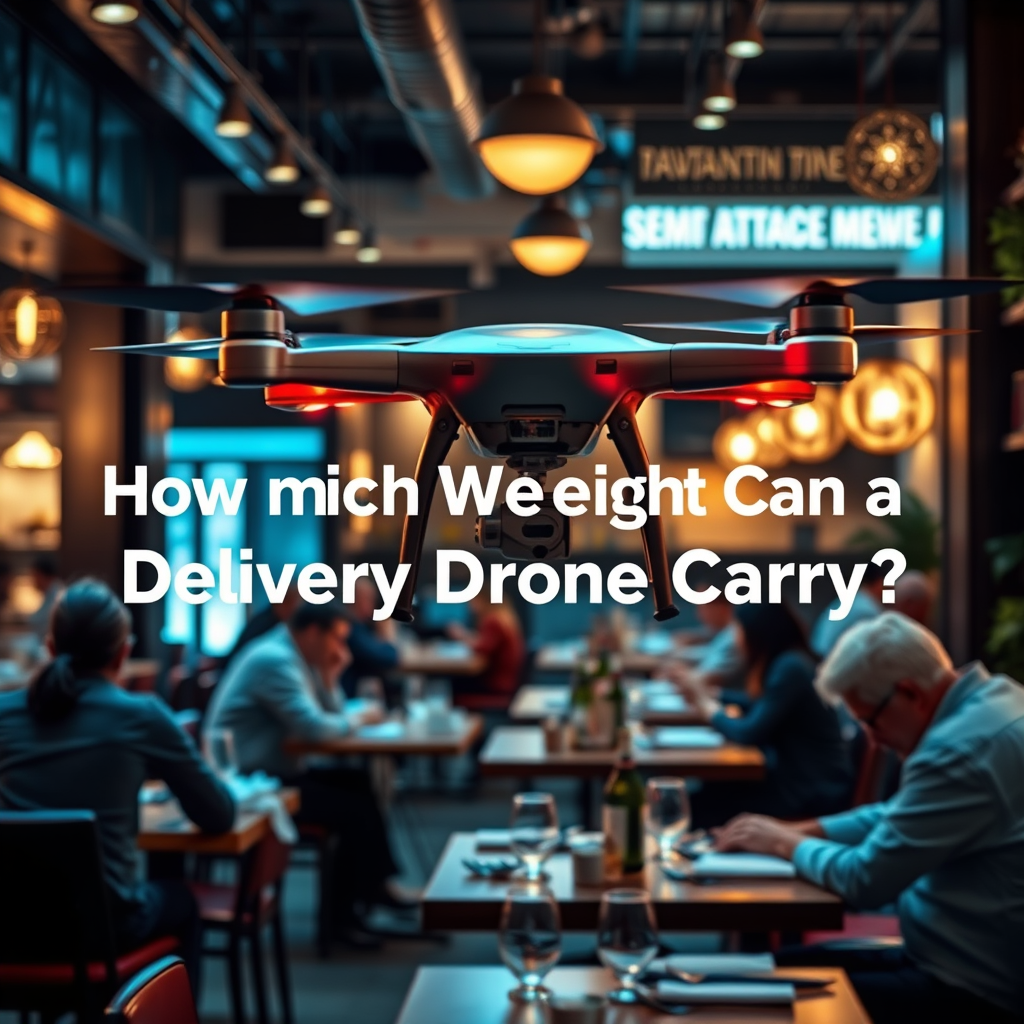
Delivery drones can typically carry between 2 to 10 pounds of cargo, depending on the model and design specifications. This capacity allows them to transport small packages, food, medical supplies, and more, making them a versatile tool for modern logistics. With advancements in technology, these aerial vehicles are evolving to meet various delivery needs across industries. In this article, we will explore the various factors that influence the carrying capacity of delivery drones, their types, and their real-world applications.
Understanding Drone Weight Limits
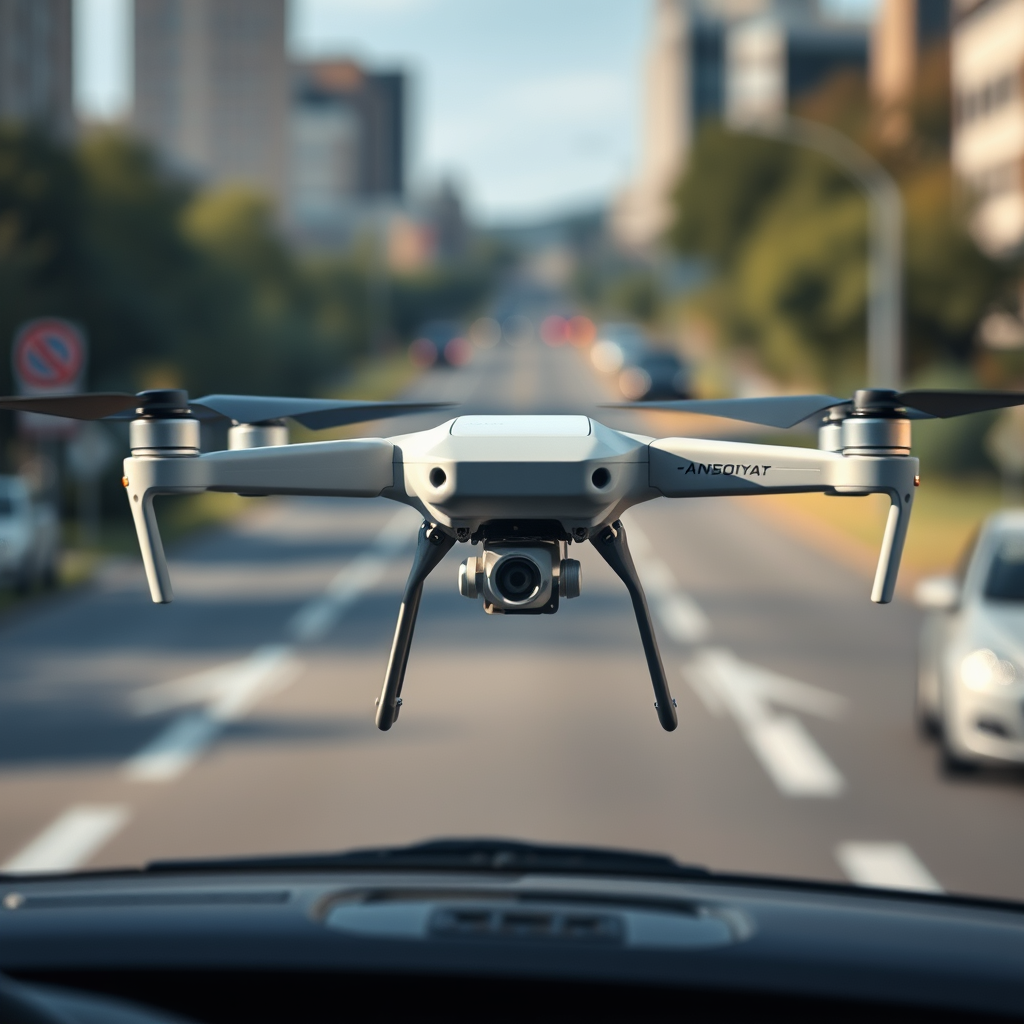
Most commercial delivery drones have payload limits ranging from 5 to 10 pounds, with variations depending on the model. For instance, smaller consumer drones are often limited to 2 to 5 pounds, which makes them suitable for individual deliveries like food or small parcels. In contrast, more specialized drones designed for commercial use can carry heavier loads, up to 10 pounds or more, accommodating larger packages or multiple items in a single trip.
Several factors influence these weight limits. Battery life is paramount; heavier payloads typically require more power, potentially reducing the distance the drone can travel. The design and materials used in constructing the drone also play a significant role. For example, a drone made from lightweight composite materials may carry more weight than one made from heavier metals, all while maintaining structural integrity during flight. As a result, manufacturers are constantly innovating to find the balance between weight, power, and efficiency in drone design.
Types of Delivery Drones
Delivery drones can generally be classified into two main categories: multi-rotor and fixed-wing drones. Each type has its specific advantages and use cases that align with varying delivery demands.
Multi-rotor drones are the more common choice for short-distance deliveries. Equipped with multiple rotors, they are agile and capable of hovering, which allows for precise drop-offs in densely populated areas or urban environments. For example, companies like DoorDash have utilized multi-rotor drones to deliver food quickly and efficiently within city limits. Their payload capacities typically range from 5 to 10 pounds, making them suitable for meal kits, groceries, or small packages.
On the other hand, fixed-wing drones are designed for longer distances and can carry heavier loads, making them ideal for rural or expansive delivery routes. These drones resemble traditional aircraft and use aerodynamic lift to travel efficiently over greater distances. For example, Wing, a subsidiary of Alphabet Inc., has developed fixed-wing drones capable of carrying up to 7 pounds over several miles, facilitating deliveries of medical supplies and other essential goods to remote areas. The choice between multi-rotor and fixed-wing drones ultimately depends on the specific logistics requirements of the delivery service.
Factors Affecting Carrying Capacity
Several critical factors influence the carrying capacity of delivery drones, significantly impacting their efficiency and effectiveness in transporting goods.
Battery size and weight: The battery is one of the heaviest components of a drone, and its size directly affects how much weight the drone can carry. Larger batteries provide more power but also add weight, which could limit the payload capacity. Manufacturers are exploring lighter battery technologies, such as lithium-sulfur and solid-state batteries, which promise to enhance energy density and reduce weight.
Design and aerodynamics: The drone’s design significantly impacts its aerodynamics, influencing both its speed and payload capabilities. A well-designed drone will have a streamlined shape that reduces drag, allowing it to carry heavier loads without compromising flight efficiency. Innovations in drone design, such as using advanced computational fluid dynamics (CFD) in the development process, are helping engineers create drones that maximize payload while minimizing air resistance.
Environmental factors: Weather and environmental conditions can also influence a drone’s carrying capacity. For instance, strong winds or rain can affect flight stability and performance, potentially necessitating a reduction in payload. Moreover, temperature can impact battery efficiency, further complicating the logistics of drone deliveries.
Real-World Applications of Delivery Drones
The versatility of delivery drones has led to their application across various sectors, demonstrating their potential to revolutionize logistics.
Food delivery: Companies like Uber Eats and DoorDash are leveraging delivery drones to expedite food delivery services, especially in urban areas where traffic congestion can delay traditional vehicle deliveries. Drones can navigate through the air quickly, ensuring food arrives hot and fresh.
Medical supplies: Drones have proven invaluable in healthcare logistics, particularly in remote or underserved areas. Zipline, for instance, has been delivering blood and vaccines to rural clinics in countries like Rwanda and Ghana, significantly reducing delivery times and increasing access to essential medical supplies. Their drones can carry payloads of around 4 pounds, which is sufficient for several units of blood or critical medications.
E-commerce logistics: E-commerce giants like Amazon and UPS are actively testing and deploying delivery drone services to improve last-mile delivery efficiency. Amazon’s Prime Air aims to deliver packages under 5 pounds in 30 minutes or less, which can dramatically enhance the customer experience. The versatility of drones allows for quick and efficient delivery of everything from electronics to clothing.
Regulatory Considerations
The operation of delivery drones is governed by a complex framework of regulations established by aviation authorities such as the Federal Aviation Administration (FAA) in the United States. These regulations dictate various aspects, including weight limits, flight altitudes, and operational guidelines for commercial drone operations.
For instance, the FAA mandates that commercial drones must weigh less than 55 pounds, including the payload. Additionally, drone operators must obtain a Remote Pilot Certificate, ensuring that they understand the rules and responsibilities associated with flying drones. Compliance with local laws is also crucial, as municipalities may have their regulations regarding drone operations, particularly in urban settings.
As the use of delivery drones expands, ongoing discussions among regulators, industry stakeholders, and communities will be essential to develop frameworks that promote safety while encouraging innovation.
Future Trends in Drone Technology
The future of delivery drones is promising, with several emerging trends poised to enhance their capabilities and broaden their applications.
Innovations in battery technology: As previously mentioned, advancements in battery technology hold the potential to significantly increase payload capacities and flight times. Research into lighter, more efficient batteries could enable drones to carry heavier loads over longer distances without compromising performance.
Development of hybrid drones: Hybrid drones, which combine the features of multi-rotor and fixed-wing designs, represent another exciting trend. These drones could take off and land vertically like multi-rotors while achieving greater efficiency and speed during horizontal flight like fixed-wing drones. This versatility could make them suitable for a wide range of applications across various sectors.
Integration with AI and machine learning: The integration of artificial intelligence and machine learning into drone operations is set to revolutionize delivery logistics. Advanced algorithms could optimize flight paths in real-time, improve obstacle avoidance, and enhance the overall efficiency of delivery services. This technology could also enable autonomous operations, allowing drones to deliver packages without human intervention.
In conclusion, the carrying capacity of delivery drones is influenced by multiple factors, including design, battery technology, and regulatory frameworks. As technology continues to advance, we may see significant improvements in their capabilities, allowing for greater weight capacities and broader applications in various industries. Staying informed about the latest developments in drone technology will be essential for businesses and consumers alike, as these innovations are poised to transform logistics and delivery services in the coming years.
Frequently Asked Questions
What is the typical weight capacity of a delivery drone?
The typical weight capacity of a delivery drone varies widely depending on its design and purpose. Most commercial delivery drones can carry between 5 to 10 pounds, while advanced models designed for larger deliveries can handle up to 50 pounds or more. It’s essential to consider the drone’s specifications, as factors like battery life, range, and payload capacity can significantly affect its performance.
How do delivery drones manage weight distribution for safe flights?
Delivery drones use advanced engineering and design to manage weight distribution effectively. They are equipped with sensors that help maintain balance during flight, adjusting rotors and thrust accordingly. Many drones also have designated cargo areas that ensure the load is centered, preventing any imbalance that could lead to crashes or delivery failures.
Why is payload capacity important for delivery drones?
Payload capacity is crucial for delivery drones because it determines the types and quantities of goods they can transport. A higher payload capacity allows drones to deliver a wider array of products, from food and medical supplies to larger retail items. Furthermore, understanding payload limits helps businesses optimize their delivery operations to meet customer demand efficiently.
What are the best delivery drones for heavy payloads?
Some of the best delivery drones for heavy payloads include the DJI Matrice 600, which can carry up to 13 pounds, and the Wingcopter 178, with a payload capacity of around 13 pounds as well. Additionally, the Amazon Prime Air drone, designed for future use, aims to handle packages weighing up to 5 pounds. These drones are engineered for stability and efficiency when transporting heavier items.
Which industries benefit the most from using delivery drones with high payload capacities?
Industries such as healthcare, food delivery, and e-commerce benefit significantly from delivery drones with high payload capacities. In healthcare, drones can transport medical supplies, vaccines, and even organs for transplantation, while the food delivery sector uses drones to quickly deliver meals. E-commerce businesses leverage high-capacity drones to deliver larger items, enhancing customer satisfaction with faster service and expanded product offerings.
References
- https://en.wikipedia.org/wiki/Drone_delivery
- https://www.faa.gov/uas/recreational_fliers/
- https://www.reuters.com/business/aerial-delivery-drones-are-they-ready-take-off-2021-05-10/
- https://www.nyserda.ny.gov/About/Newsroom/2021-Announcements/2021-04-27-NY-State-Launches-Drone-Delivery-Pilot-Program
- https://www.georgia.gov/blog/2021-03-16/georgia-approves-drone-delivery-pilot-program
- https://www.bbc.com/news/business-58034395
- https://www.sciencedirect.com/science/article/pii/S2352146517300130
- https://www.nap.edu/catalog/24666/drone-delivery-of-medical-supplies-in-rural-areas
- https://www.theguardian.com/technology/2021/jun/09/drone-delivery-what-to-know
- https://www.wired.com/story/drone-delivery-weight-limit/
