
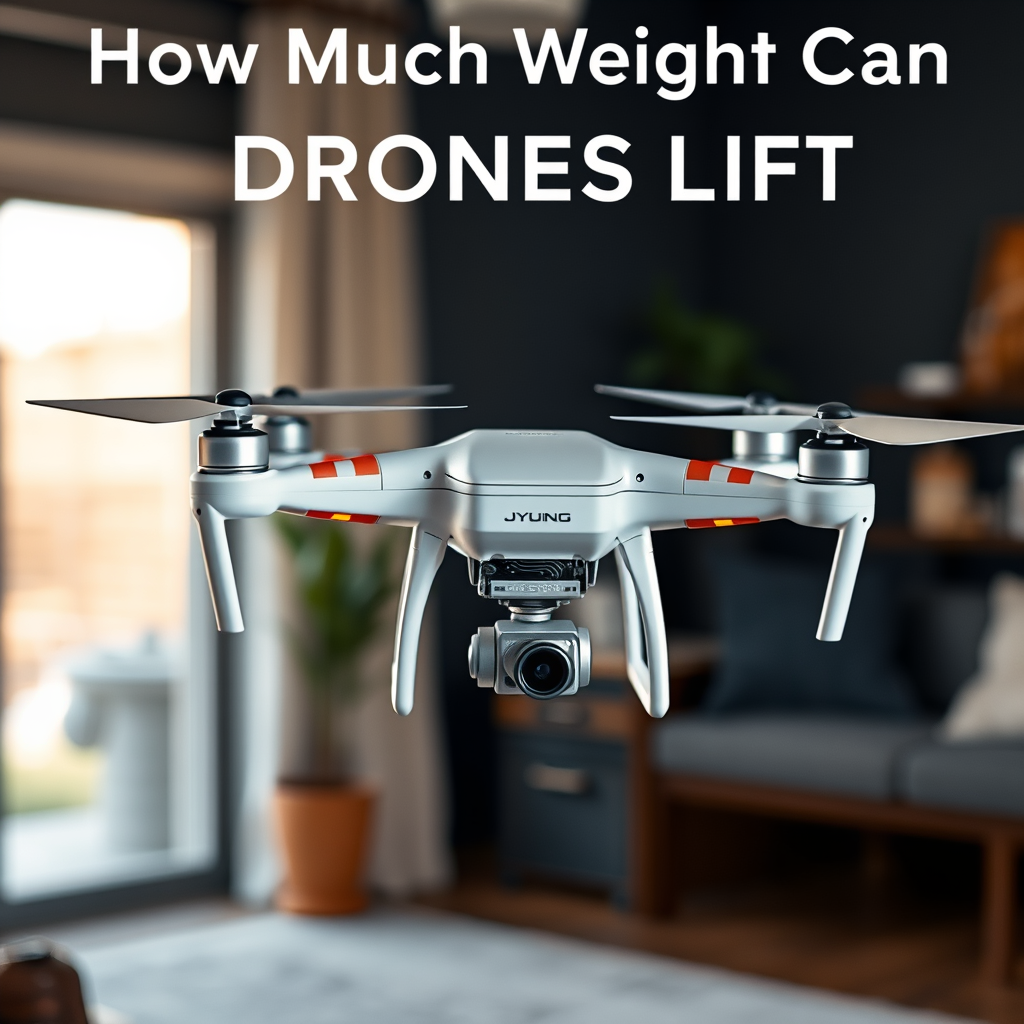
Drones can typically lift between 0.5 to 500 pounds, depending on their size and design. This lifting capacity varies widely among different types of drones, making it essential to understand specific models for various applications. In this article, we’ll delve into the factors affecting drone lifting capabilities and provide insights into the best options for your needs.
Understanding Drone Classes
Drones are categorized into several classes, including micro, mini, and professional. Each class has different lifting capacities suited for specific tasks, from recreational use to industrial applications.
Micro drones, often used for educational purposes and hobbyist activities, typically have a lifting capacity of less than 1 pound. These drones are lightweight and agile, making them ideal for indoor flying and basic photography. Mini drones, on the other hand, can range from 1 to 5 pounds and are popular among enthusiasts for aerial photography and videography.
Professional drones, designed for commercial use, can lift significantly heavier payloads, often ranging from 10 pounds up to 500 pounds or more. These drones are equipped with powerful motors, robust frames, and advanced technology to handle demanding tasks such as agricultural monitoring, infrastructure inspections, and emergency deliveries. Understanding these classes is crucial for selecting a drone that meets your specific lifting requirements.
Factors Influencing Lifting Capacity
Several factors influence the lifting capacity of a drone, including payload weight, battery life, and motor power.
Payload weight is the total weight that includes the drone’s own weight plus any additional cargo. Overloading a drone can adversely affect its performance and flight time. Battery life is another critical factor; a drone with a heavier payload will consume more battery power to maintain stability and altitude, leading to shorter flight times.
Motor power plays a significant role in lifting capacity as well. Drones with high-performance motors are designed to handle heavier loads, offering a more reliable flying experience. Additionally, environmental conditions such as wind and temperature can impact performance. For instance, strong winds can make it more challenging for drones to maintain stability, while extreme temperatures may affect battery efficiency and motor performance.
Types of Drones and Their Capacities
Consumer drones typically lift lighter payloads, often under 2 pounds. These drones are designed for casual users and are commonly used for photography and videography. Popular models include the DJI Mavic Mini and the Parrot Anafi, which are lightweight and easy to operate but have limited lifting capacities.
Commercial drones, on the other hand, are designed for more demanding tasks and can lift weights ranging from 10 to 100 pounds or more. For example, the DJI Matrice 600 is a professional-grade drone capable of carrying up to 13 pounds, making it suitable for high-end cinematography and industrial applications. Other drones, like the Freefly Alta 8, can lift weights up to 20 pounds, which is essential for carrying specialized equipment like thermal cameras or LiDAR sensors for surveying purposes.
Heavy-lift drones, often utilized in logistics and delivery services, can transport significant payloads. Models like the Griff Aviation 2000 can lift over 400 pounds, making them invaluable in emergency response scenarios where rapid delivery of medical supplies or other critical items is required.
Real-World Applications
Drones are used in various sectors, including agriculture, construction, and delivery services. In agriculture, drones equipped with sensors can monitor crop health and apply pesticides or fertilizers, significantly enhancing efficiency and reducing labor costs. For example, the senseFly eBee X can carry payloads for mapping and surveying, which is vital for precision agriculture.
In construction, drones are employed to inspect job sites, monitor progress, and conduct safety evaluations. They can lift equipment such as cameras and LiDAR systems for detailed analysis and mapping. The use of drones in construction not only speeds up the process but also reduces risks associated with manual inspections.
Delivery services are rapidly evolving with the integration of drones capable of carrying packages. Companies like Amazon and UPS are testing drones that can lift and deliver packages weighing up to 5 pounds within urban areas, promising to revolutionize logistics and reduce delivery times. Understanding lifting capacity is crucial for businesses to choose the right drone for their specific tasks, ultimately enhancing operational efficiency.
Safety Considerations
Overloading a drone can lead to crashes and malfunctions, posing safety risks not only to the operator but also to people and property in the vicinity. Therefore, operators should always adhere to manufacturer guidelines regarding weight limits to ensure safe operation.
Moreover, it’s essential to conduct pre-flight checks to confirm that the drone can handle the intended payload. This includes verifying battery status, motor function, and overall drone integrity. Operators should also be aware of local regulations and airspace restrictions, which can influence safe flying practices.
Implementing safety protocols, such as maintaining a safe distance from crowded areas and conducting regular maintenance on drones, can further reduce the risk of accidents. Professional training for drone operators is also recommended to ensure they are knowledgeable about weight limitations and safety standards.
Future Trends in Drone Lifting Capabilities
Technological advancements are continually improving lifting capacities and efficiency. Innovations in battery technology, such as lithium-sulfur batteries, promise to enhance flight times and payload capacities. Additionally, improvements in motor efficiency and materials science are leading to lighter yet more robust drone designs.
Emerging designs may soon allow drones to lift even heavier loads for commercial and emergency applications. For instance, advancements in autonomous flying technology could enable drones to carry larger payloads effectively while navigating complex environments. The integration of AI and machine learning is expected to enhance load management, allowing drones to optimize lifting capabilities based on real-time conditions.
As regulations evolve and public acceptance increases, the potential for heavy-lift drones in urban settings—such as for emergency services, construction, and logistics—will likely expand. Keeping abreast of these trends will be crucial for businesses looking to leverage drone technology for enhanced operational efficiencies.
In conclusion, understanding how much weight drones can lift is crucial for selecting the right model for your needs. Whether you’re a hobbyist or a professional, knowing the capabilities of different drones can significantly enhance your experience and outcomes. By considering factors such as drone classes, payload specifications, and real-world applications, you can make informed decisions that align with your specific requirements. Explore the options available and choose wisely to maximize the benefits of drone technology in your endeavors.
Frequently Asked Questions
What is the maximum weight a consumer drone can lift?
The maximum weight a consumer drone can lift typically ranges from 0.5 to 10 pounds, depending on the model and specifications. For example, popular drones like the DJI Phantom 4 can lift around 1.5 pounds, while higher-end models such as the DJI Matrice 600 can carry loads up to 13 pounds. When considering what drone to purchase for lifting purposes, always check the manufacturer’s specifications for maximum payload capacity to ensure it meets your needs.
How does the lifting capacity of a drone affect its performance?
The lifting capacity of a drone directly impacts its flight time, stability, and maneuverability. Drones designed to carry heavier loads often have larger motors and batteries, which can reduce flight time due to increased energy consumption. Additionally, carrying a heavier payload can affect the drone’s ability to maintain altitude and perform agile maneuvers, so it’s essential to balance weight and performance for optimal results.
Why do some drones have a higher lifting capacity than others?
Some drones have a higher lifting capacity due to their design, motor strength, and battery power. Professional-grade drones are engineered with more robust frames, advanced propulsion systems, and larger batteries that enable them to safely carry heavier payloads. Additionally, drones used for commercial purposes often come equipped with specialized features that enhance their lifting capabilities, such as multi-rotor configurations or reinforced structures.
What types of loads can drones typically carry?
Drones can carry a variety of loads depending on their lifting capacity, including cameras, sensors, tools, and packages for delivery. For instance, aerial photographers often use drones equipped with high-resolution cameras, while agricultural drones might carry sensors to monitor crop health. Additionally, some delivery drones are designed to transport small packages weighing up to 5 pounds, making them valuable for logistics and supply chain operations.
Which drones are best for lifting heavier objects?
The best drones for lifting heavier objects include models like the DJI Matrice 600, Freefly Alta 8, and Yuneec H520. These drones are specifically designed for professional use, featuring advanced stabilization systems, high payload capacities, and robust construction. When selecting a drone for heavy lifting, consider factors such as flight time, battery life, and compatibility with any additional equipment you may wish to attach.
References
- https://en.wikipedia.org/wiki/Drone_payload_capacity
- https://www.nasa.gov/mission_pages/Global_Hawk/media/Global_Hawk.html
- https://www.faa.gov/uas/commercial_operators/
- https://www.ncbi.nlm.nih.gov/pmc/articles/PMC5871353/
- https://www.sciencedirect.com/science/article/pii/S2351978918301550
- https://www.researchgate.net/publication/328421655_The_impact_of_payload_on_the_performance_of_multirotor_drones
- https://www.abc.net.au/news/science/2021-06-01/how-much-weight-can-drones-carry/100198884
- https://www.technologyreview.com/2020/06/18/1002971/drones-deliveries-weight-capacity-transportation/
