
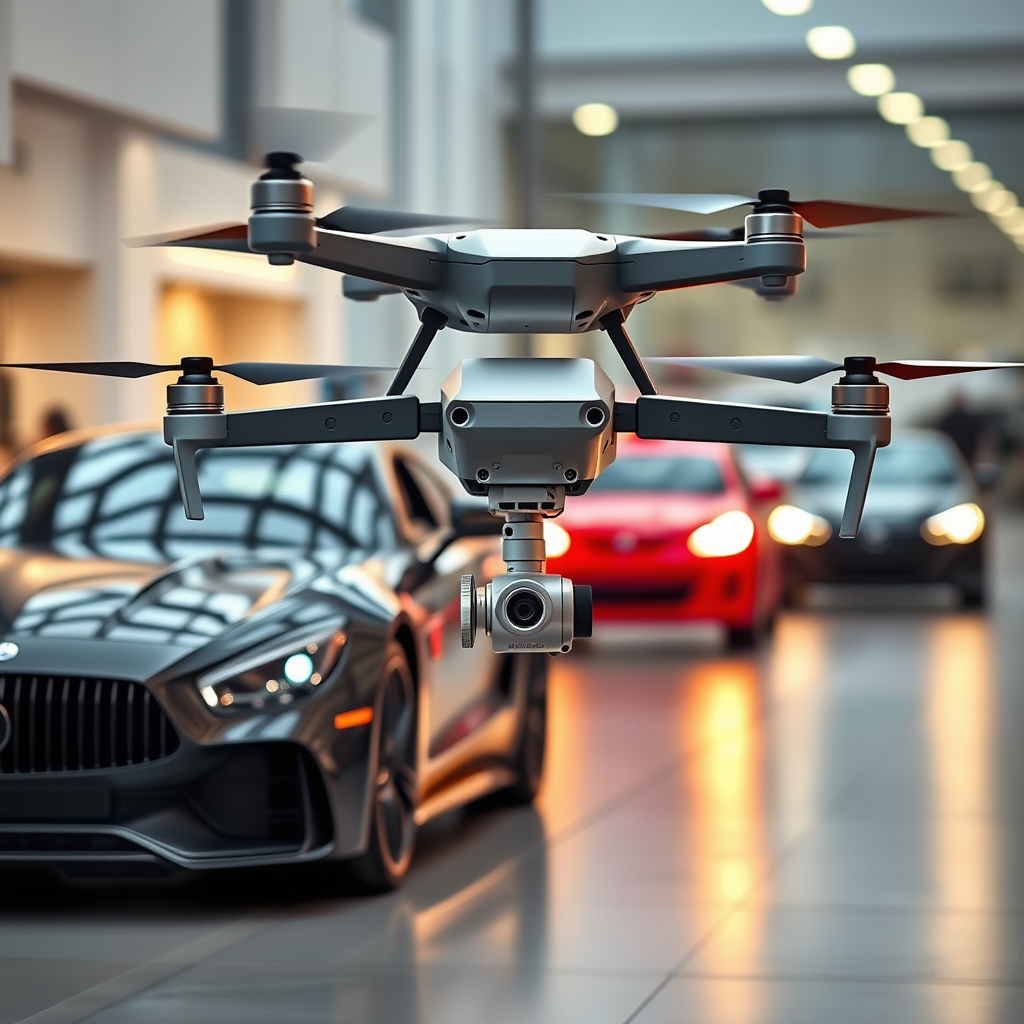
Drones can typically carry payloads ranging from a few ounces to several hundred pounds, depending on their design and purpose. The payload capacity of a drone is influenced by several critical factors, including its size, motor strength, and intended application. This article will explore the intricacies of drone payload capacity, the types of drones available, and their applications across various industries, providing essential insights for stakeholders ranging from hobbyists to commercial operators.
Understanding Drone Payload Capacity
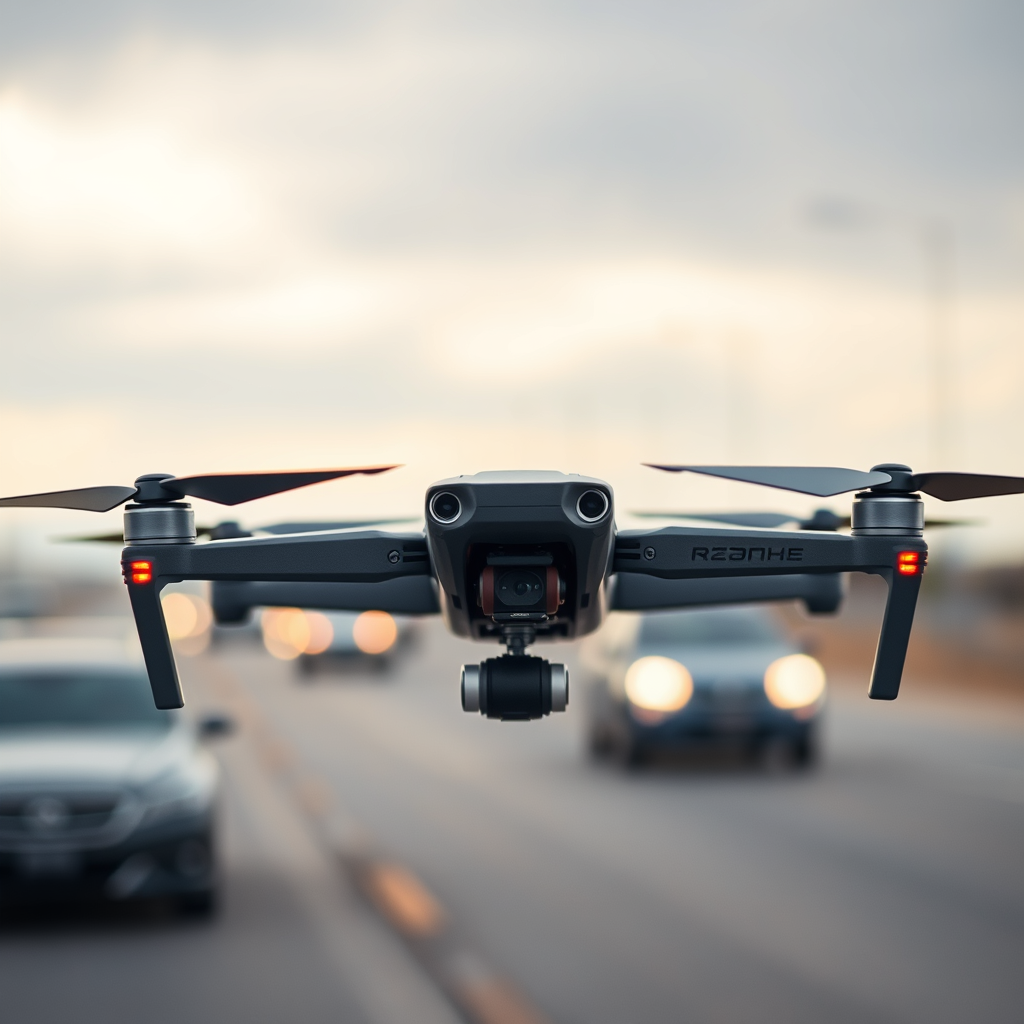
In the context of drones, “payload” refers to the weight that a drone can carry in addition to its own weight. This includes any equipment, camera, sensors, or cargo that the drone is tasked with delivering or monitoring. Understanding payload capacity is vital for optimizing drone operations, as exceeding the recommended limits can lead to reduced flight efficiency, compromised safety, and potential damage to the drone.
Several factors play a pivotal role in determining a drone’s payload capacity. Primarily, the size and design of the drone are critical; larger drones generally have higher payload capacities due to their more robust structural integrity and larger motors. The strength of the motors is equally important, as more powerful motors can lift heavier loads. Additionally, the drone’s frame material can influence its overall weight and strength, making some designs more suitable for heavy lifting than others.
Types of Drones and Their Payloads
Drones can be broadly classified into two categories: multirotors and fixed-wing drones, each with distinct payload capabilities and applications.
Multirotors
Multirotor drones, such as quadcopters, are the most common type used for aerial photography, videography, and light deliveries. They typically carry payloads ranging from a few ounces to around 20 pounds, depending on their design and motor specifications. For example, the DJI Matrice 600 is a professional-grade multirotor capable of carrying substantial camera equipment, making it a favorite among filmmakers and photographers.
These drones excel in vertical take-off and landing (VTOL) capabilities, allowing them to operate in confined spaces. However, their battery life can be limited, especially when carrying heavier payloads, which restricts flight duration and distance.
Fixed-wing Drones
In contrast, fixed-wing drones are designed for longer flights and can carry significantly heavier payloads, often exceeding 50 pounds. These drones are typically used for applications such as surveying, agriculture, and logistics. For instance, the senseFly eBee X can carry multiple payload options, including cameras for mapping or multispectral sensors for agricultural monitoring.
Fixed-wing drones are more efficient in terms of energy consumption for long-distance travel, but they require a runway or a designated launch area. Their design allows them to cover larger areas quickly, making them suitable for tasks that require extensive data collection or delivery over vast distances.
Factors Affecting Payload Limitations
Several factors influence a drone’s payload limitations beyond its inherent design capabilities.
Battery Life and Energy Consumption
One of the most critical considerations is the drone’s battery life. The weight of the payload directly impacts battery performance; heavier loads require more energy to maintain flight. As a result, operators must carefully balance payload weight against battery capacity to ensure sufficient flight time for the mission.
For example, a drone designed to carry a 10-pound payload may only achieve half the typical flight duration when fully loaded compared to when it is carrying a lighter load. Understanding this relationship is crucial for planning missions effectively, especially for commercial applications where time and efficiency are paramount.
Environmental Conditions
Environmental factors also play a significant role in a drone’s performance and payload capabilities. Wind speed, temperature, and humidity can all affect flight stability and energy consumption. For instance, flying in high winds can require additional power to maintain stability, effectively reducing the maximum payload capacity.
Similarly, extreme temperatures can affect battery efficiency. Cold weather can decrease battery performance, while excessive heat may lead to overheating issues. Operators need to consider these environmental factors when planning drone operations, particularly in regions known for challenging weather conditions.
Applications of Drones by Payload Capacity
Different industries leverage drones with varying payload capacities to meet specific needs.
Lightweight Drones
Lightweight drones are typically used for recreational purposes, such as aerial photography or video capturing. They can also serve small-package delivery services, such as delivering medical supplies or documents within urban areas. An example is the Zipline drone, which has been successfully used to deliver medical supplies in remote areas, demonstrating the versatility and efficiency of lightweight drones.
Heavy-lift Drones
Heavy-lift drones find applications across multiple sectors, including agriculture, construction, and emergency services. In agriculture, drones equipped with multispectral sensors can monitor crop health and optimize resource management. In construction, heavy-lift drones can transport tools and materials to remote job sites, enhancing efficiency and safety.
Emergency services utilize heavy-lift drones for search and rescue missions, where they may carry thermal imaging cameras or other equipment. For instance, the AerialX drone is designed to carry heavy payloads, enabling it to deliver supplies or perform critical surveillance in disaster situations.
Regulatory Considerations for Drone Payloads
Understanding regulatory frameworks is essential for commercial drone operators. In the United States, the Federal Aviation Administration (FAA) sets strict regulations regarding drone weight limits for safety reasons. The maximum weight for commercial drones is typically 55 pounds, including the drone itself and its payload.
Compliance with these regulations is vital for ensuring safe operations. Failing to adhere to weight limits can lead to legal ramifications, including fines and grounding of operations. Therefore, businesses should invest time in understanding FAA regulations and any local laws that may apply to their drone operations, particularly as regulations continue to evolve.
Future Trends in Drone Payload Technology
The future of drone payload technology is promising, with numerous innovations on the horizon aimed at expanding payload capacities and operational capabilities.
Innovations in Materials and Design
Advancements in materials science are leading to the development of lighter and stronger materials, which can enhance a drone’s payload capacity without compromising structural integrity. Innovations such as carbon fiber composites and advanced alloys are becoming increasingly common in drone manufacturing, allowing for both increased strength and reduced weight.
The Role of Artificial Intelligence
Artificial intelligence (AI) is also playing a significant role in optimizing payload management. AI algorithms can enhance flight planning, allowing drones to analyze payload weight and optimize routes for efficiency. This technology can improve battery life and increase operational efficiency, particularly for commercial applications requiring extensive data collection or delivery services.
As these advancements continue to emerge, we can expect to see drones capable of handling heavier payloads while maintaining or improving flight efficiency, opening new possibilities for industries reliant on drone technology.
In conclusion, understanding how much payload a drone can carry involves considering various factors, including drone design, intended use, and regulatory constraints. As technology continues to evolve, we can expect increases in payload capacities, which will unlock new applications across numerous industries. For stakeholders in the drone space, staying informed about these advancements is essential for maximizing operational effectiveness and compliance.
Frequently Asked Questions
What factors determine how much payload a drone can carry?
The payload capacity of a drone is influenced by several factors, including the drone’s motor strength, battery power, frame design, and overall weight. Additionally, the drone’s classification—ranging from toy drones to professional industrial models—affects its lifting capabilities. Understanding these factors is crucial for users looking to optimize their drone for specific tasks, such as aerial photography or delivery services.
How can I calculate the payload capacity of my drone?
To calculate your drone’s payload capacity, subtract the drone’s weight from its maximum takeoff weight (MTOW). The MTOW is usually provided by the manufacturer and encompasses the drone’s weight along with the weight of the battery and any additional equipment. By knowing the MTOW and the drone’s weight, you can easily determine how much extra gear or cargo it can safely carry.
Why is it important to know a drone’s payload capacity?
Knowing a drone’s payload capacity is essential for safety and performance. Exceeding the recommended weight can lead to reduced flight stability, shorter flight times, and potential damage to the drone. Additionally, understanding payload limits helps users select appropriate equipment for specific applications, such as surveying, agricultural monitoring, or search and rescue operations.
What is the best drone for carrying heavy payloads?
The best drones for carrying heavy payloads typically include industrial and professional-grade models such as the DJI Matrice 600 or the Freefly Alta 8. These drones are designed with powerful motors and robust frames, allowing them to carry additional cameras, sensors, or equipment efficiently. When selecting a drone for heavy lifting, consider factors such as flight time, ease of control, and compatibility with your required payload.
Which industries benefit the most from drones with high payload capacities?
Industries that benefit significantly from drones with high payload capacities include agriculture, construction, and logistics. In agriculture, drones can transport seeds, fertilizers, or even small equipment directly to fields, enhancing efficiency. In construction, drones can deliver tools and materials to remote job sites, while logistics companies utilize drones for shipping and package delivery, reducing delivery times and costs. Understanding these applications can help industries maximize the advantages of drone technology.
References
- https://en.wikipedia.org/wiki/Drone_payload
- https://www.faa.gov/uas/recreational_flyers/
- https://www.ncbi.nlm.nih.gov/pmc/articles/PMC7456971/
- https://www.researchgate.net/publication/327986000_An_Overview_of_Drone_Applications_in_Agriculture
- https://www.nist.gov/news-events/news/2021/01/drones-and-their-payloads-exploring-possibilities
- https://www.theguardian.com/technology/2022/aug/29/drone-deliveries-payload-capacity-issues
- https://www.sciencedirect.com/science/article/pii/S2351978921000273
