
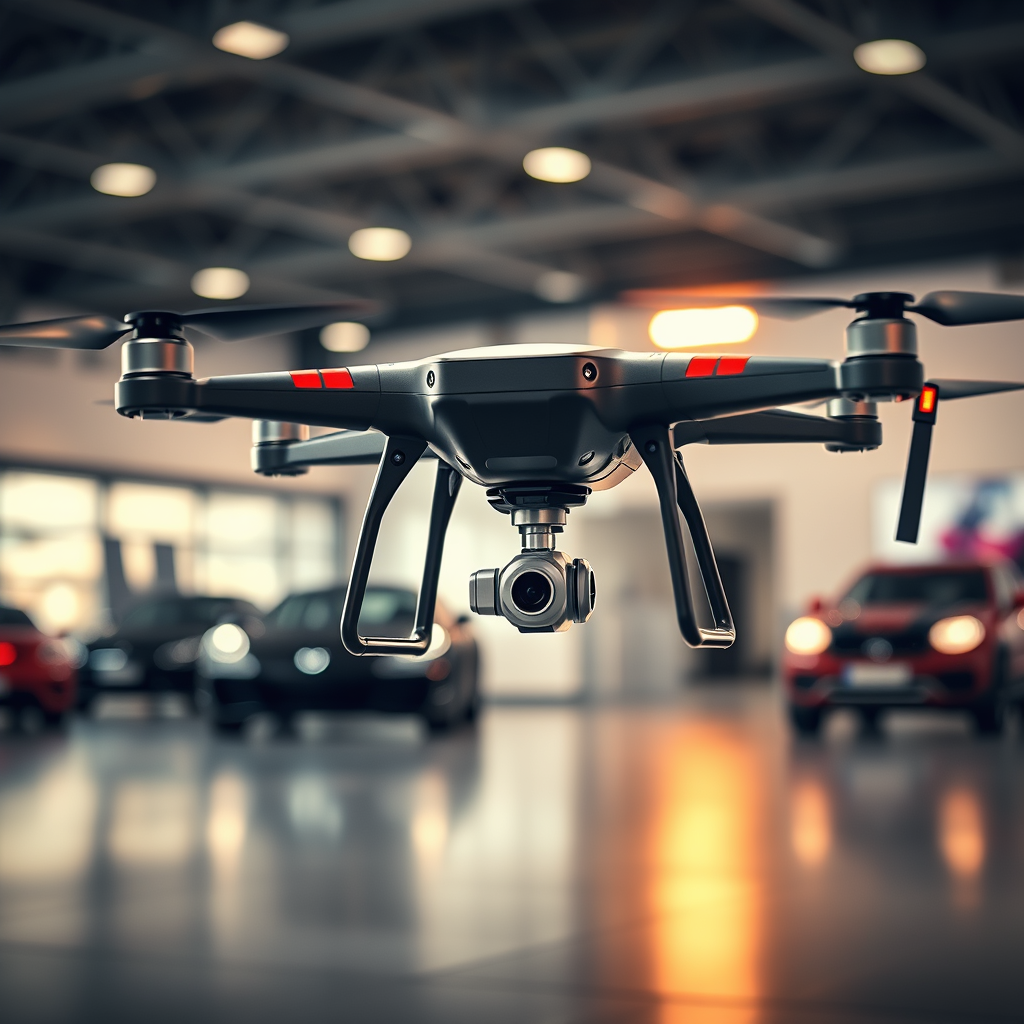
Drones can typically carry between 0.5 to 400 pounds, depending on the model and design. Understanding the weight capacity of various drones is crucial for applications like delivery services, photography, and more. This article will break down the factors influencing a drone’s payload capacity and provide insights into the capabilities of different types of drones, guiding potential users in selecting the right drone for their specific needs.
Understanding Drone Payload Capacity
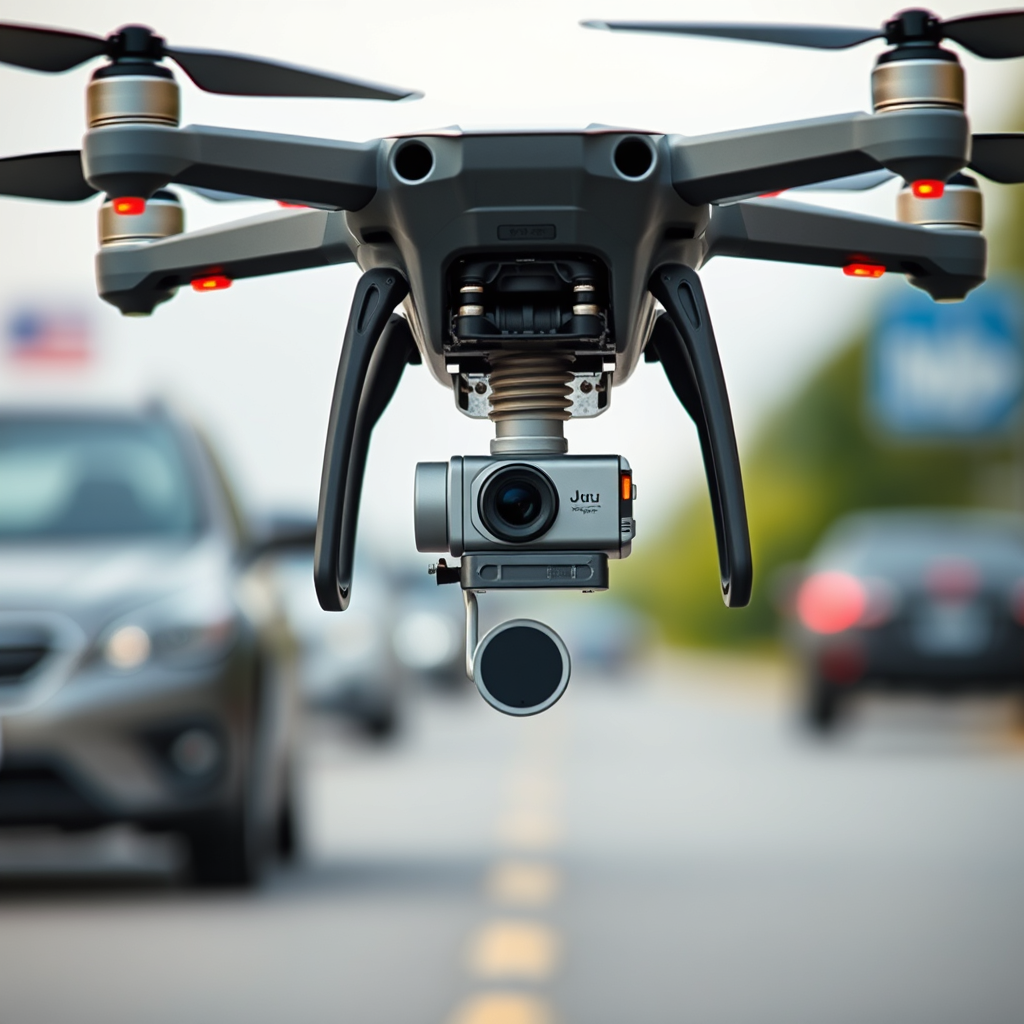
The payload capacity of a drone is a critical specification that varies significantly across different models and types. Payload capacity refers to the maximum weight a drone can safely carry while still maintaining optimal performance. Factors that influence this capacity include the drone’s size, the power of its motors, and the strength of its battery. Larger drones with more powerful motors are generally capable of carrying heavier loads, while smaller drones designed for recreational use may have limited payload capabilities. For instance, a racing drone optimized for agility and speed may only carry a small camera, whereas a commercial drone designed for logistics can transport substantial cargo, such as packages or agricultural equipment.
Understanding the payload capacity is essential for users to determine whether a drone meets their specific operational requirements, whether it be for hobbyist photography or commercial delivery services.
Types of Drones and Their Weight Limits
Drones can be broadly categorized into consumer drones and commercial drones, each designed for different purposes and with varying weight limits.
Consumer drones typically carry between 0.5 to 5 pounds. These drones are often used by hobbyists, photographers, and videographers who need to transport lightweight cameras and sensors. Popular models such as the DJI Mini and the Mavic Air fall within this category, providing ample functionality for capturing aerial images while remaining portable.
In contrast, commercial drones are engineered for heavier lifting and can handle payloads ranging from 20 to 400 pounds. These drones serve industrial applications, such as delivery services, agriculture, and construction. For example, the DJI Matrice series, which is commonly used for surveying and mapping, can carry various payloads including high-resolution cameras and thermal sensors. Another notable example is the Amazon Prime Air drone, which is designed to deliver packages weighing up to 5 pounds, showcasing the potential of drones in the logistics sector.
Factors Affecting Weight Capacity
Several factors play a significant role in determining how much weight a drone can carry.
First and foremost is the type and capacity of the battery. A drone’s battery not only powers its motors but also affects how much weight it can carry. A higher capacity battery may allow a drone to lift heavier payloads, but it also adds weight, which can impact overall performance.
Aerodynamics and drone design are also critical factors. A drone’s shape and construction influence its ability to maintain stability and efficiency when carrying heavier loads. For instance, a drone that is designed with a wide wingspan may be better suited for lifting larger payloads, as it can distribute weight more evenly and reduce drag. Furthermore, advanced materials, such as carbon fiber, are increasingly being used in drone construction to enhance strength while keeping weight to a minimum.
Overall, potential users should consider these factors when selecting a drone for specific tasks, ensuring that the chosen model can handle the intended payload without compromising performance.
Real-World Applications of Drone Weight Limits
The weight capacity of drones has led to diverse applications across various industries, significantly enhancing efficiency and productivity.
In the delivery sector, companies are leveraging drones with higher payload capacities to transport goods quickly and efficiently. For instance, Zipline uses drones to deliver medical supplies in remote areas, demonstrating how drones can bridge logistical gaps in healthcare. These drones can carry substantial weight while navigating challenging terrains, thus improving access to essential services.
In agriculture, drones equipped with payload capabilities are revolutionizing crop monitoring and spraying. Farmers utilize drones to carry sensors and spraying equipment, allowing for precise application of chemicals and fertilizers. This not only reduces waste but also increases crop yields by ensuring that treatments are applied only where needed.
Moreover, drones are increasingly being employed in construction to transport tools and materials to hard-to-reach locations, showcasing their versatility and weight-carrying capabilities.
Safety Considerations for Heavy Loads
While the potential for heavy payloads is enticing, it is crucial to consider safety implications when operating drones. Overloading a drone can lead to crashes or malfunctions, which can pose serious risks not only to the equipment but also to people and property in the vicinity. Therefore, adhering to the manufacturer’s specified weight limits is paramount for safe operation.
Regulatory agencies, such as the Federal Aviation Administration (FAA) in the United States, often impose strict guidelines regarding maximum payloads to ensure safe drone operation, especially in populated areas. Operators must stay informed about these regulations, as failing to comply can result in fines or other penalties, as well as increased risk during flight operations.
Innovations and Future Trends
The drone industry is rapidly evolving, with advancements in technology continually pushing the boundaries of payload capacities. Manufacturers are exploring new materials and designs that enhance lifting capabilities while maintaining or even reducing weight. Innovations such as electric propulsion systems and improved battery technologies are pivotal in increasing the efficiency of drones.
Additionally, there is a growing interest in hybrid drones that combine traditional rotor designs with fixed-wing capabilities, allowing for greater range and payload capacities. As these technologies continue to develop, we can expect the emergence of drones that will be able to carry even heavier payloads, thereby expanding their applications across various sectors.
The future of drones is promising, and continued advancements will likely reshape how they are used in both commercial and personal settings.
In summary, understanding how much weight a drone can carry is vital for selecting the right model for your needs. Whether you’re a hobbyist or a professional, always consider the payload capacity to ensure optimal performance and safety. As technology continues to evolve, the potential applications and capabilities of drones will only expand, making them indispensable tools across a multitude of industries.
Frequently Asked Questions
How much weight can a typical consumer drone carry in pounds?
A typical consumer drone can carry anywhere from 0.5 to 5 pounds, depending on the model and design. Drones like the DJI Phantom or Mavic series are designed for aerial photography and can usually handle payloads around 2 to 3 pounds, which includes the weight of a camera and gimbal. For heavier payloads, specialized drones designed for agriculture or industrial use can carry upwards of 10 to 20 pounds.
What factors determine how much weight a drone can carry?
Several factors influence a drone’s weight capacity, including its motor strength, battery power, frame design, and overall build quality. The drone’s maximum takeoff weight (MTOW) is a critical specification that defines how much weight it can safely carry, factoring in the drone’s own weight plus any additional payload. Additionally, the type of propellers and the drone’s aerodynamics play significant roles in its lifting capability.
Why is it important to know a drone’s weight capacity?
Understanding a drone’s weight capacity is crucial for safe operation, as exceeding this limit can lead to compromised flight stability, reduced flight time, or even crashes. Knowing the weight capacity also helps users select the right equipment for their specific needs, whether it’s for photography, delivery, or agricultural applications, ensuring that the drone performs efficiently and safely under various conditions.
Which drones are best for carrying heavier payloads?
Drones specifically designed for heavy lifting, such as the DJI Matrice 600 or the Freefly Alta 8, are among the best options for carrying heavier payloads. These drones can handle payloads ranging from 6 to 15 pounds, making them ideal for professional filmmakers, industrial inspections, and agricultural use. When choosing a drone for heavy lifting, consider factors like battery life, stability, and the ability to attach different types of equipment.
How can I safely maximize my drone’s payload capacity?
To safely maximize your drone’s payload capacity, first ensure you know the drone’s maximum takeoff weight and avoid exceeding it. Use lightweight materials for any additional equipment and carefully balance the load to maintain stability during flight. Additionally, keep an eye on battery life, as carrying heavier loads can significantly reduce flight time, and always conduct a pre-flight check to ensure that everything is securely attached and functioning properly.
References
- https://en.wikipedia.org/wiki/Drone_payload
- https://www.faa.gov/uas/getting_started/remote_id
- https://www.reuters.com/article/us-drones-delivery-idUSKBN2A01O2
- https://www.nasa.gov/feature/nasa-develops-drone-delivery-systems
- https://www.ncbi.nlm.nih.gov/pmc/articles/PMC7300633/
- https://www.techrepublic.com/article/how-much-weight-can-drones-carry/
- https://www.sciencedirect.com/science/article/pii/S2351978921001384
